What it is and what it was built for
A digital multi-effects processor built for live and studio use. Designed to sit in a rack, process guitar, vocal or line-level signals, and deliver polished effects without needing a computer or pedalboard.
How it works, in terms a player would use
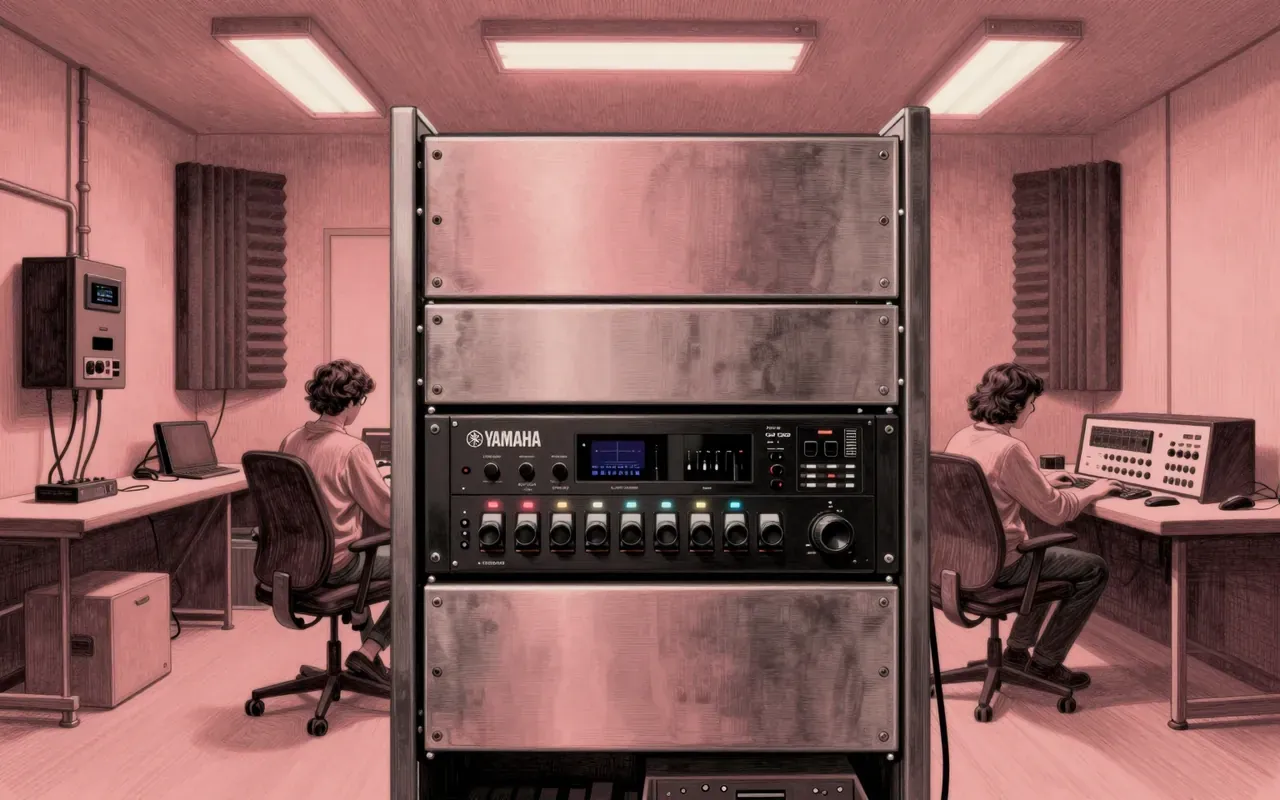
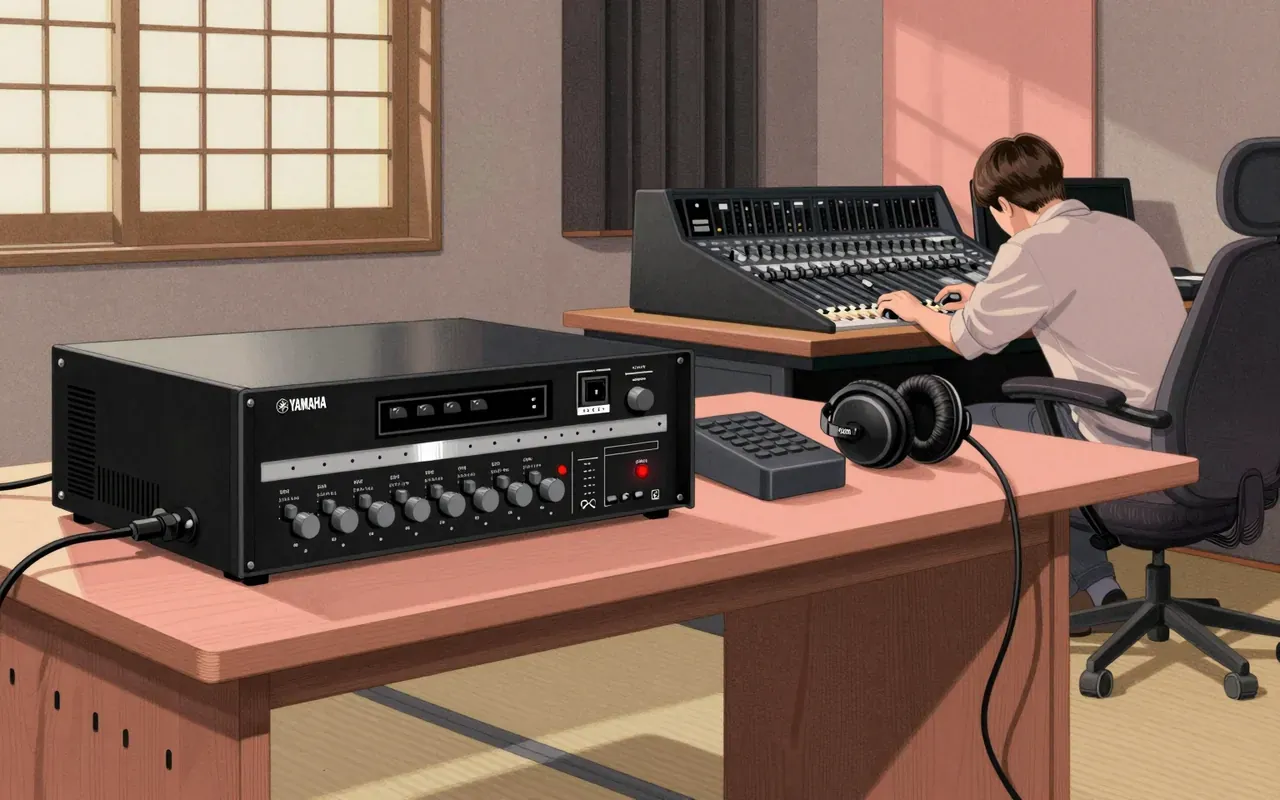
It sits in a rack. You plug analog signals in and out via XLR or 1/4-inch jacks. You select one of 99 presets — 50 factory, 49 user — using front-panel controls. MIDI IN/OUT lets you switch patches remotely. A footswitch or external controller (like the RCX-1) can trigger effects or toggle parameters.
What it does better than anything else
It delivers consistent, studio-grade reverb, delay and modulation in a single 1U rack space — with full analog I/O and MIDI patch switching — at a time when many rivals lacked either reliability or breadth.
What it does badly
It offers no digital input or output. Its 16-bit/44.1 kHz conversion limits headroom and dynamic range compared to later units. Presets are fixed: no on-the-fly editing of effect parameters like decay time, feedback or modulation depth.
What people made with it
Artists used its reverb, pitch shift and mini-sampler patches to shape vocals and guitars in late-eighties and early-nineties recordings — particularly where tight, repeatable analog integration mattered more than granular control.
Who should use it, and who should not
Studio engineers and touring musicians who value simplicity, analog signal integrity and preset recall over deep editing. Not for producers who need sample-rate flexibility, digital connectivity or parameter automation.
Is it worth your time
Yes — if you need compact, reliable analog-in/out digital effects with broad preset coverage and MIDI control. No — if you require digital I/O, higher resolution, or real-time parameter tweaking beyond preset boundaries.