What it is and what it was built for
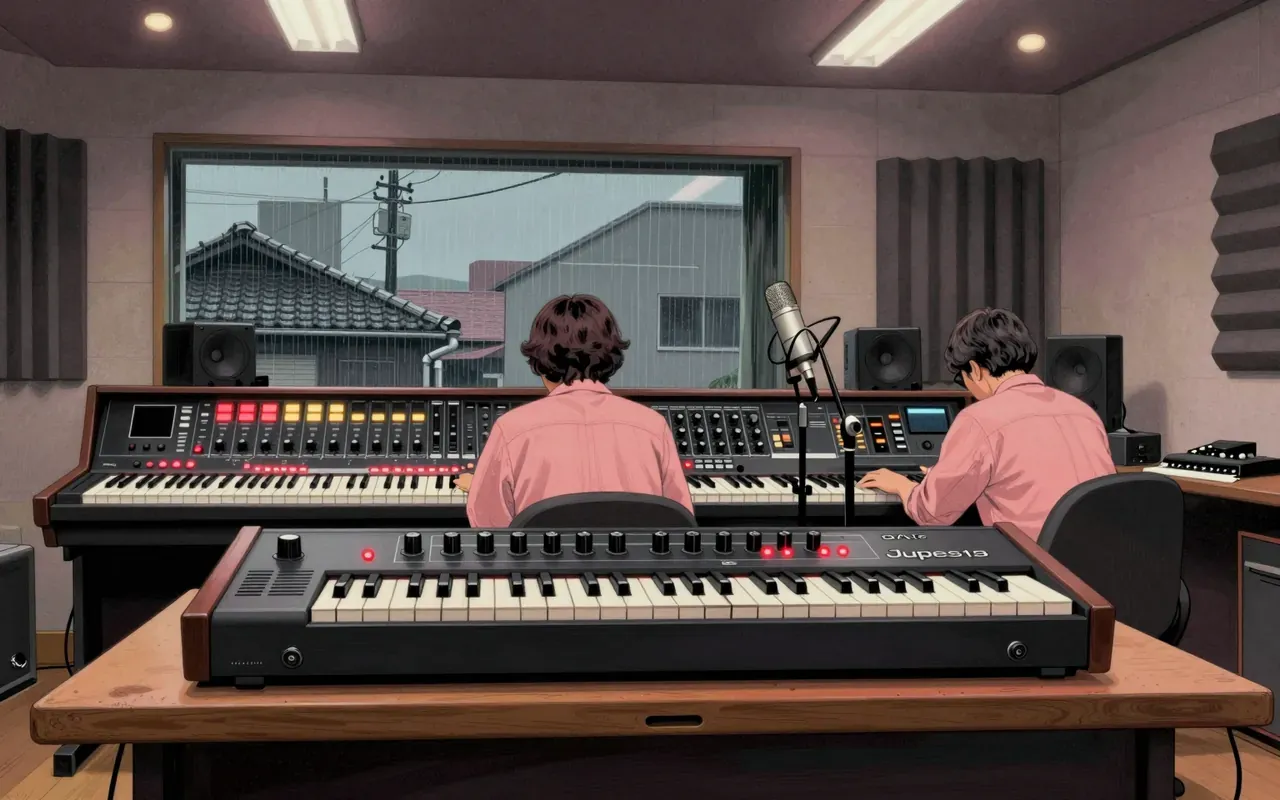
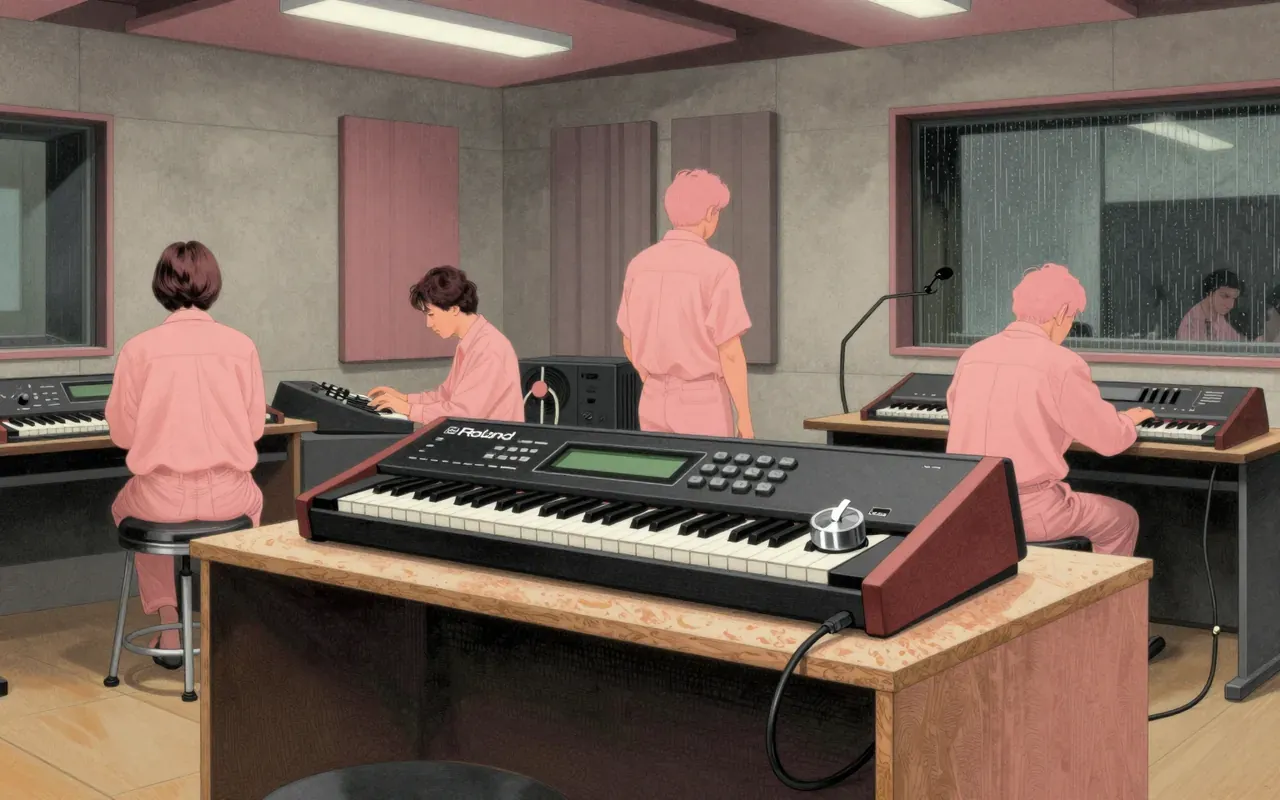
The Roland Alpha Juno-2 is a 1986 6-voice polyphonic subtractive synthesizer built for live performance and studio use, with an emphasis on immediacy in bass and rhythm contexts.
How it works, in terms a player would use
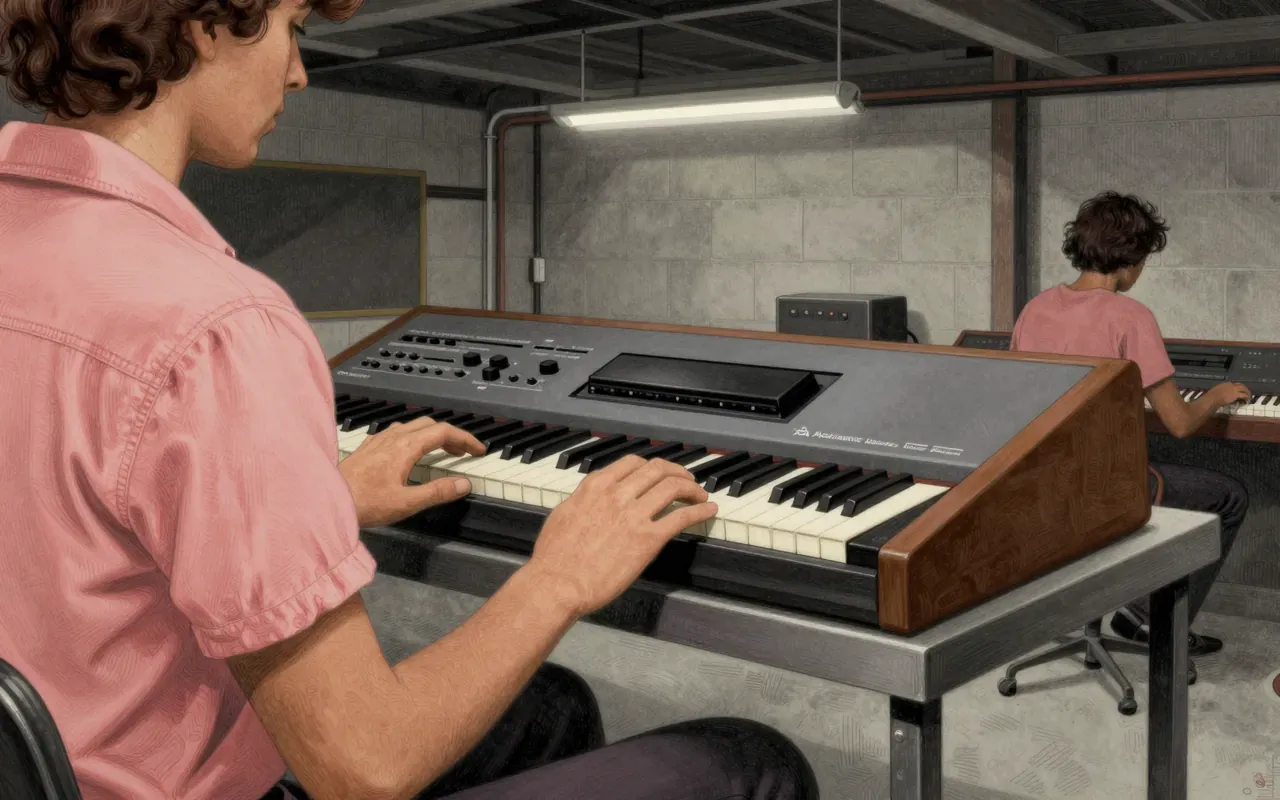
Players navigate parameters using membrane buttons and the Alpha Dial. Editing is menu-driven, not immediate. The 61-note keyboard gives velocity and aftertouch. Chord memory, portamento, and transpose are accessible via dedicated functions.
What it does better than anything else
It does acid basslines better than most synths of its size and price in 1986. Its 24dB analog low-pass filter and noise generator deliver punchy, squelchy, resonant bass tones ideal for rave and techno.
What it does badly
It does parameter editing badly. Membrane buttons and the single Alpha Dial make sound design slow and unintuitive. There is no real-time control over most parameters without external hardware.
What people made with it
People made acid basslines, rave stabs, and techno textures with it — especially using chord memory for rapid harmonic layering.
Who should use it, and who should not
A producer or performer who values compact size, analog bass character, and chord memory should use it. Anyone needing fast, expressive sound design or multitimbral operation should not.
Is it worth your time
It is worth your time if you want a compact, affordable 1986 analog subtractive synth with hands-on chord memory and acid bass capability — but only if you accept its slow editing workflow or pair it with the PG-300 Programmer.