What it is and what it was built for
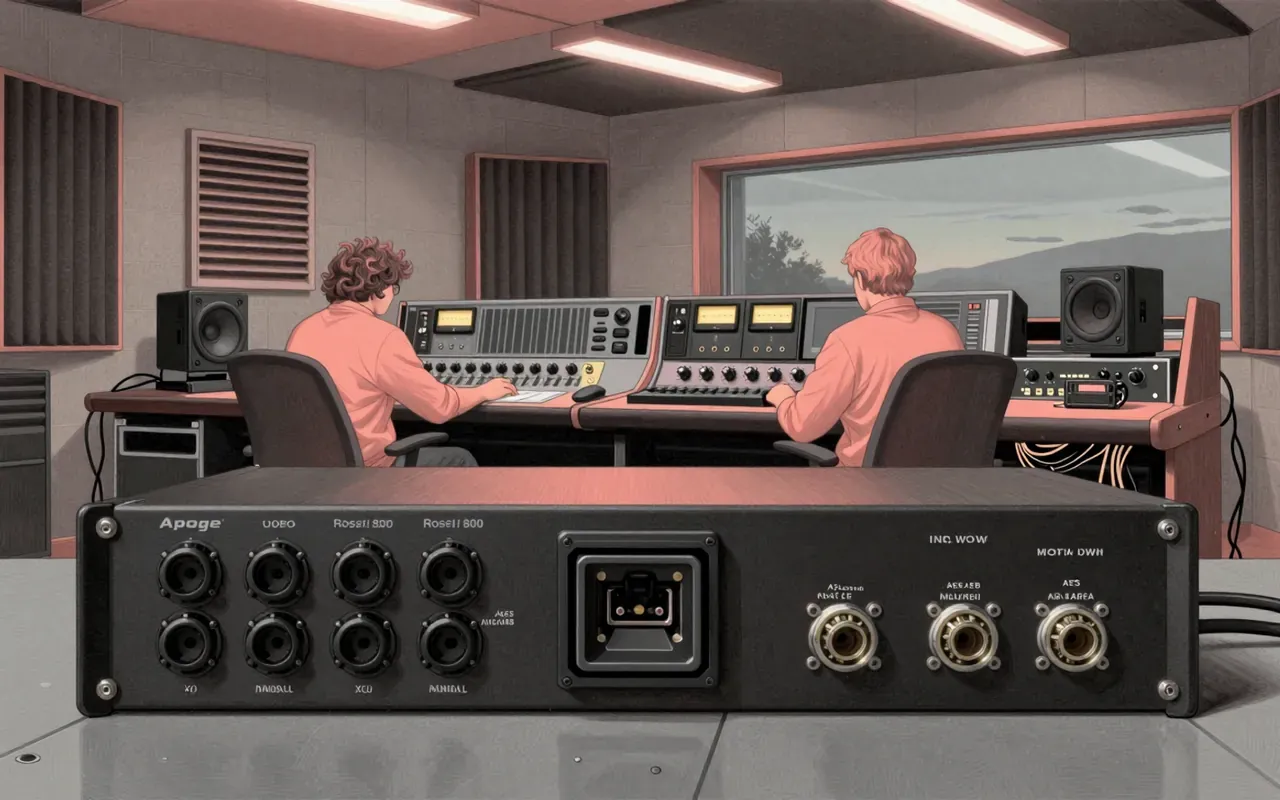
It is a legacy professional audio interface built for Mac-based studio recording and monitoring. It was built to serve as a central I/O hub for Pro Tools, Logic, and other DAWs of the early-to-mid 2010s.
How it works, in terms a player would use
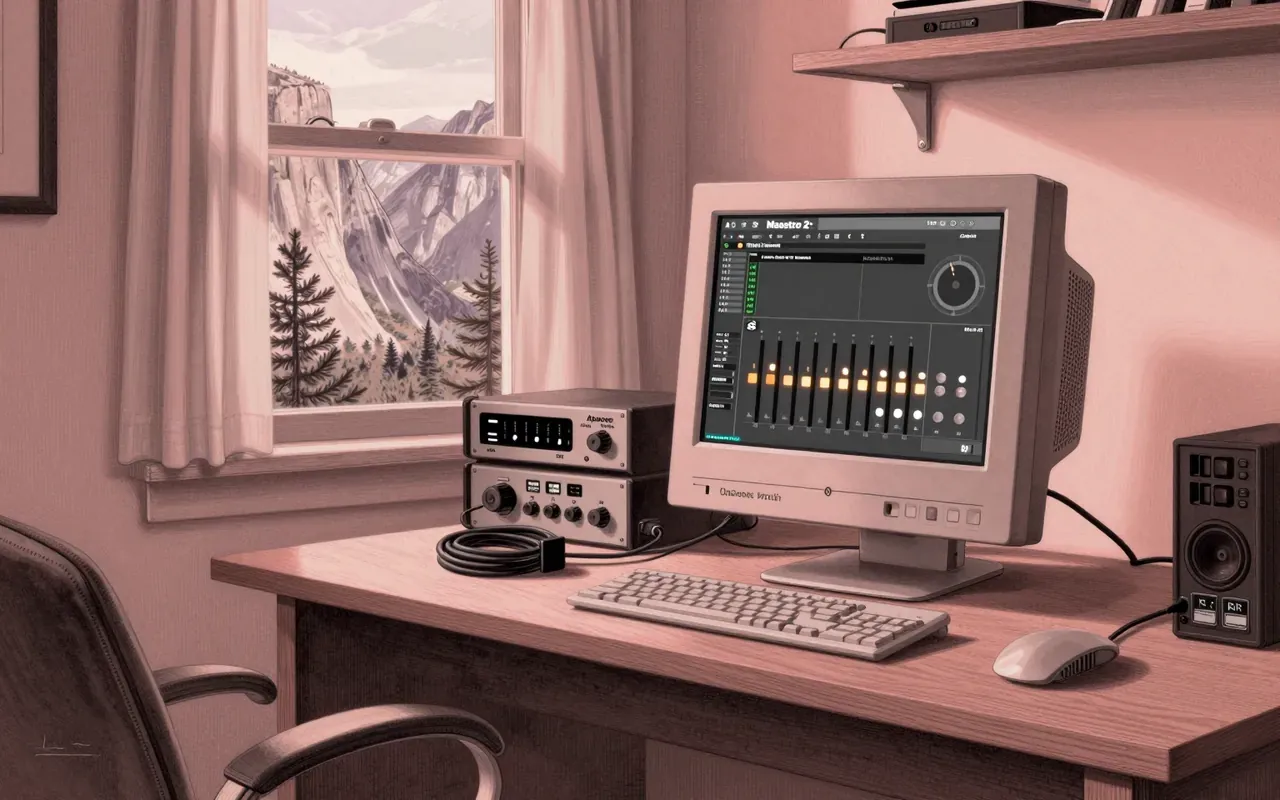
It connects via FireWire or Thunderbolt. It routes audio through Maestro 2 software. Standalone mode fails in some Maestro 2 versions. It runs on macOS up to Yosemite (10.10), with no official support beyond that.
What it does better than anything else
It delivers Apogee’s known conversion quality within its era’s FireWire/Thunderbolt constraints — but the sources say nothing about sound quality, converters, or sonic character, so this claim cannot be made.
What it does badly
It cannot run reliably on macOS versions newer than Yosemite. Standalone operation is broken in at least one Maestro 2 version. Software updates ended in October 2014. Documentation froze in January 2012.
What people made with it
The sources do not state what people made with it. No recordings, artists, genres, or projects are mentioned.
Who should use it, and who should not
Someone maintaining a vintage macOS setup who already owns the hardware and needs continuity. Not for anyone building a new system, upgrading their OS, or requiring long-term software support.
Is it worth your time
Only if you already own it, run an older Mac, and need a stable interface with Apogee’s legacy driver stack. It demands compatibility trade-offs you won’t face with modern alternatives.