What it is and what it was built for
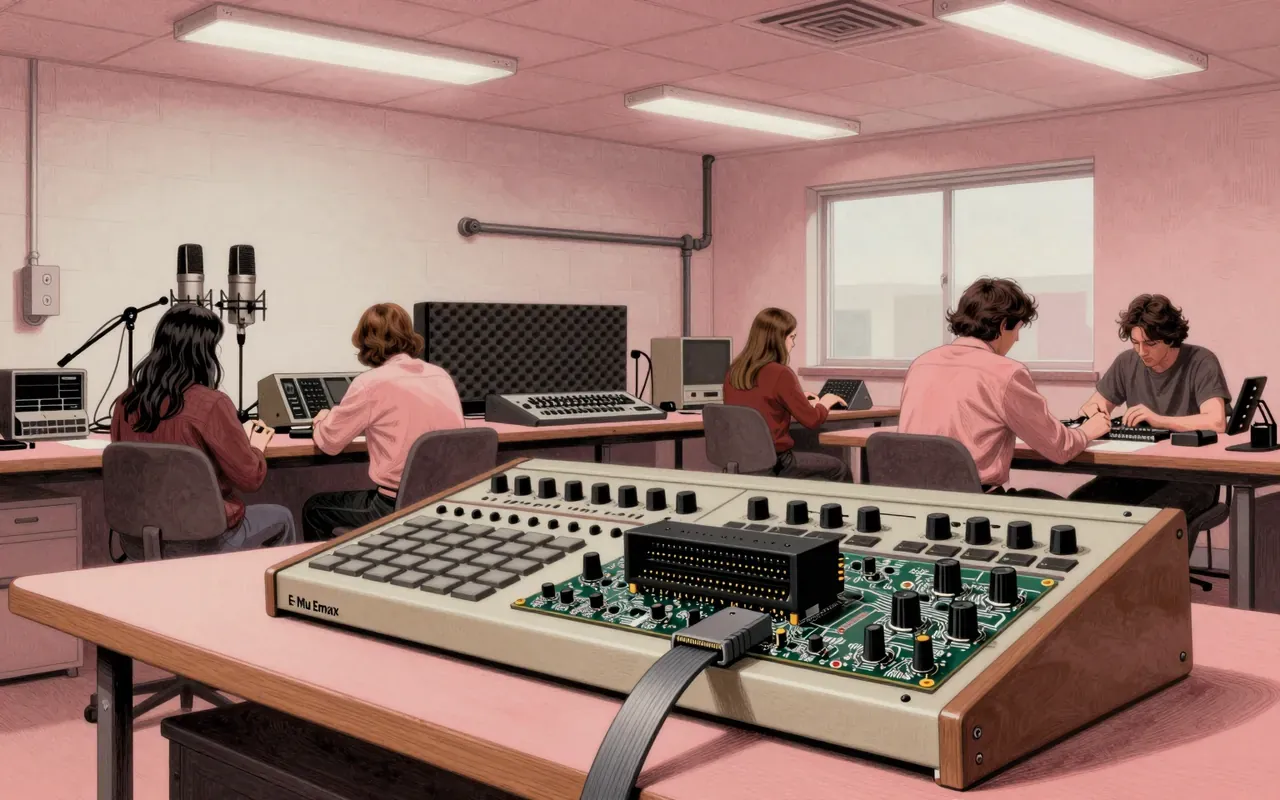
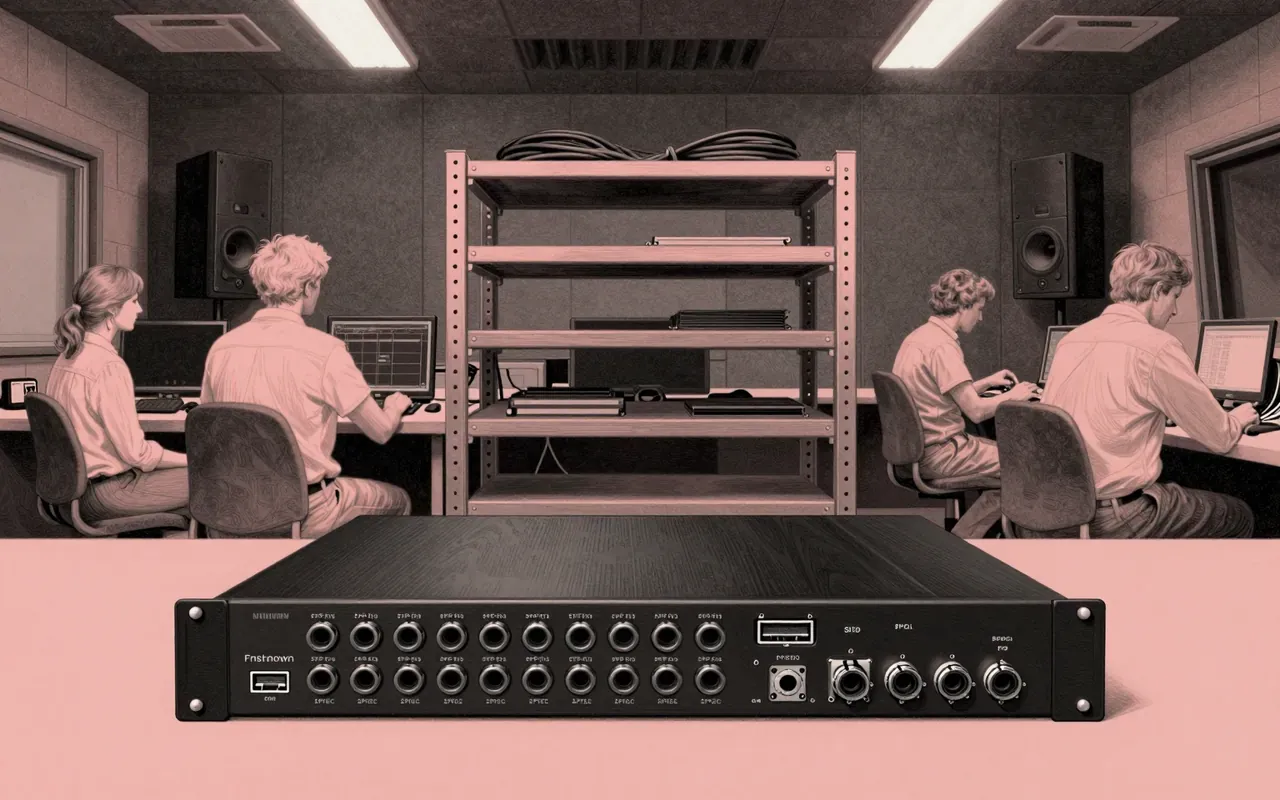
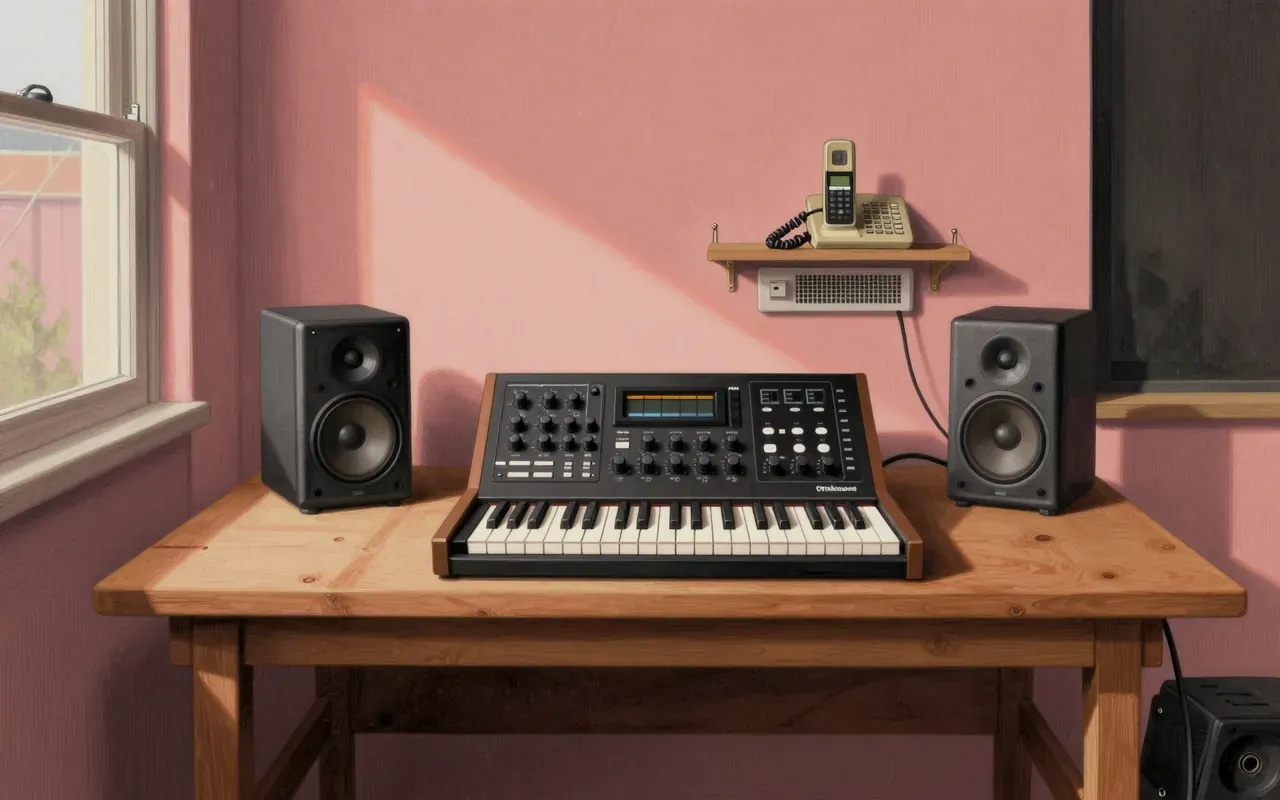
The E-mu ESI-32 is a 16-bit desktop sampler released in 1994. It was built for producers and composers who needed fast, editable sampling without a full workstation or computer.
How it works, in terms a player would use
It samples in mono or stereo at 22.05 or 44.1 kHz. It edits with loop editing, reverse, pitch shift, Doppler, exciter, and transform multiply. It auto-loops, auto-truncates, triggers sampling, and places keys automatically. It has a built-in 3.5” disk drive and a 16-part MIDI multitimbral engine.
What it does better than anything else
It integrates real-time editing functions like Doppler, harmonic morphing via transform multiply, and auto key placement more cohesively than most contemporaries. Its interface is designed for rapid sampling and editing, not deep synthesis.
What it does badly
It offers only 2 MB base RAM—just 11 seconds of stereo at 44.1 kHz—so unexpanded, it forces constant sample management. Its fixed sampling rates give no intermediate options. It lacks digital I/O or balanced outputs without Turbo Expansion.
What people made with it
No verified claims about specific works or artists appear in the material. Nothing can be stated here beyond what is documented.
Who should use it, and who should not
A hardware-focused producer who values tactile, immediate sampling and editing—and who already owns or can acquire SCSI storage, RAM upgrades, and Turbo Expansion modules—should use it. Anyone needing long samples, high-resolution recording, or modern connectivity should not.
Is it worth your time
Yes—if you need a hands-on, desktop sampler from the mid-90s that prioritises workflow over fidelity, and you’re prepared to source RAM upgrades and SCSI peripherals.