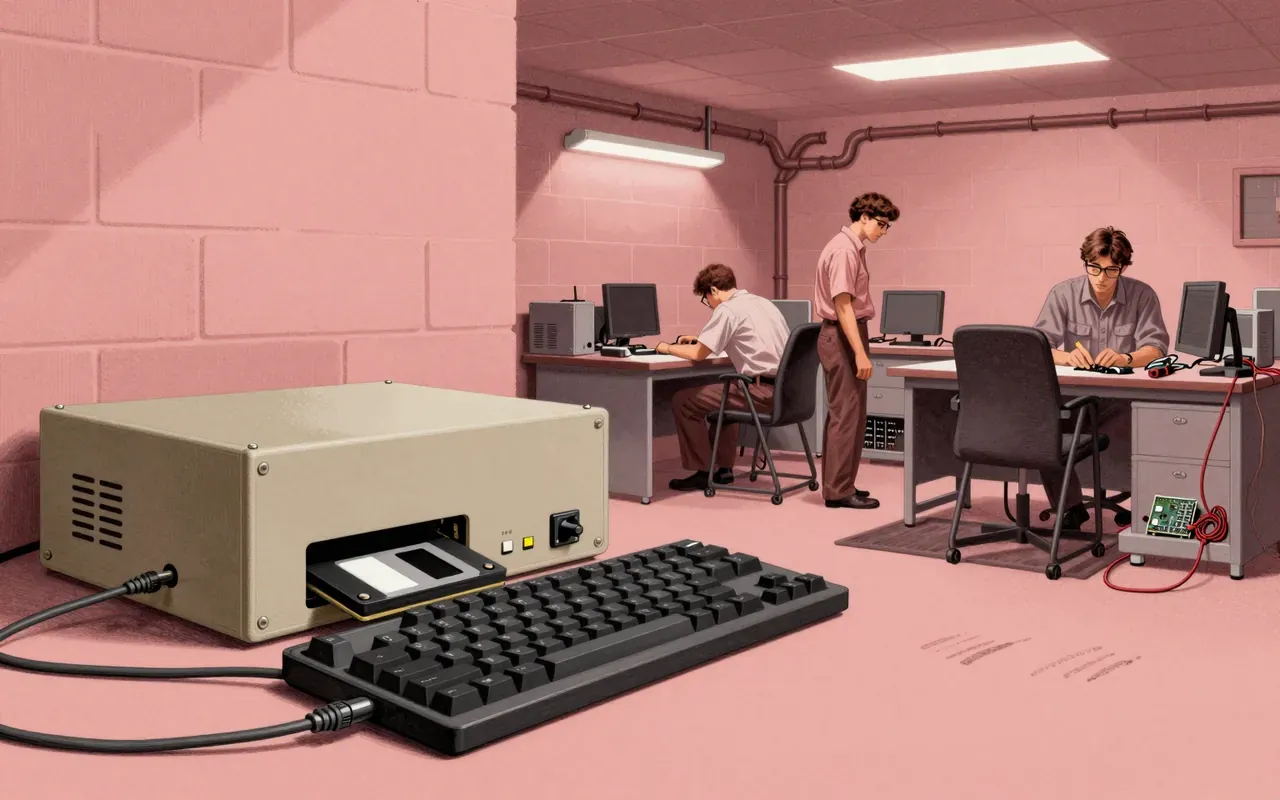
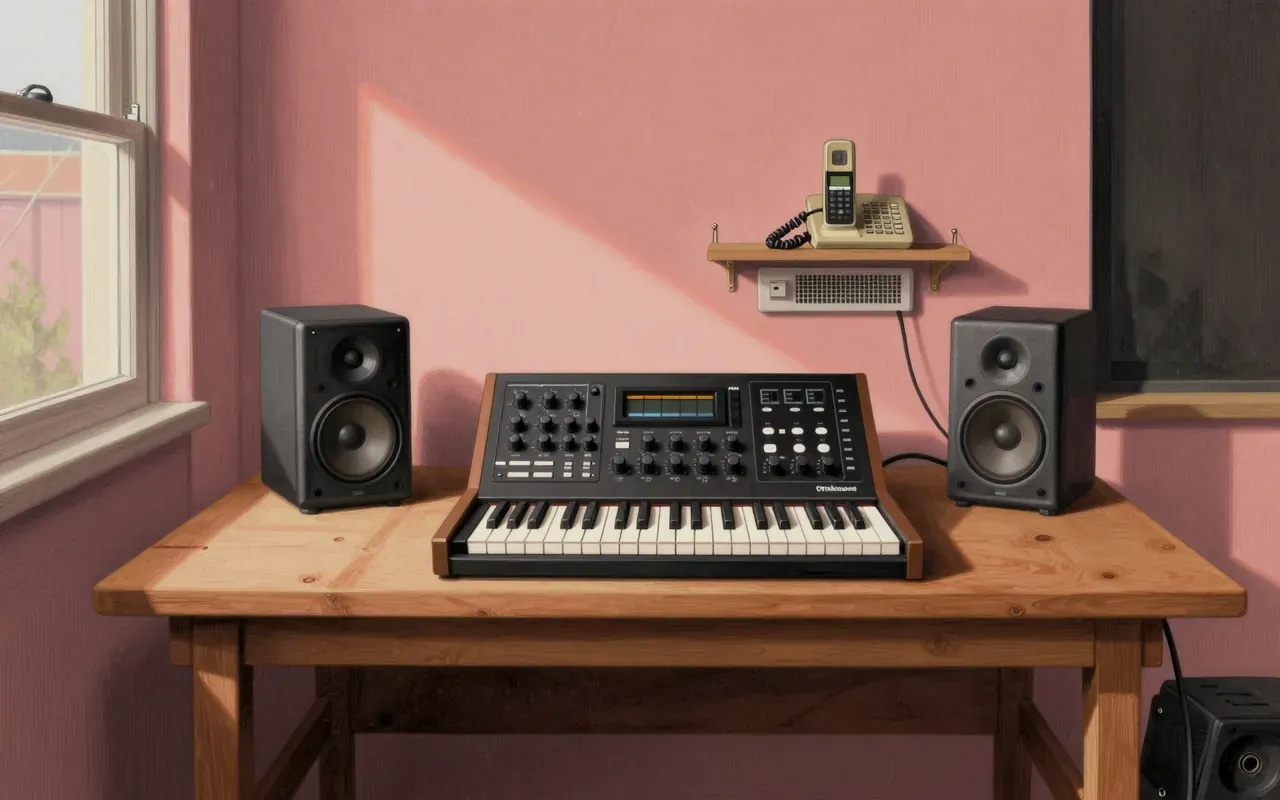
The first CD-quality sampler wasn’t made for playing—it was built to sequence, store, and edit sound like a workstation.
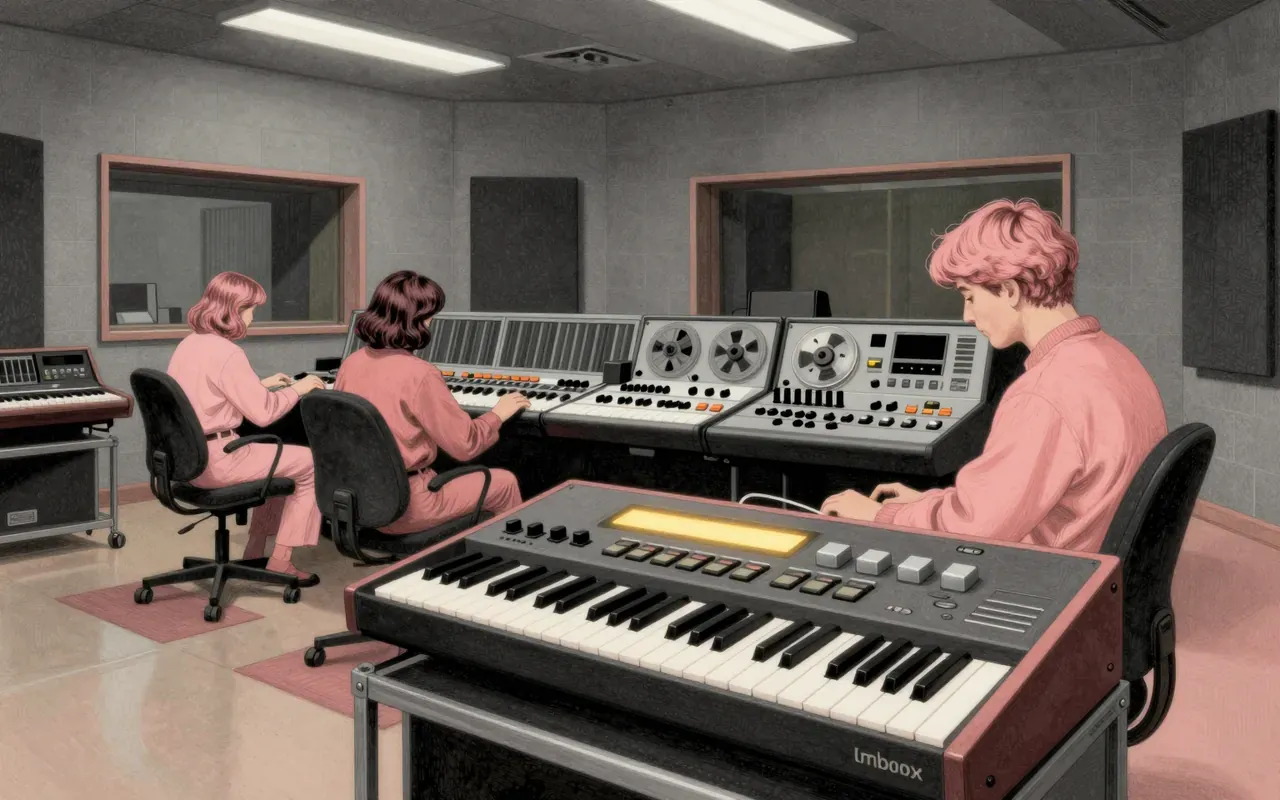
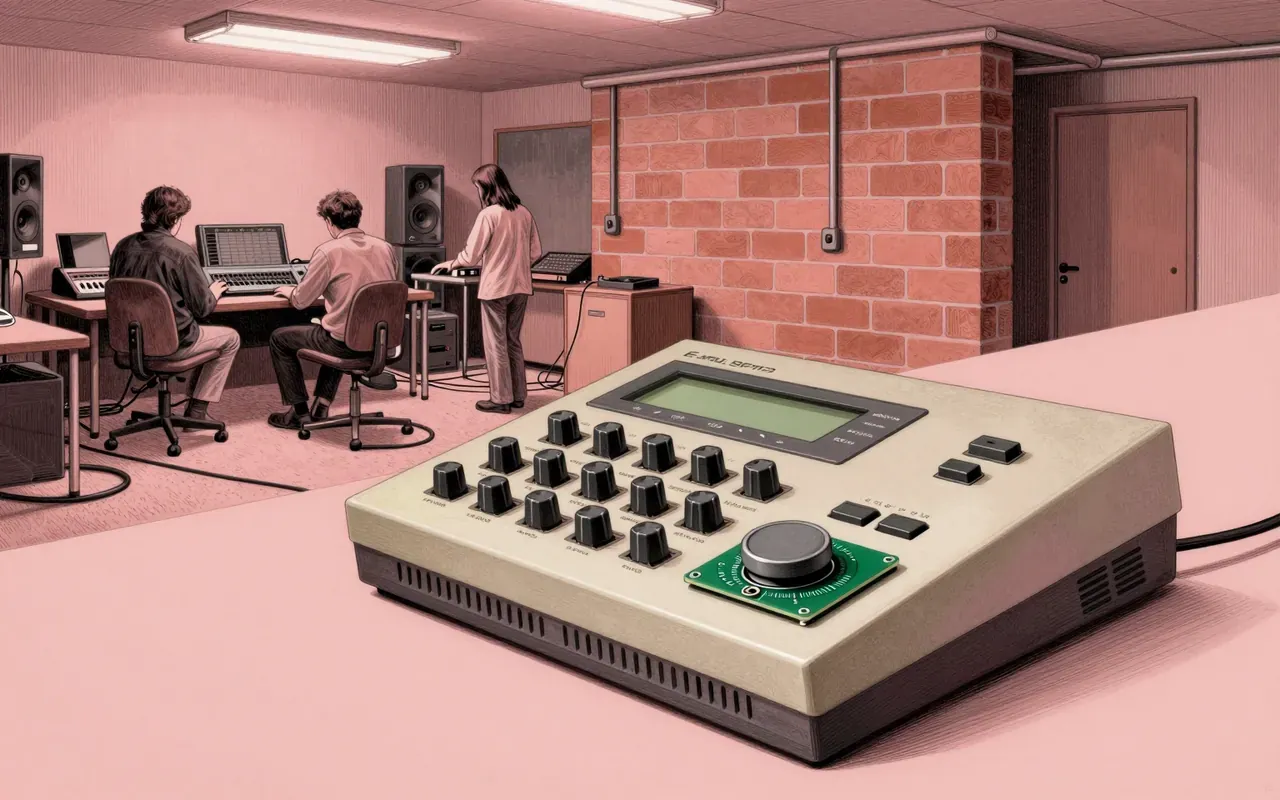
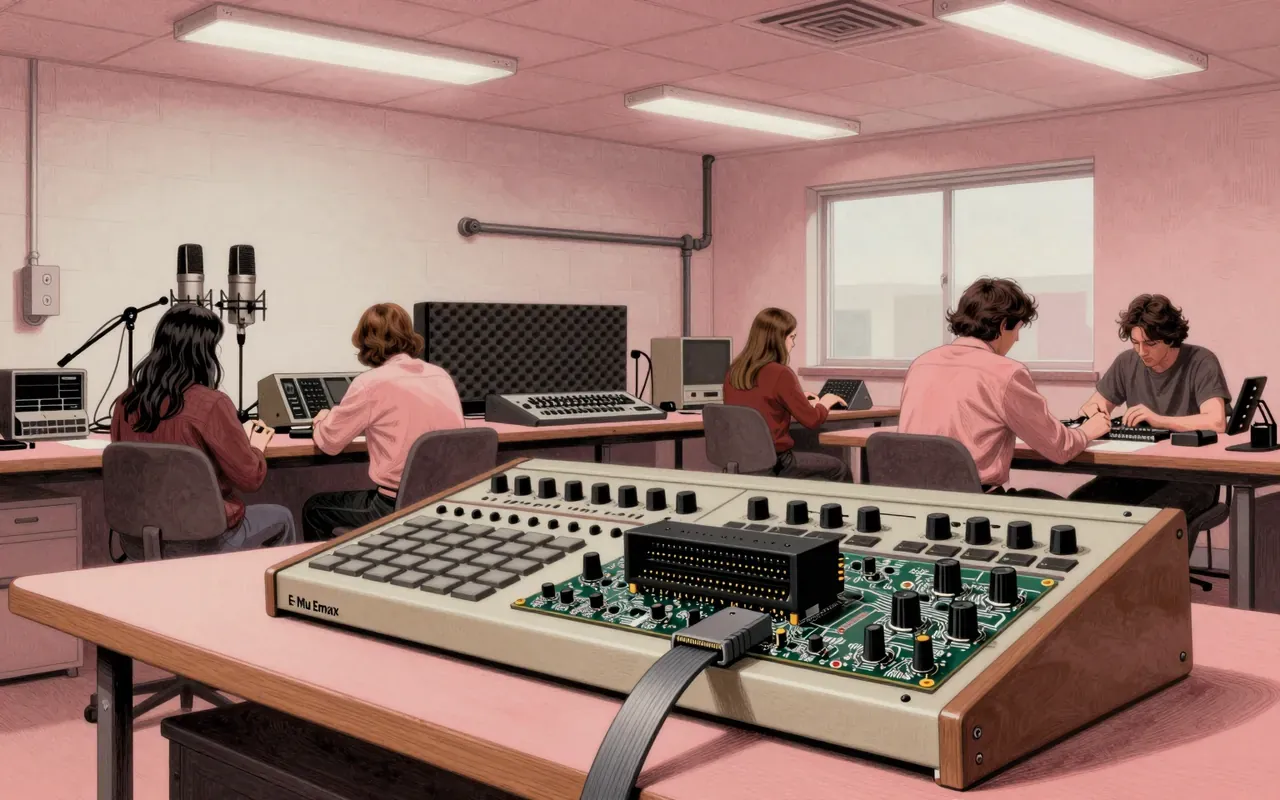
The E-mu Emulator III is a 1987 digital sound production system. It was E-mu's biggest and most professional sampler-synthesizer before the 1990s. It was the first sampler to offer 16-bit, 44.1 kHz stereo or mono sampling. RAM is 4 MB expandable to 8 MB. It includes extensive sample editing features including looping and rate conversions. Its on-board 16-track sequencer and arpeggiator are superb. It is equipped with MIDI, SMPTE, SCSI, a built-in disk drive, and multiple outputs. A Macintosh can be hooked up for graphical editing because the LED screen is so tiny.
It was marketed as a 'Digital Sound Production System'—not a keyboard, but a studio-in-a-box.
2:28
The First CD-Quality Sampler
It delivered CD-quality sampling before any other sampler—16-bit, 44.1 kHz, stereo or mono.
3:41
Editing: Tiny Screen or Mac Required
Editing relied on either a cramped LED interface or a Mac—no middle ground.
5:25
Sequencing and Connectivity First
Its 16-track sequencer and arpeggiator were unmatched—and it spoke fluently to every studio standard of the time.
Worth your time?
Yes. Use the whole thing.
4/ 5
What works
as a fixed-studio sampling and sequencing hub
as a bridge between analogue studios and early Mac-based editing
as a reference for CD-quality sampling’s first hardware implementation
What does not
support real-time synthesis parameters
offer intuitive on-device editing
function as a portable or live-performance instrument
Use it if
studio composers who rely on SCSI disk workflows
producers integrating Mac-based sample editing
archival sound designers working with 1980s studio practices
Skip it if
live performers needing tactile control
beginners seeking immediate feedback
anyone avoiding vintage SCSI or floppy dependencies
The written brief1 min read
What it is and what it was built for
The E-mu Emulator III is a 1987 digital sound production system: a keyboard-format sampler-synthesizer built for professional studio use. It was E-mu’s biggest and most professional sampler-synthesizer before the 1990s.
How it works, in terms a player would use
It is a keyboard-format sampler with 16-voice polyphony. Sampling runs at 16-bit/44.1 kHz or 33 kHz, stereo or mono. RAM starts at 4 MB and expands to 8 MB. Editing happens on the unit via a tiny LED display—or more practically, via Macintosh connectivity for graphical editing. It has MIDI, SMPTE, SCSI, a built-in disk drive, and multiple outputs.
What it does better than anything else
It was the first sampler to offer 16-bit, 44.1 kHz stereo or mono sampling. Its on-board 16-track sequencer and arpeggiator are superb. It integrates tightly into studio environments via MIDI, SMPTE, SCSI, and disk storage.
What it does badly
Its LED display is too small for intuitive editing. Sample editing on the unit is cumbersome without a Mac. It offers no real-time filter or modulation depth beyond basic sample playback—no synthesis engine beyond sample triggering and looping.
What people made with it
Producers used it to build full arrangements—sampling live instruments, sequencing layered parts, and editing loops in situ. Its 16-track sequencer and disk-based workflow supported extended composition sessions without external gear.
Who should use it, and who should not
Studio-based practitioners who value hardware sequencing, SCSI disk integration, and Mac-assisted sample editing should use it. Anyone needing quick sketching, live performance control, or deep synthesis parameters should not.
Is it worth your time
It is worth your time if you need a hardware-based, studio-integrated sampling workflow from the late 1980s that prioritises sequencing, sample manipulation, and professional connectivity over immediacy or portability.