What it is and what it was built for
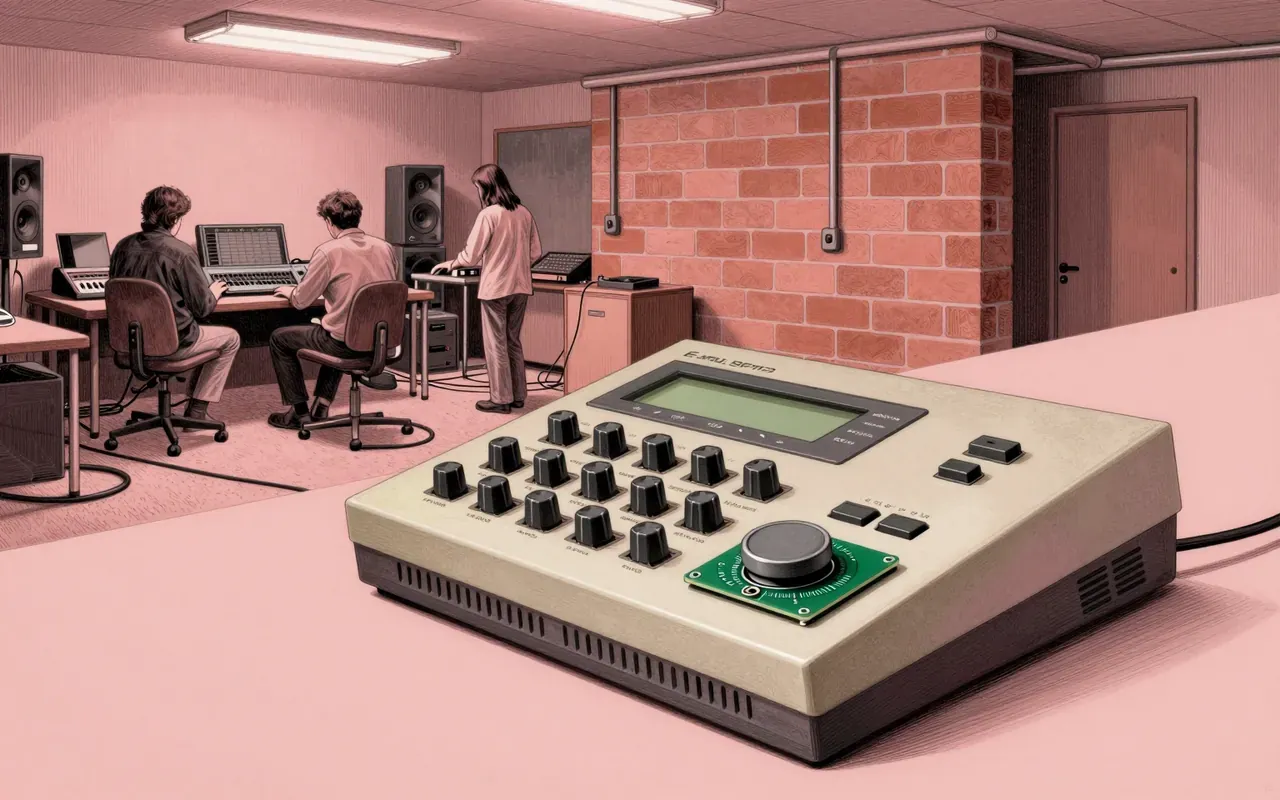
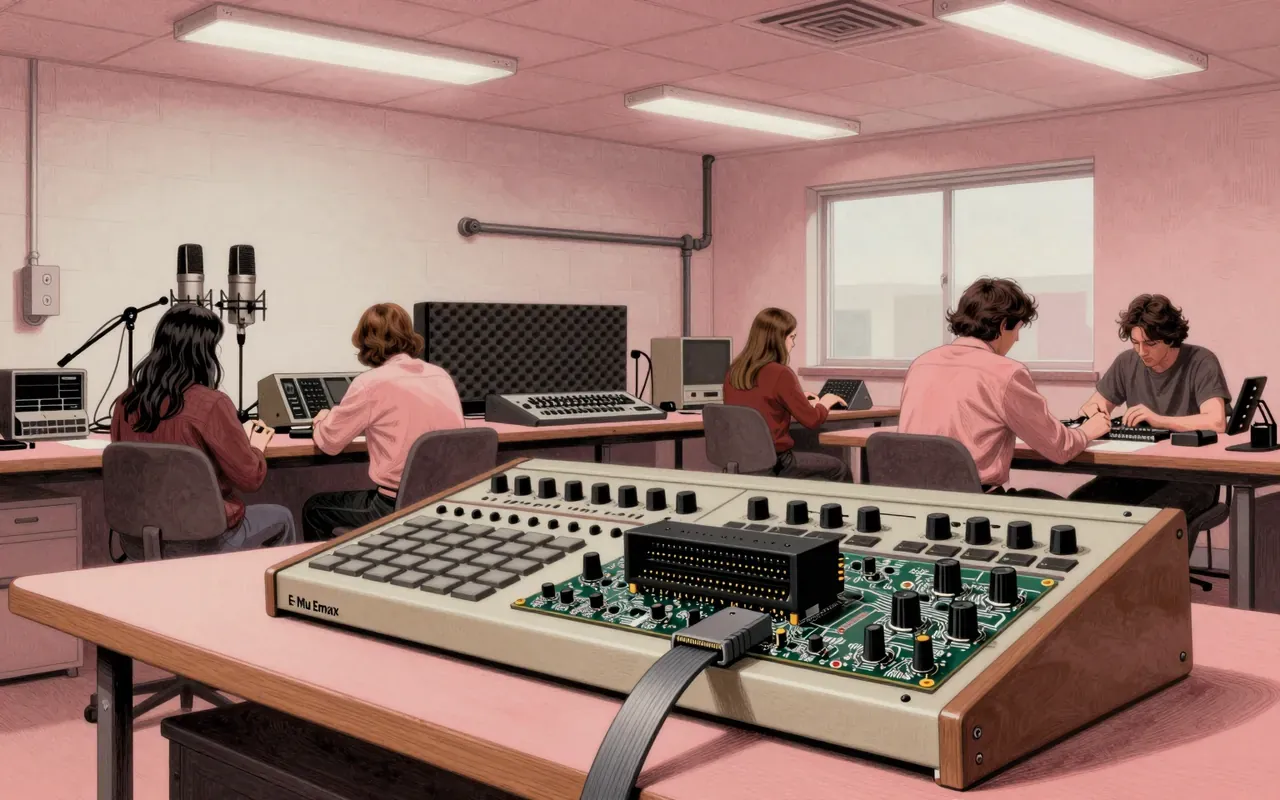
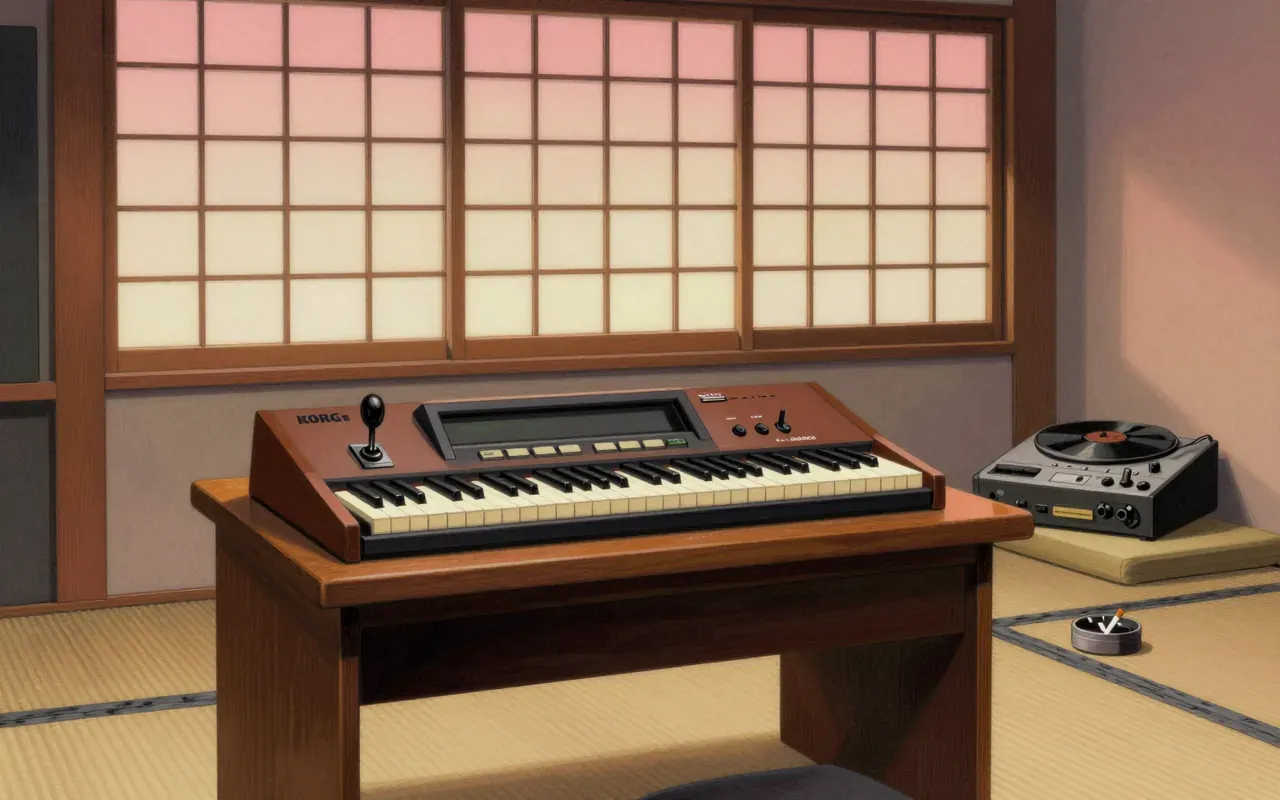
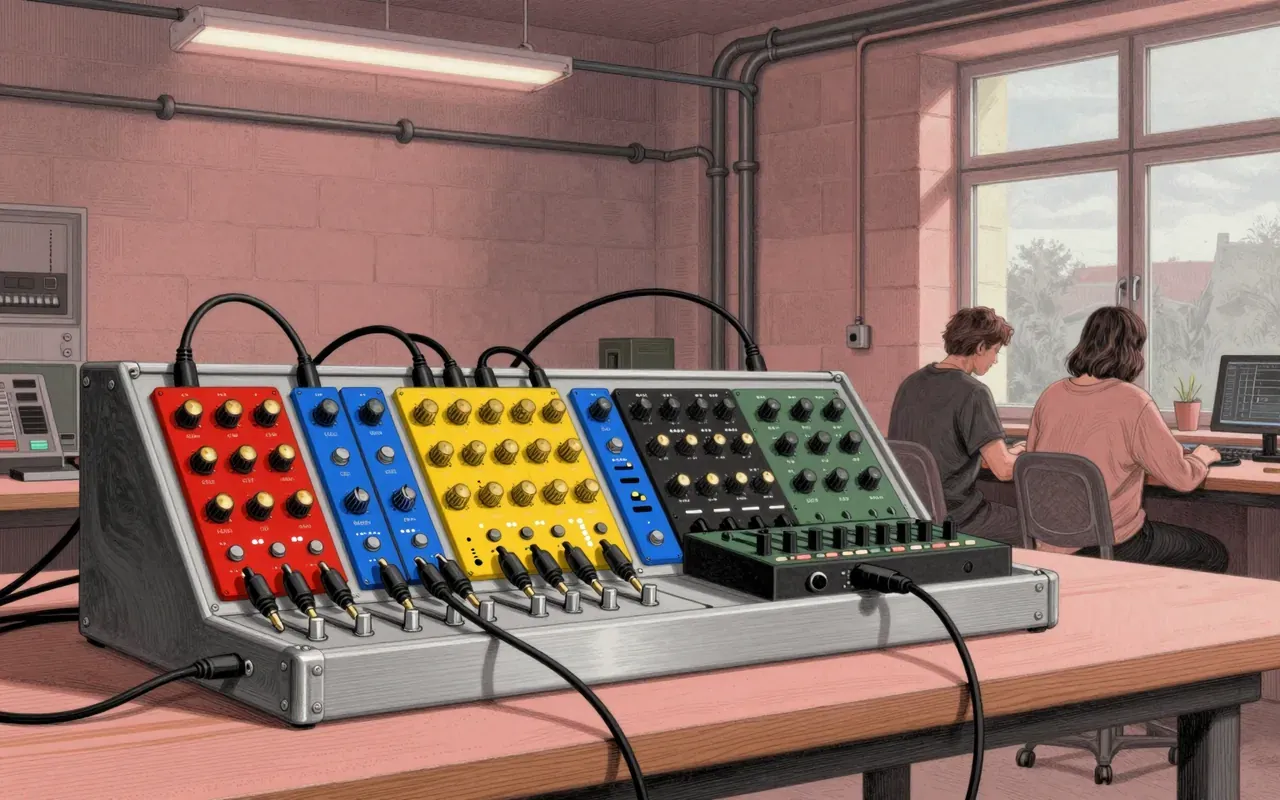
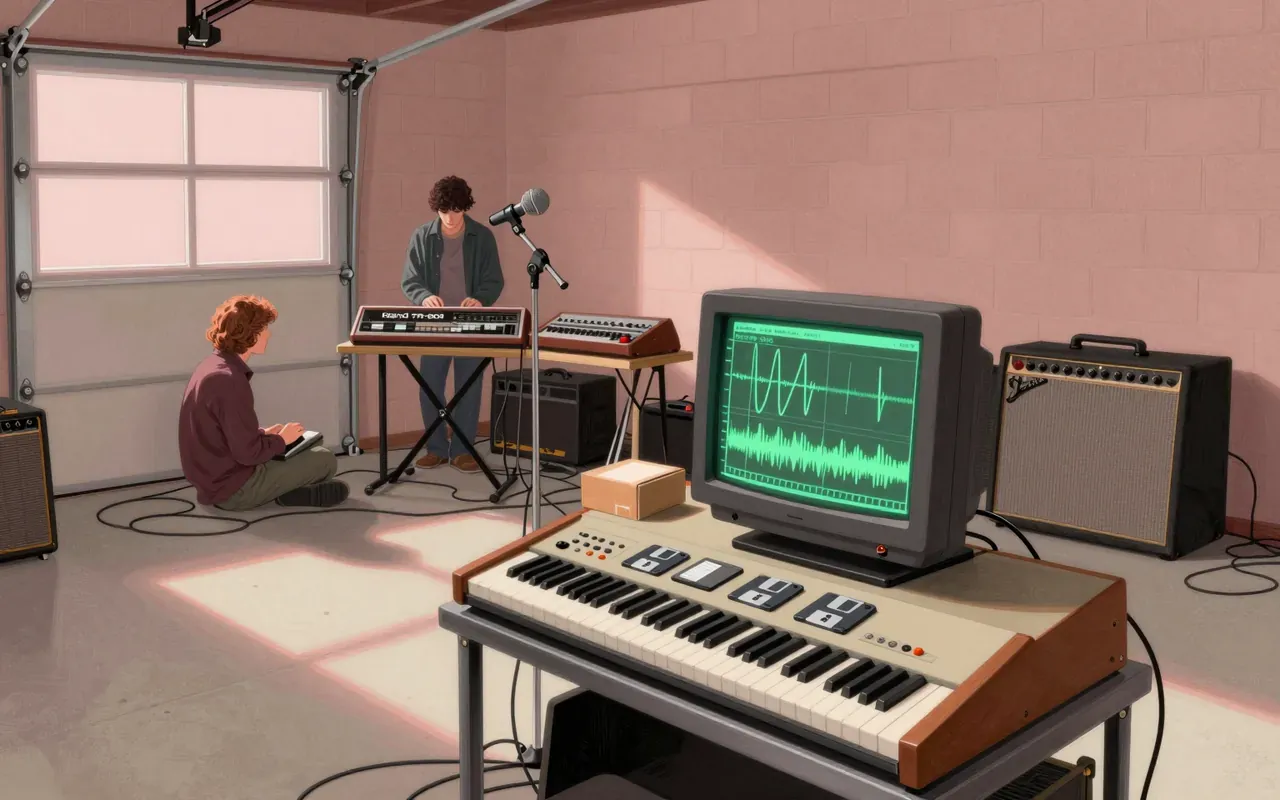
A floppy-disk-based keyboard workstation for sampling, recording, and playing back sounds as musical notes. Built for live practicality and studio accessibility in 1981.
How it works, in terms a player would use
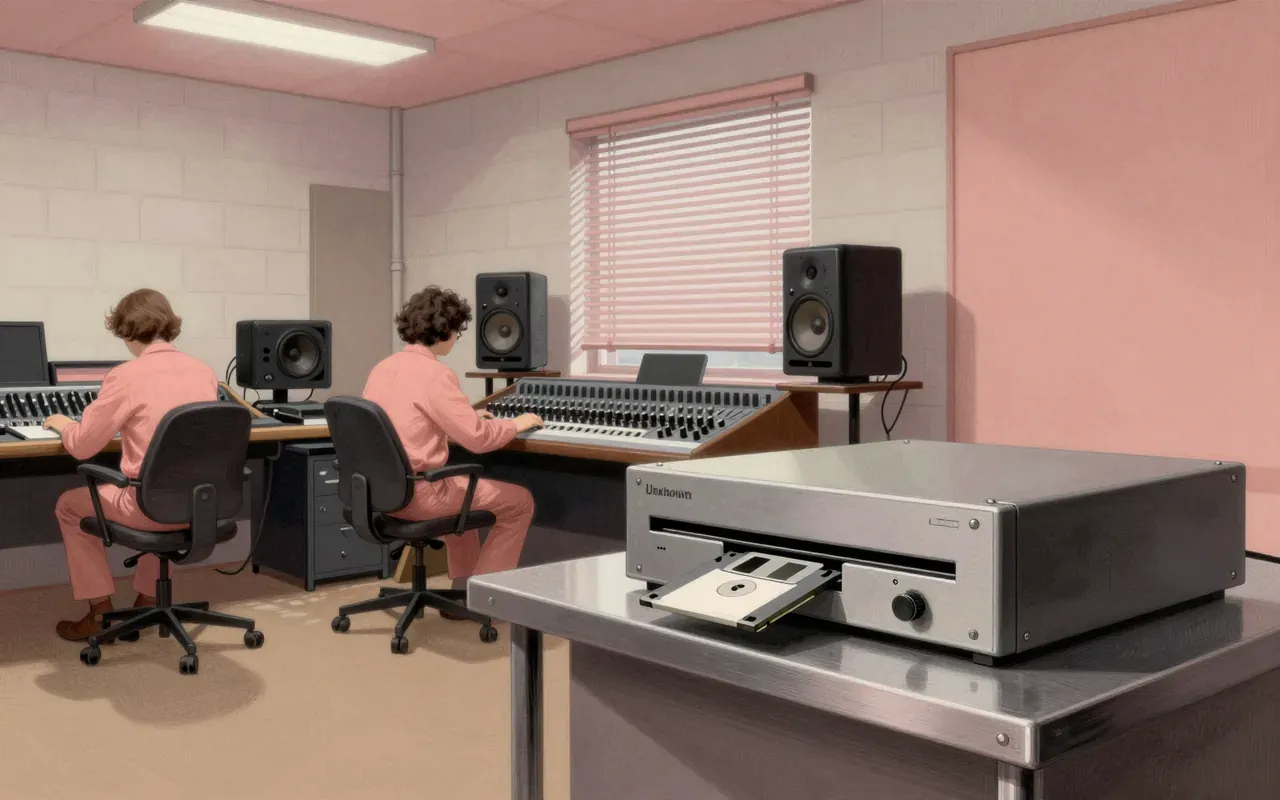
It loads samples from floppy disks. You record a sound, save it to disk, then load it into one side of the keyboard for playback. To play the same sample across the full keyboard, you must load it twice — once per side. It has no VCA envelope generator. Looping is single-point only. The filter is simple. Voice count is fixed at two, four or eight.
What it does better than anything else
It made sampling portable and affordable. It put floppy-based sampling in front of musicians who could not access the Fairlight CMI or Synclavier. It established the template for keyboard-based sample playback with disk storage.
What it does badly
It cannot shape amplitude over time. It cannot crossfade loops. It cannot layer samples. It cannot play a single sample across the full keyboard without duplication. Its eight-bit resolution limits dynamic range and high-frequency detail.
What people made with it
Early hip-hop producers used its gritty, lo-fi textures. Pop and new wave acts used its punchy drum hits and staccato basses. Its limitations forced rhythmic ingenuity and sample economy.
Who should use it, and who should not
Hardware historians, educators teaching sampling origins, and experimental composers seeking deliberate constraint. Not performers needing expressive control, modern producers requiring flexibility, or anyone reliant on real-time editing.
Is it worth your time
Yes — if you want to understand how sampling constraints shaped early digital music. No — if you need polyphonic layering, real-time envelope shaping, or seamless looping.