What it is and what it was built for
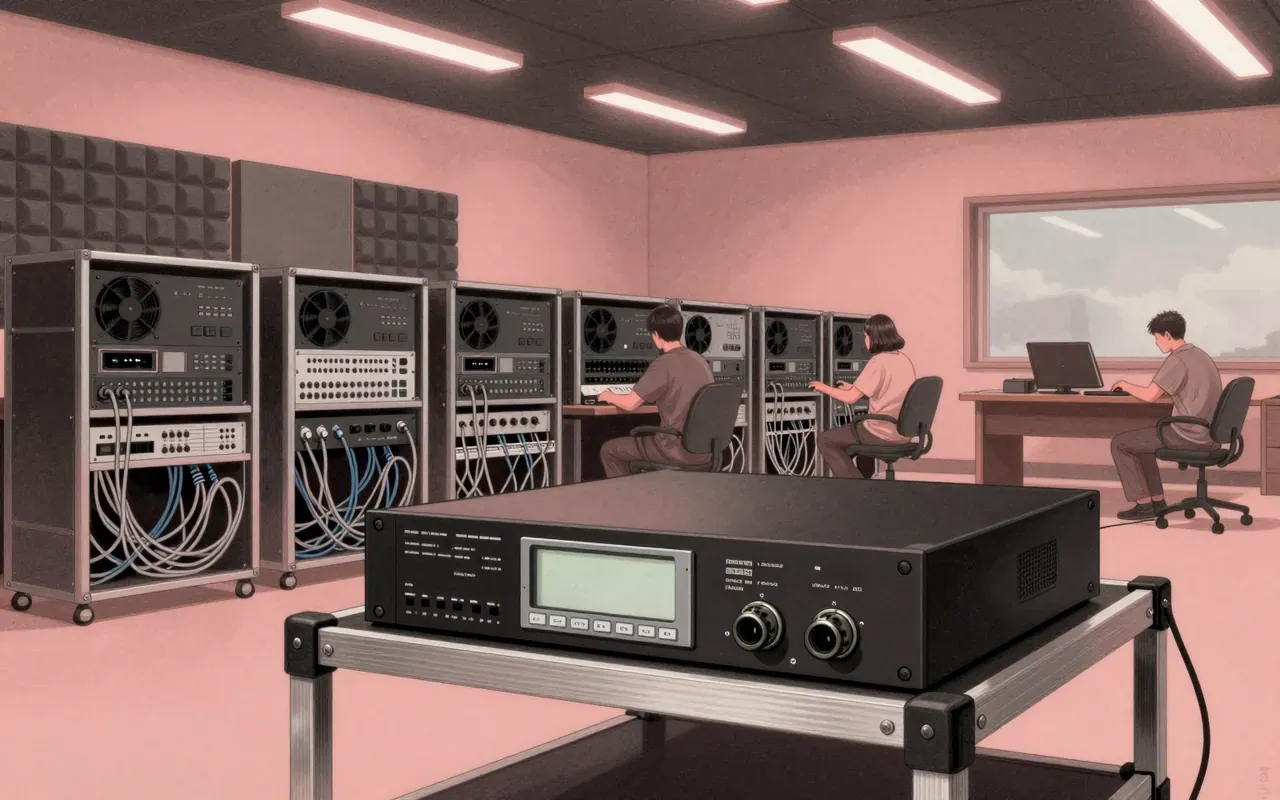
It is a 1993 module-based update of the JD-800. It was built for studio integration: rack-mountable, multitimbral, expandable, and designed to sit behind a master keyboard or sequencer.
How it works, in terms a player would use
It is a module-based PCM sample synthesizer. Programming happens via a front-panel keypad and large LCD. It has four assignable stereo outputs and standard MIDI in/out/through. Expansion boards slot into an internal chassis slot.
What it does better than anything else
It delivers multitimbral, ROM-based PCM textures with greater depth and flexibility than the JD-800—especially when expanded—while retaining the JD-800’s dual sonic character: analogue-remnant warmth and digital precision.
What it does badly
It does not offer hands-on, immediate sound shaping. There are no dedicated filter knobs, envelope sliders, or oscillator controls. Front-panel programming is menu-driven and indirect. It cannot generate sounds outside its 6 MB of fixed PCM waveforms.
What people made with it
The sources do not state what people made with it.
Who should use it, and who should not
Studio producers who value 1990s PCM richness and have patience for menu diving should use it. Live performers who rely on tactile control or instant parameter access should not.
Is it worth your time
Yes—if you need a 1993 multitimbral PCM module that delivers both vintage-analogue-remnant textures and modern-digital ones, and you are comfortable programming via keypad and LCD without real-time knobs or velocity-sensitive controls.