audiobriefs
8:36in productionCh. 1 · Touch First/ 8:36 · ceiling 15 min
DJ gear · Effects & pedals

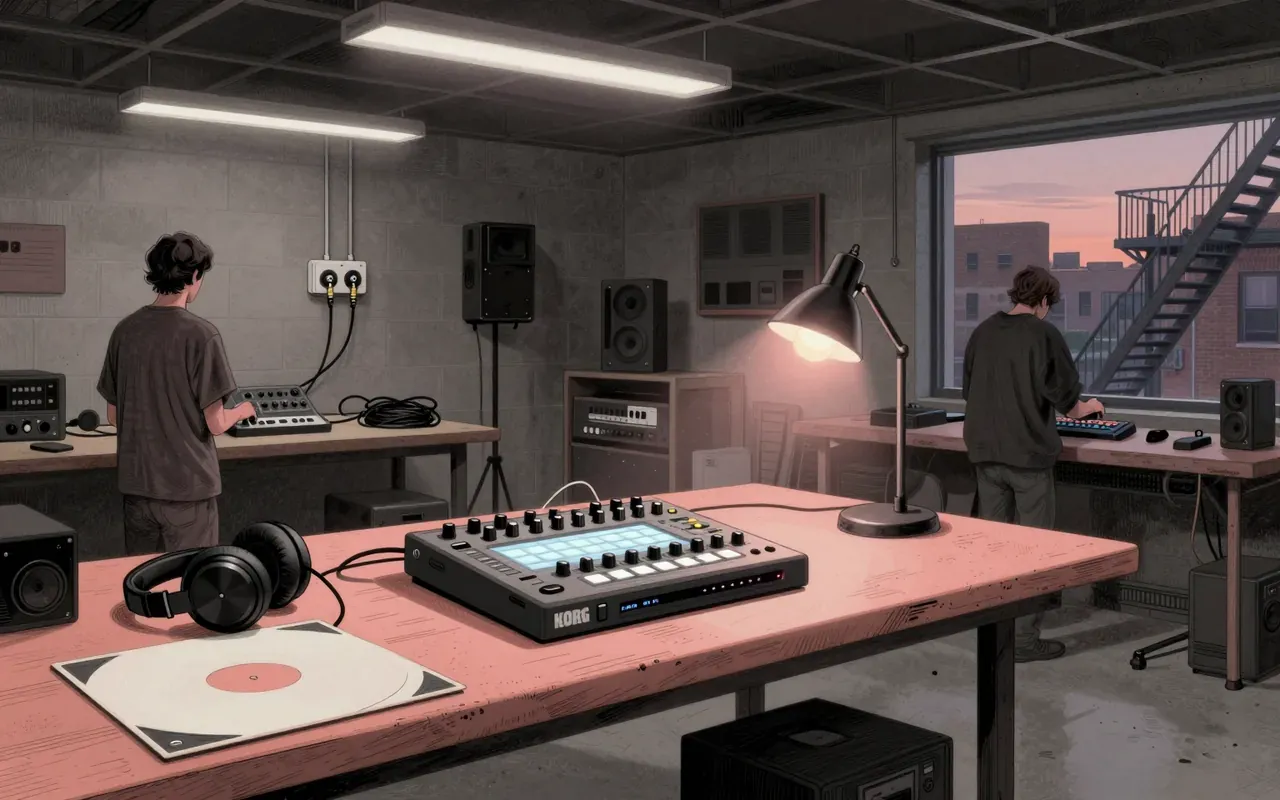
Korg Kaoss Pad KP3

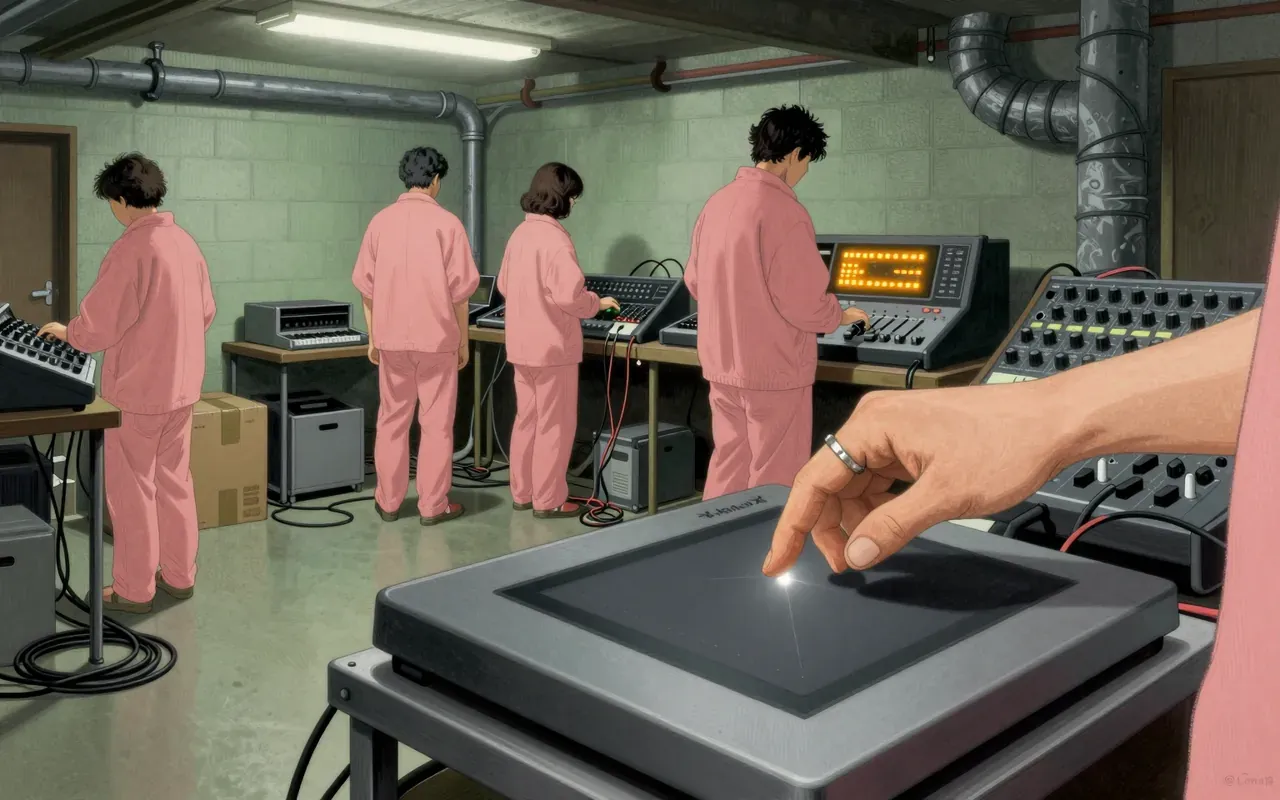
The KP3 trades precision for presence—and wins every time you touch the pad.

The Korg Kaoss Pad 3 is a live-performance effects unit. It uses an X/Y touchpad for real-time control of 128 built-in programs—including reverb, delay, flanger, analog filter, drive circuit, and a vocoder. It samples onboard. Some effects sync to tempo. It functions as a MIDI controller. Connections are RCA only.

Chapters & takeaways4
  1. 0:53
    Touch First

    128 effects, controlled in real time by X/Y touch—not knobs, not menus.

  2. 1:54
    Built-In Voice

    Sample and vocode on the same unit, without external hardware.

  3. 3:51
    Sync + Grit

    Tempo-synced delays and flangers sit alongside analog filters and drive circuits.

  4. 5:15
    Controller Mode

    MIDI out turns the pad into a universal controller for synths, samplers, and DAWs.

Worth your time?

Yes. Use the whole thing.

4/ 5
What works
  • real-time X/Y effect morphing
  • onboard sampling
  • tempo-synced effects
  • vocoder processing
What does not
  • offer parameter displays
  • support balanced or digital I/O
  • allow effect chaining or routing
  • store user-modified presets beyond factory set
Use it if
  • live DJs
  • electronic performers
  • vocal manipulators
Skip it if
  • studio mix engineers
  • producers needing recallable settings
  • anyone without an analogue audio source
The written brief1 min read

What it is and what it was built for

A desktop DJ effects unit built for live performance. It is not a synthesiser, sampler, or DAW—just an effects processor with touch-driven real-time control.

How it works, in terms a player would use

You touch the X/Y pad to morph effects in real time. You trigger samples directly on the unit. You sync effects to tempo. You send MIDI from the pad to other gear.

What it does better than anything else

It delivers instant, expressive, two-dimensional effect modulation unmatched by knob-based units of its era. The combination of sampling, vocoder, and tempo-synced effects on one compact surface is unique.

What it does badly

It offers no parameter readouts or fine-grained control. It lacks input gain staging, level meters, or output routing options. RCA connections limit integration with modern balanced or digital signal chains.

What people made with it

Live DJs layered vocal chops with flanger and drive. Producers triggered one-shot samples while sweeping analog filter sweeps. Performers used the vocoder over mic inputs during sets.

Who should use it, and who should not

Live DJs, electronic performers, and sound designers who value immediacy over precision. Not for studio engineers, producers needing recallable settings, or anyone without a compatible audio source.

Is it worth your time

Yes—if you need tactile, immediate effect manipulation in live DJ or performance contexts. No—if you need deep editing, multitrack routing, or studio-grade fidelity.
Same bench · DJ gear4 of 29
Up next in Audio

Lexicon PCM42

Lexicon · 7:50

A delay unit that refuses to tell you how it delays.

7:50