What it is and what it was built for
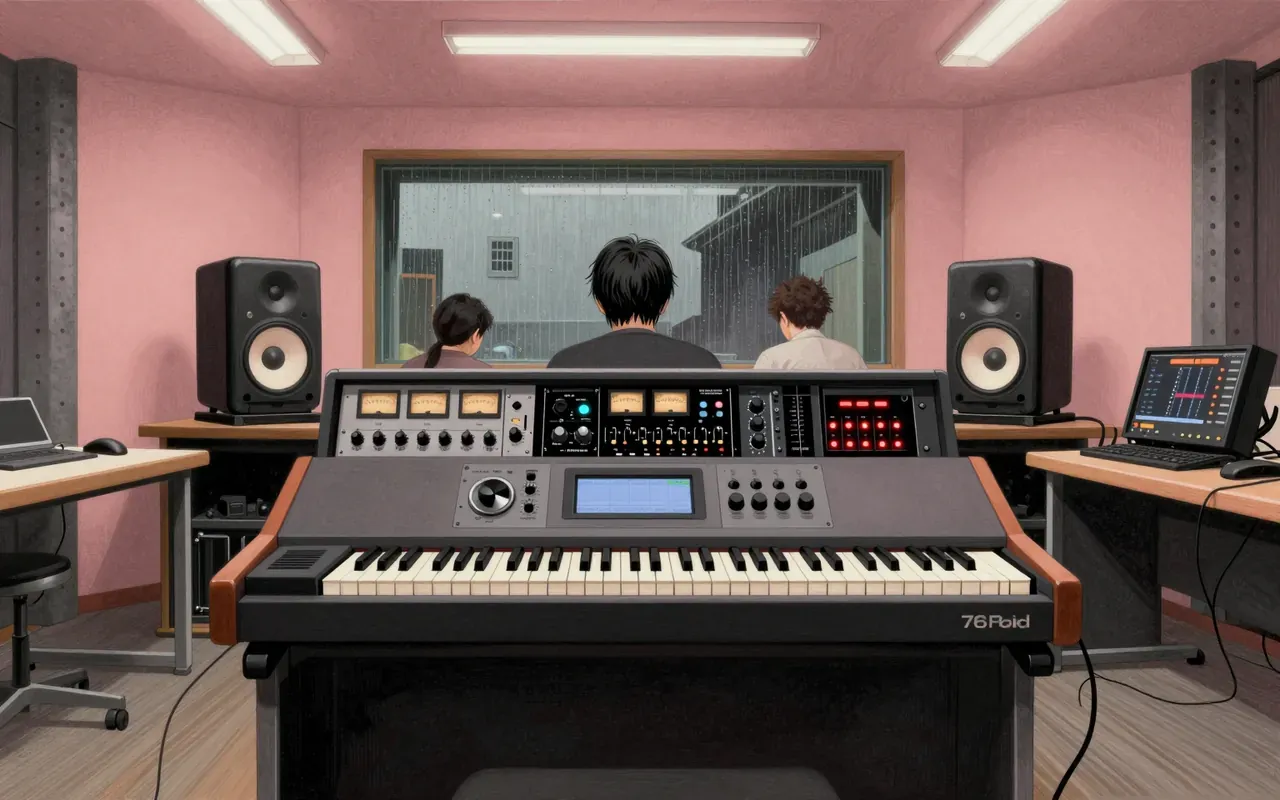
A vector and wavetable synthesizer introduced in 1990. Built as a ‘pure’ synthesizer — not a workstation — for generating rich, evolving, multi-timbral sounds from PCM waveforms.
How it works, in terms a player would use
Wave Sequencing is a programmed list of PCM waves playing in succession. Each step has adjustable duration, pitch, fine tuning, level and crossfade amount. Advanced Vector Synthesis mixes and morphs between up to four oscillators. A wave sequence can jump to any PCM wave in ROM — not just sequential wavetables.
What it does better than anything else
It generates complex, lush timbres and rhythmic sequences that sound like a complete soundtrack from one keypress. It crossfades up to 255 waveforms — far beyond the Prophet VS’s four — and combines wave sequencing with vector synthesis in a way no other digital synth did at launch.
What it does badly
It lacks an onboard sequencer. It offers no real-time filter sweeps, no oscillator count beyond four sources, no analogue-style modulation depth or tactile feedback. It withholds immediate timbral shaping in favour of pre-programmed evolution.
What people made with it
Soundtracks, ambient beds, cinematic pads and rhythmic textures that implied full arrangements. Not drum patterns, basslines or lead lines in isolation — but self-contained sonic events.
Who should use it, and who should not
Sound designers building atmospheric layers. Composers needing instant texture variation. Anyone who values structural complexity over real-time tweakability. Not performers needing responsive filters, envelopes or sequenced phrases.
Is it worth your time
Yes — if you want evolving, multi-layered textures from a single keypress. No — if you need sequencing, real-time recording or subtractive hands-on control.