What it is and what it was built for
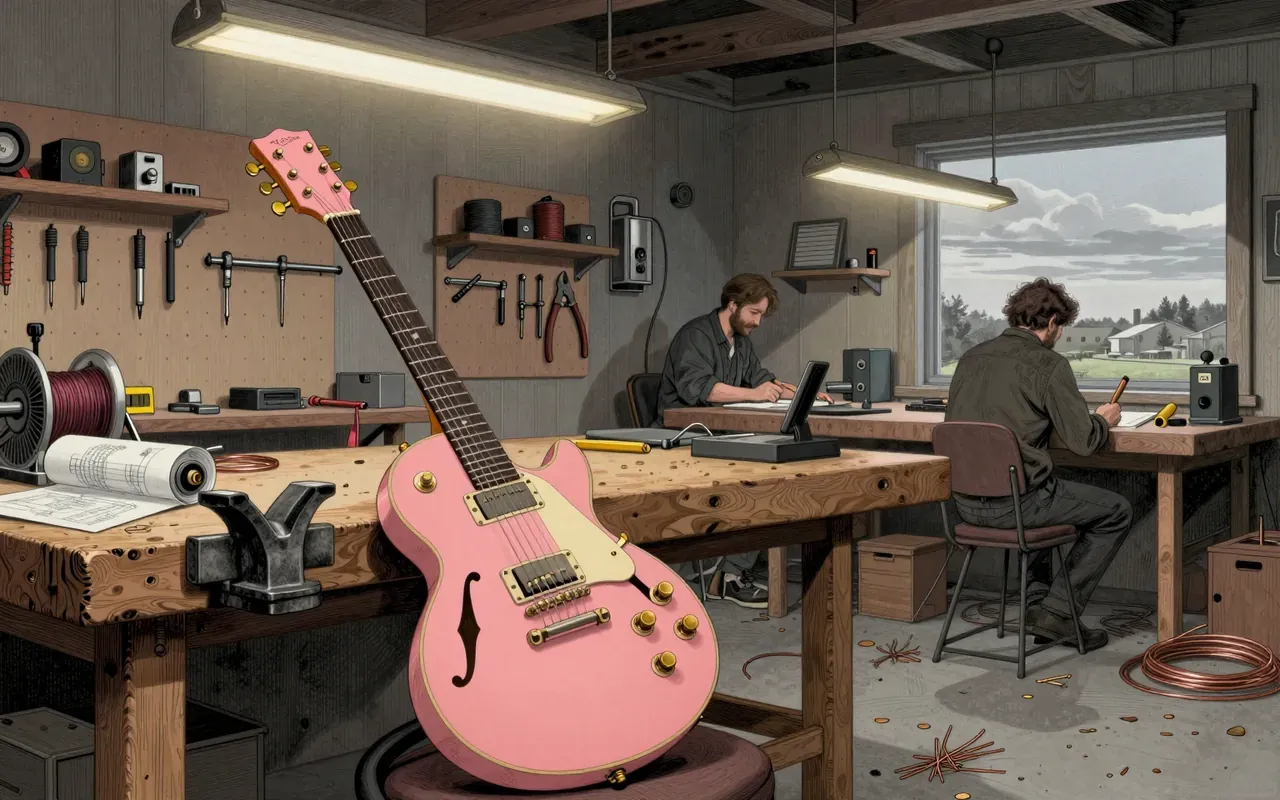
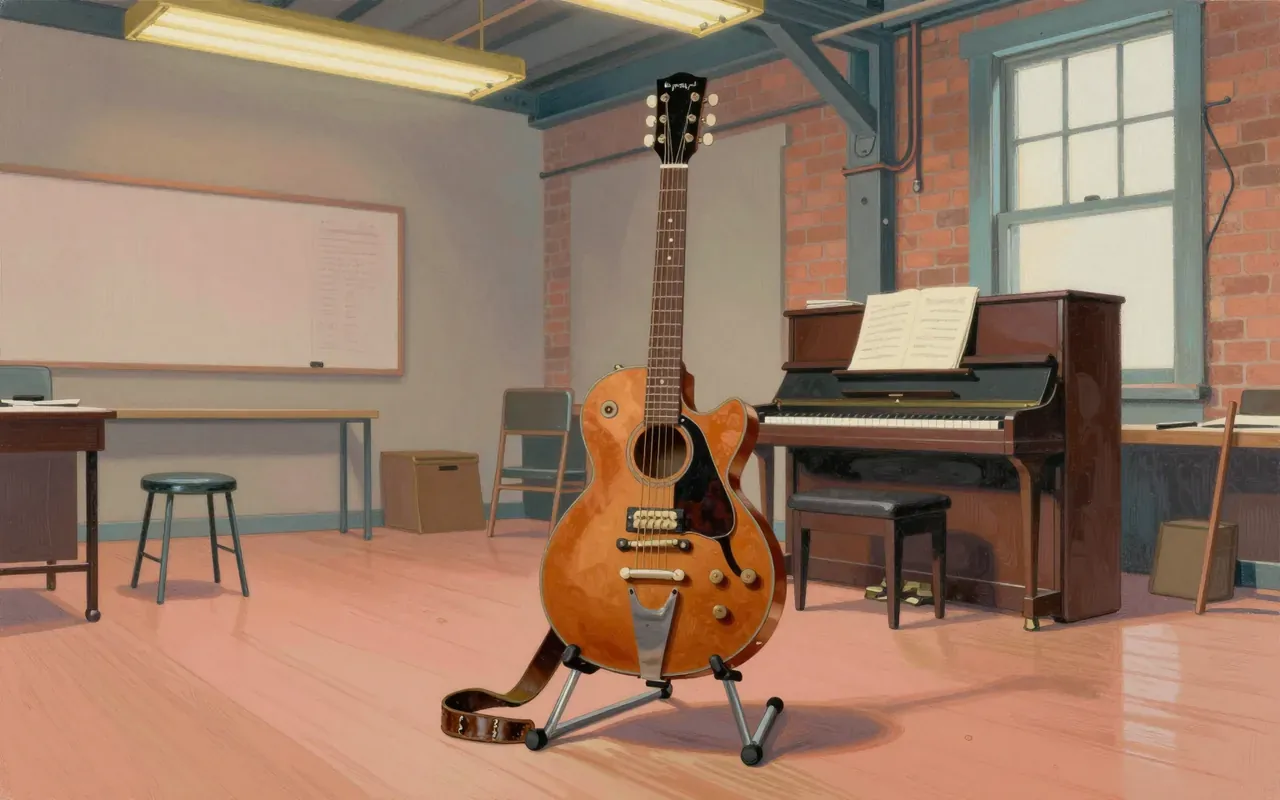
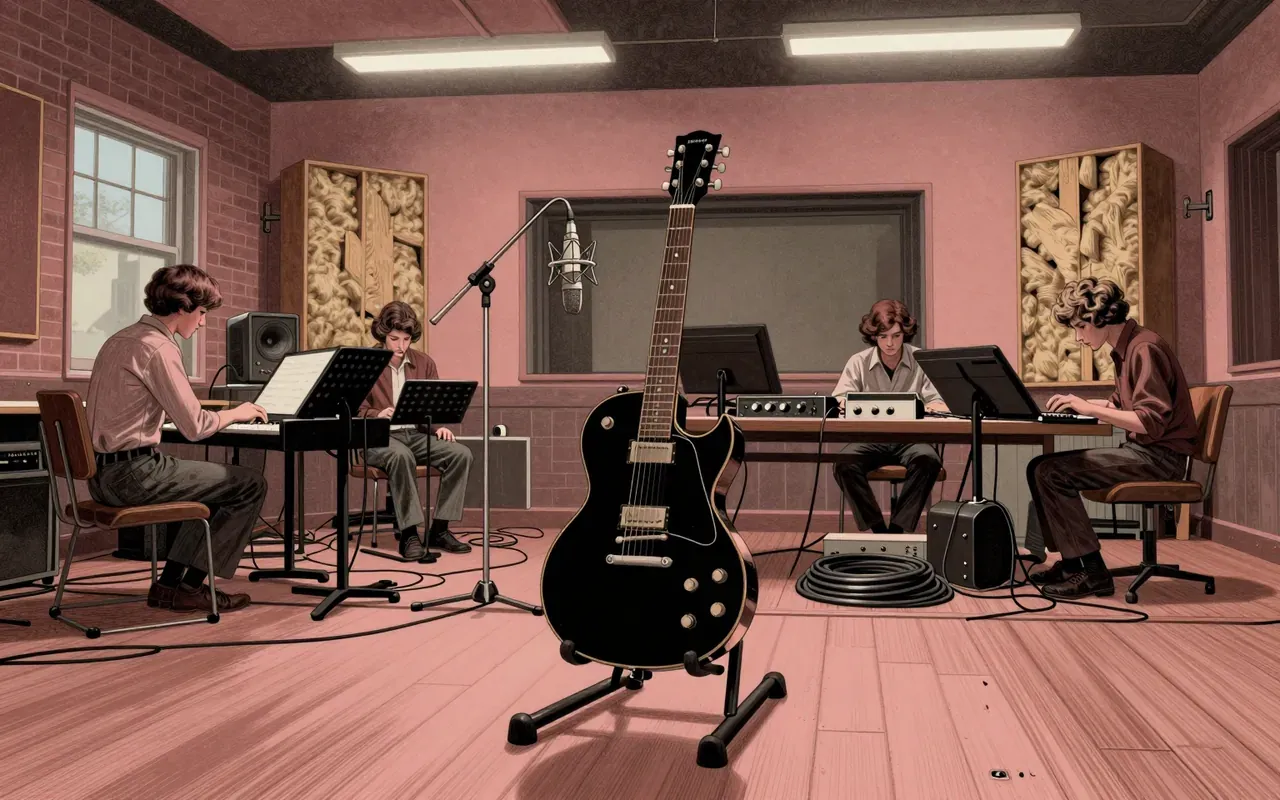
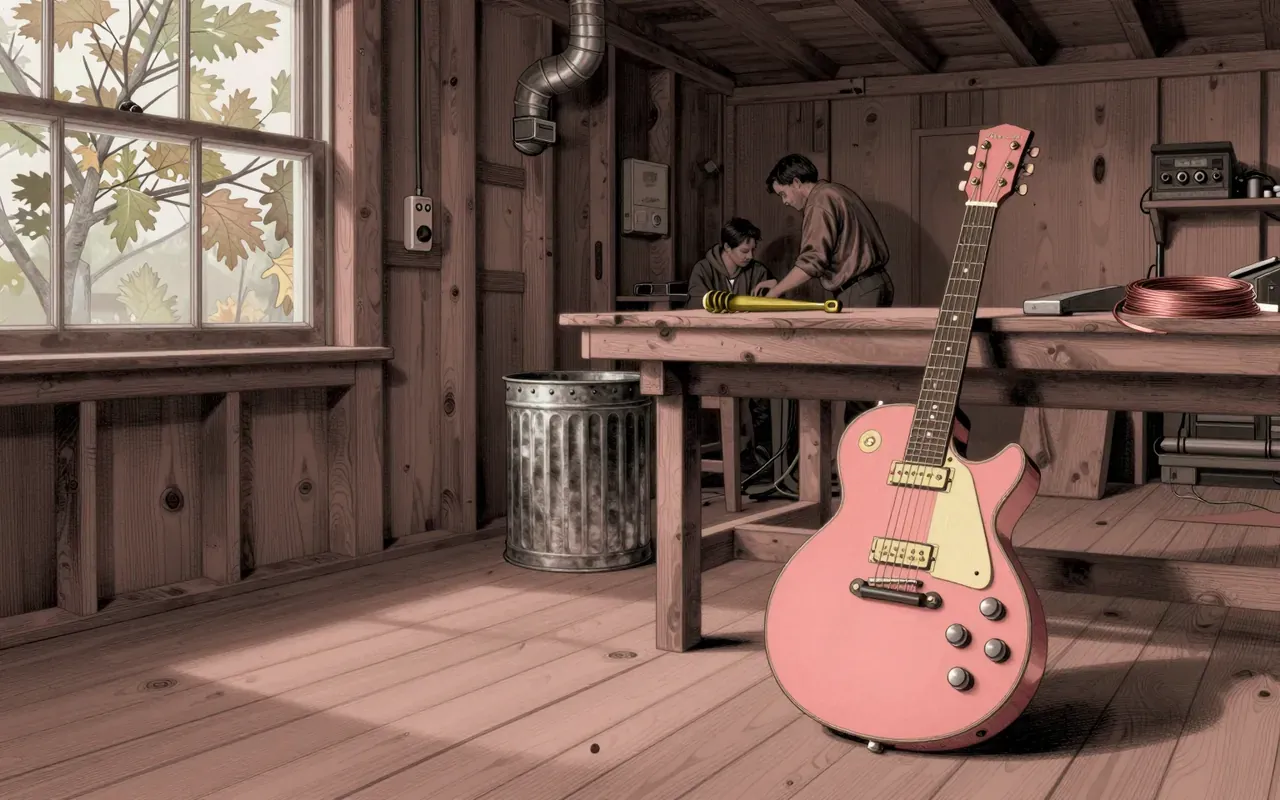
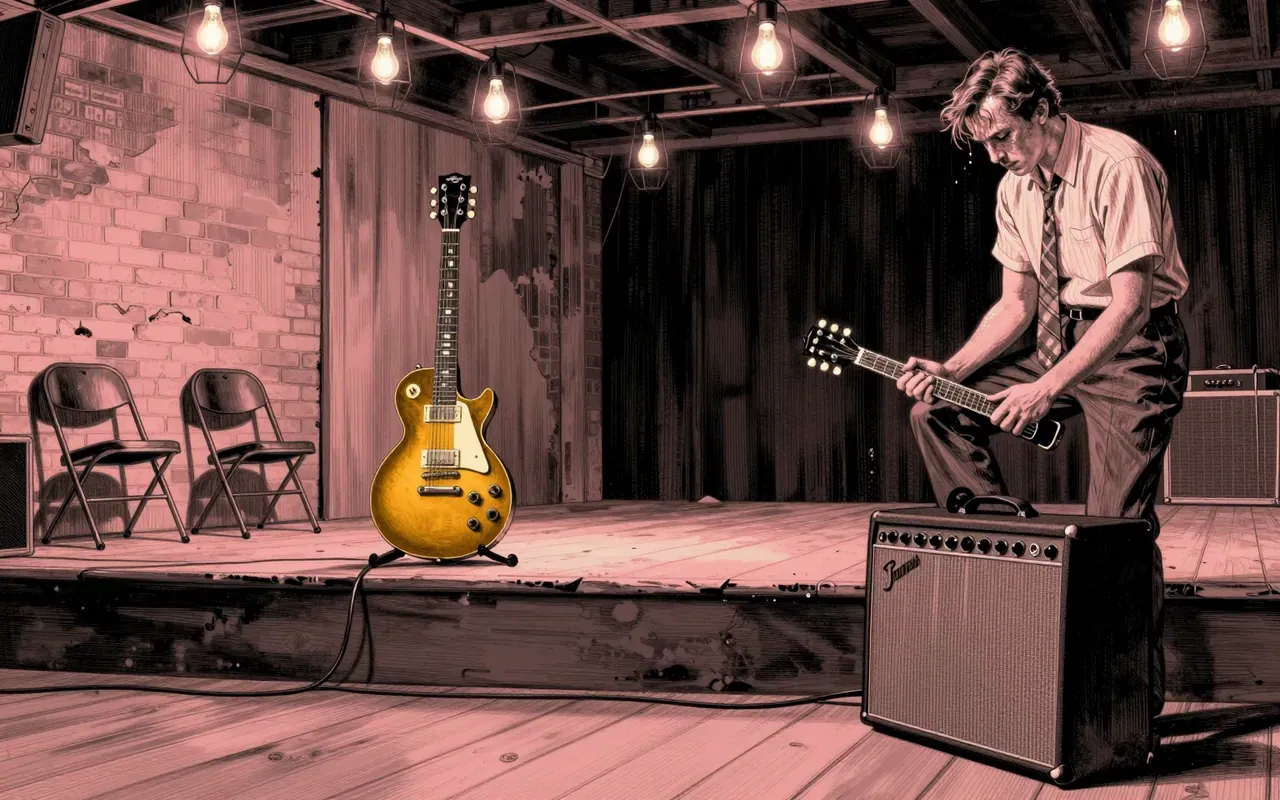
A solid-body electric guitar introduced in 1954 as Gibson’s affordable, entry-level Les Paul.
It was first released with a single-cutaway body, and double-cutaway models followed in 1958. The Junior was originally released in sunburst in mid-1954. In 1955 Gibson launched the Les Paul TV, identical to the Junior except for the name and a “limed oak” finish, later called limed mahogany, which eventually evolved into the opaque mustard yellow known as “TV yellow.” The finish was meant to offer a modern look and a name that promoted The Les Paul & Mary Ford Show on television, not to avoid glare from old TV cameras. The first run of Juniors was discontinued in 1963.
How it works, in terms a player would use
It has one P-90 ‘dog-ear’ pickup at the bridge. One volume knob. One tone knob. No binding. No carved top. A stop tailpiece from the standard Les Paul.
The Les Paul Special has the same body shape but carries two P-90 pickups and Gibson’s standard four-knob, three-way switch electronics.
What it does better than anything else
It delivers raw, immediate overdrive when pushed — faster and more aggressively than most dual-pickup guitars of its era.
What it does badly
It offers no tonal variety beyond what the single P-90 and two knobs deliver. No neck pickup. No pickup selector. No rhythm/lead switching.
What people made with it
Rock and blues players used it in the 1960s and 1970s — drawn to its simplicity and overdriven character.
The P-90 pickup and simple bridge gave the guitar a distinct sound that rock and blues players of the time wanted, among them Leslie West of Mountain, Luther Grosvenor of Spooky Tooth and Mott the Hoople, Johnny Thunders of The New York Dolls and The Heartbreakers, and Glenn Frey of The Eagles. John Lennon’s main guitar in his post-Beatles years was a Junior with a Charlie Christian pickup added at the neck. Martin Barre of Jethro Tull recorded the entire Aqualung album with a 1957 Junior, including the extended guitar solo of the title track. Steve Howe used one with a different bridge on Tales from Topographic Oceans, to overcome tuning problems, and it was his key instrument on sides two, three and four. Billie Joe Armstrong of Green Day also plays one. The double-cutaway model introduced in 1958 nearly doubled Junior sales.
Who should use it, and who should not
Players who value immediacy over flexibility. Not for those needing clean-to-crunch range or multiple pickup voices.
Is it worth your time
Yes — if you want a direct, unfiltered path from string to speaker, with no circuitry to get in the way.
In 1961 the body style shifted and, after conflict between Gibson and Les Paul, these models were renamed the SG Junior. The Junior has since returned in U.S.-made versions with modern touches such as a slimmer tapered neck, and Gibson’s Custom shop has offered period-correct versions with the larger “baseball bat” neck. Epiphone sells lower-cost Juniors with a bolt-on neck and a single humbucking pickup rather than a P-90.