audiobriefs
8:51in productionCh. 1 · The Summer of 1981/ 8:51 · ceiling 15 min
Studio & recording · Studio

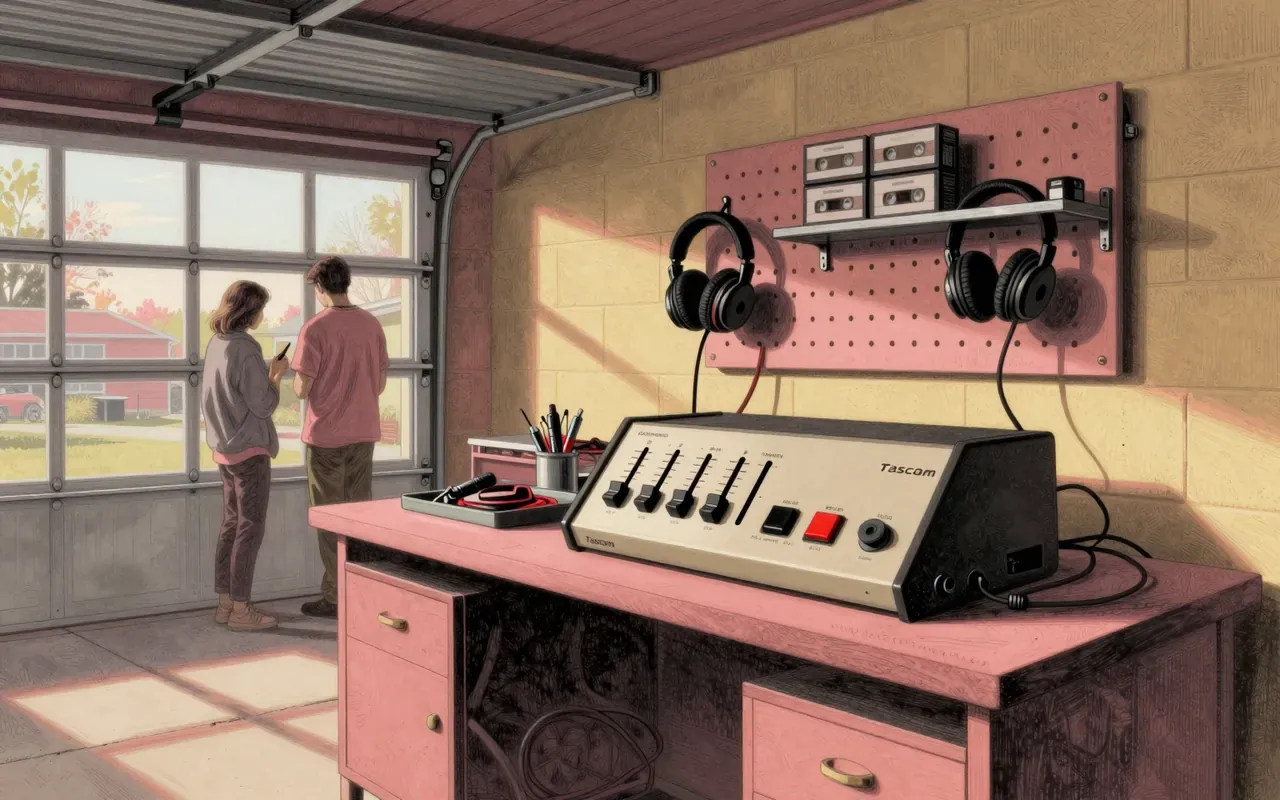
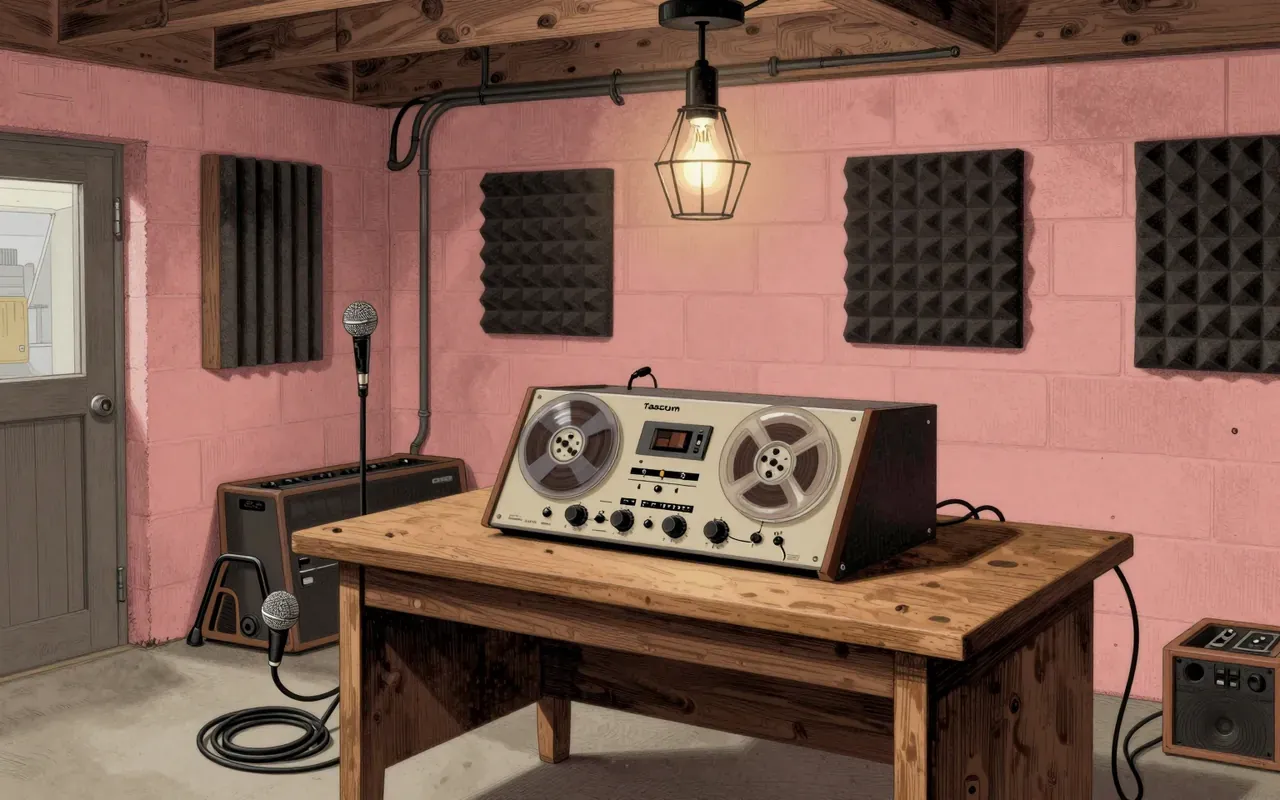
Tascam Portastudio 144

It gave teenagers in 1981 the power to build full songs alone—and punished every sloppy take with tape hiss.

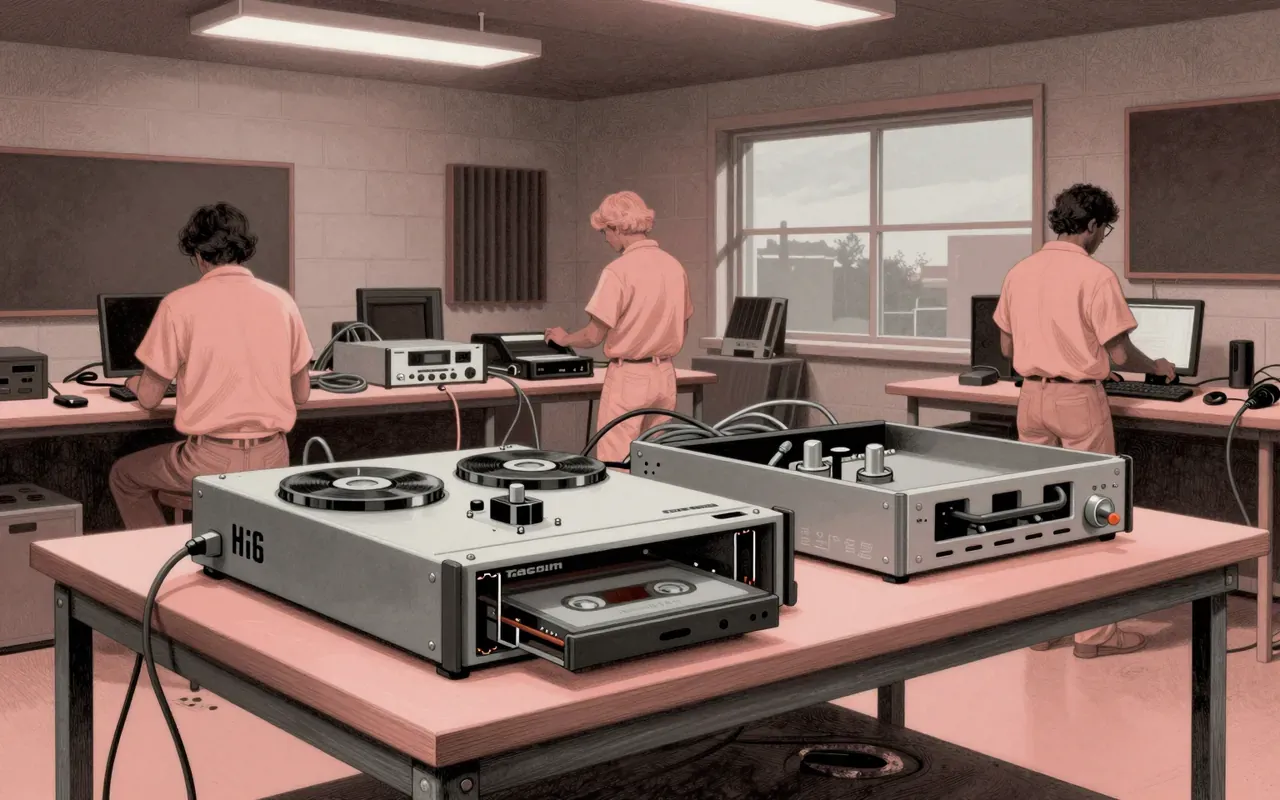
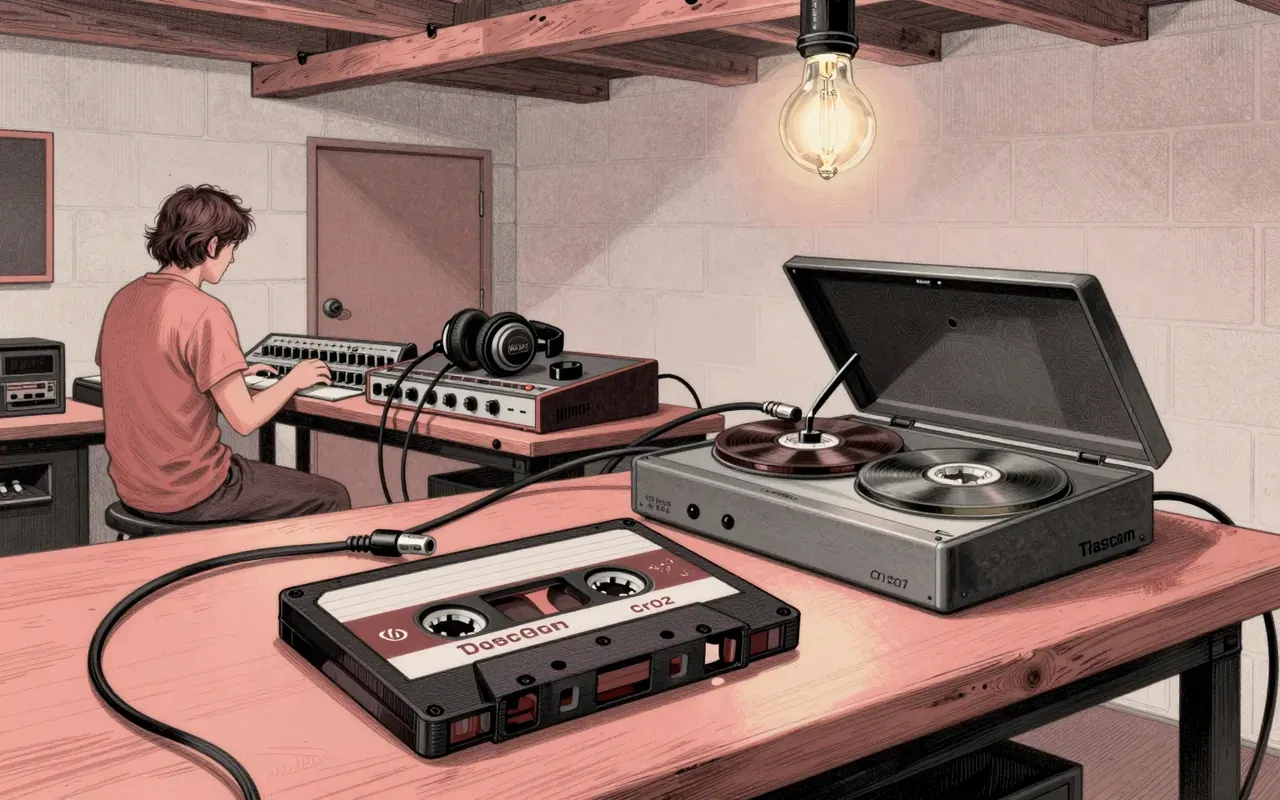
The Tascam Portastudio 144 is a four-track analog cassette recorder. It was used by adolescents for home multitrack recording in 1981. It lacked dBX noise reduction but functioned effectively. It enabled users to record and mix music at home, creating a personal musical environment.

Chapters & takeaways4
  1. 0:54
    The Summer of 1981

    It launched adolescent home recording in 1981.

  2. 2:14
    Your Own Musical World

    It turned bedrooms into self-contained musical worlds.

  3. 3:50
    No Noise Reduction

    No dBX meant hiss stayed in the mix—no hiding.

  4. 5:22
    It Just Worked

    It worked well enough to start a lifelong adventure.

Worth your time?

Yes. Use the whole thing.

3.5/ 5
What works
  • multitrack-discipline
  • tactile-recording
  • bedroom-production
What does not
  • audio/daws-and-software
  • audio/dj-gear
  • audio/effects-and-pedals
  • audio/guitars-and-amps
Use it if
  • beginners
  • tape-purists
  • home-recording-hobbyists
Skip it if
  • professionals
  • noise-sensitive-users
  • digital-first-producers
The written brief1 min read

What it is and what it was built for

The Tascam Portastudio 144 is an analog four-track cassette recorder built for home multitrack recording. It was designed as an entry-level tool for beginners in 1981.

How it works, in terms a player would use

It records four tracks onto cassette tape. You monitor through headphones or line output. You overdub by bouncing tracks down to free up space. There are no digital features, no effects, no automation.

What it does better than anything else

It gives adolescents in 1981 immediate, tactile access to multitrack recording—no studio booking, no engineer, no budget. It turns a bedroom into a functional production environment.

What it does badly

It lacks dBX noise reduction, so tape hiss is audible on quiet passages and between takes. Signal path is basic: no EQ, no compression, no input gain staging beyond a single level knob per track.

What people made with it

Adolescents used it to record and mix their own music at home, building personal musical worlds from scratch.

Who should use it, and who should not

Beginners who want to internalise signal flow, bounce discipline, and tape-based commitment should use it. Anyone needing low-noise operation, editing, or repeatability should not.

Is it worth your time

Yes—if you want to learn multitrack discipline with zero safety net. No— if you need clean headroom, noise reduction, or recall.
Same bench · Studio & recording4 of 146
Up next in Audio

Tascam Portastudio 244

Tascam · 8:43

It degrades your sound with every bounce — and that’s why people loved it.

8:43