What it is and what it was built for
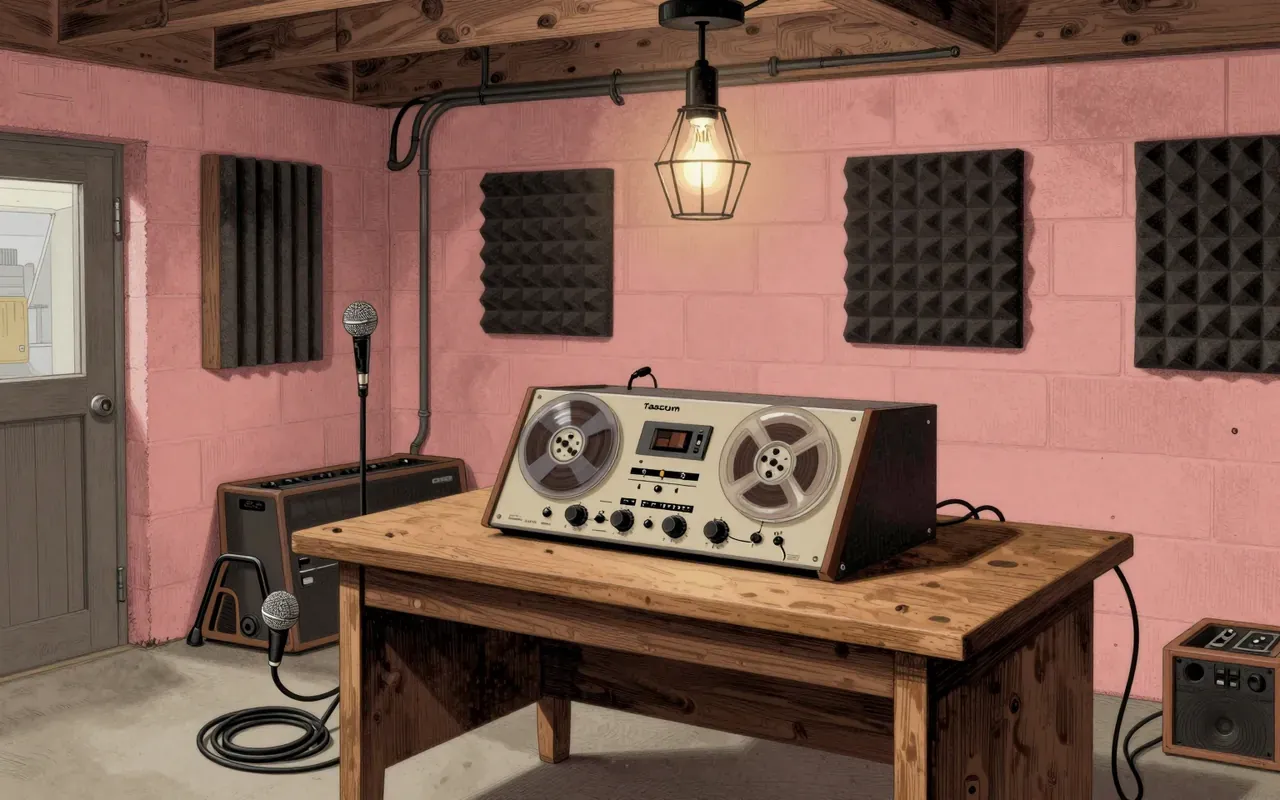
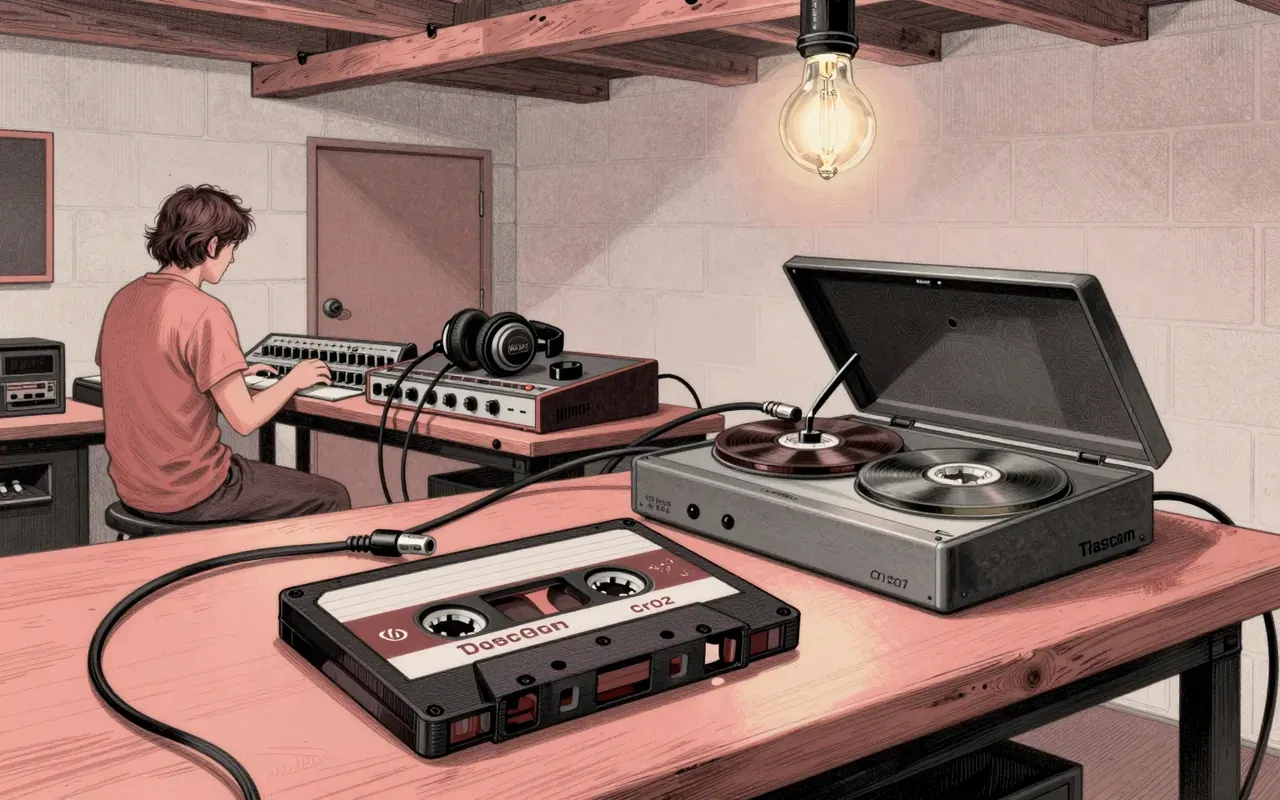
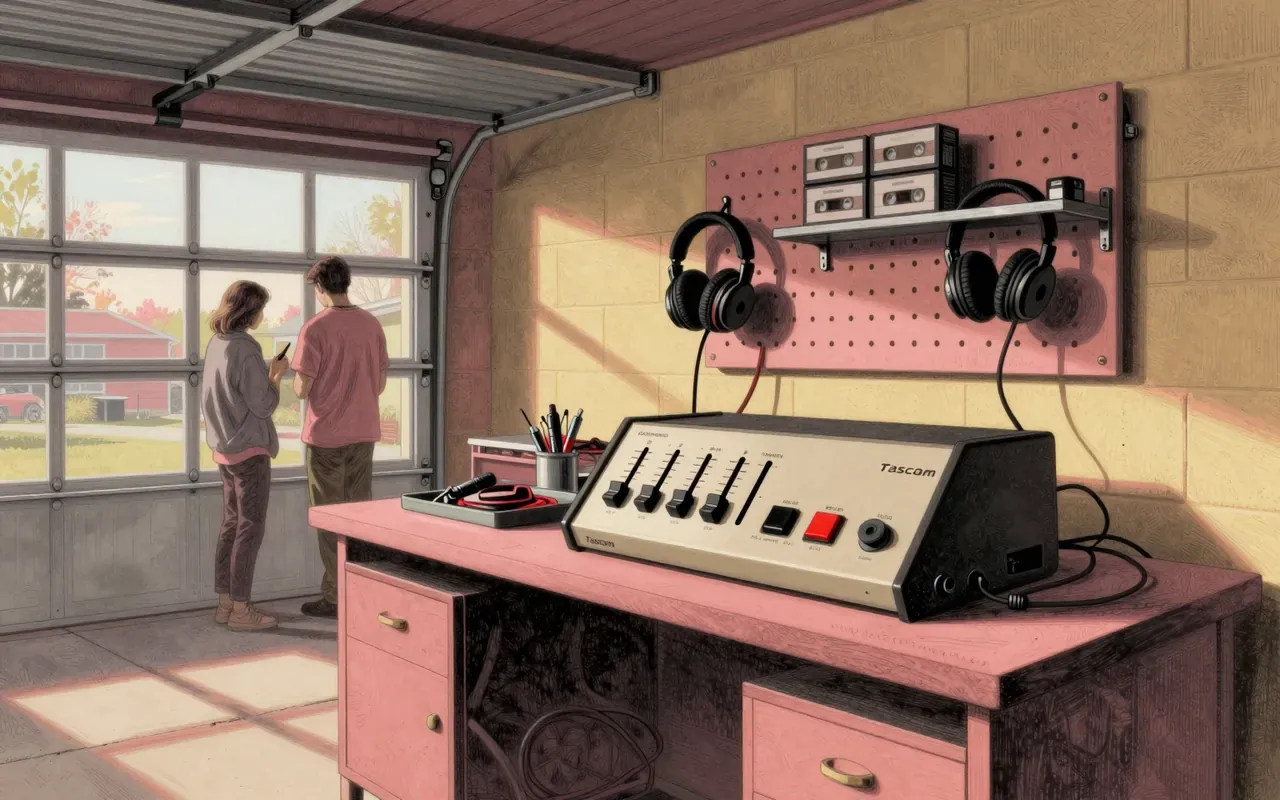
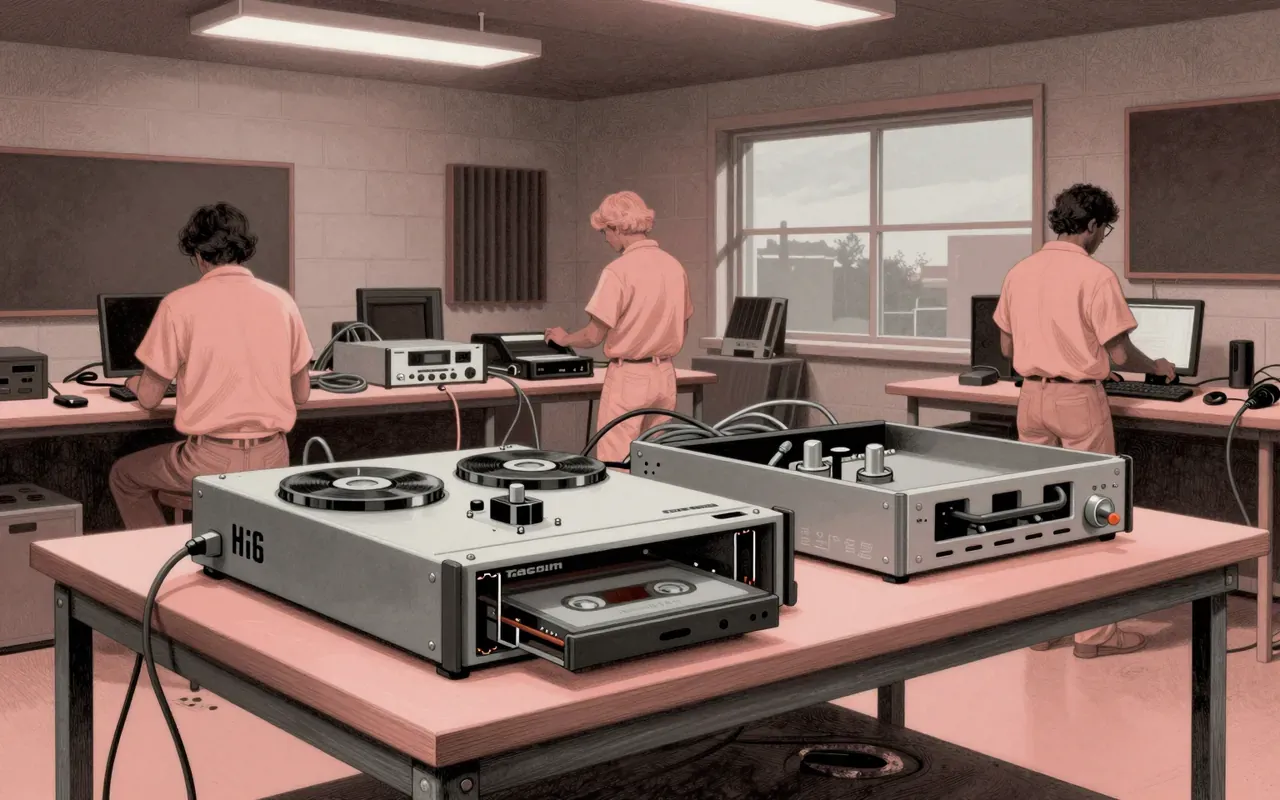
The Tascam DA-88 is a rack-mountable, all-in-one digital multitrack recorder built for project studios in the 1990s. It was designed to replace analogue 8-track tape machines with a digital alternative using Hi8 cassettes.
How it works, in terms a player would use
It records eight tracks simultaneously onto Hi8 cassettes. You connect microphones or line sources via XLR or RCA inputs. Playback and monitoring use the same I/O. Large VU meters show signal level in real time. It is rack-mounted and self-contained — no external converters, interfaces or computers needed.
What it does better than anything else
It captures eight discrete, simultaneous digital tracks with stable timing and no CPU load. The signal path is fixed and transparent — what goes in comes out unchanged, except for tape saturation at high levels.
What it does badly
It cannot edit within a track. You cannot move, copy or trim audio without bouncing to another tape. There is no automation, no effects processing, and no track naming or metadata. Tape wear, dropouts and head alignment degrade reliability over time.
What people made with it
Musicians used it to record full band takes, overdub vocals and guitars, and bounce down to stereo masters — often as the sole recording device in home studios.
Who should use it, and who should not
Home recordists who value immediacy, tactile workflow and analog-adjacent discipline. Not for producers who rely on comping, time-stretching, plugin effects or session portability.
Is it worth your time
Yes, if you want hands-on, tape-based multitrack recording with zero latency and no software dependency. No, if you need non-linear editing, track recall, or integration with modern DAWs.