What it is and what it was built for
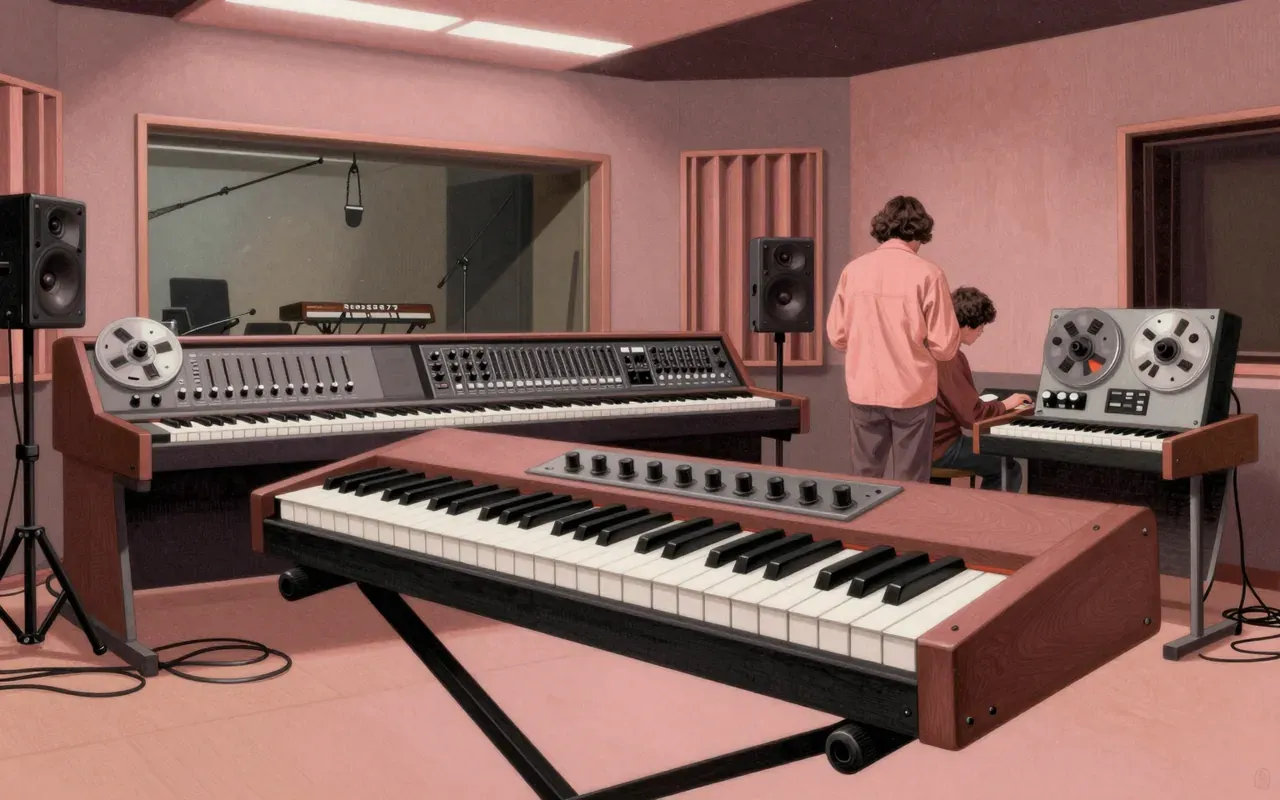
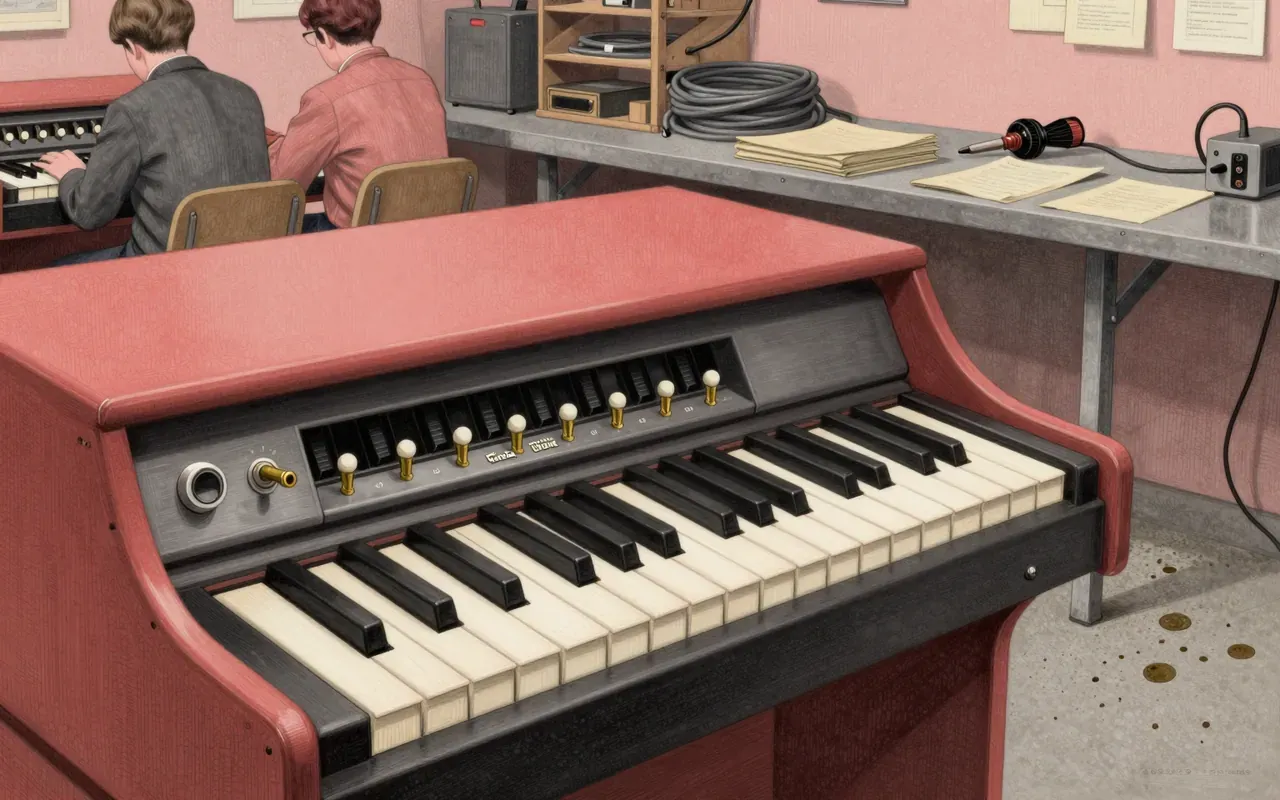
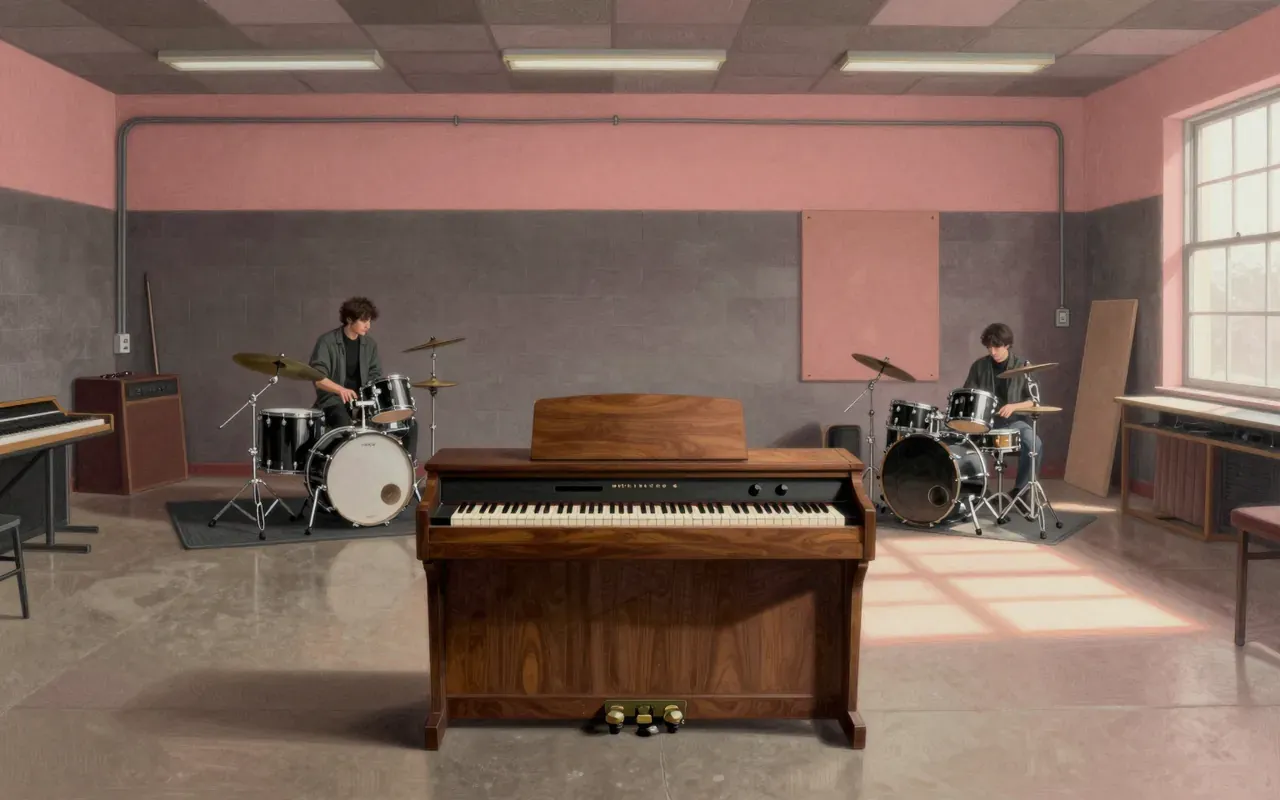
The Wurlitzer 200A is a 73-key electro-mechanical electric piano built for stage portability and direct performance. It was designed to be carried, plugged in, and played — with no setup beyond plugging in the sustain pedal and turning a knob.
How it works, in terms a player would use
It has 73 keys. It uses electro-mechanical reeds to generate sound. It has built-in speakers and output jacks for external amplification. It has a sustain pedal, carrying handles, and two knobs: one for volume, one for tremolo speed. The tremolo is built-in and adjustable.
What it does better than anything else
It delivers a uniquely recognizable tone with unmatched tactile keyboard action. Its integrated tremolo and volume controls give immediate, hands-on expression without external gear.
What it does badly
It offers no tone-shaping beyond tremolo speed and volume. It has no equalisation, no filter, no attack or decay control. Its single-speaker design limits spatial response. It cannot be silenced for silent practice.
What people made with it
People made soul, funk, and rock recordings with it. Its tone appears on records where a bright, cutting, slightly nasal electric piano sound cuts through dense mixes.
Who should use it, and who should not
Players who value physical immediacy, road-worthiness, and a fixed but distinctive voice should use it. Players who need studio-grade routing, silent practice, or tonal variation should not.
Is it worth your time
It is worth your time if you need a portable, tactile electric piano with immediate tremolo and volume control. It is not worth your time if you require stereo outputs, headphone monitoring, or tonal flexibility beyond tremolo and volume.