What it is and what it was built for
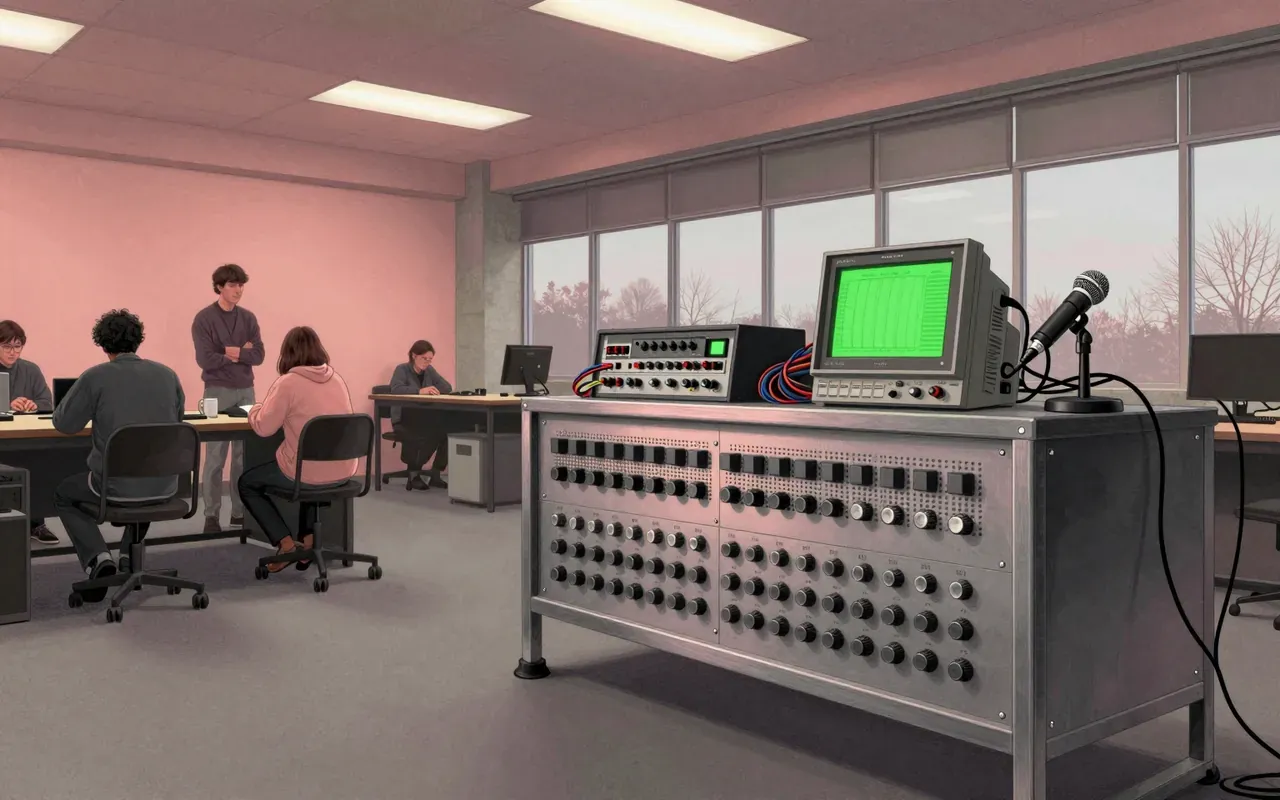
The ARP 2600 is an analog, semimodular synthesizer introduced in 1971. It was built for classrooms: high schools and universities needed a robust, teachable synth with visible signal paths.
How it works, in terms a player would use
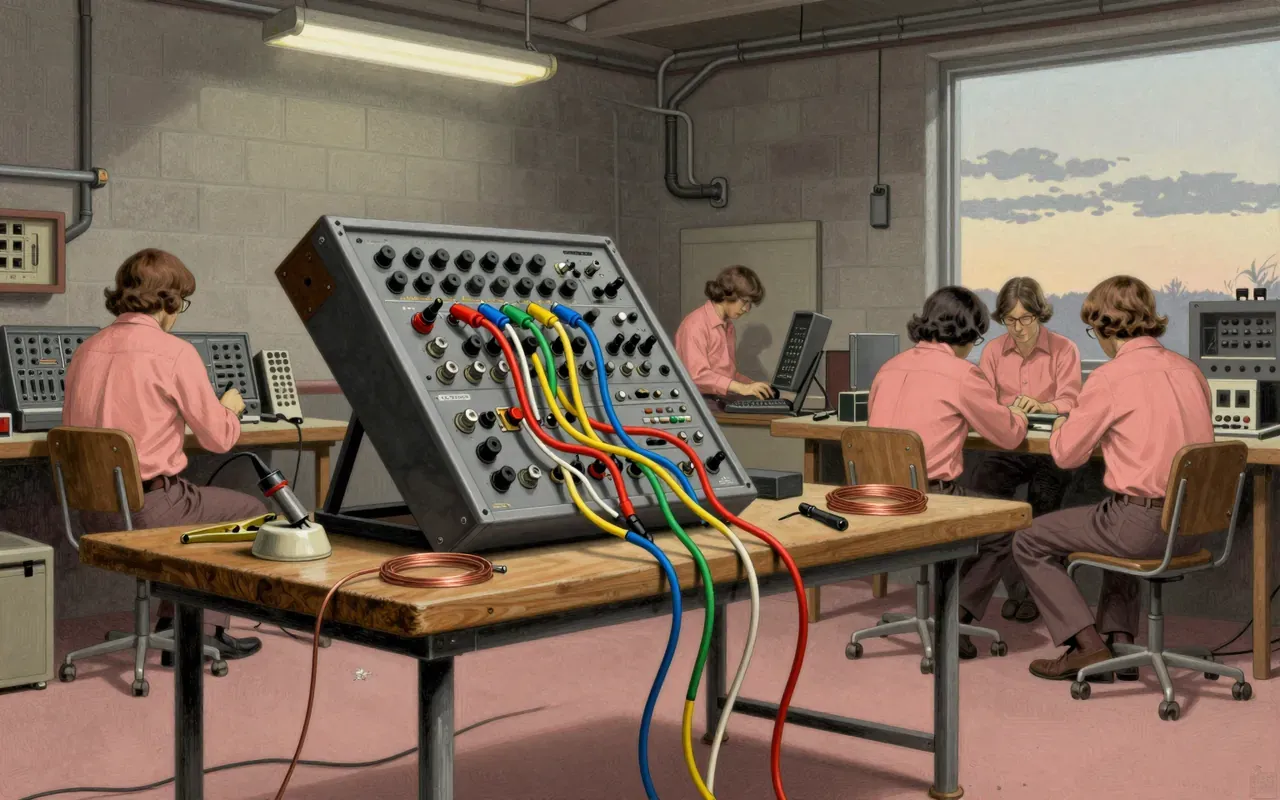
It routes audio and control signals through patch cords that override prewired internal connections. Front-panel graphics show signal flow between sections. Players alter timbre, pitch, and modulation by plugging cords into jacks labelled with function names.
What it does better than anything else
It teaches synthesis more clearly than any other instrument of its era. Its front-panel graphics and prewired-but-patchable design make signal flow legible at a glance.
What it does badly
It is duophonic only. It lacks memory for patches. Tuning drifts. The original 4012 filter was legally contested and replaced mid-production.
What people made with it
The sources do not specify what people made with it.
Who should use it, and who should not
Students, educators, and sound designers who value tactile learning over speed or convenience. Not performers needing reliability, polyphony, or quick recall.
Is it worth your time
Yes—if you want hands-on, visual feedback while learning synthesis. No—if you need polyphony, preset recall, or stable tuning for live performance.