What it is and what it was built for
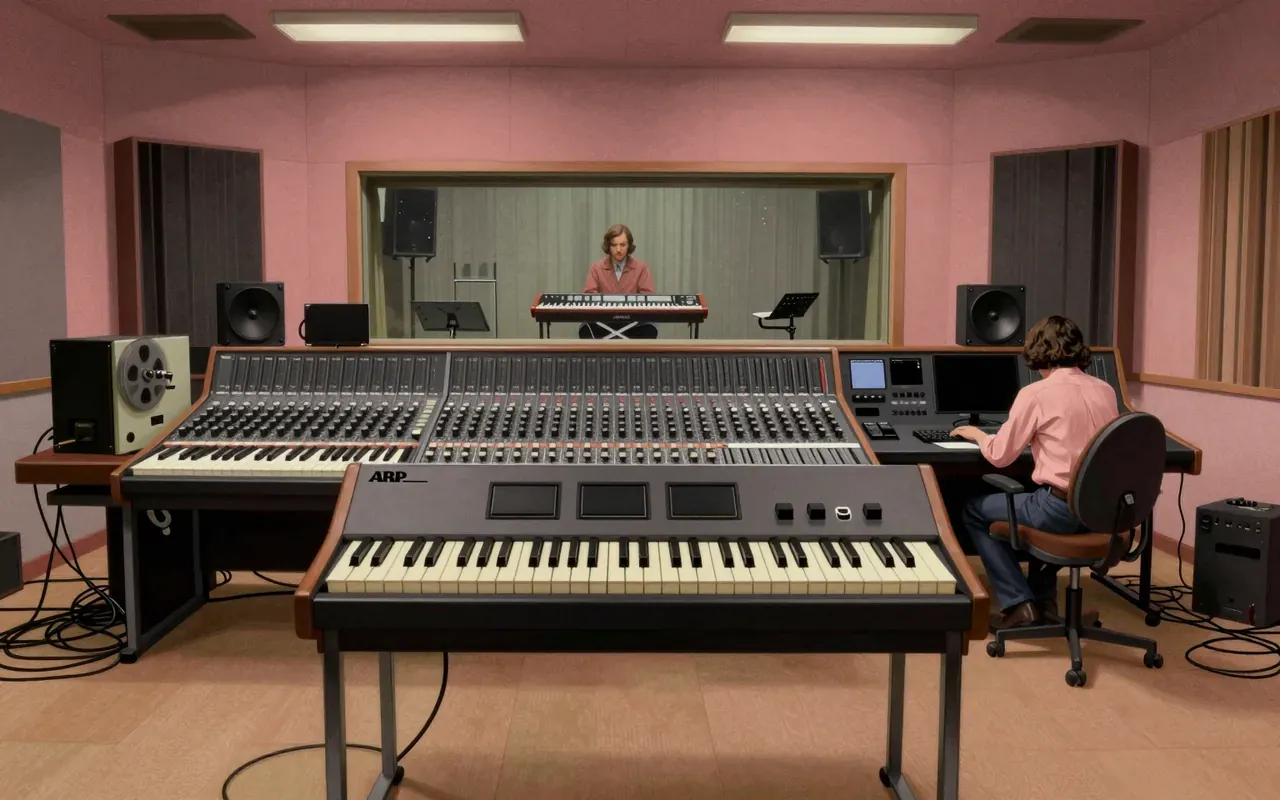
ARP Instruments was a US manufacturer of analog synthesizers launched in 1970. It built instruments for performers who needed reliability, portability, and intuitive signal flow—especially touring musicians.
How it works, in terms a player would use
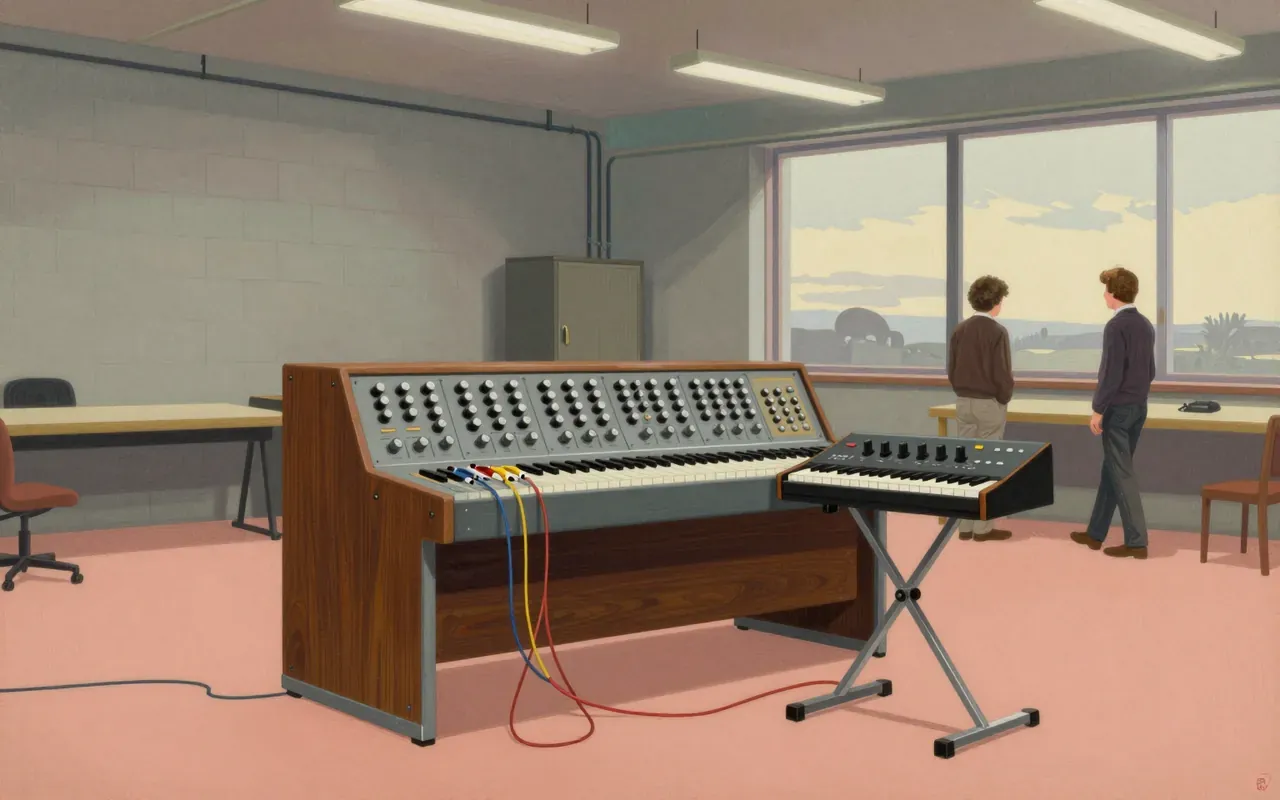
ARP synthesizers use normaled signal paths, matrix-switching instead of patch cords, or top-octave divide-down oscillators. The 2500 uses a matrix grid to route signals. The 2600 uses normaled connections that default to common routings unless overridden. The Omni uses organ-style divide-down oscillators for polyphony.
What it does better than anything else
ARP synthesizers stay in tune better than Moogs due to superior oscillator design. They deliver excellent sounding, innovative instruments with patented technologies.
What it does badly
The 2500’s matrix switching causes crosstalk between signal paths. The Omni’s divide-down architecture limits timbral independence across voices. None offer full programmability or memory storage.
What people made with it
Musicians used the Odyssey as a portable alternative to the Minimoog. The Omni became ARP’s best-selling synth, competing with the Polymoog in the polyphonic keyboard space.
Who should use it, and who should not
Use it if you value stable tuning, tactile signal routing, and vintage analog character with minimal drift. Avoid it if you require noise-free patching, per-voice filter control, or modern recall and layering.
Is it worth your time
Yes—if you want stable tuning and hands-on analog synthesis with clear routing logic. No—if you need deep patchability without crosstalk, or true polyphonic synthesis beyond organ-derived timbres.