What it is and what it was built for
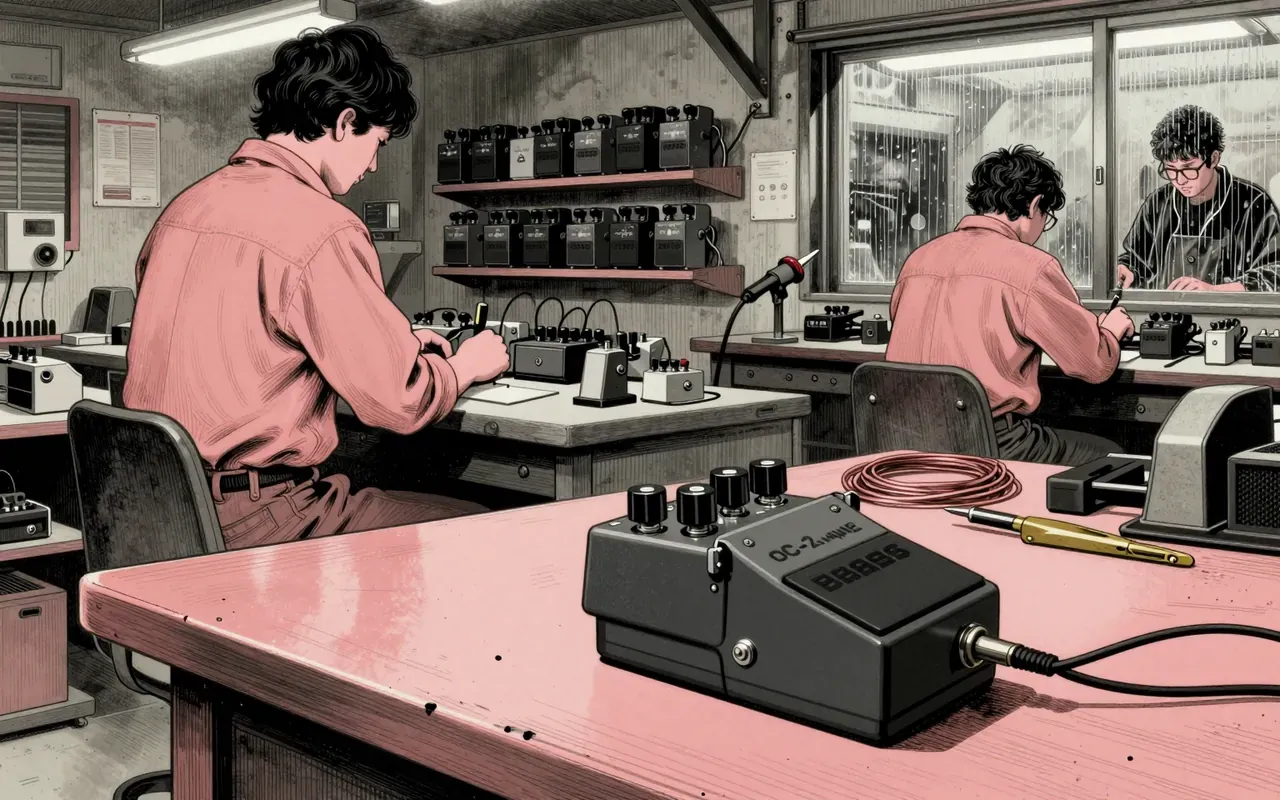
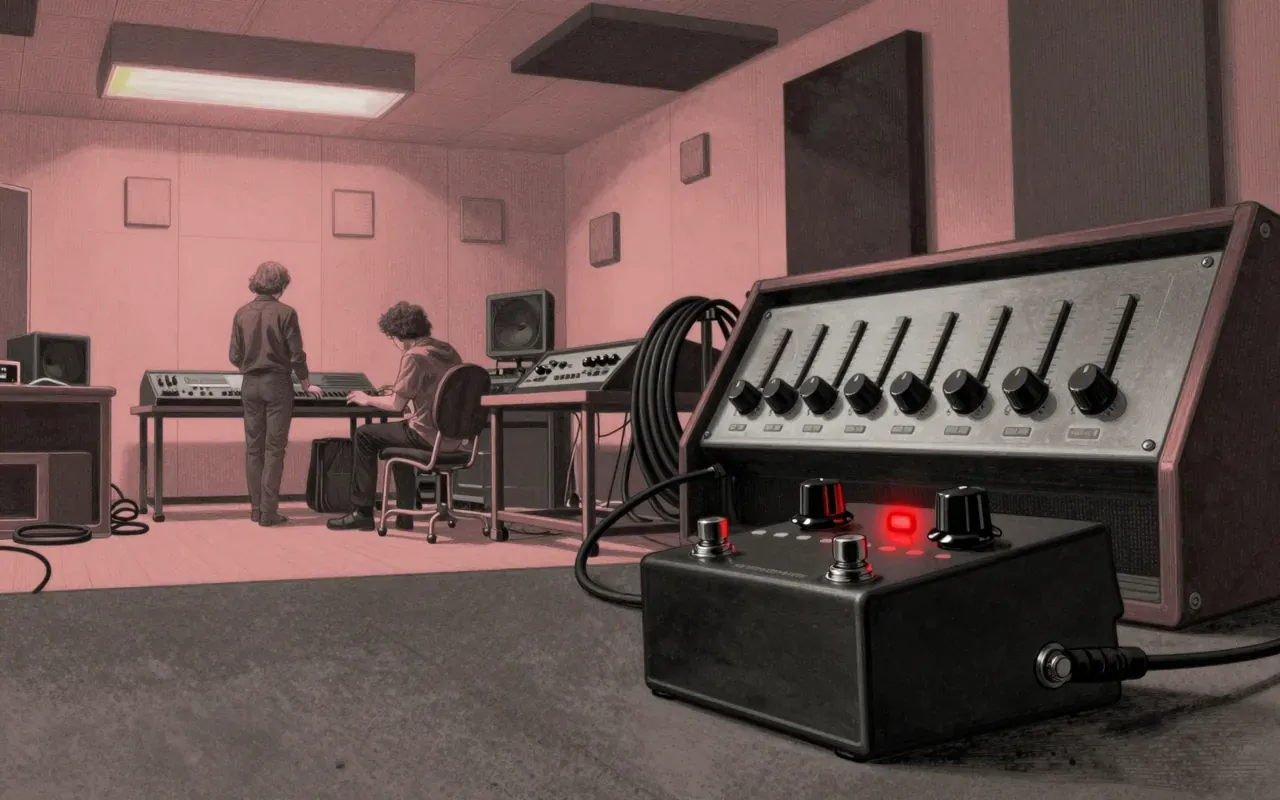
It is a UK-made, all-analog fuzz pedal built for electric guitar. It is a stomp box. It is not rack-mountable.
How it works, in terms a player would use
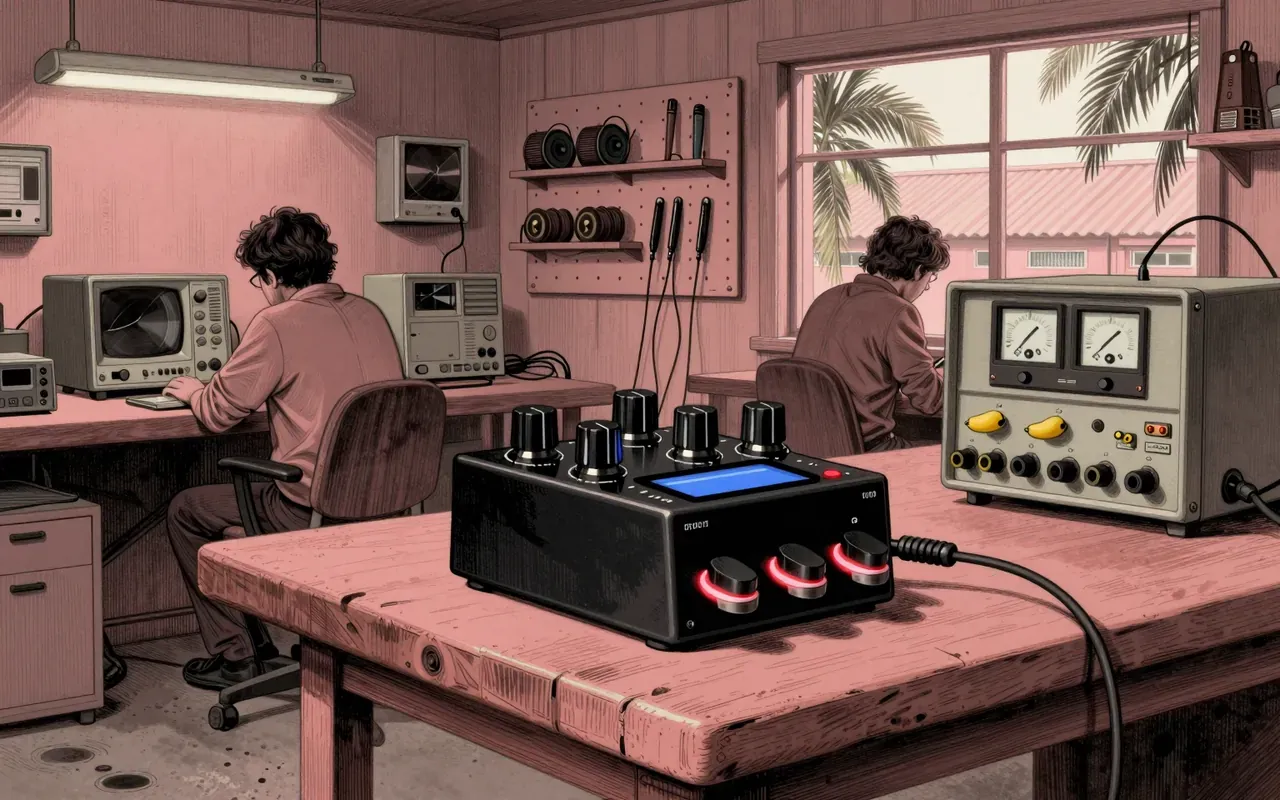
It has four knobs: ‘Curds’ for gain, ‘Whey’ for volume, one traditional tone knob, and one with four selectable tone settings including bypass. It uses 1/4” input/output jacks and a 1/8” jack for a 9V power supply. It is a stomp box — not rack-mountable.
What it does better than anything else
It sculpts fuzz with more immediate, idiosyncratic tonal shaping than most single-box pedals: the dual tone section — one continuous, one stepped — lets players pivot between textures faster than stacking pedals.
What it does badly
It does not offer clean boost, transparent buffer, or low-noise operation. It cannot be powered by battery according to the source. It gives no control over filter slope, saturation character beyond the two tone knobs, or signal chain placement options like true bypass switching details.
What people made with it
The source does not name any artist, recording, song, album, or performance made with it.
Who should use it, and who should not
Players who want aggressive, high-gain fuzz with hands-on, non-linear tone control should use it. Players who need silent operation, battery power, or integration into complex pedalboard signal chains without noise or loading issues should not.
Is it worth your time
It is expensive. It delivers high-gain, noisy, aggressive fuzz — but also subtle overdrive — via fully analog circuitry made in the UK. Its value lies in that range and its tactile control set, not rarity or resale.