What it is and what it was built for
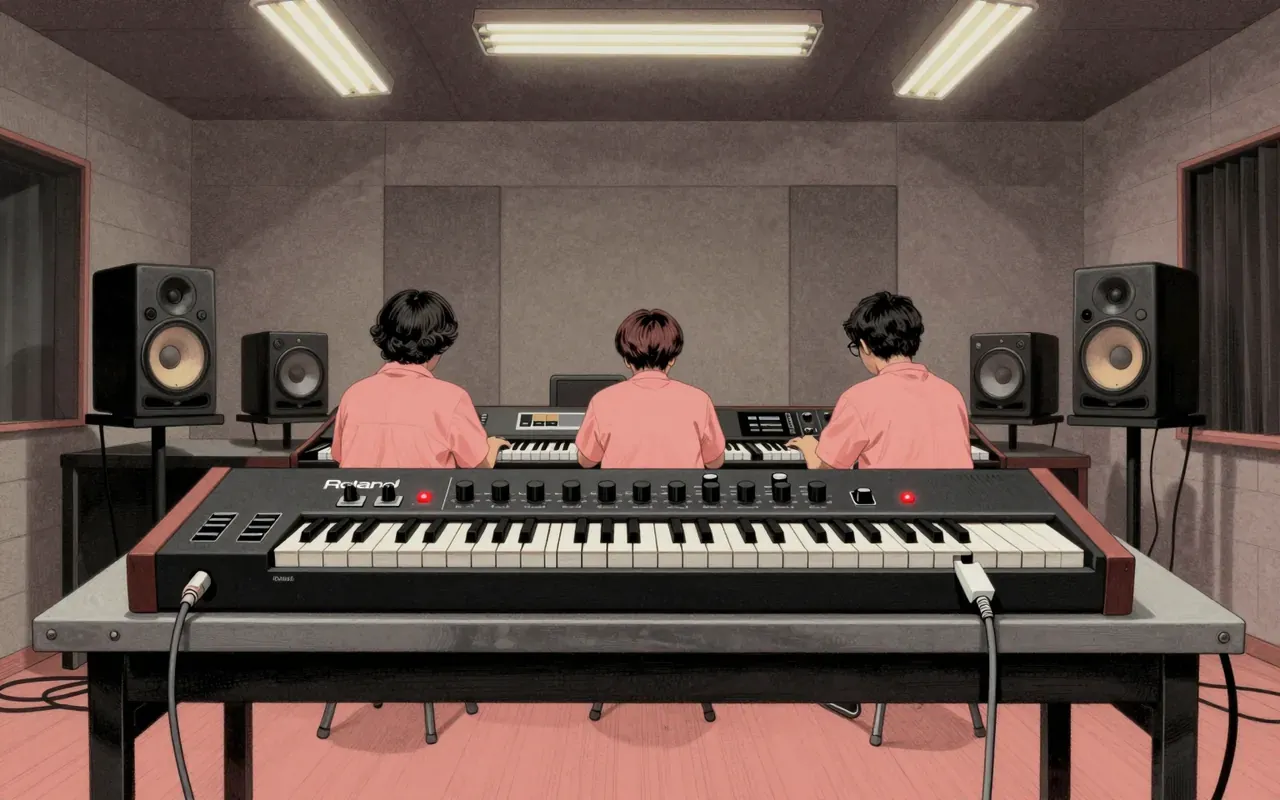
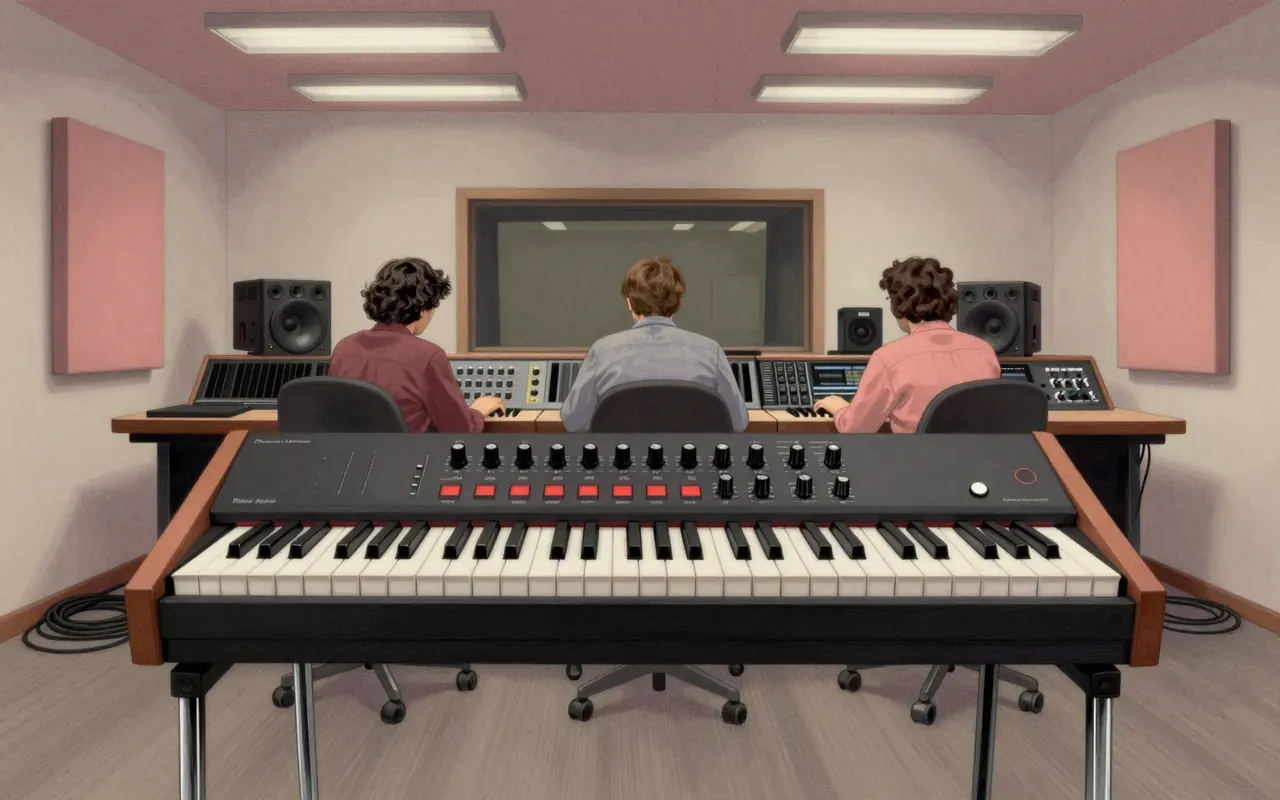
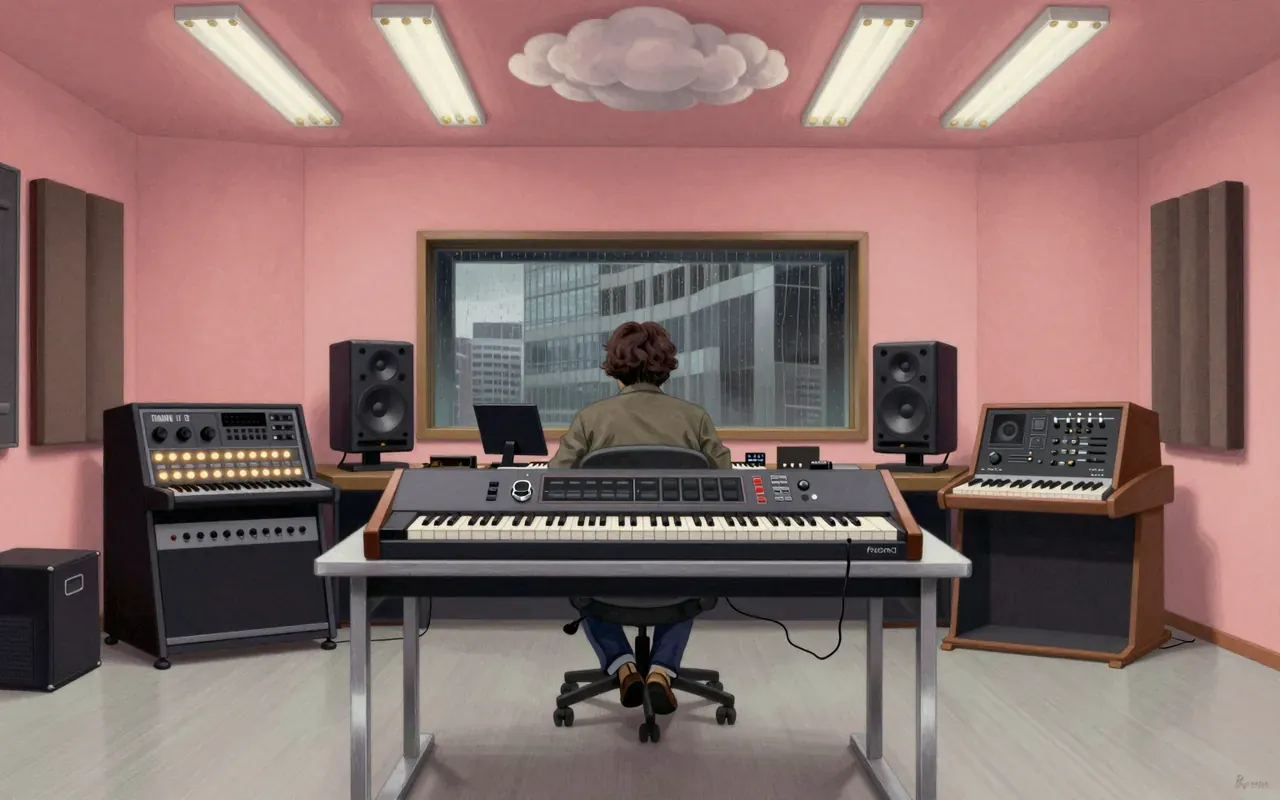
The Roland D-10 is a 61-key digital synthesizer released in 1988. It was built for studio composers and live performers who needed a compact, multitimbral sound source with sequencing and internal memory — not for deep sound design or expressive performance.
How it works, in terms a player would use
It uses LA Synthesis: short PCM samples for attack transients, layered with simple digital oscillators for sustain. You edit tones by adjusting level envelopes, filter cutoff, and LFO depth — but the interface is menu-driven and slow. It runs nine multitimbral parts, each with its own patch and volume, and sequences up to 10,000 notes internally.
What it does better than anything else
It delivers clean, punchy, transient-rich digital tones — especially piano, bass, and synth brass — with consistent 32-voice polyphony. Its nine-part multitimbrality and built-in sequencer make it a self-contained sketchpad for arranging ideas in one box.
What it does badly
Factory presets are basic and dated. Editing is cumbersome: no real-time control over most parameters, no velocity switching, no layering within a single voice. Effects are limited and lack routing flexibility.
What people made with it
It appears on late-1980s pop, R&B, and TV production tracks where bright, precise digital timbres were required — particularly for piano, electric piano, and synthetic strings — though specific recordings are not named in the source material.
Who should use it, and who should not
A producer or performer who values physical keys, onboard sequencing, and a fixed palette of clear, functional digital tones — and who accepts that every useful sound requires manual editing. Not for players who rely on aftertouch, real-time parameter control, or organic tonal variation.
Is it worth your time
Yes — if you want a hands-on, tactile entry point into late-1980s digital synthesis without modern emulation abstractions. No — if you need instant recall, deep modulation, or rich harmonic movement.