What it is and what it was built for
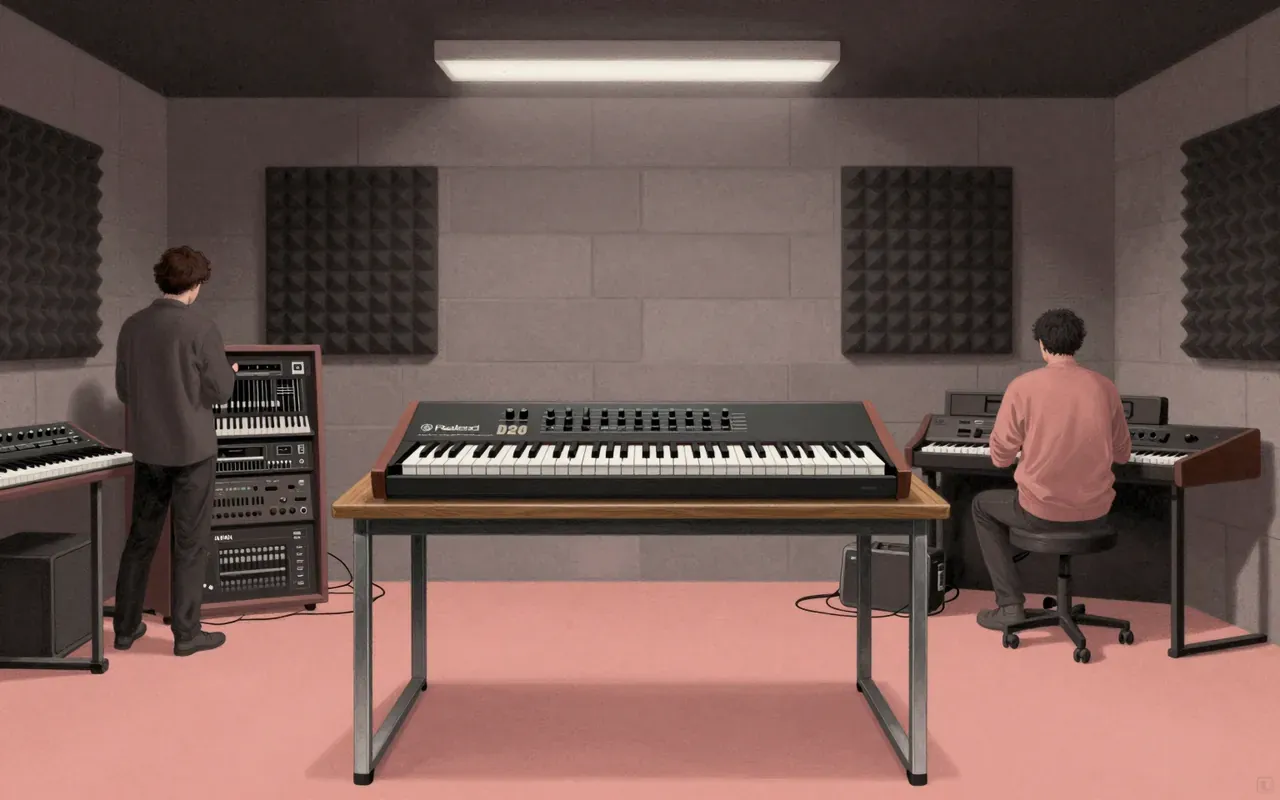
The Roland D-110 is a rackmount digital sound module introduced in 1988. It is the upgraded rack version of the D-10 and the rack counterpart to the D-20 keyboard. It was built to deliver Linear Arithmetic synthesis — second-generation D-50 style — in a cheaper, space-efficient format for studio use.
How it works, in terms a player would use
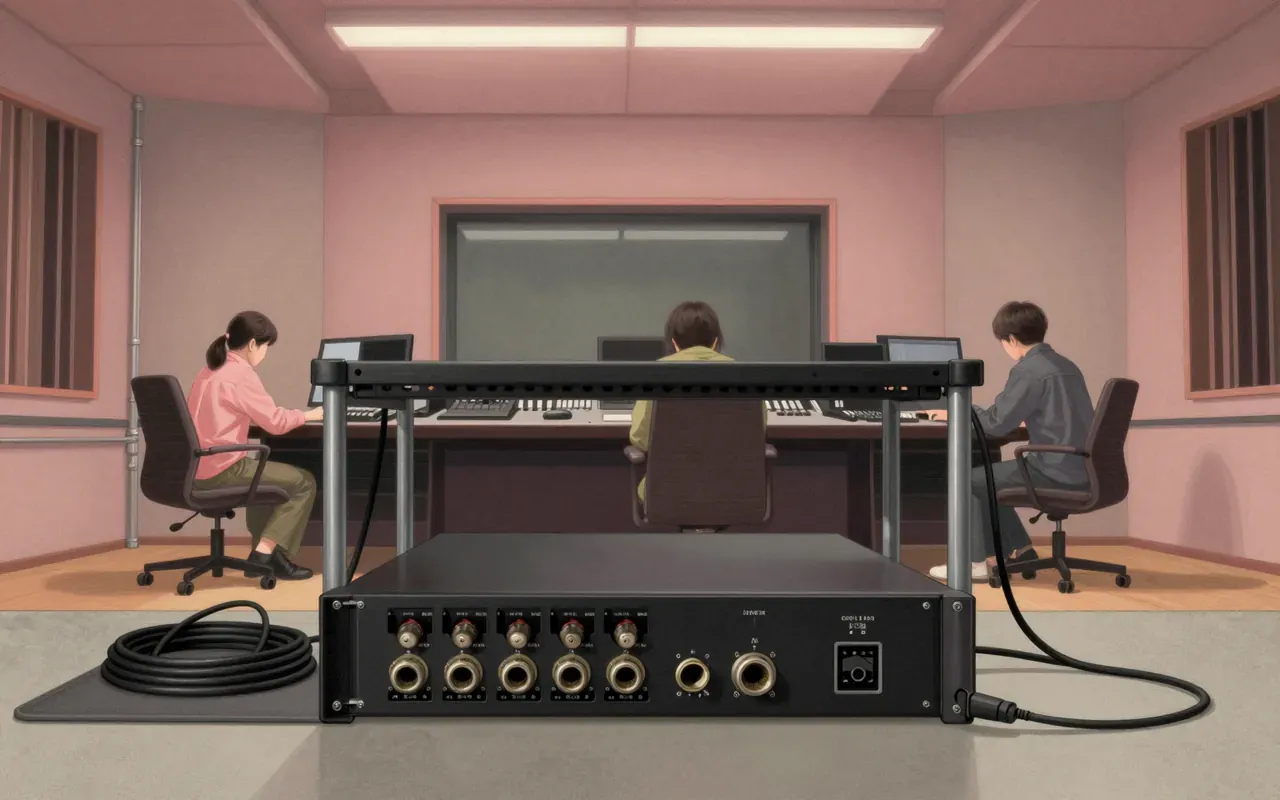
It is a rack-mounted sound module requiring an external MIDI controller. Programming uses tones, partials, and timbres — a layered structure that demands careful navigation. Ring modulation and velocity-modulated PWM are core techniques. The filter resonates but does not self-oscillate. It offers six individual 1/4” audio outputs and standard MIDI in/out/thru. Computer editing is possible via MidiQuest XL, but the front-panel interface is widely regarded as difficult without software assistance.
What it does better than anything else
It does better than most 1988 rack modules at delivering D-50-style acoustic textures — piano, strings, choir — alongside synthetic tones shaped by ring modulation and velocity-driven PWM. Its 32-voice polyphony and on-board drum sounds make it a self-contained layering tool in a tight rack space.
What it does badly
It does badly at immediate playability. There is no keyboard, no built-in sequencer, and no intuitive front-panel workflow. Editing by hand is slow and opaque. It cannot self-oscillate, limiting aggressive filter-based leads and basses.
What people made with it
People made layered pads, percussive stabs, and hybrid acoustic-synthetic textures with it — particularly where D-50 character was needed without the D-50’s price or bulk. Its on-board drum sounds and reverb allowed quick sketching of full arrangements without external processors.
Who should use it, and who should not
A studio engineer or producer integrating vintage LA tones into modern DAW workflows should use it. A performer needing real-time control or immediate sound-shaping should not: it has no keyboard, no sequencer, and no tactile feedback beyond basic buttons and a single data slider.
Is it worth your time
It is worth your time if you need a compact, affordable LA-synthesis source with drum sounds, reverb, and multi-output routing for studio integration — but only if you accept its steep programming curve and lack of keyboard or sequencer.