audiobriefs
9:56in productionCh. 1 · No menus. No modes. Just knobs./ 9:56 · ceiling 15 min
Effects & pedals · Guitars & amps

Boss DD-3 Digital Delay

The DD-3 doesn’t shape sound—it transmits it, sharply and stubbornly, until the battery dies.

The Boss DD-3 is a digital delay pedal for guitar. It uses four knobs to control effect level, feedback time, delay time, and delay mode. It delivers clear, sharp echo without muddiness. It is extremely durable. It is probably the most well-known digital delay pedal.

Chapters & takeaways4
  1. 0:54
    No menus. No modes. Just knobs.

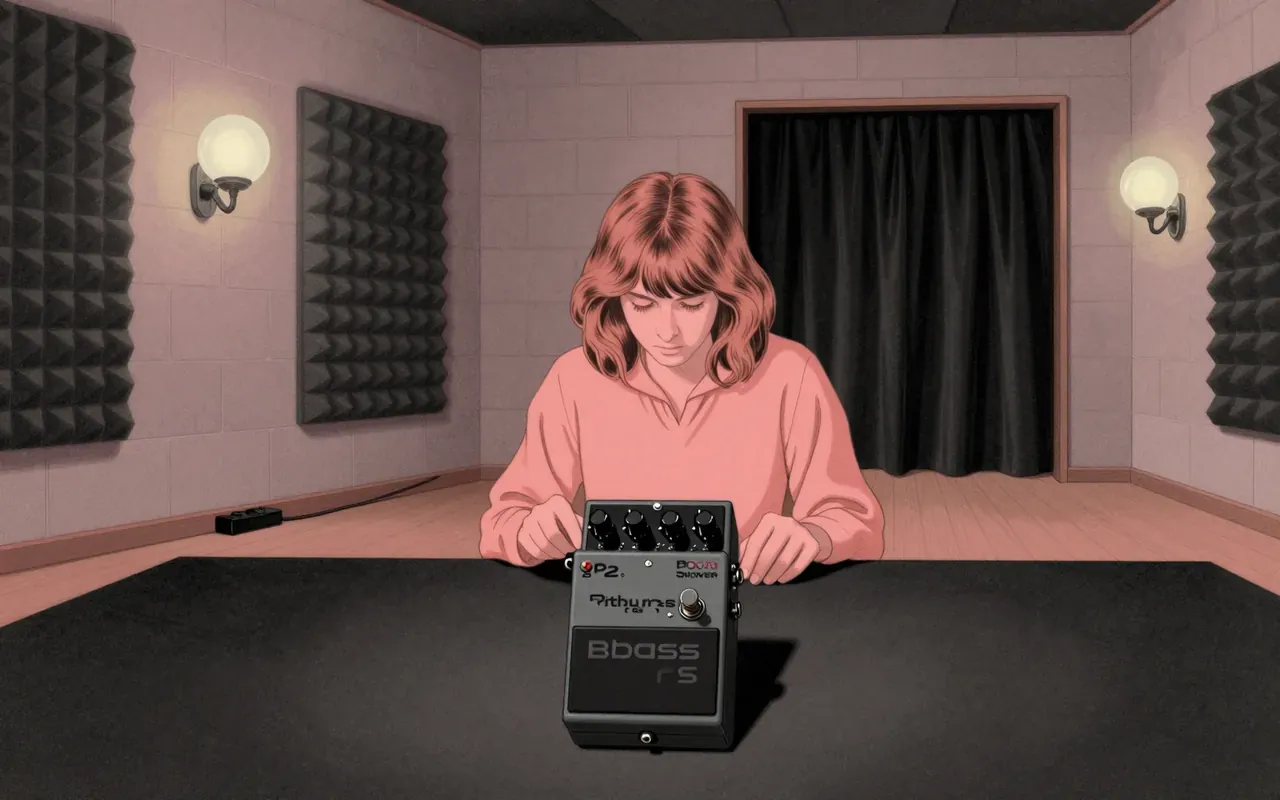
    Four knobs control everything: effect level, feedback time, delay time, and delay mode.

  2. 2:23
    Transparency by design

    Echo stays clear and sharp—no low-end bleed, no high-end roll-off, no smearing.

  3. 3:53
    Built for apocalypse

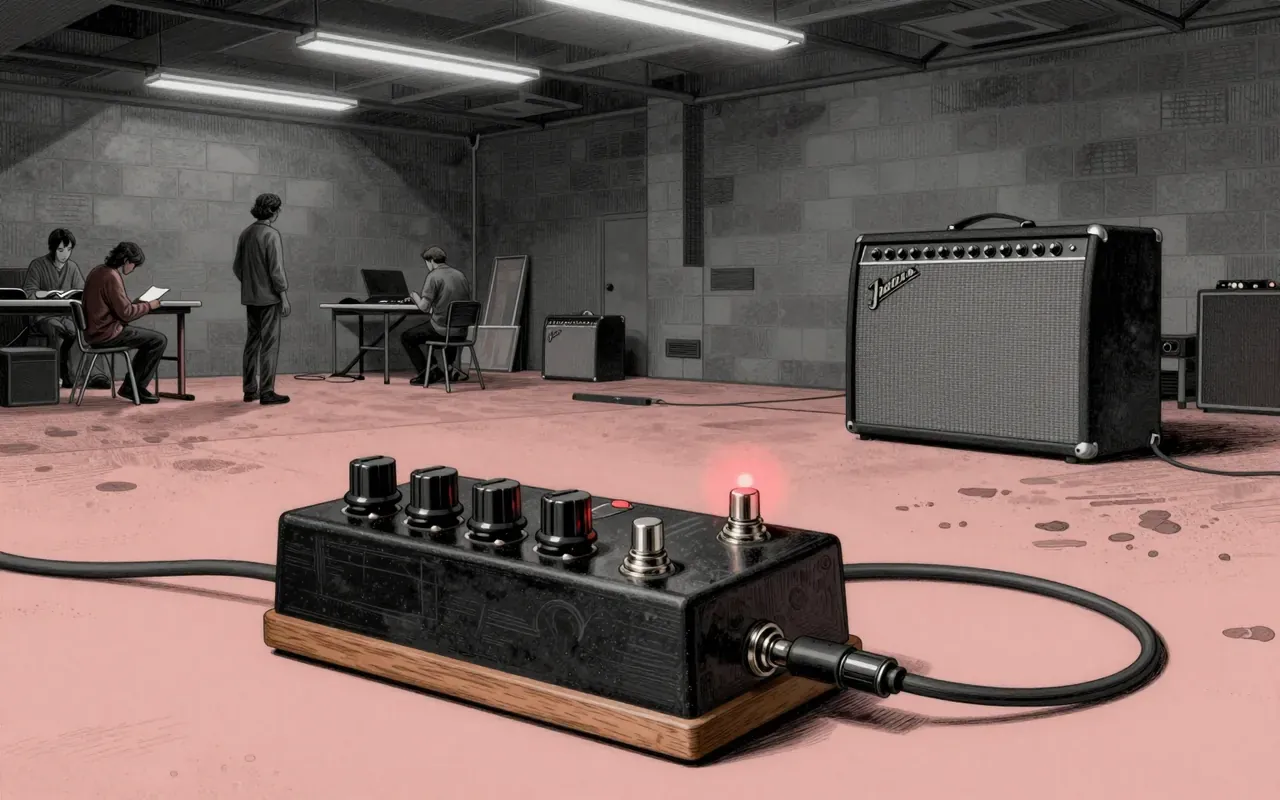
    It survives drops, stomps, rain, and suitcase travel—built like a tool, not a toy.

  4. 4:47
    The default delay

    It’s probably the most well-known digital delay pedal—and the easiest to dial in on stage.

Worth your time?

Yes. Use the whole thing.

4/ 5
What works
  • clear echo transmission
  • live knob adjustment
  • apocalypse-grade build
What does not
  • modulation
  • analogue warmth
  • tap tempo
  • stereo output
Use it if
  • guitarists needing immediate, reliable delay
  • players who prioritise durability over tonal character
Skip it if
  • those requiring nuanced feedback taper
  • anyone needing silent bypass
The written brief1 min read

What it is and what it was built for

The Boss DD-3 is a compact, battery- or adaptor-powered guitar effects pedal built for live and studio use. It was built to deliver reliable, adjustable digital delay in a rugged enclosure.

How it works, in terms a player would use

It has four knobs: effect level, feedback time, delay time, and delay mode. Players adjust them live with no menu diving or presets. The interface is direct and physical.

What it does better than anything else

It delivers clear, sharp echo without muddiness—more transparent than most digital delays of its era. Nothing else at its price and size matches its durability and immediacy.

What it does badly

It produces bypass noise. Its feedback behaviour is criticised as unpredictable—repeats can cut off abruptly or self-oscillate unevenly.

What people made with it

Guitarists used it for slap-back, rhythmic echoes, and long repeating phrases—often as the sole delay in a chain, relying on its clarity and stability.

Who should use it, and who should not

Players who value simplicity, roadworthiness, and uncoloured repeats should use it. Players who need modulation, true stereo, or precise feedback taper should not.

Is it worth your time

Yes—if you need a durable, no-surprise digital delay that delivers clean repeats without colouration. No if you need modulation, analogue warmth, or tap tempo.
Same bench · Effects & pedals4 of 121
Up next in Audio

Boss DM-1 Delay Machine

Boss · 8:57

The first Boss delay pedal doesn’t chase precision — it melts time into warmth, one knob at a time.

8:57