What it is and what it was built for
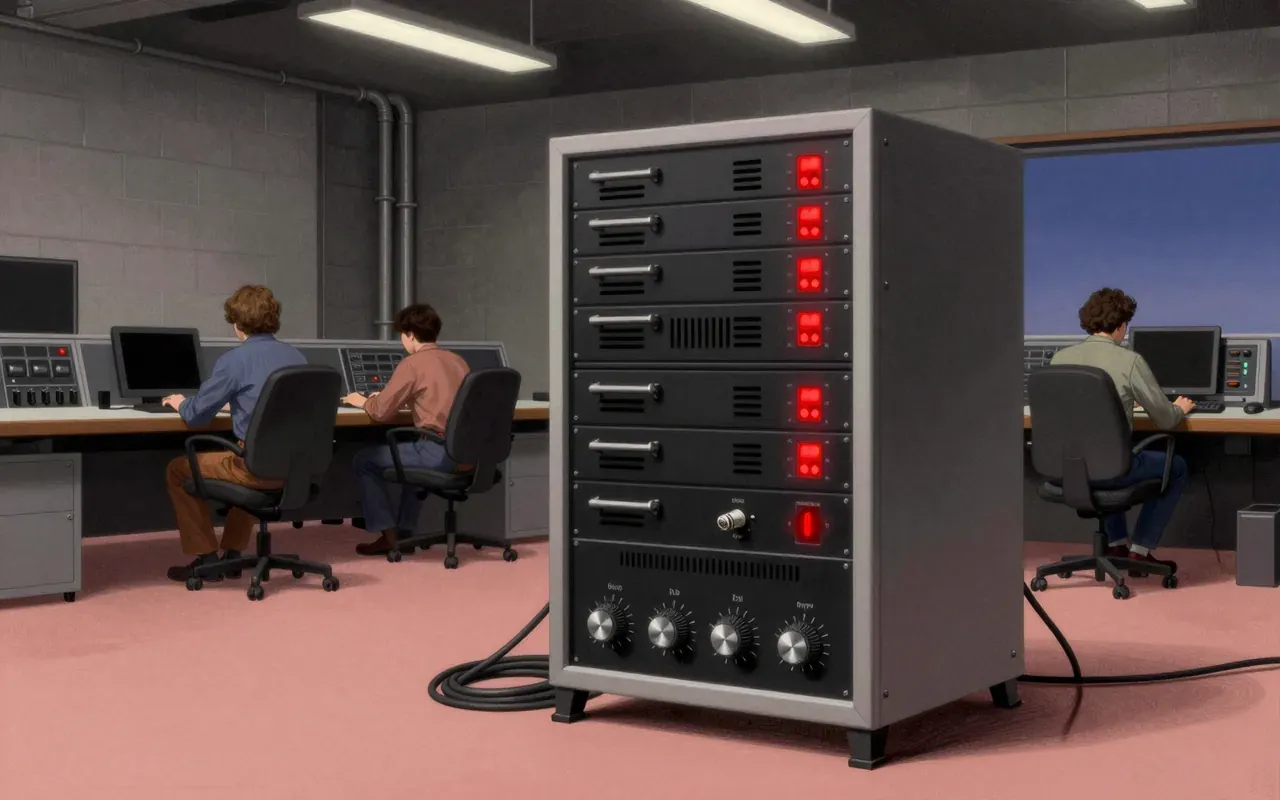
The M-Audio Delta 1010 is a discontinued PCI/ISA + rack-mount soundcard built for desktop PCs. It was made to give project studios high-quality converters and stable multi-track I/O before USB audio matured.
How it works, in terms a player would use
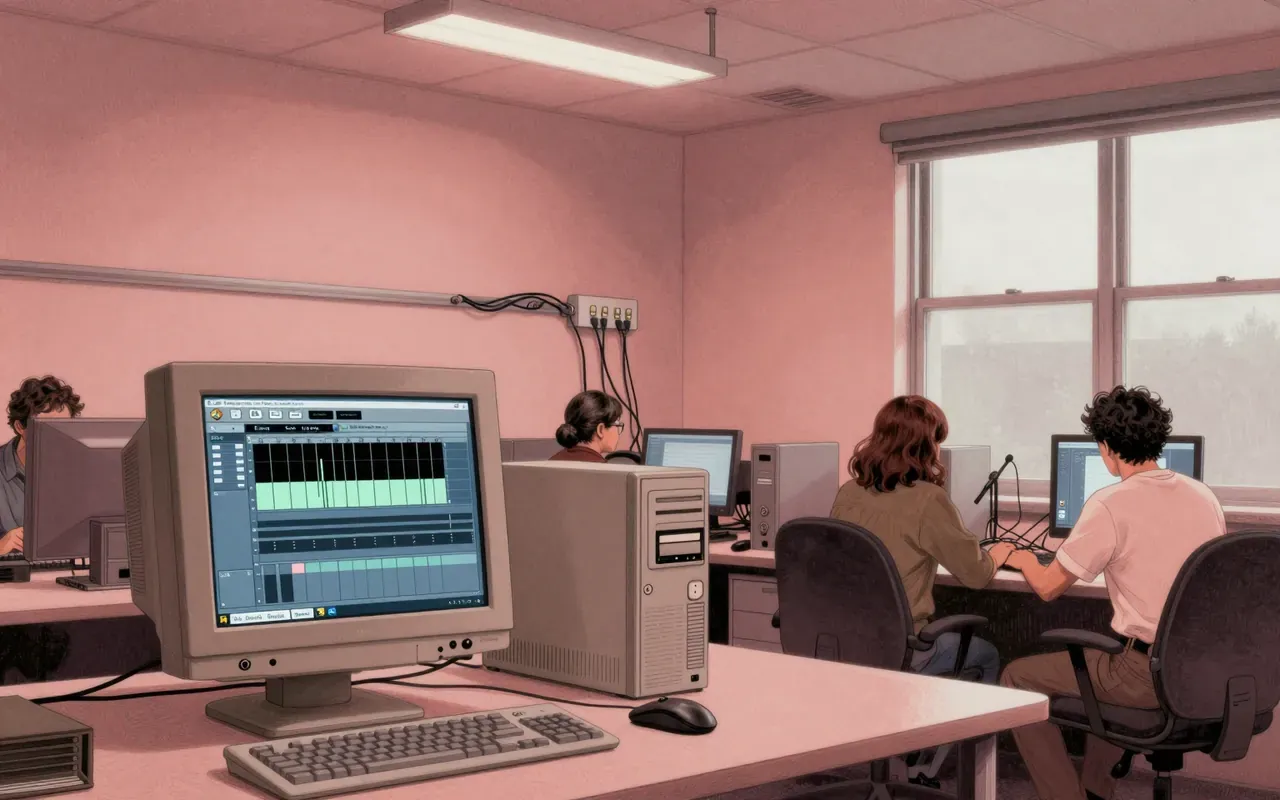
It slots into a desktop PC’s PCI slot. It delivers 8 analog inputs and outputs plus SPDIF — 10 total I/Os. It runs stable with Cubase and Sonar. It manages playback and I/O without glitches.
What it does better than anything else
It delivers real-time effect insertion during mixdown with no performance drop. Its 5ms latency feels inaudible — perceived as zero latency — even under sustained 90-minute recording sessions.
What it does badly
It cannot scale beyond 24 tracks without crashing — but the crashes come from host computer limits, not the card itself. It offers no modern connectivity or driver support for current operating systems.
What people made with it
Users recorded full 90-minute sessions and mixed with real-time effects. They ran Cubase and Sonar without playback or I/O hiccups — using it as a stable core for desktop-based production.
Who should use it, and who should not
A hobbyist with a spare Pentium 4 PC and a PCI slot should use it. Anyone without legacy hardware, or who needs macOS, Windows 10+, USB, or FireWire, should not.
Is it worth your time
Only if you have a working Pentium 4–era desktop with a free PCI slot and need zero-latency 8-channel recording right now. Everything else — USB, FireWire, modern OS support — is absent by design.