What it is and what it was built for
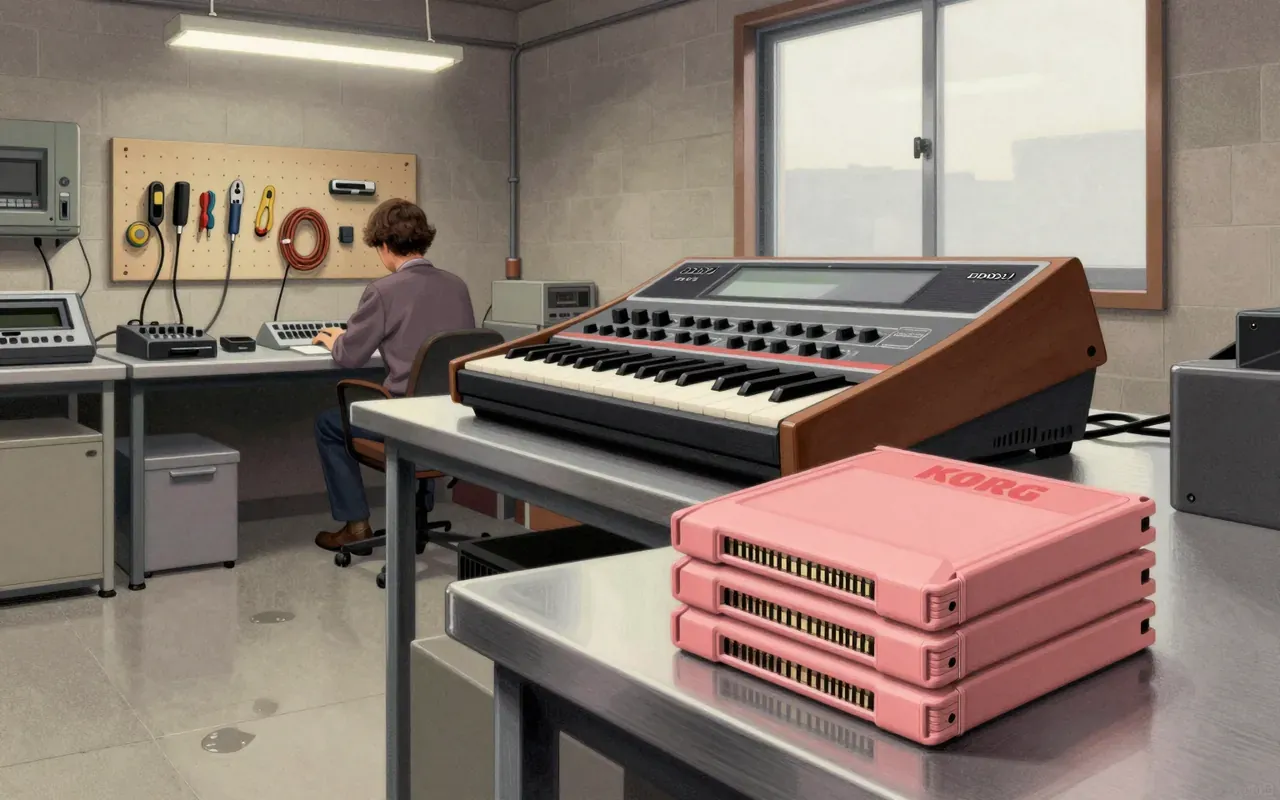
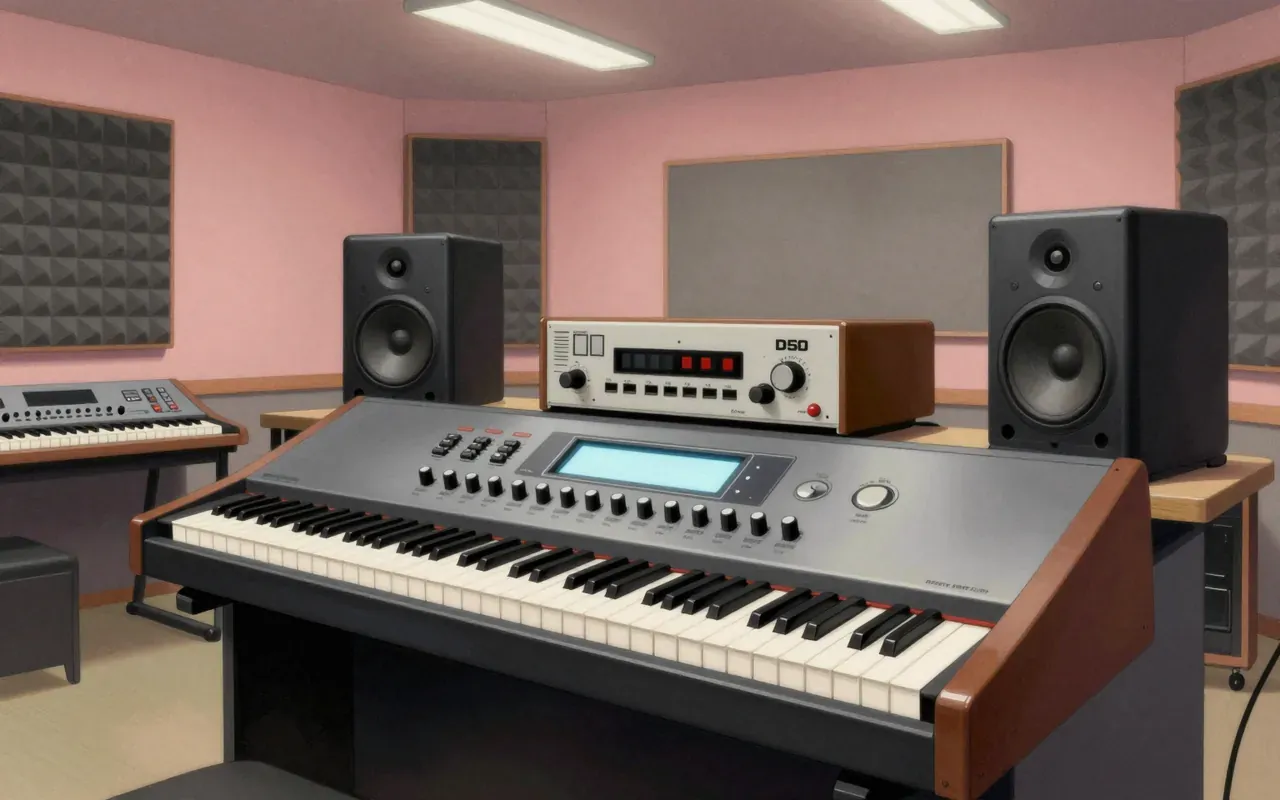
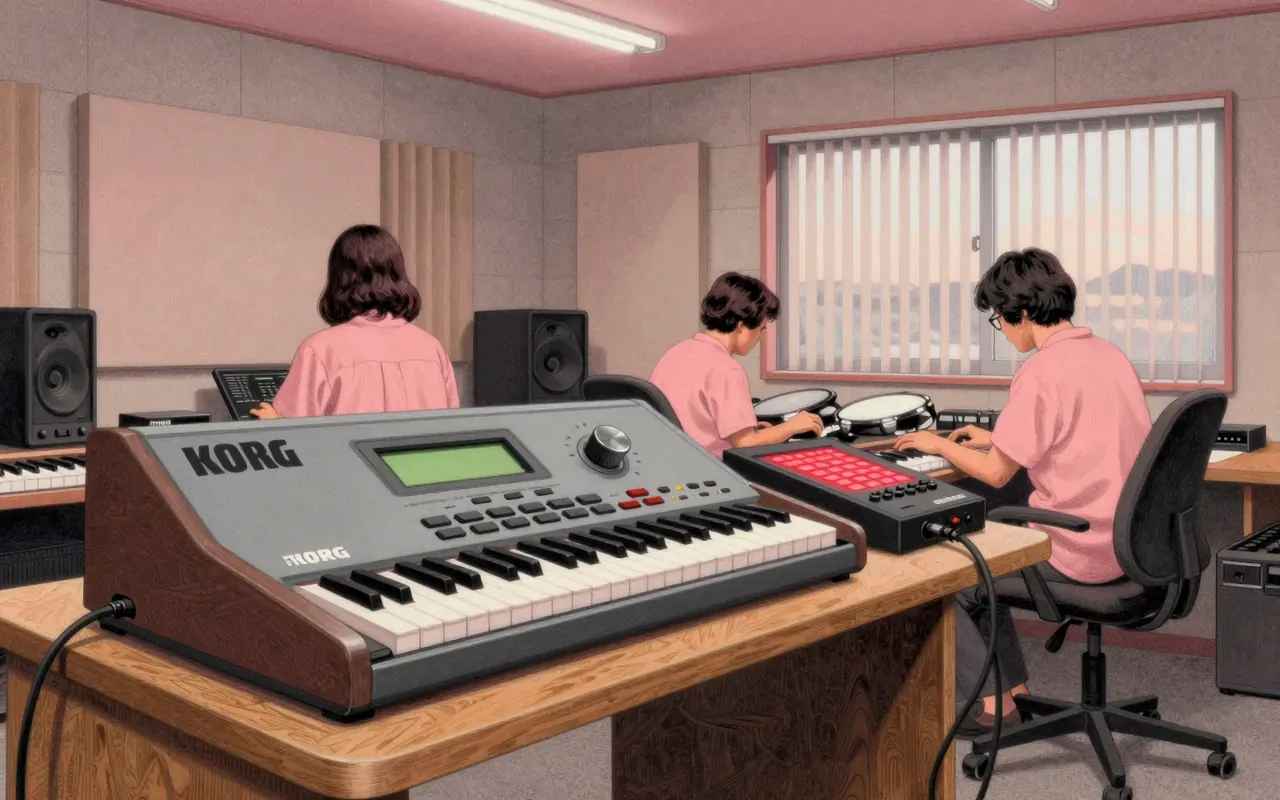
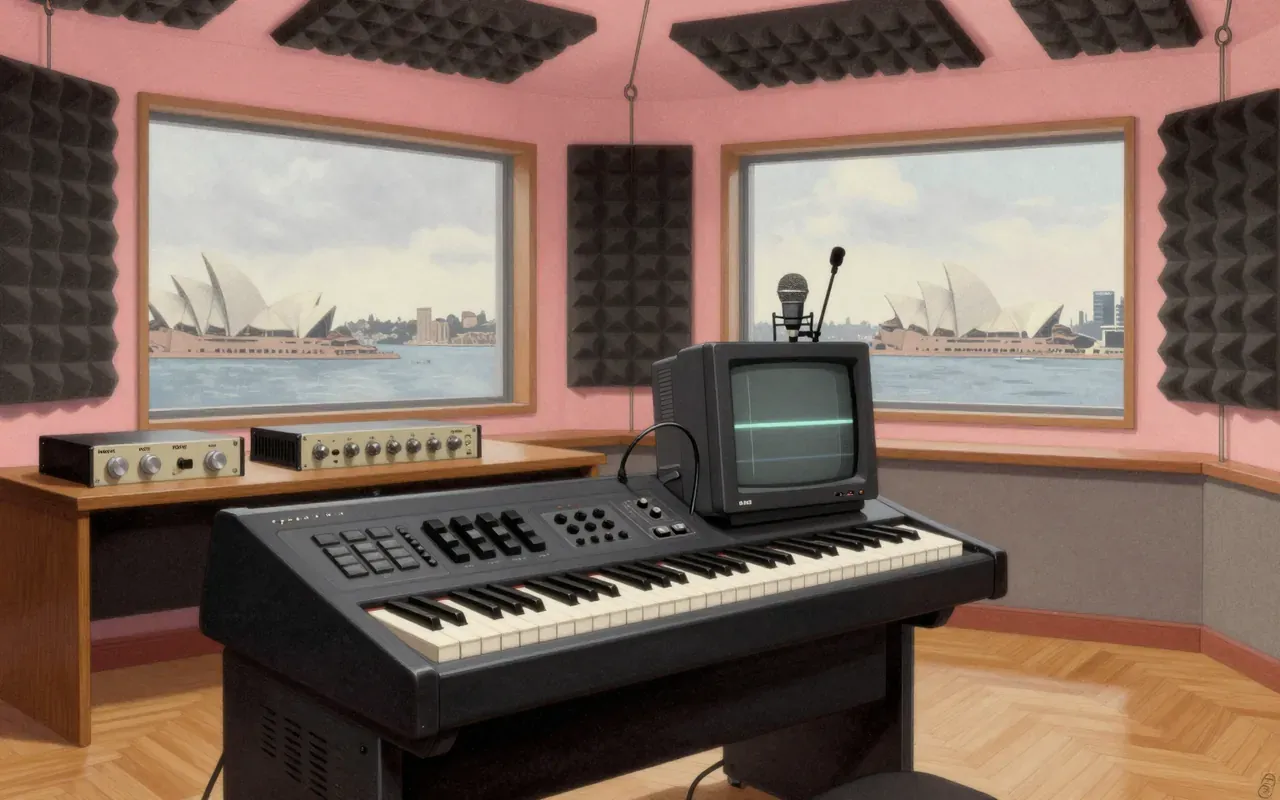
It is a digital synthesizer, music sampler, and digital audio workstation introduced in 1979. It was built to let composers record real instrument fragments and trigger them musically — not to emulate synthesis, but to bypass it.
How it works, in terms a player would use
It records short sounds into 16 kB of memory. Playback pitch shifts the sample. Sample rates vary from 8 kHz to 24 kHz to stretch memory. Later Series III uses 16-bit sampling at up to 44.1 kHz across 16 channels.
What it does better than anything else
It makes orchestra hits and breathy vox sounds that cut through 1980s mixes. Nothing else at the time placed those specific textures — ORCH 5, ARR 1 — directly into a sequenced track with keyboard control.
What it does badly
It runs out of memory fast. A single second of audio forces compromises in fidelity. Pitch-shifting stretches or crunches timbres. Editing is slow and screen-based, not tactile.
What people made with it
People made early-to-mid-1980s pop recordings with it. Its presets anchored tracks — not full compositions, but signature stabs and vocal pads that defined arrangements.
Who should use it, and who should not
A museum curator, a restoration technician, or a sound historian should use it. A working producer or performer should not: its workflow is too slow, its memory too small, its interface too detached from physical response.
Is it worth your time
It is worth your time only if you need a historically grounded, hands-on encounter with the first embedded sampler — not as a tool for modern production, but as a functional artifact that defined what sampling meant before it became invisible.