What it is and what it was built for
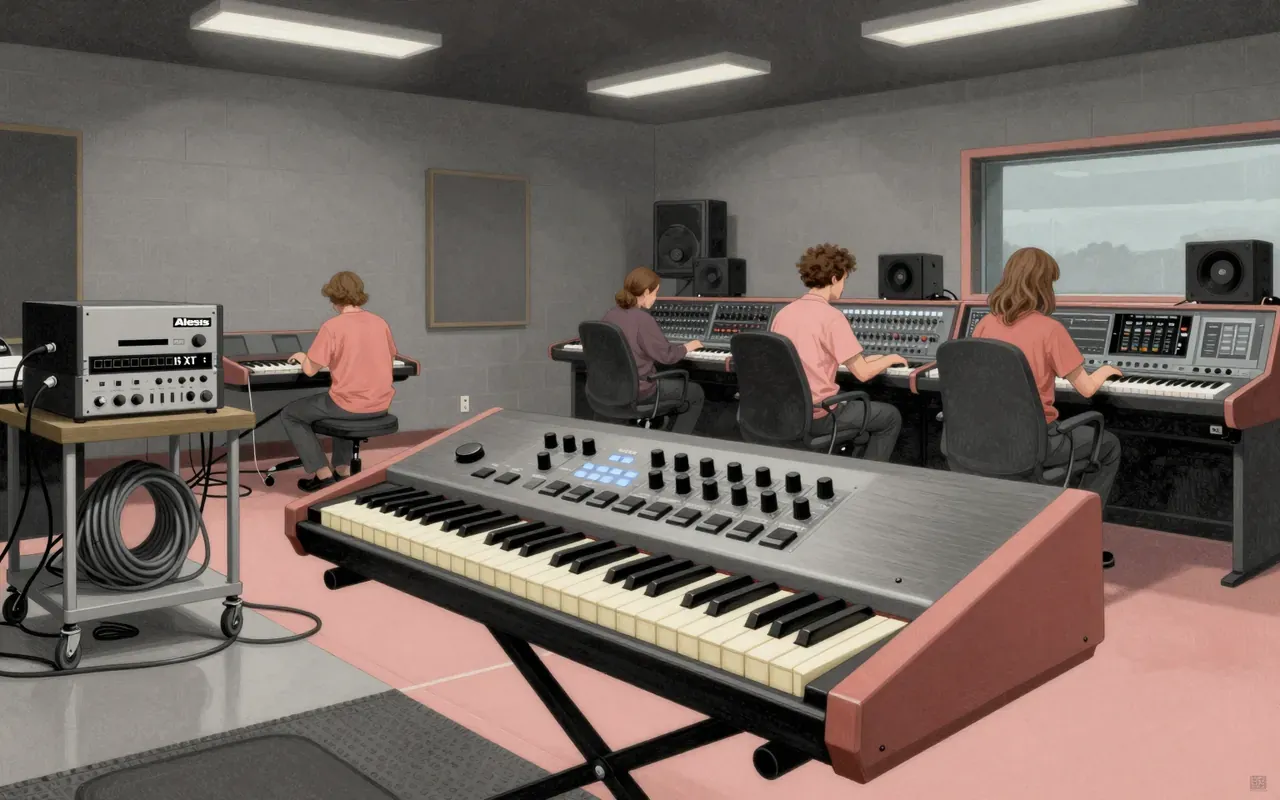
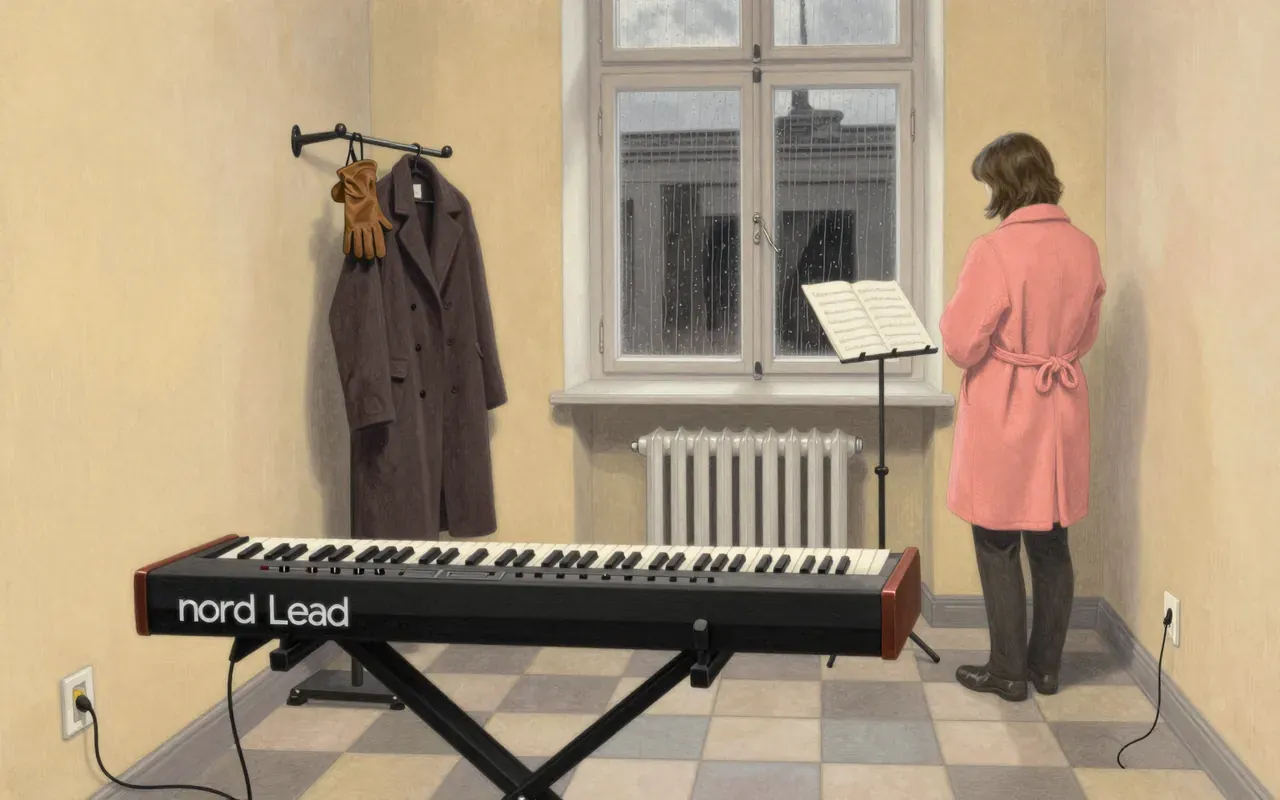
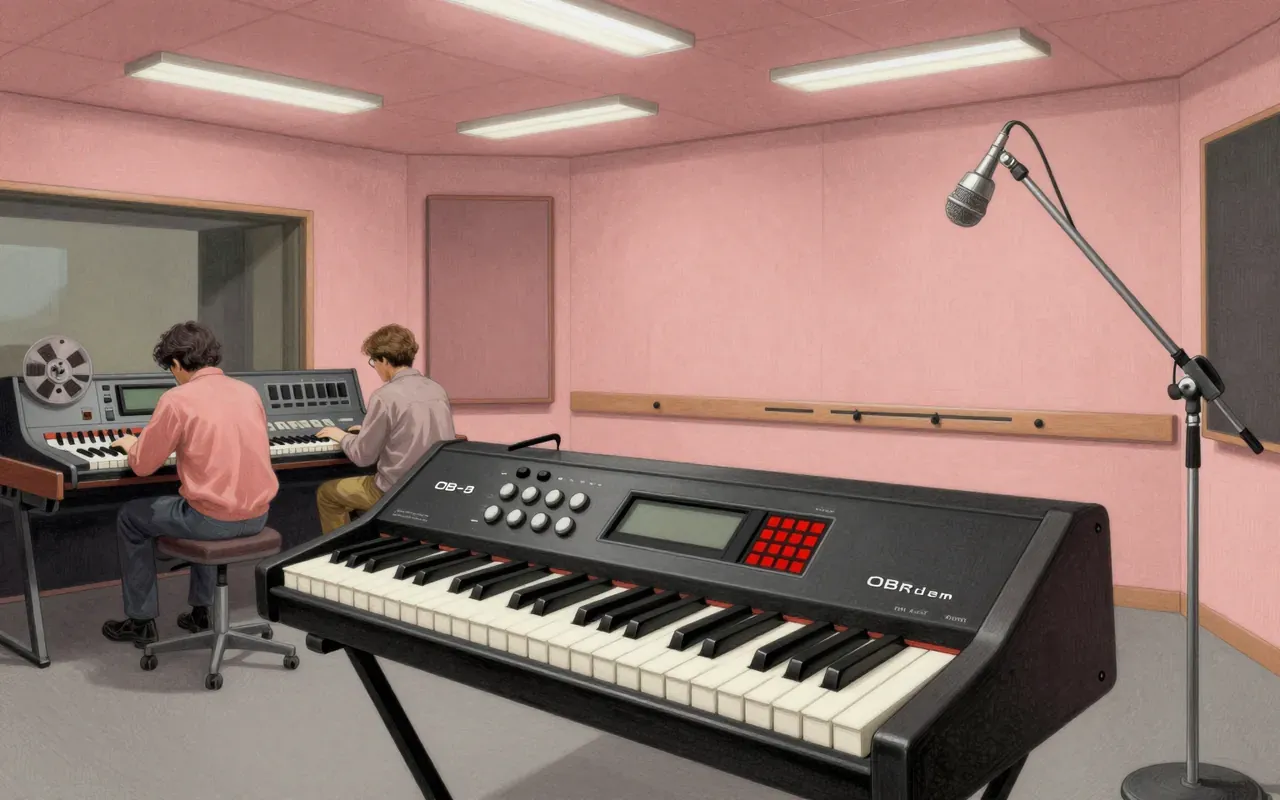
The Nord Lead is a series of virtual analog subtractive synthesizers built for live players who demand immediate, hands-on control over rich, warm emulation of analog and FM tones.
How it works, in terms a player would use
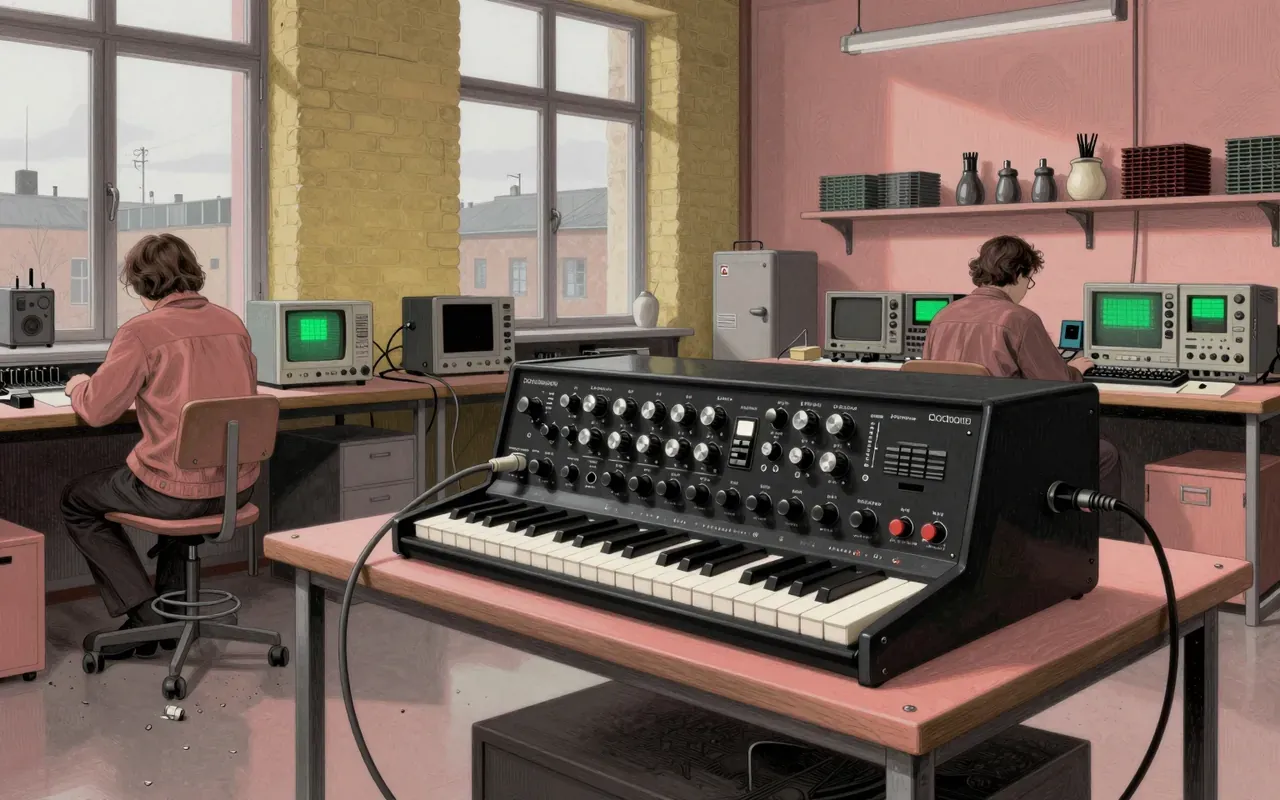
It uses DSPs to emulate subtractive and analogue FM synthesis. Players adjust sound with physical knobs — no menus. Each knob maps directly to a parameter. The signal path is fixed: oscillators → filter → amplifier, with cross-modulation available.
What it does better than anything else
It delivers faster, more intuitive sound design than any contemporaneous virtual analog synth. Its knob-per-function layout eliminates menu diving. It establishes a direct hand-to-sound relationship that prioritises performance over programming depth.
What it does badly
It offers no multitimbrality. It has no built-in effects beyond basic chorus and delay. Its polyphony is capped at 16 notes on the Lead 2 and remains fixed per patch. It gives no visual feedback for parameter states beyond knob position.
What people made with it
Producers and performers used it for lead lines, basses, and searing digital-analog hybrids in electronic, pop, and dance music from the mid-1990s onward.
Who should use it, and who should not
Live keyboard players who value immediacy, reliability, and sonic character over flexibility. Not for sound designers needing granular modulation, sampling, or complex layering.
Is it worth your time
Yes, if you need immediate, tactile control over virtual analog tones in live or studio settings. No, if you require deep modulation routing, sample playback, or more than 16 voices.