What it is and what it was built for
A series of virtual analog subtractive synthesizers built to emulate analog warmth using DSPs. It was built for players who needed real-time control over classic synth architecture without analog maintenance or cost.
How it works, in terms a player would use
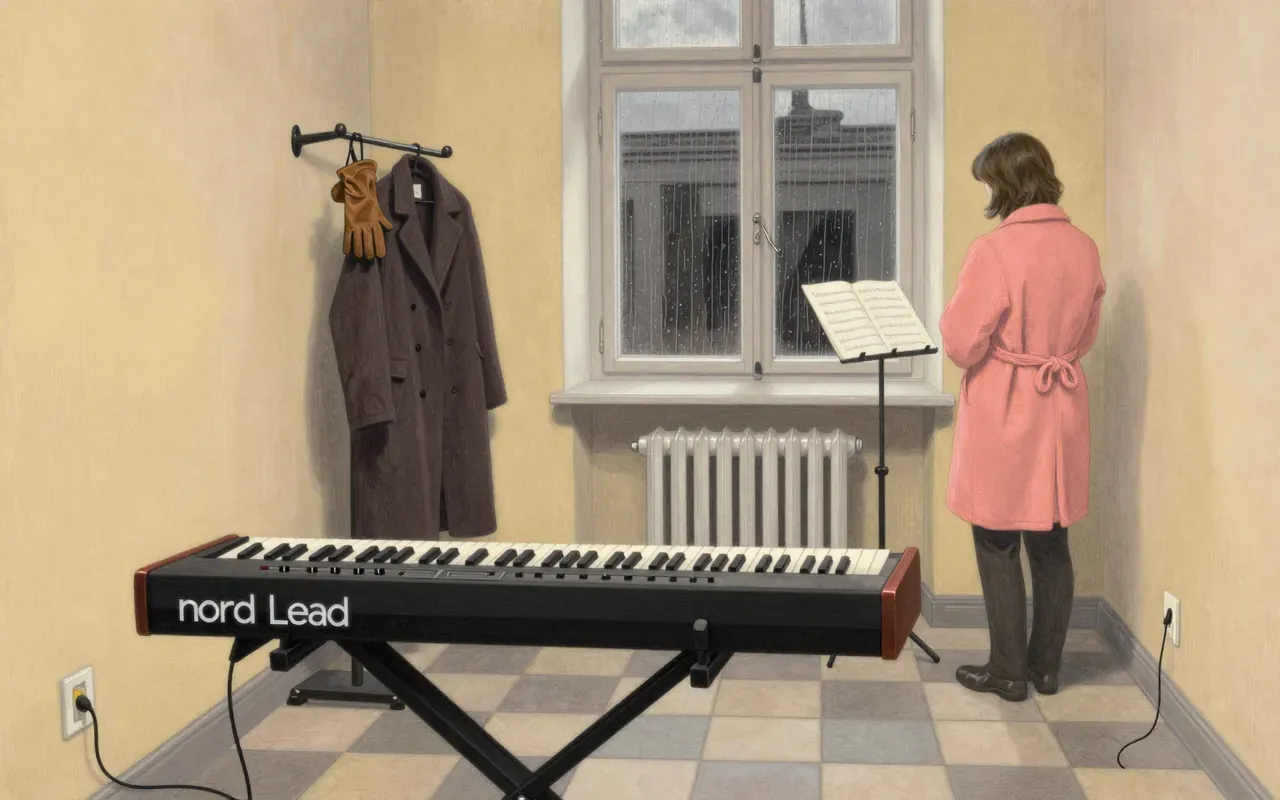
It uses DSPs to emulate subtractive and analogue FM synthesis. Players twist knobs to adjust parameters directly — no menus, no layers. Each knob maps to one sound function. The signal path is fixed: oscillators into filters into amplifiers, with cross-modulation available.
What it does better than anything else
It delivers faster, more intuitive hands-on editing than any contemporary virtual analog synth. Its knob-per-function layout eliminates menu diving. It established direct parameter access as non-negotiable for live synthesis.
What it does badly
It offers no polyphonic aftertouch. It has no built-in effects, no sequencer, no arpeggiator, and no patch storage beyond front-panel memory. Its polyphony ceiling — even at 20 notes — limits dense pads and layered leads.
What people made with it
Players used it for lead lines, basses, and aggressive digital FM textures in electronic, pop, and rock production — especially where immediacy and stage reliability mattered.
Who should use it, and who should not
Live performers who prioritise knob-based immediacy over complexity. Studio users who want a focused, no-distraction virtual analog voice. Do not use it if you rely on DAW integration, deep modulation, or polyphonic expression.
Is it worth your time
Yes — if you need immediate, tactile control over virtual analog tones and do not require more than 20 voices or modern modulation routing. No — if you need deep sequencing, multitimbrality, or granular sound design tools.