What it is and what it was built for
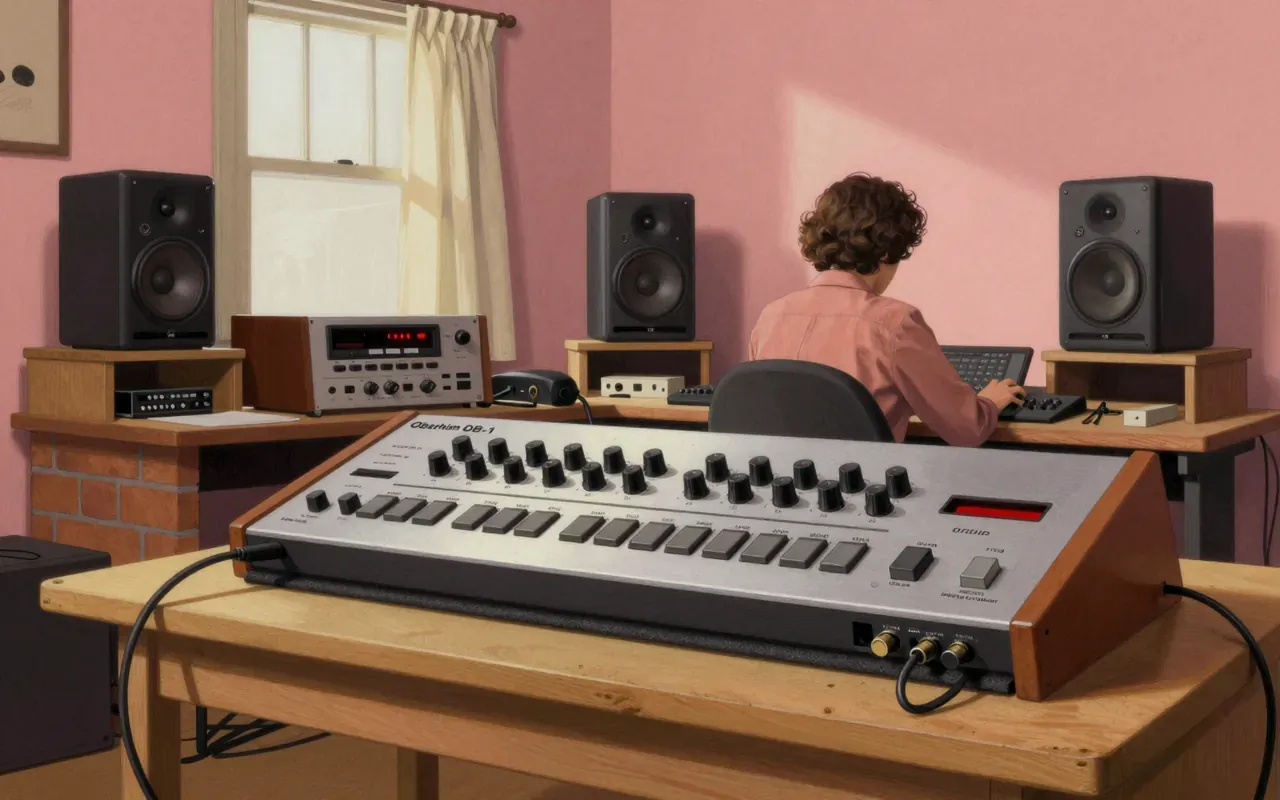
A software-based semi-modular synthesizer released in 1997. Built to let users construct custom virtual analog synthesizers from scratch — not just tweak presets.
How it works, in terms a player would use
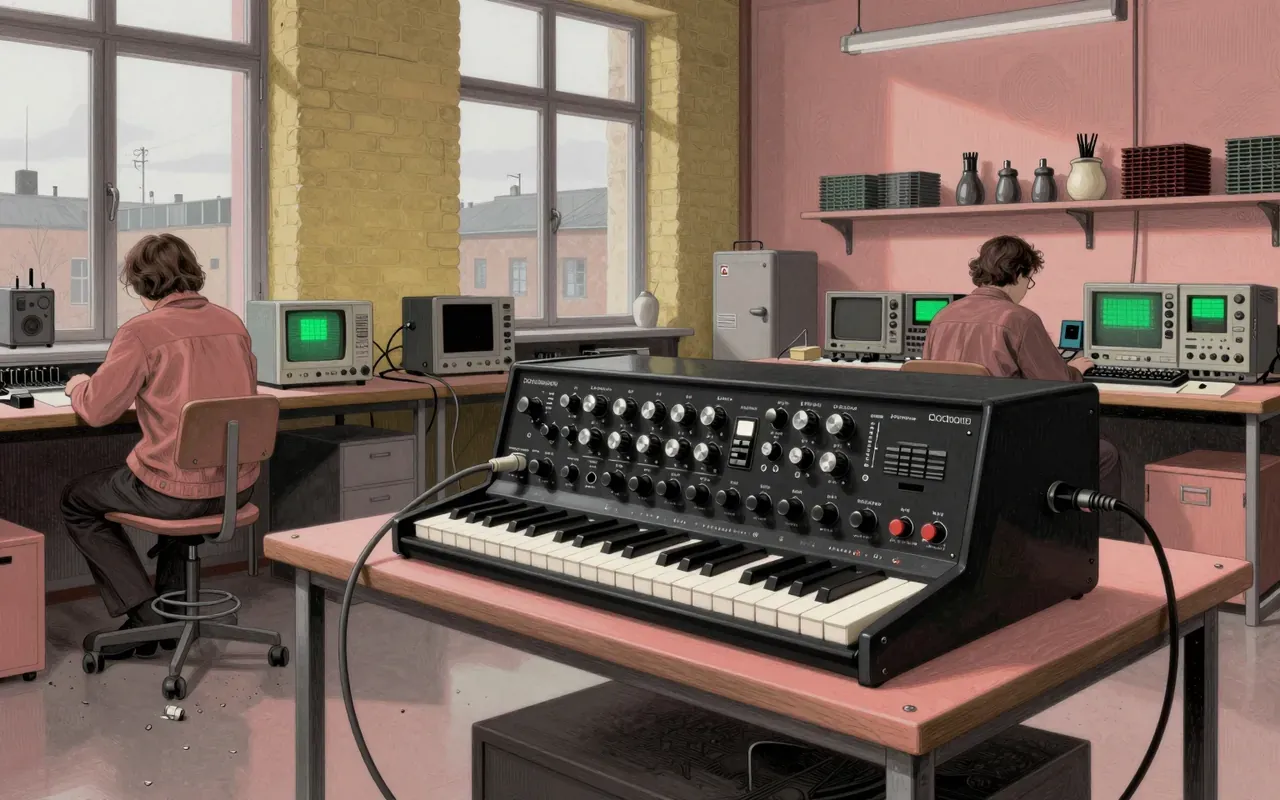
It runs patches on dedicated DSP chips. You build them on a PC using graphical editor software that shows virtual modules and wires. The computer is disconnected during performance. You connect oscillators, filters, LFOs, envelopes, sequencers, logic gates and effects — with no routing restrictions between audio, control and logic signals.
What it does better than anything else
It models subtractive, additive, FM and physical modelling in one hardware platform — more synthesis methods than any other 1997 hardware synth. It gives modular-level routing freedom without cables, noise, or drift.
What it does badly
It offers no onboard editing. Every patch change requires a PC. The keyboard on the original model lacks aftertouch and has no endless knobs. Patch complexity collapses under DSP load — polyphony drops from 32 to 4 voices depending on design.
What people made with it
Sound designers built bespoke instruments: granular textures, self-modulating basses, algorithmic sequencers, hybrid acoustic-electronic timbres. No verified examples of specific tracks or artists are given in the sources.
Who should use it, and who should not
Synthesis researchers, sound designers who value architecture over immediacy, and players willing to commit to PC-based patching. Not for gigging musicians needing zero-latency tweaks or plug-and-play playability.
Is it worth your time
Yes — if you want deep, hands-on synthesis architecture without relying on a host DAW for sound generation. No — if you need immediate tactile control or real-time patch morphing without stopping to reload.