audiobriefs
8:23in productionCh. 1 · What it is/ 8:23 · ceiling 15 min
Effects & pedals

Alesis Quadraverb

A lo-fi digital workhorse that trades fidelity for character—and wins where clarity loses.

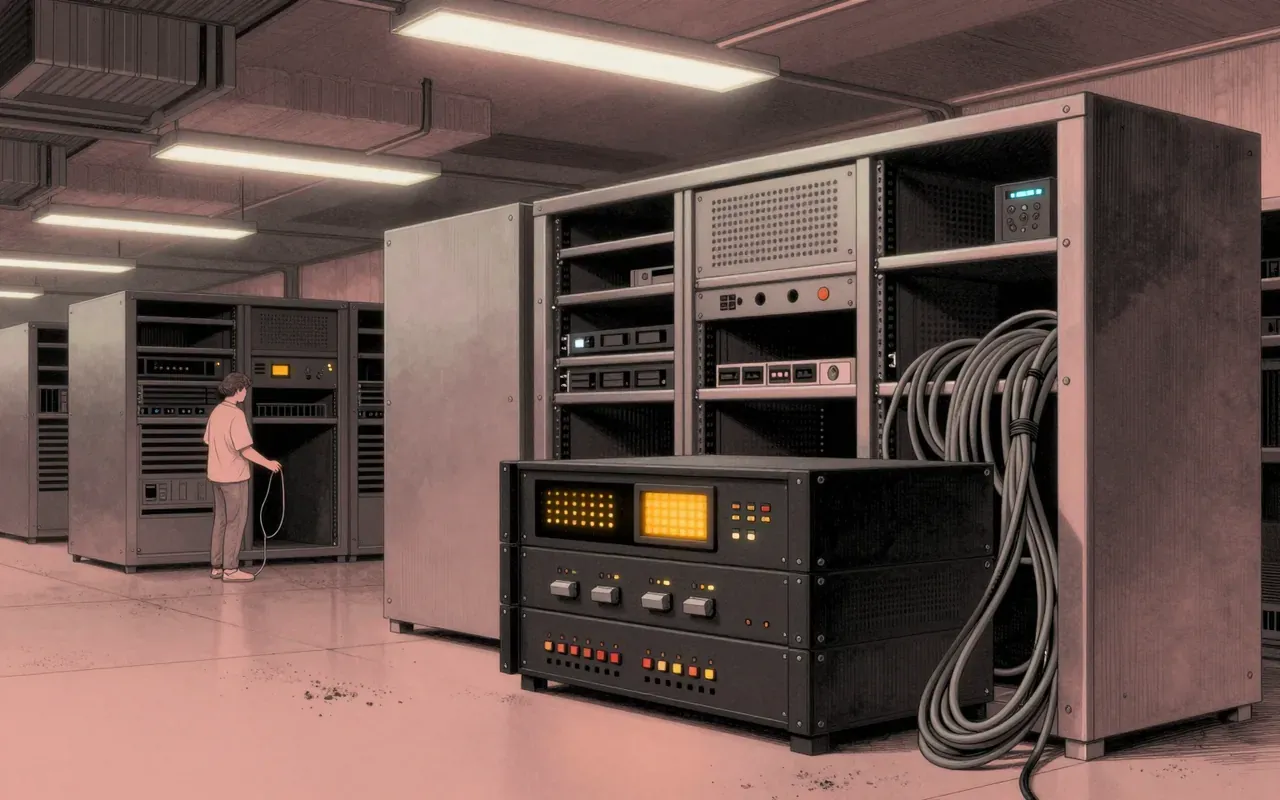
The Alesis Quadraverb is a rack-mount digital multi-effects processor introduced in the early 1990s. It focuses on reverb and delay but also offers pitch, EQ, and 'Change' effects. It runs up to four effects simultaneously in stereo or mono, covers 20 Hz–20 kHz, and connects via 1/4" stereo I/O and MIDI. Users value its lo-fi character—not its fidelity—for feedback loops and textural layering.

Chapters & takeaways4
  1. 0:59
    What it is

    A single-space rack unit built for reverb and delay first, everything else second.

  2. 2:34
    How it works

    Four effects at once—reverb, delay, pitch, EQ, or 'Change'—via 1/4" I/O and MIDI.

  3. 3:47
    What it does better

    Its lo-fi character and four-effect simultaneity make it uniquely useful for feedback and texture.

  4. 5:12
    What it doesn’t do well

    20 Hz–20 kHz bandwidth and full MIDI compatibility are standard—but don’t compensate for dated resolution.

Worth your time?

Yes. Use the whole thing.

3.5/ 5
What works
  • four-effect simultaneity in one rack space
  • distinct lo-fi character valued in feedback loops
  • MIDI controllability and 90 factory presets
What does not
  • deliver transparent modern reverb
  • support user-editable effect parameters
  • offer high-resolution dynamic range
Use it if
  • studio engineers seeking vintage digital grit
  • guitarists building feedback-heavy textures
  • producers layering lo-fi degradation
Skip it if
  • engineers needing surgical reverb control
  • users requiring modern DSP precision
  • anyone prioritising fidelity over character
The written brief1 min read

What it is and what it was built for

It is a rack-mount digital multi-effects processor built in the early 1990s. It was built for studio and live use as a compact, MIDI-controllable unit focused on reverb and delay, with supplementary pitch, EQ, and ‘Change’ effects.

How it works, in terms a player would use

It runs four effects at once—reverb, delay, pitch, EQ, or ‘Change’—via a LED display and parameter buttons. You route audio through its 1/4” stereo I/O, control it over MIDI, and select from 90 factory presets.

What it does better than anything else

It delivers a distinct lo-fi character that users value for feedback loops and textural layering. Its simultaneous four-effect capability in a single rack space gives dense, interwoven processing unavailable in most contemporaries.

What it does badly

It does not deliver transparent, high-fidelity reverb or delay. Its 85 dB dynamic range and early-1990s digital architecture limit headroom and resolution. It offers no user-editable parameters beyond preset selection and basic navigation.

What people made with it

People used it for lo-fi texture, feedback loops, and as a secondary effects unit—layering its character beneath cleaner processors or using it to degrade and reshape signals intentionally.

Who should use it, and who should not

Studio engineers seeking vintage digital grit should use it. Guitarists and producers building feedback-heavy or degraded soundscapes should use it. Anyone needing surgical reverb control or modern DSP precision should not.

Is it worth your time

Yes—if you want lo-fi texture, feedback-loop utility, or a secondary digital unit with vintage character. No—if you need clean modern reverb, precise editing, or high-resolution processing.
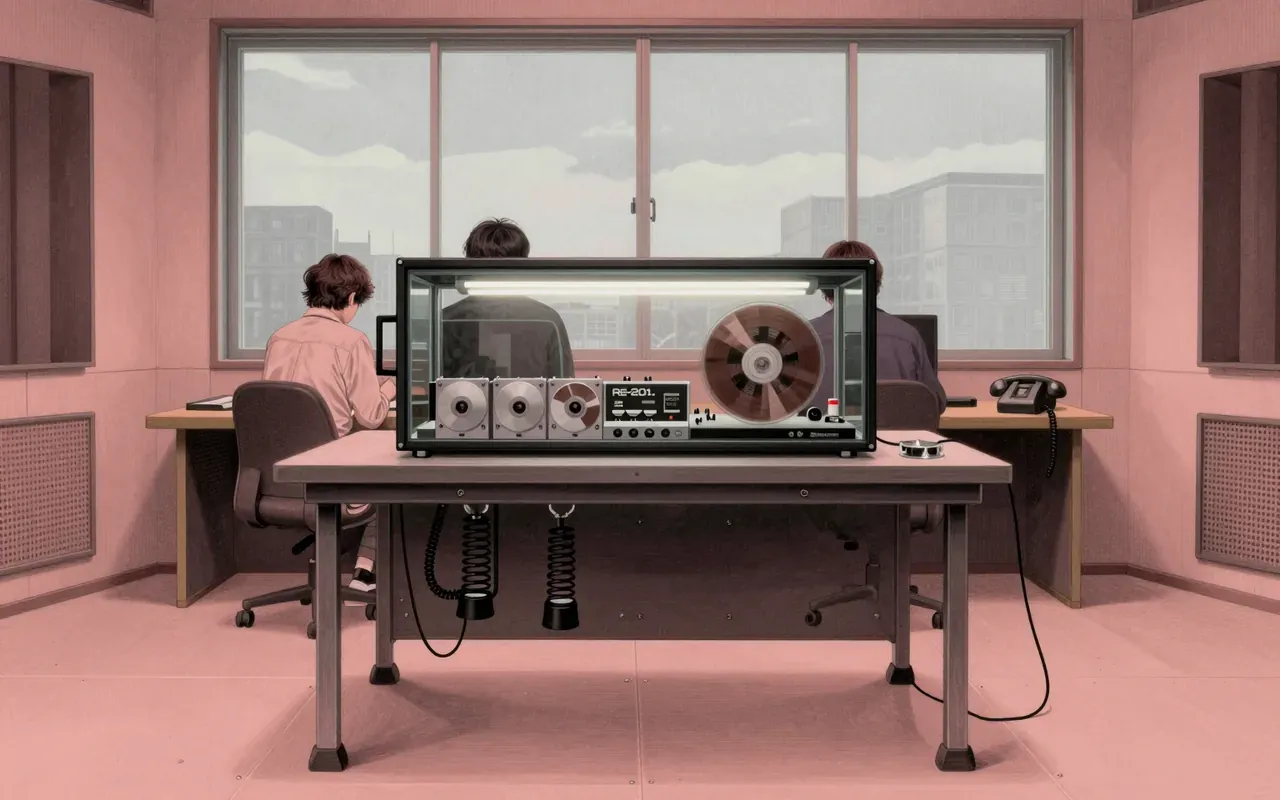
Same bench · Effects & pedals4 of 121
Up next in Audio

Yamaha QY70

Yamaha · 8:27

A battery-powered MIDI sketchpad that trades runtime and screen space for unmatched portability and voice depth.

8:27