audiobriefs
8:09in productionCh. 1 · Fidelity First/ 8:09 · ceiling 15 min
Sound design & sampling · Instruments

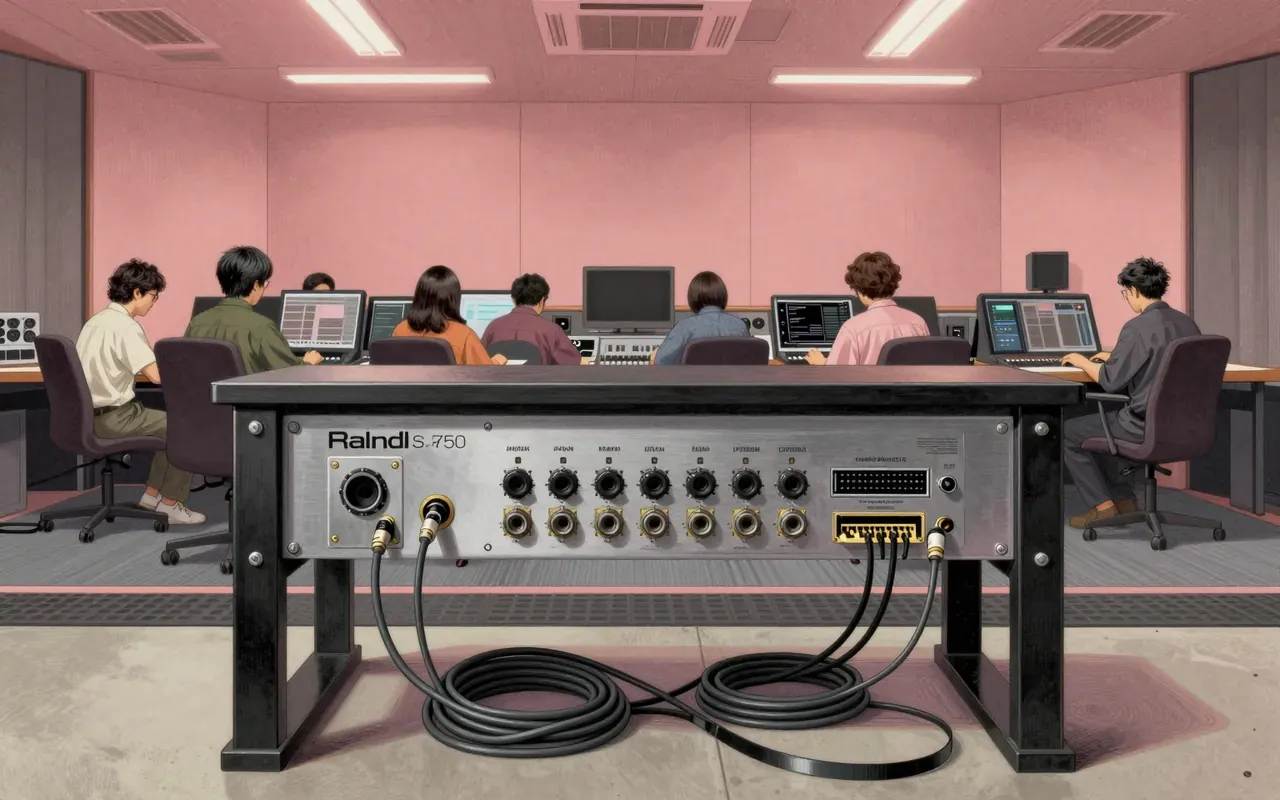
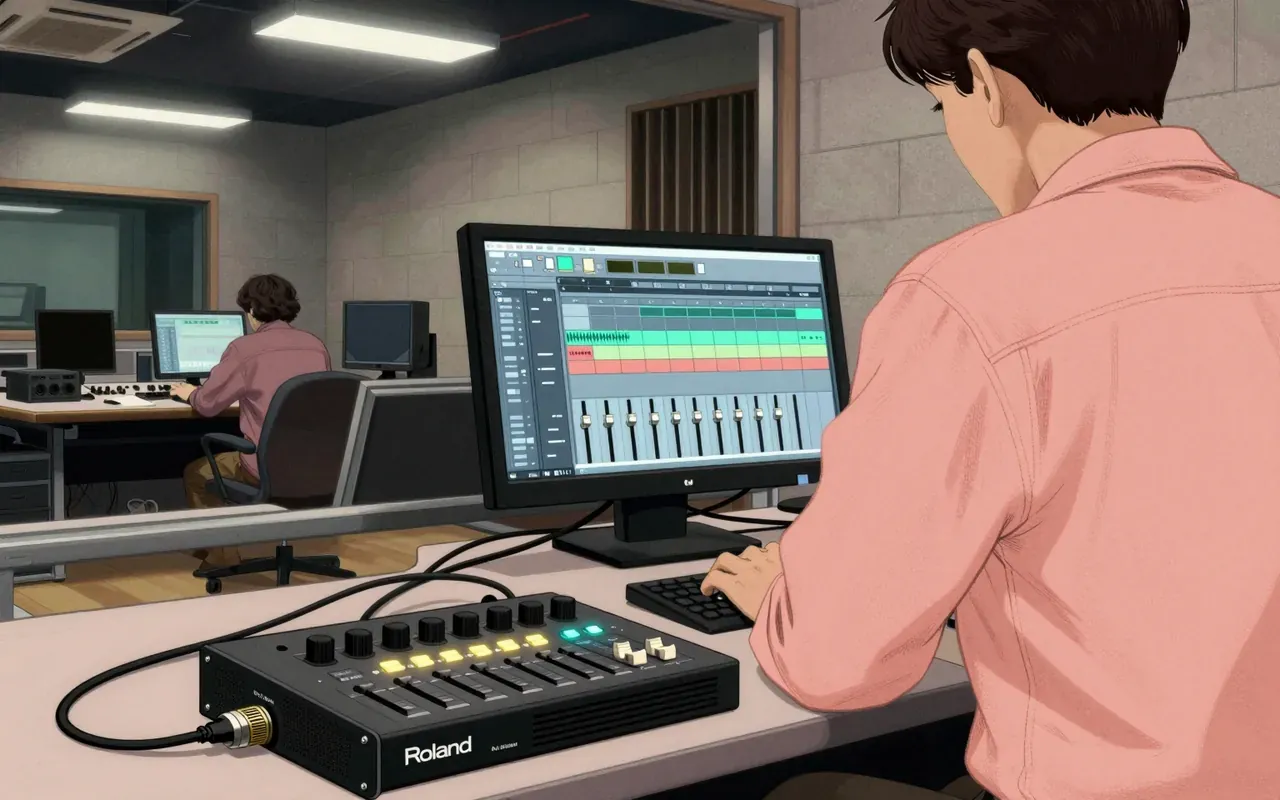
Roland S-760

A pure sampler—no synthesis, no effects, just 24 voices of unadorned 16-bit stereo sampling.

The Roland S-760 is a 1990 rackmount sampler. It samples at 44.1 kHz or 48 kHz with 16-bit stereo resolution. It supports 24-voice polyphony across 32 multitimbral parts. It uses no synthesis method beyond sampling. It has built-in filters but no effects.

Chapters & takeaways4
  1. 1:04
    Fidelity First

    Samples at CD-standard 44.1 kHz or 48 kHz—16-bit stereo, no interpolation tricks.

  2. 2:04
    Polyphony Without Compromise

    24 voices spread across 32 multitimbral parts—tight control, no oversubscription.

  3. 3:47
    No Synthesis, No Distraction

    Sampling only—no oscillators, no FM, no wavetable, no granular, no synthesis at all.

  4. 4:50
    One Job, Done Clean

    A dedicated hardware sampler built for precision—not versatility.

Worth your time?

Yes. Use the whole thing.

3.5/ 5
What works
  • polyphony
  • multitimbrality
  • sample fidelity
What does not
  • synthesis
  • effects
  • resampling
Use it if
  • studio-based samplers
  • MIDI-centric producers
  • RAM-conscious sound designers
Skip it if
  • live performers
  • effect-dependent producers
  • modern DAW-integrated workflows
The written brief1 min read

What it is and what it was built for

The Roland S-760 is a 1990 rackmount sampler built for studio-based sampling workflows where fidelity, polyphony and multitimbral control mattered more than real-time effects or synthesis.

How it works, in terms a player would use

It loads samples into RAM. You assign them to keys. You trigger them with MIDI. You shape them with built-in filters. You layer up to 32 parts, but only 24 voices play at once.

What it does better than anything else

It delivers stable 24-voice polyphony across 32 multitimbral parts while running 16-bit stereo samples at 44.1 kHz or 48 kHz—without aliasing or voice-stealing artefacts typical of earlier samplers.

What it does badly

It cannot process sound beyond filtering. It has no reverb, delay, chorus or distortion. It cannot resample internally. It offers no synthesis engine—only playback.

What people made with it

No source states what people made with it.

Who should use it, and who should not

A producer who values tactile, RAM-constrained sampling discipline and wants zero synthesis interference. Not for anyone needing effects, resampling, or modern workflow integration.

Is it worth your time

Yes—if you want a no-synthesis, no-effects, filter-equipped rack sampler from 1990 that runs on physical RAM and demands hands-on sample management.
Same bench · Sound design & sampling4 of 107
Up next in Audio

Akai S1100

Akai · 9:50

A sampler with no specs is a black box — not mysterious, just unusable.

9:50