
audiobriefs
9:24in productionCh. 1 · What it is/ 9:24 · ceiling 15 min
Synths & drum machines

Access Virus

A hardware synth that refuses to be just one thing—and pays for it in flexibility, not fidelity.

The Access Virus is a series of virtual analog synthesizers made by Access Music GmbH, first produced in 1997 and upgraded frequently since. It employs subtractive, phase distortion, FM, and (from the TI series) wavetable synthesis. The Virus B is a desktop (rackable) module without a keyboard. The Virus C was released in 2002. The Virus TI series was released in November 2005. The Virus TI2 was released in March 2009. Production of the Virus TI2 was discontinued a few months before February 2024.

Chapters & takeaways4
  1. 1:06
    What it is

    It is a German-made virtual analog synth line, launched in 1997 and iterated across six major hardware revisions.

  2. 2:32
    How it synthesises

    It switches between subtractive, phase distortion, FM, and (from 2005) wavetable synthesis—per patch, not per model.

  3. 4:13
    How it evolved

    Form factor changed across versions: rack-only (B), expanded polyphony (C), keyboard options (TI), faster DSP (TI2).

  4. 5:30
    When it stopped

    Production of the final model, the TI2, ended a few months before February 2024.

Worth your time?

Yes. Use the whole thing.

4/ 5
What works
  • real-time, multi-layered sound design across synthesis types in one unit
  • immediate, parallel routing of multiple sources to multiple destinations without menu diving
  • dense, evolving patches with low latency
What does not
  • support modern DAW integration like MPE or deep parameter automation mapping
  • have a built-in sequencer or arpeggiator beyond basic patterns
  • offer visual feedback for complex modulation routings beyond LED indicators
Use it if
  • studio producers who want hardware immediacy and synthesis variety in a single box
Skip it if
  • anyone needing deep MIDI learn, VST3 hosting, or integrated sampling
The written brief1 min read

What it is and what it was built for

It is a series of virtual analog synthesizers built for studio and stage use by Access Music GmbH. It was built to deliver flexible, performance-ready synthesis in hardware form—with evolving capabilities across generations.

How it works, in terms a player would use

It runs virtual analog oscillators through filters and effects, with a modulation matrix that lets you route sources to destinations. You select synthesis types—subtractive, phase distortion, FM, or (from the TI series) wavetable—per patch. The interface is hardware-based: knobs, sliders, and buttons control parameters in real time. Some models are rack units; others include keyboards.

What it does better than anything else

It handles real-time, multi-layered sound design across synthesis types in one unit better than most contemporaries. Its modulation matrix allows immediate, parallel routing of multiple sources to multiple destinations without menu diving. Its DSP architecture sustains dense, evolving patches with low latency.

What it does badly

It does not support modern DAW integration like MPE or deep parameter automation mapping. It has no built-in sequencer or arpeggiator beyond basic patterns. Its interface offers no visual feedback for complex modulation routings beyond LED indicators.

What people made with it

Producers used it for layered basses, aggressive leads, and shifting atmospheric textures—especially in electronic, pop, and film music contexts where timbral complexity and real-time control mattered more than sample accuracy or granular editing.

Who should use it, and who should not

Studio producers who want hardware immediacy and synthesis variety in a single box should use it. Anyone needing deep MIDI learn, VST3 hosting, or integrated sampling should not.

Is it worth your time

Yes—if you need a hands-on, multi-synthesis engine that fits in a rack or on a desk and responds immediately to physical control. No—if you require modern plugin integration, deep sample manipulation, or tactile feedback beyond rotary encoders and faders.
Same bench · Synths & drum machines4 of 243
8:33
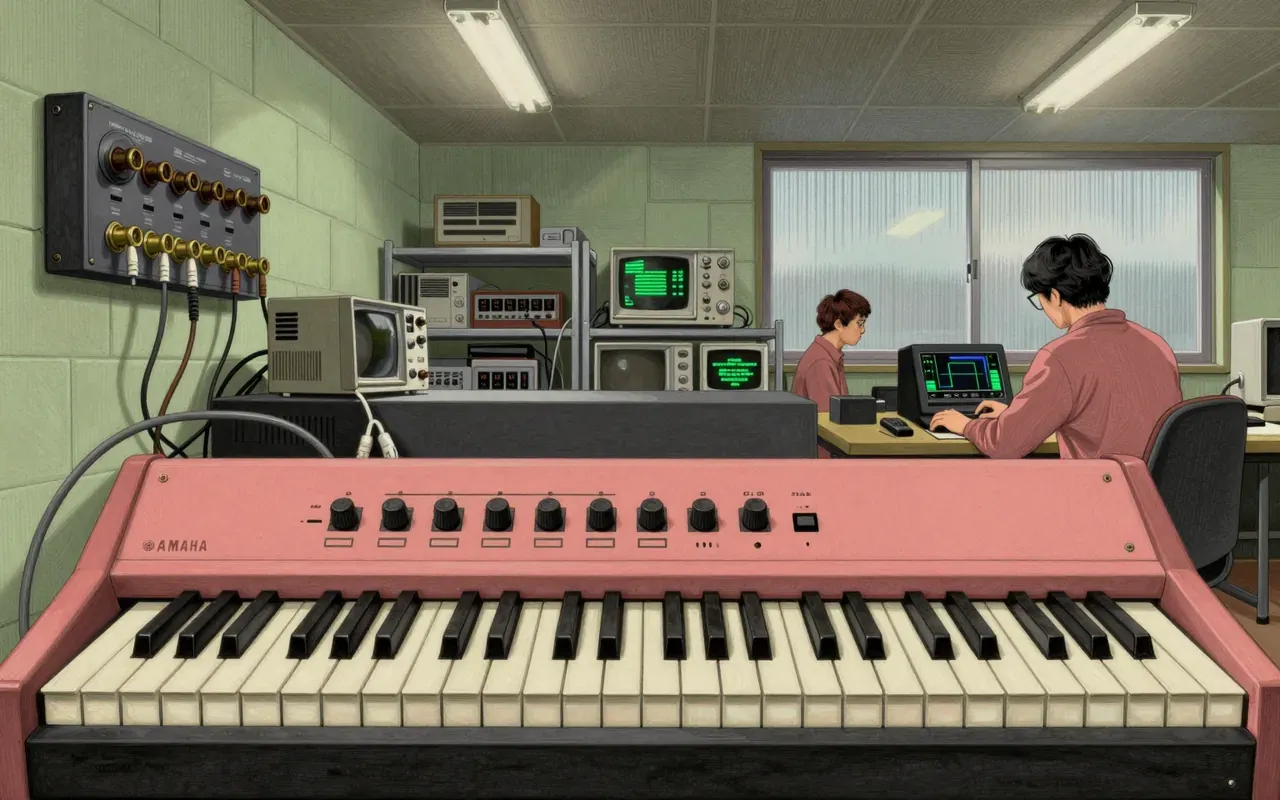
Yamaha CS-50YamahaThe Yamaha CS-50 is a 4-voice, 49-key, pressure-sensitive synthesizer released in 1977. It visually resembles a scaled-down CS-80, weighs about 100 pounds, and shares the CS-series sound — but with thin chords (one oscillator per voice, 12 dB/oct filters), no user memory, and unstable tuning.
9:26
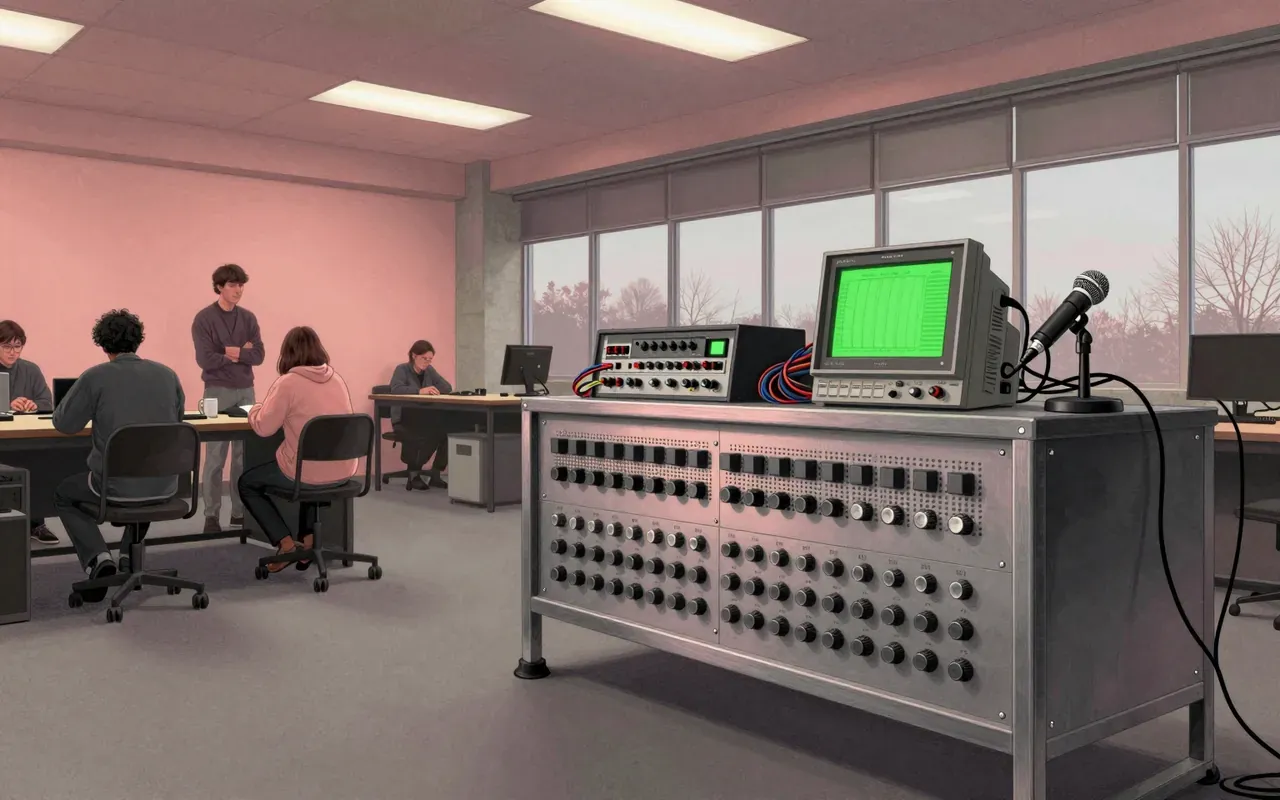
ARP 2500ARPThe ARP 2500 is a monophonic or duophonic analog modular synthesizer introduced in 1970 as the first product of ARP Instruments. It used matrix switches instead of patch cables, enabling a cable-free experience but suffering from dirty connections and crosstalk. Its voltage-controlled oscillators achieved good tuning stability compared to competitors, due to patented exponential converters and a dual core design. The matrix switch scheme allowed any module's output to connect to any other module's input.
8:19
Mutable Instruments BraidsMutable InstrumentsBraids delivers radical timbral variety in minimal space—but with no internal editing, no tuning stability guarantees, and no analogue circuitry. It is a selector, not a synthesizer.
9:02
Access VirusAccessThe Access Virus is a series of DSP-based virtual analog synthesizers introduced in 1997 and updated through the TI series. It offers subtractive, phase distortion, and FM synthesis—with wavetable added from the TI generation onward. Formats include rack modules (Virus B, C, TI Snow), keyboard versions (Virus KB, TI Keyboard, TI Polar), and fixed control layouts. It prioritises polyphonic stability, real-time editing, and aggressive tonal character over tactile expressivity or modern integration.
Up next in Audio

List of vocoders

Roland · 8:52

A list is not a vocoder — and naming it after Roland confuses a Frankish warlord with a Japanese electronics firm.

8:52