What it is and what it was built for
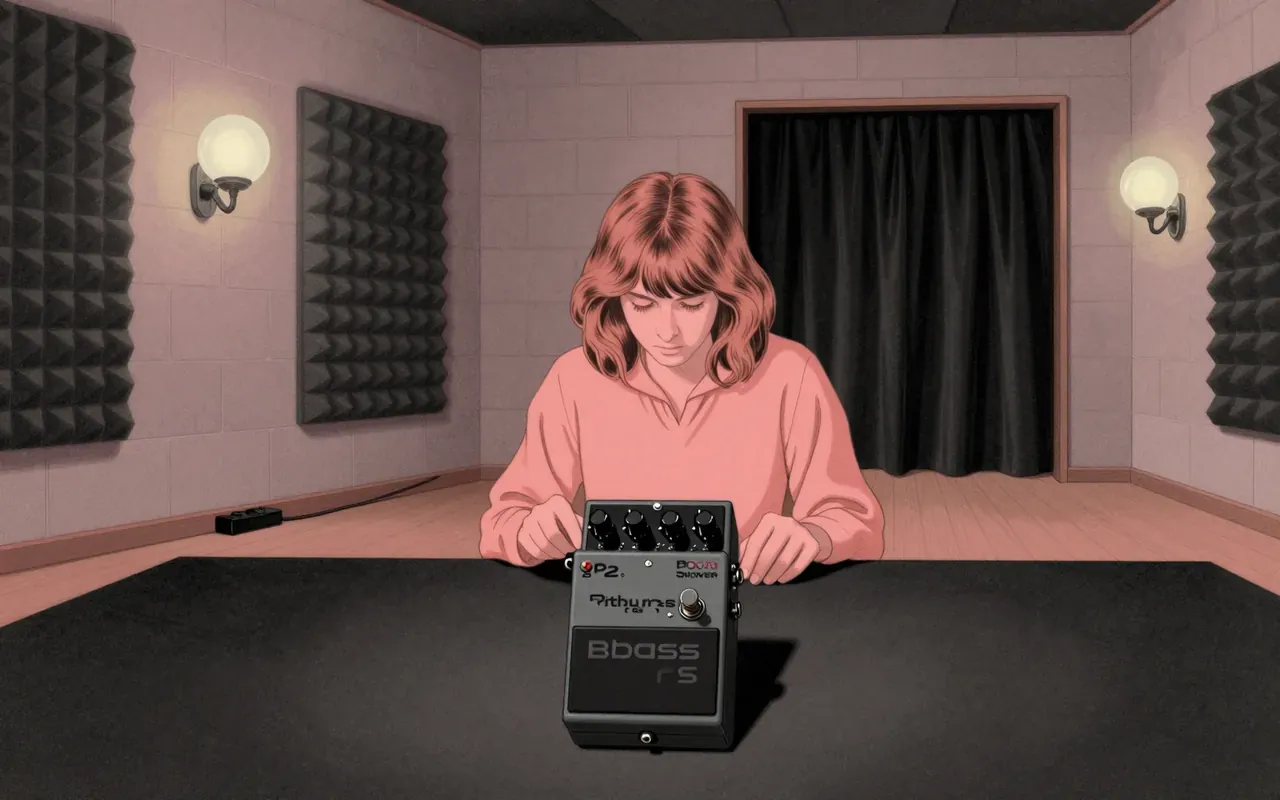
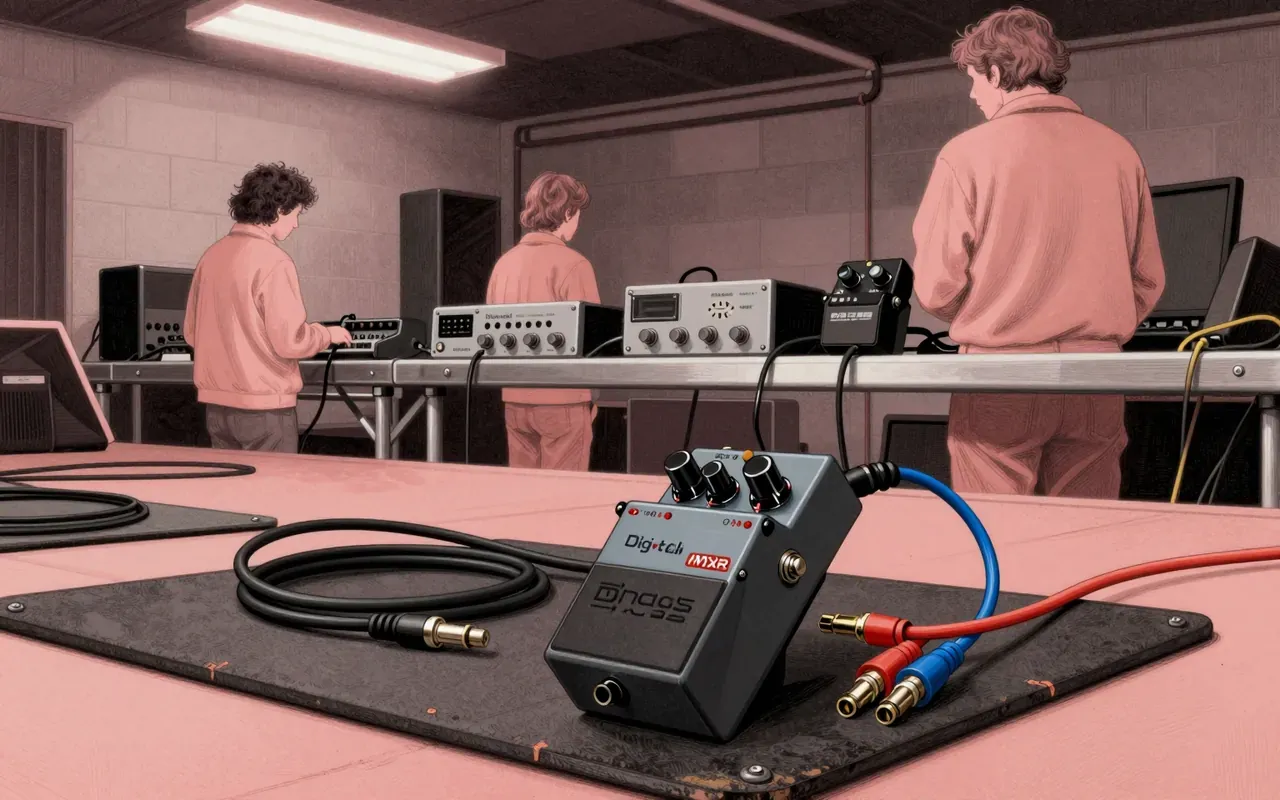
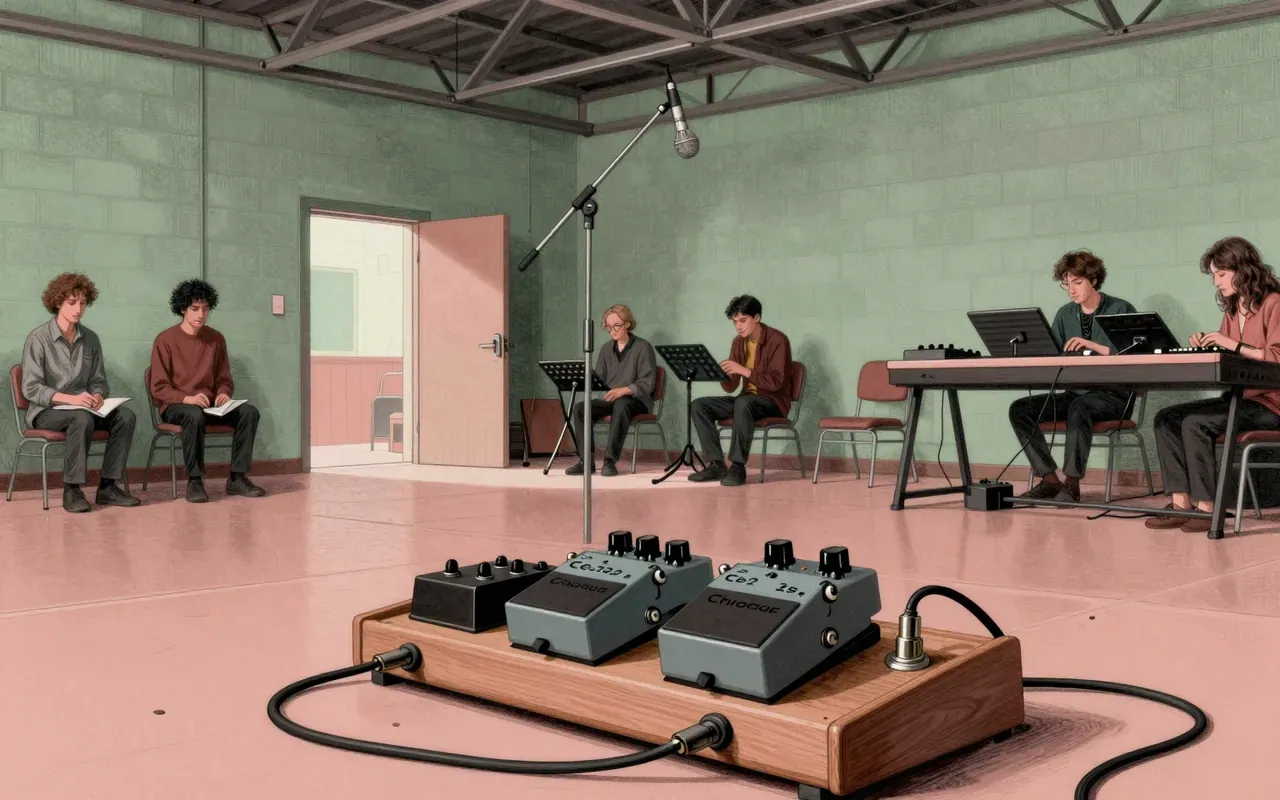
It is Boss’s first chorus pedal: an analog guitar effects stomp box built to add chorus or vibrato — one at a time — using discrete circuitry in a cast aluminium enclosure.
How it works, in terms a player would use
It is a stomp box with two foot-switchable modes: chorus or vibrato — never both at once. It has dedicated knobs for chorus intensity, vibrato rate and depth, a level control, and a high/low tone toggle. Input and output are 1/4 inch. Power is supplied via a fixed cable.
What it does better than anything else
It does better than anything else delivering a warm, swimming, three-dimensional modulation that feels physically present — not digital, not clean, not precise — because it is analog and unfiltered by modern design compromises.
What it does badly
It does badly anything requiring flexibility: no blending of chorus and vibrato, no external expression control, no stereo output, no tap tempo, and no power isolation from the fixed cable.
What people made with it
People made lush, liquid guitar textures with it — the kind that swell and recede like breath — on recordings where modulation had to feel organic, not programmed.
Who should use it, and who should not
Use it if you want vintage Boss analog modulation with zero digital mediation and are willing to work within its binary mode switch and fixed power. Do not use it if you need stereo, expression control, silent switching, or dual modulation.
Is it worth your time
It is worth your time only if you need the specific analog texture of its single-mode modulation and can accept its physical constraints: no true bypass, no battery option, no rack mounting, and no simultaneous chorus+vibrato.