What it is and what it was built for
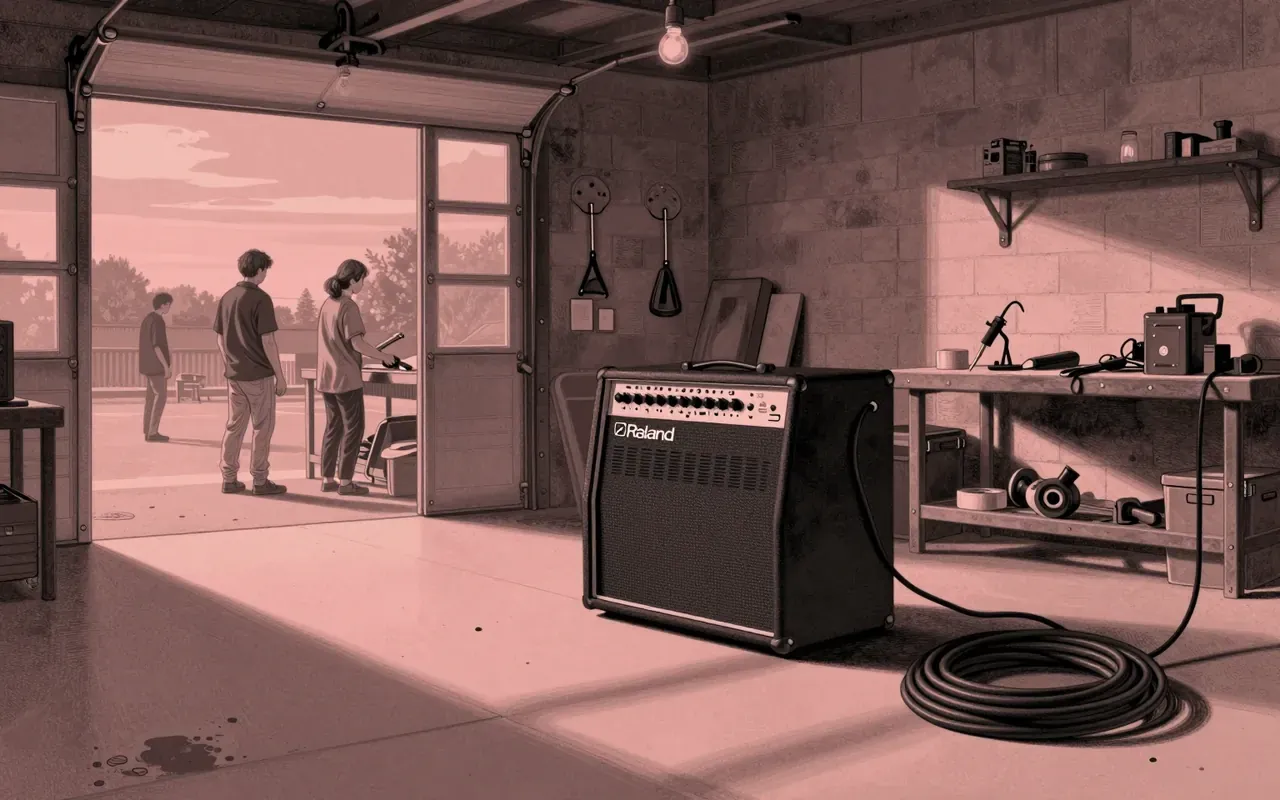
The Roland Cube-60 is a 60-watt solid-state modelling combo guitar amplifier introduced in 2004. It was built for players needing portable, plug-and-play tone with zero external gear.
How it works, in terms a player would use
It has two channels — clean and drive — each with independent gain and volume knobs. Both share a four-band EQ. The drive channel adds eight COSM amp models, selectable via front-panel controls. Effects are built in and bypassable via rear-panel switches. A single jack serves as both headphone output and line-out.
What it does better than anything else
It integrates modelling, effects, and full-volume practice into one lightweight 60-watt unit with a 12-inch speaker — more cohesively than any competing solid-state amp of its era.
What it does badly
It offers no footswitching for channel or effect selection. There is no dedicated reverb or delay level control per model. The shared EQ means tonal shaping cannot be saved per amp model. It cannot run effects in the signal path before the amp model.
What people made with it
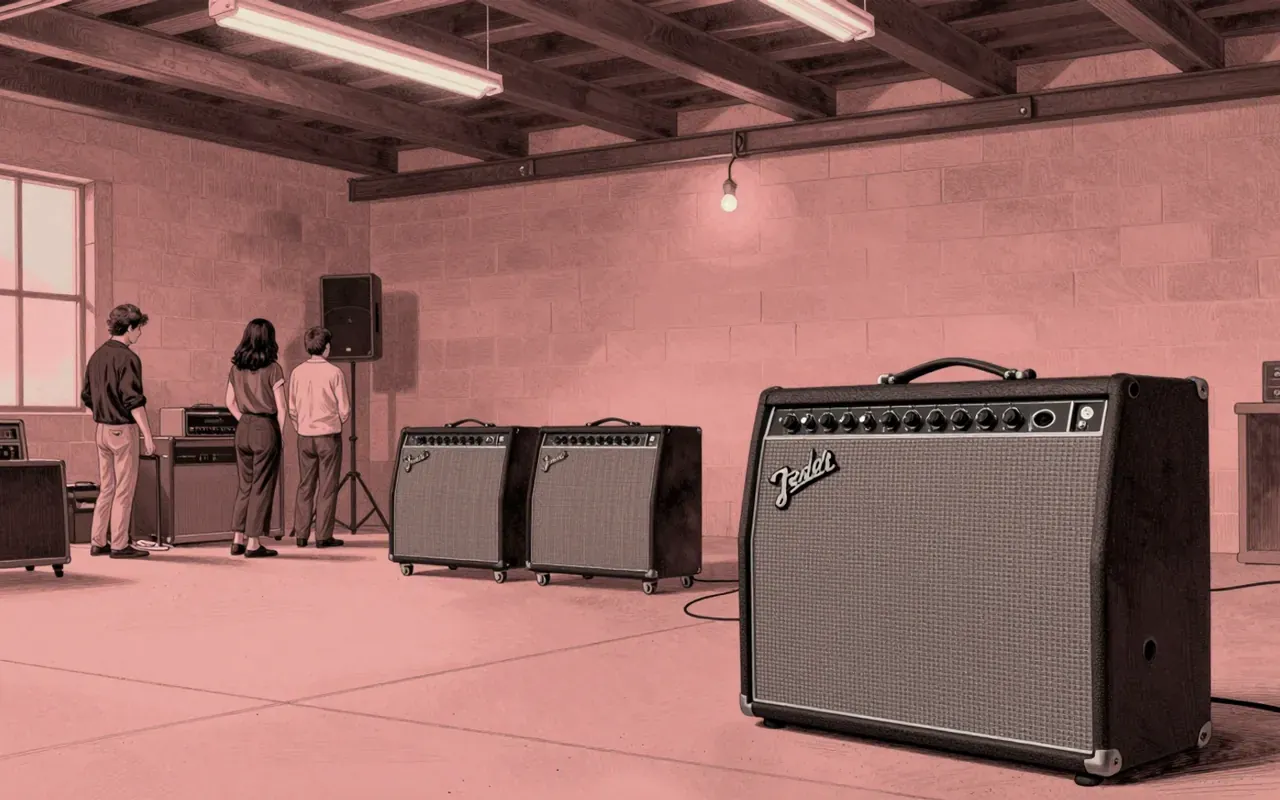
Players used it for bedroom practice, busking, rehearsal rooms, and low-volume live sets — especially where quick setup, reliability, and headphone use were essential.
Who should use it, and who should not
Beginners building their first rig. Bedroom players needing silent practice. Mobile performers who gig acoustically or at low volumes. Anyone who prioritises consistency over amp character.
Is it worth your time
Yes — if you need a portable, self-contained practice and small-gig amp that delivers consistent tone without speaker-miking or pedalboard complexity. No — if you rely on tactile amp interaction, valve response, or external signal routing beyond a single line out.