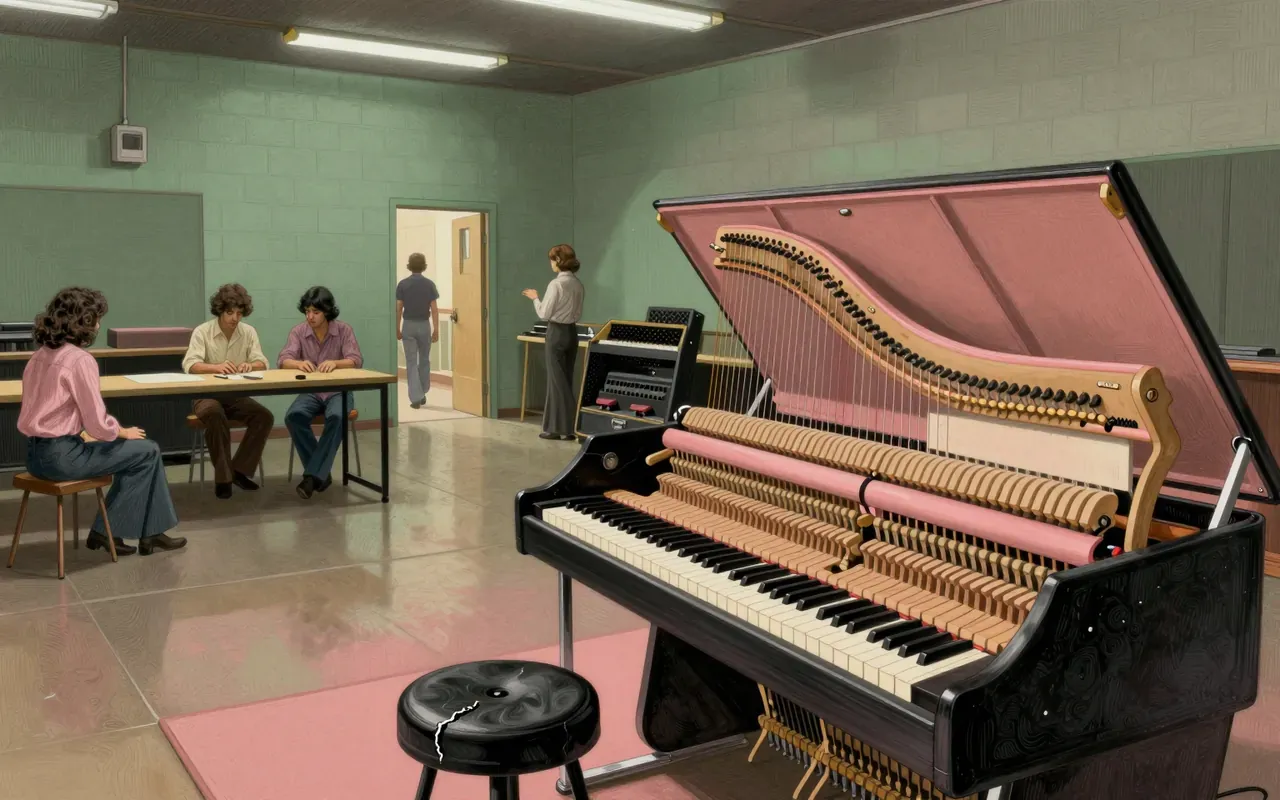
Rhodes Rhodes Mark II
Rhodes
The Rhodes Mark II Stage Piano is a Fender-built electric piano in the Rhodes series. No technical specifications are available. Its value is $900. That is all that is known.
The Rhodes Mark II Stage Piano is a Fender-built electric piano in the Rhodes series. No technical specifications are available. Its value is $900. That is all that is known.

The Yamaha RX11 is a 1984 digital drum machine using 29 fixed 8-bit PCM samples. It was built to accompany the DX7. Each sound has independent volume, pan, and a dedicated audio output. Its interface is laborious. Its sound is synthetic and dated — yet valued in electro and downtempo for its unvarnished 1980s character.
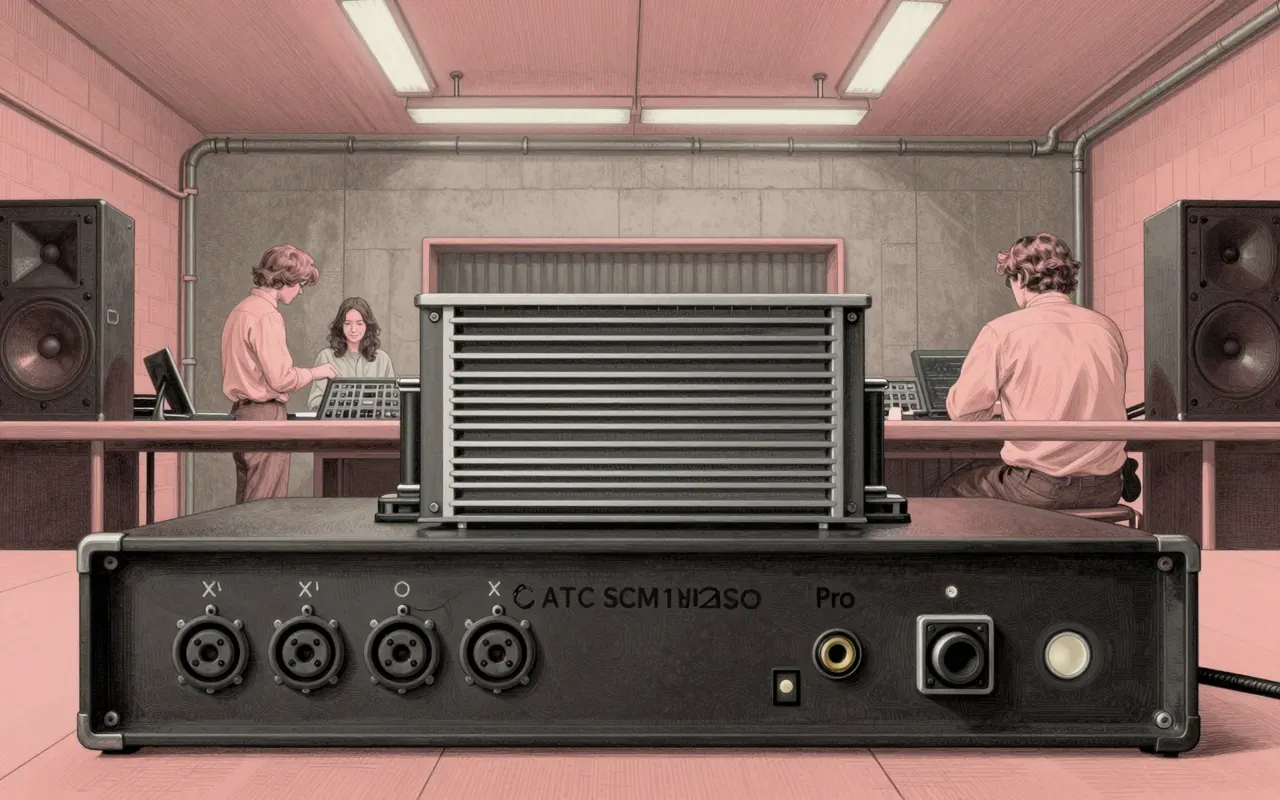
The ATC SCM100ASL Pro is an active studio monitor. No technical specifications are available. It requires no external amplifier. Its performance boundaries are undocumented.

The Yamaha SG2000 is an SG-shaped solid-body electric guitar produced from 1976 to 1988. It features two splittable humbuckers, a three-position pickup selector, push/pull volume controls for coil-splitting, and 22 frets. It is no longer sold and was succeeded by a 2007 reissue.
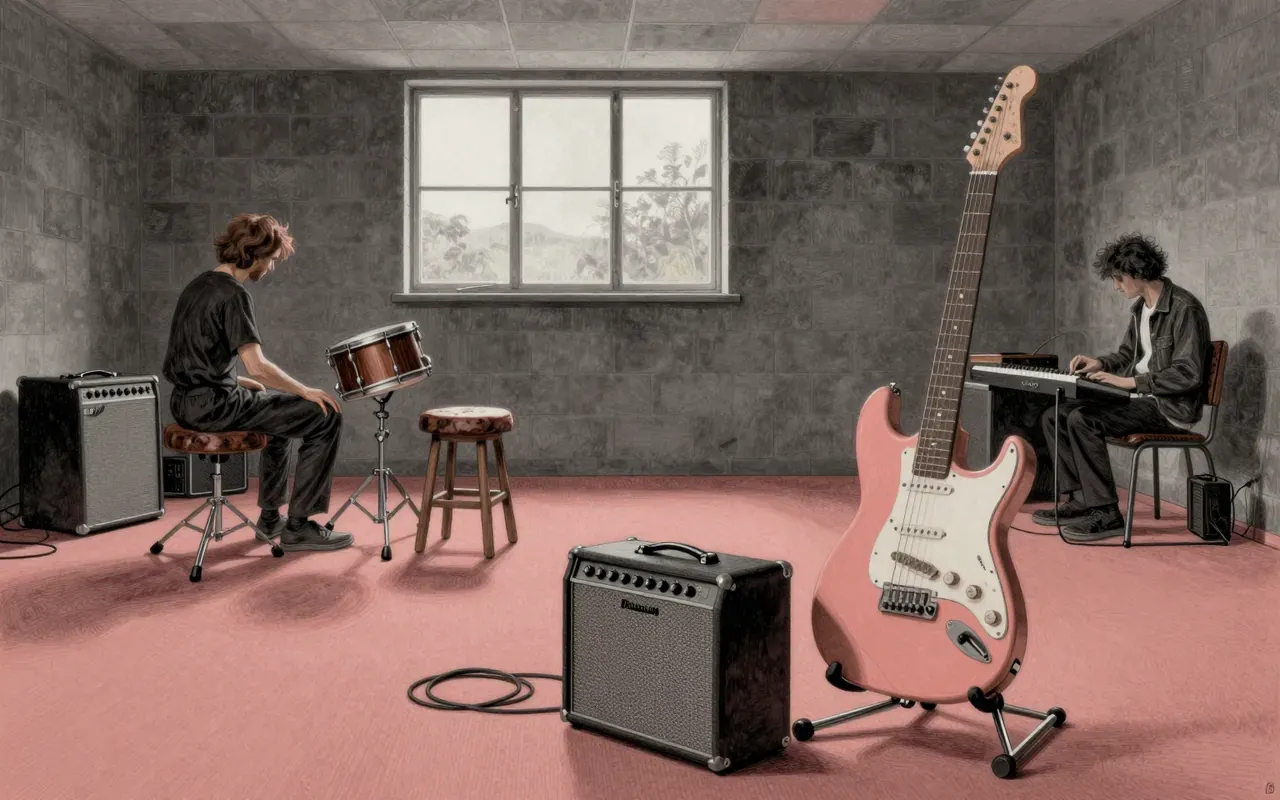
The Squier SP-10 is a 10W solid-state guitar amp for beginners. It delivers clean and gain channels through a single volume knob, bass and treble tone controls, and a gain switch. It has no midrange control, no effects loop, and no channel-specific volume. Input and headphone jacks are separate. Its design prioritises simplicity and portability over tonal range or headroom.
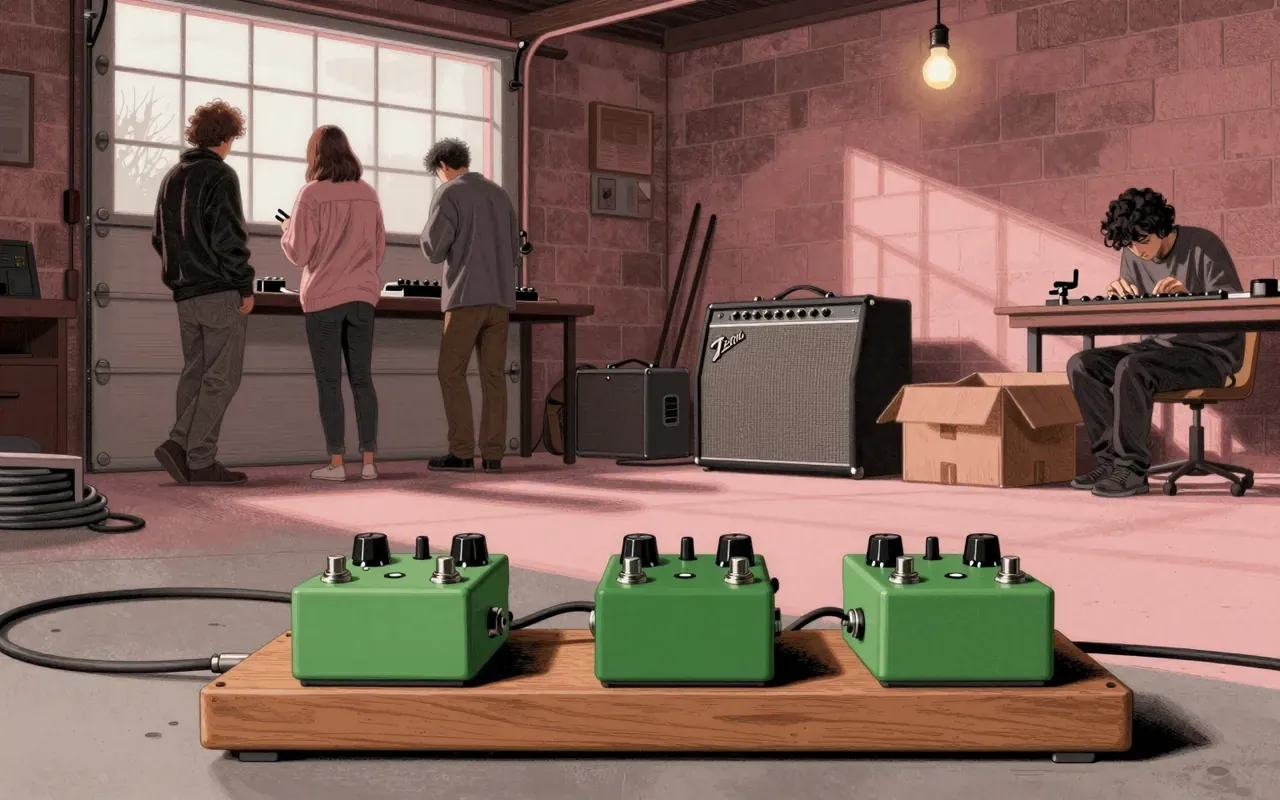
A fuzz pedal named Swollen Pickle, sold under multiple variants. The source confirms only its category and naming variations — nothing about sound, circuit, usability, or musical role.
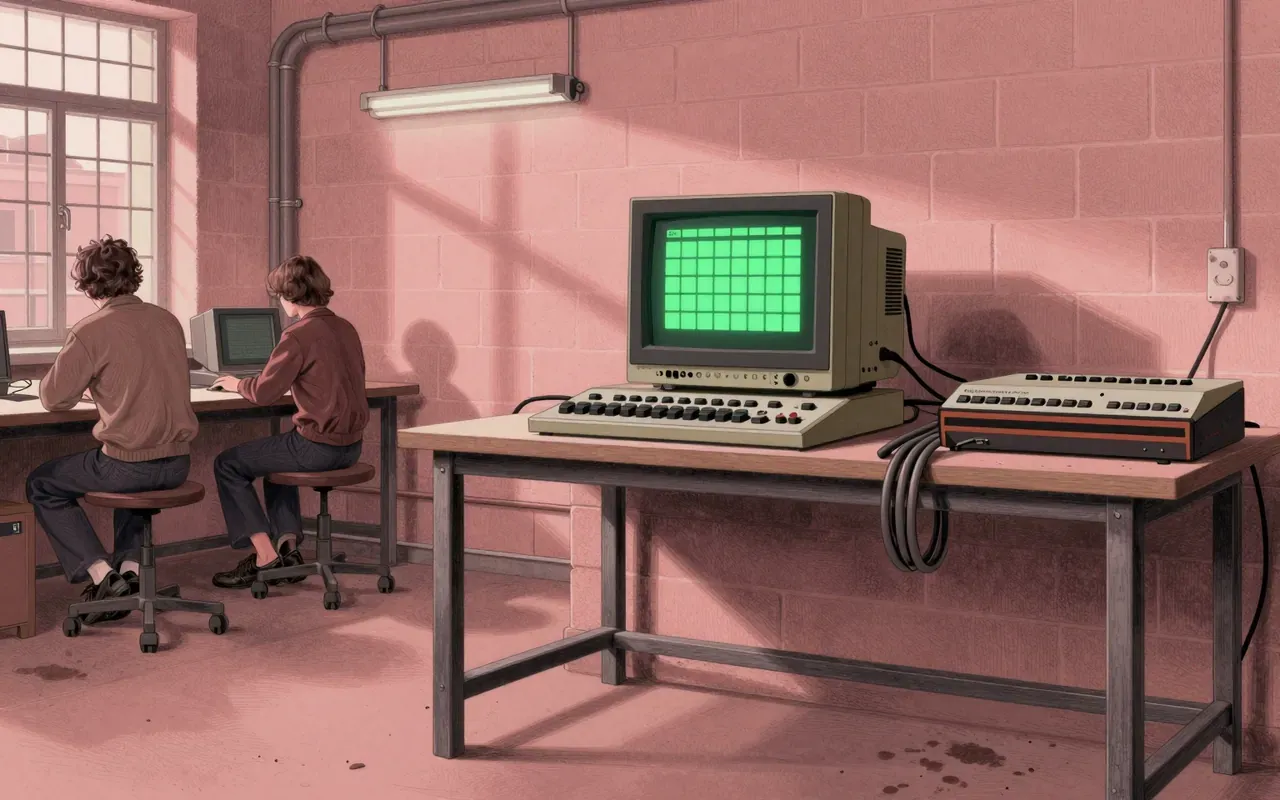
A British drum computer from 1981–1983. It merges analogue synthesis and 8-bit digital sampling across 14 independent voices (5 digital), sequenced via CRT graphics and controlled by a Nascom 2 computer.
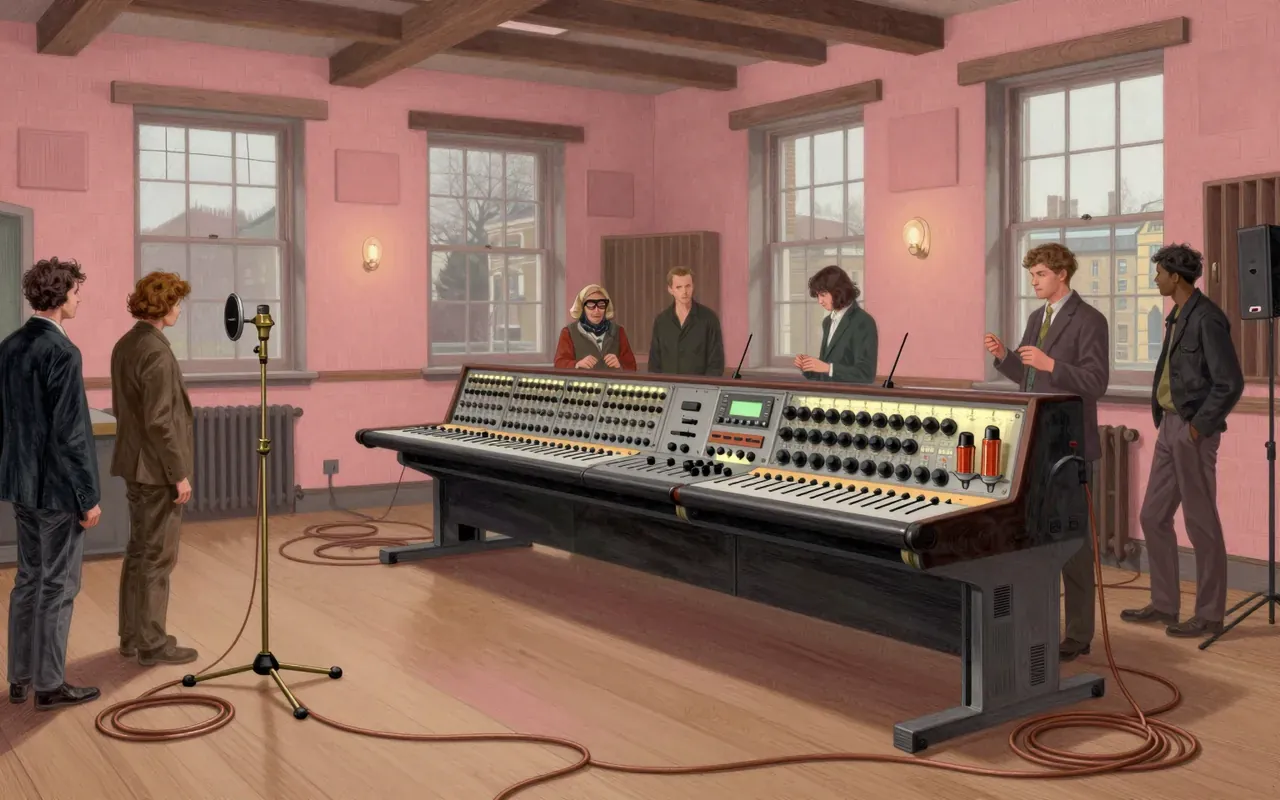
The EMI REDD was not a product. It was Abbey Road’s first custom-built, vacuum-tube-based stereo mixing system — engineered in-house, adapted for four-track tape, and retired when it could not scale beyond four outputs. Its sound came from saturation, not precision. Its limits were physical: fixed routing, no patching, no serviceability. Its legacy is inseparable from the room, the tape machines, and the engineers who worked it daily.

The Roland SH-1000 is a compact 1973 synthesizer — the first made in Japan and the first by Roland. It resembles a home organ, with 10 preset voices and a manually editable section. It has no user program memory. Its effects include white noise, portamento, octave transposition, two LFOs and a random note generator. It simulates multiple oscillators using 8 sub-osc keys; a ninth key triggers white or pink noise.
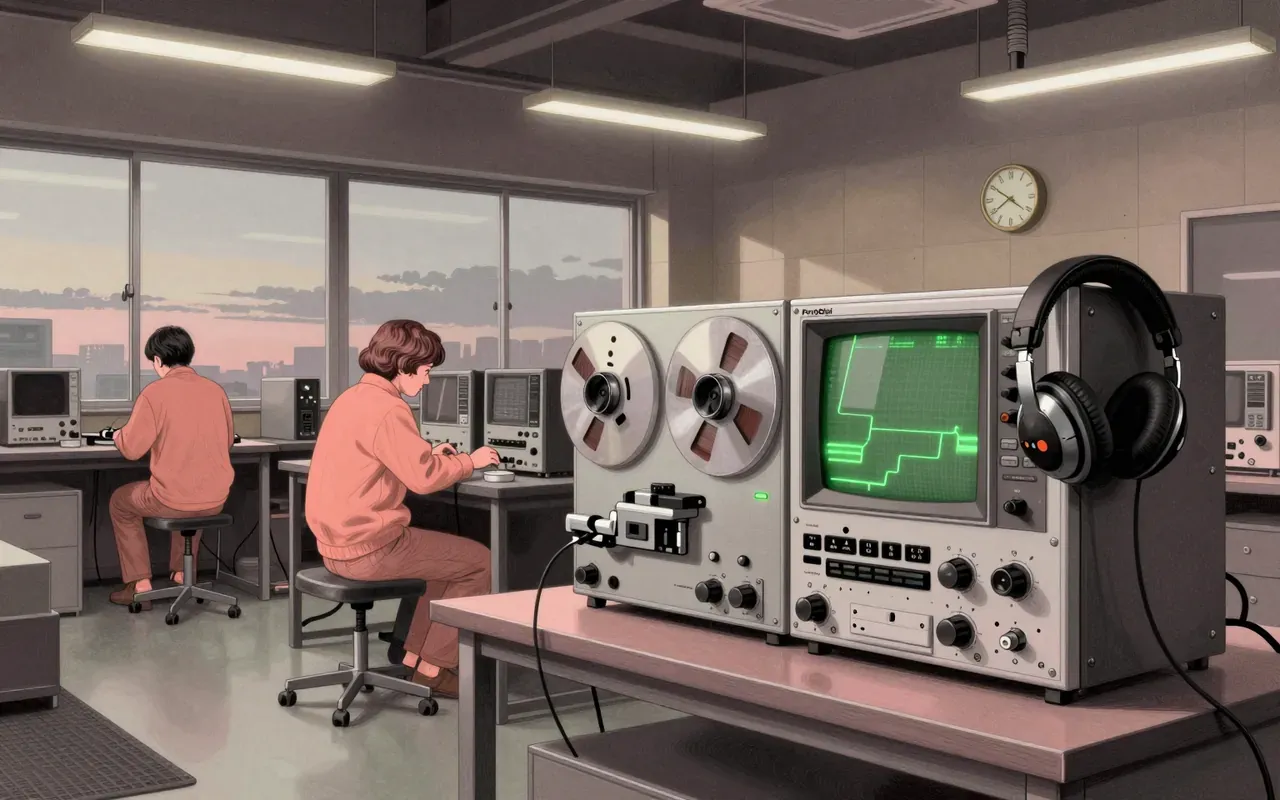
ProDigi was a professional reel-to-reel digital audio tape format with stationary heads, introduced in the mid-1980s, using linear digital recording with cyclic redundancy check error correction on metal particle tape in 2-, 16-, and 32-track configurations; it was widely adopted in Nashville country music studios but declined by the mid-1990s with the rise of Pro Tools.
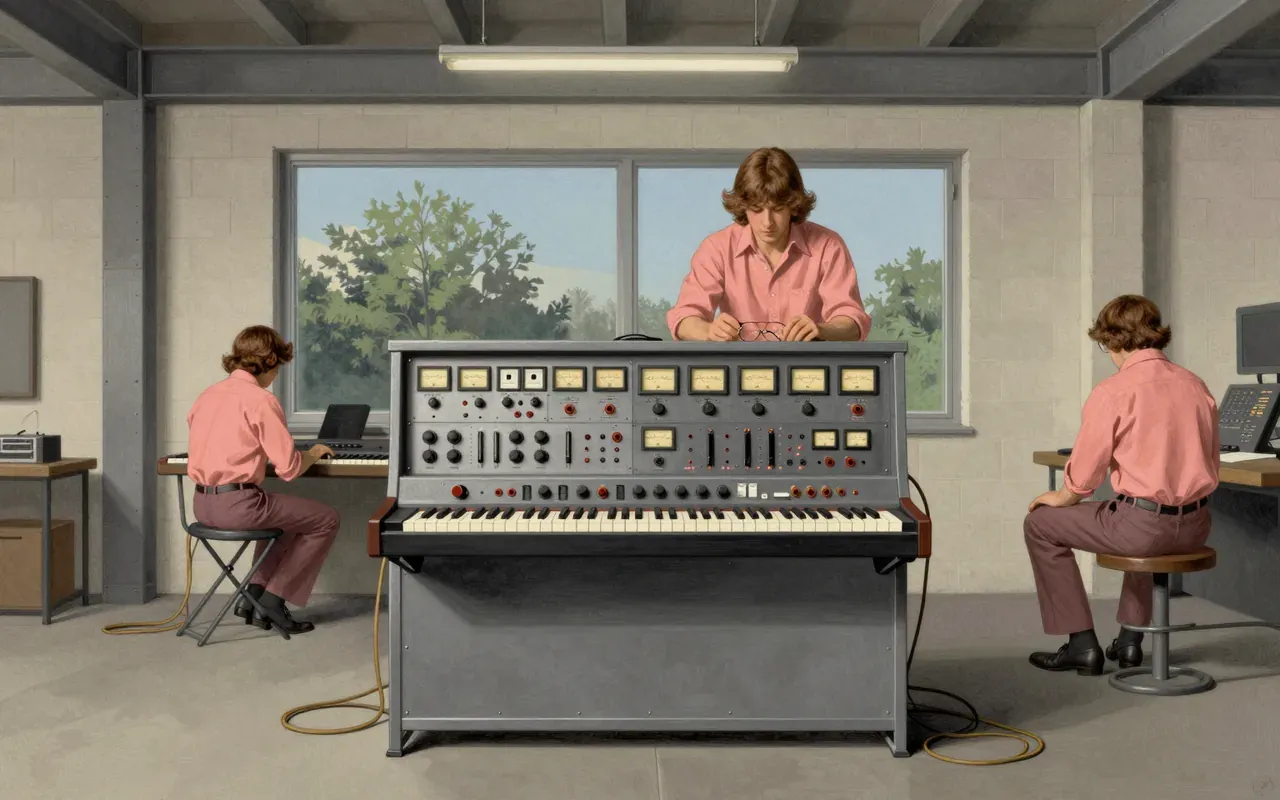
The E-mu Modular System is an analog modular synthesizer introduced in 1972 by E-mu Systems as a competitor to ARP and Moog modular synthesizers. It featured a microprocessor-controlled polyphonic keyboard and sequencer — claimed by E-mu to be the first of its kind — and allowed sound creation via patch cord routing among user-specified modules. Users could store configurations using 'firm-wire' patches, and the system was capable of producing any popular synthesizer sound of the era, noted for a 'cleaner' sonic character than competitors.
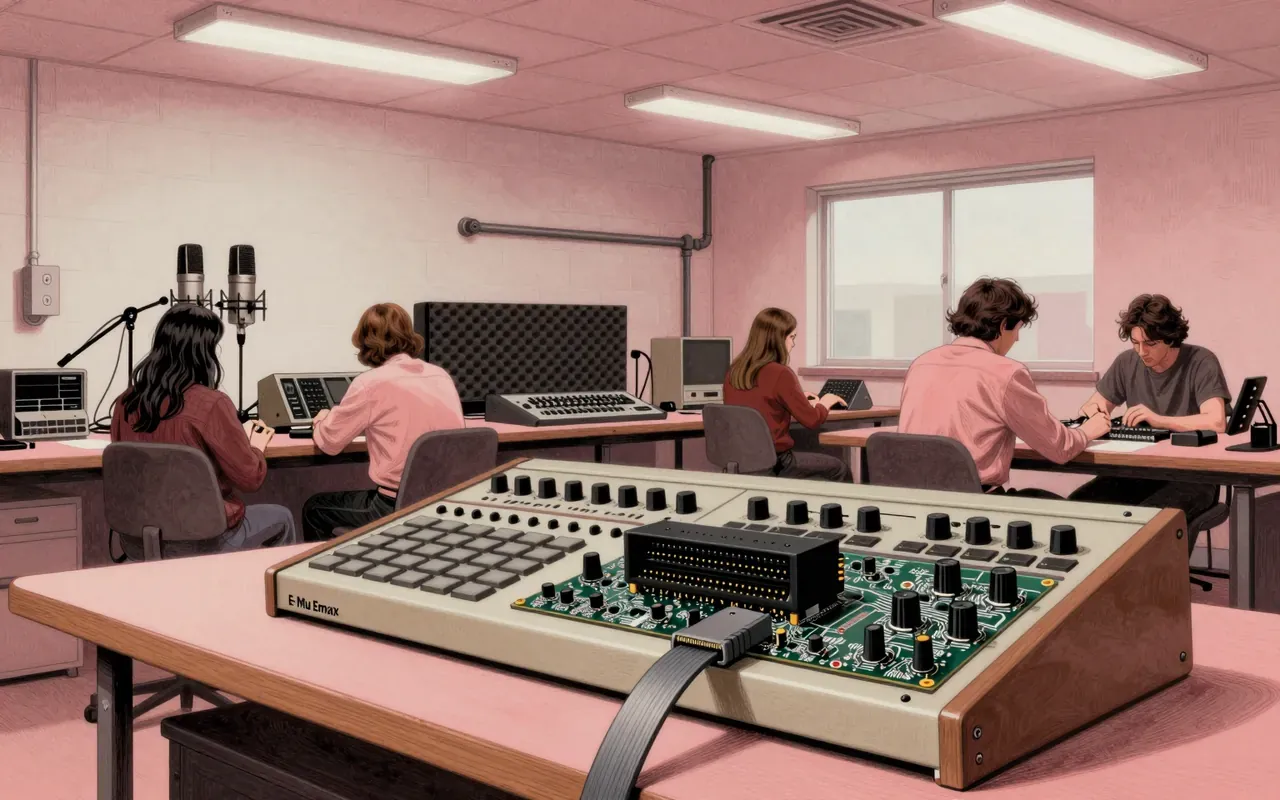
The Emax is a line of samplers introduced by E-mu Systems in 1986 as a low-cost version of the Emulator II. It stored samples on 3½" floppy disks — more reliable than the Emulator II’s 5¼" disks. Models include the HD (with 20 MB hard drive), SE (with additive synthesis), and Plus (with SCSI). All models retain 512 KB of sample memory.
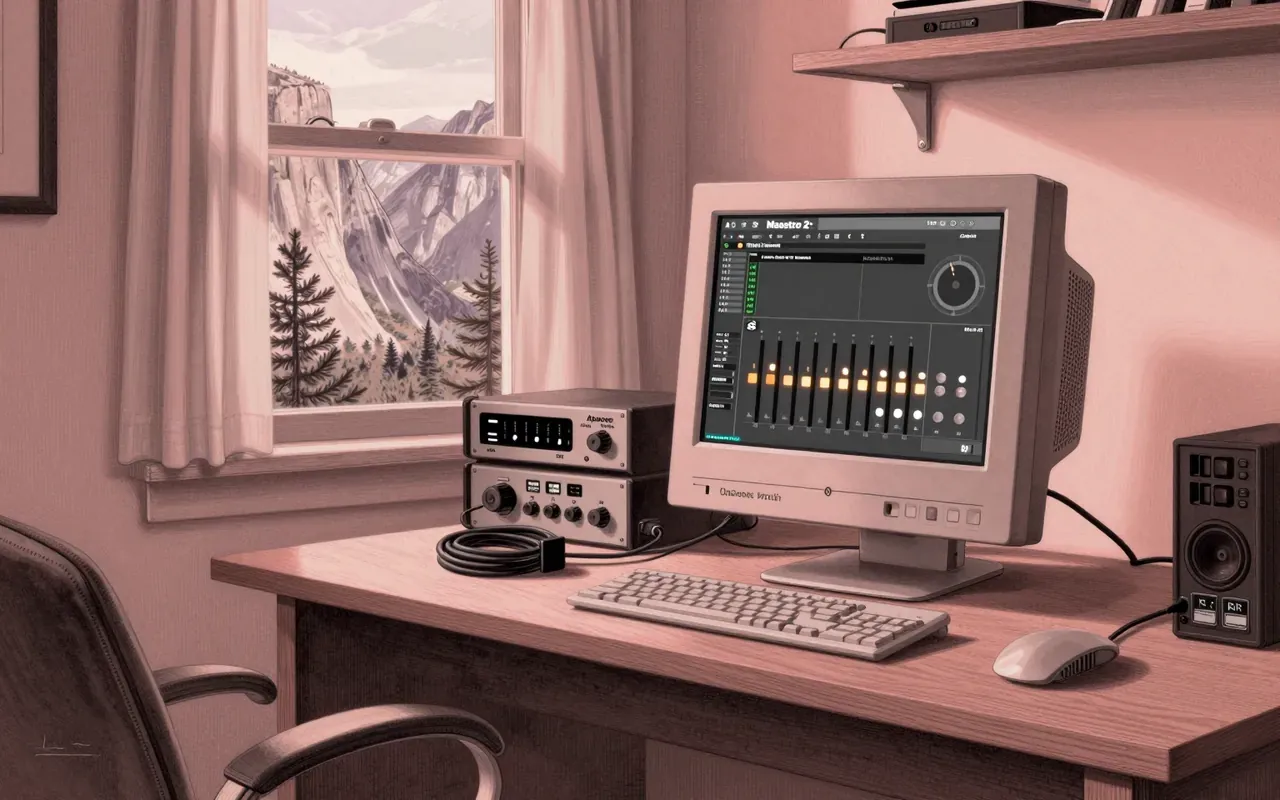
The Apogee Ensemble (FireWire) and Ensemble Thunderbolt are legacy audio interfaces with fixed end-of-life dates, discontinued software support, and hard macOS version limits. They offer no documented sonic distinction, no stated creative use cases, and no path forward beyond legacy maintenance.
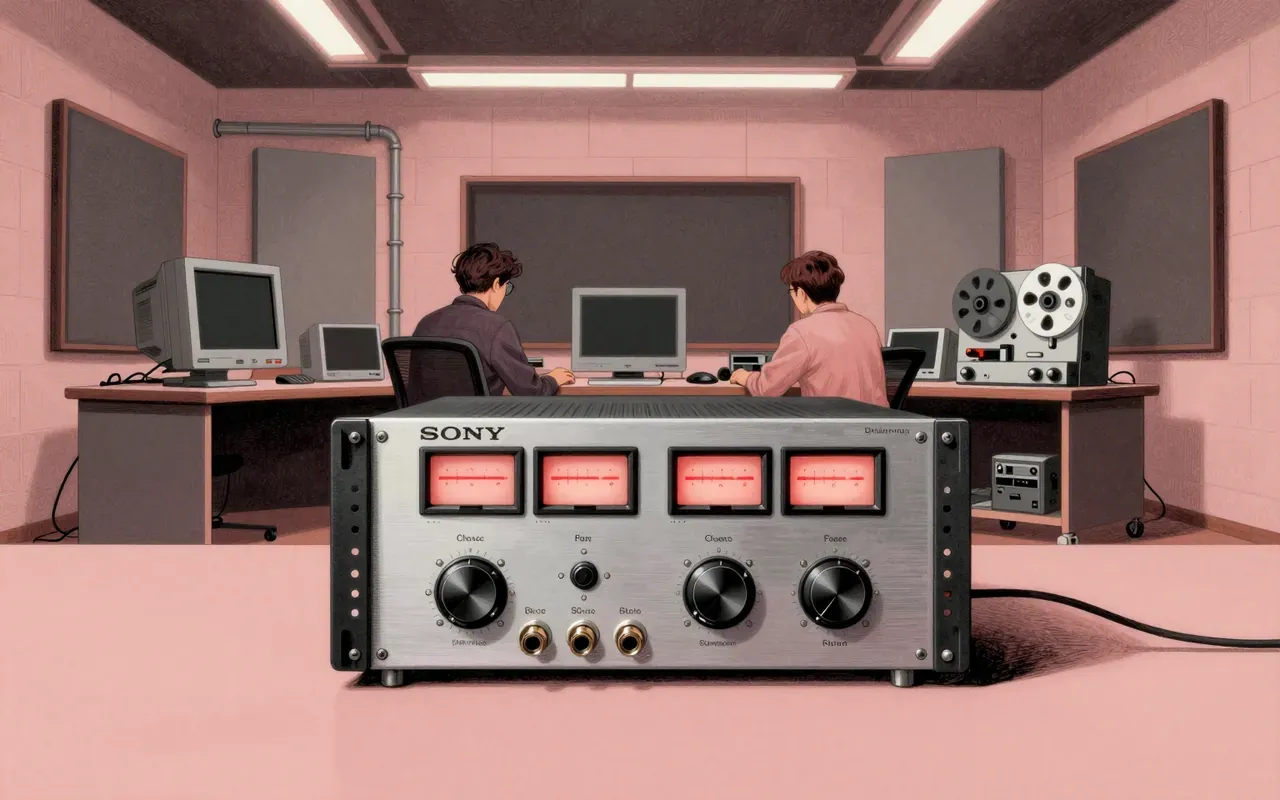
The PCM adaptor is a transitional artifact: a hardware hack that made digital audio portable and recordable using 1970s video infrastructure. It solved one problem — getting 16-bit audio onto physical media for CD mastering — and introduced many others: tape instability, video sync dependency, and zero interoperability with later digital standards.

Final Scratch was the first widely adopted vinyl emulation system. It required timecoded records, a ScratchAmp interface, and dedicated software. It gave DJs precise, tactile control over digital audio — but introduced latency, calibration drift, and hardware dependency. It shaped DJ practice before Serato and Traktor matured.
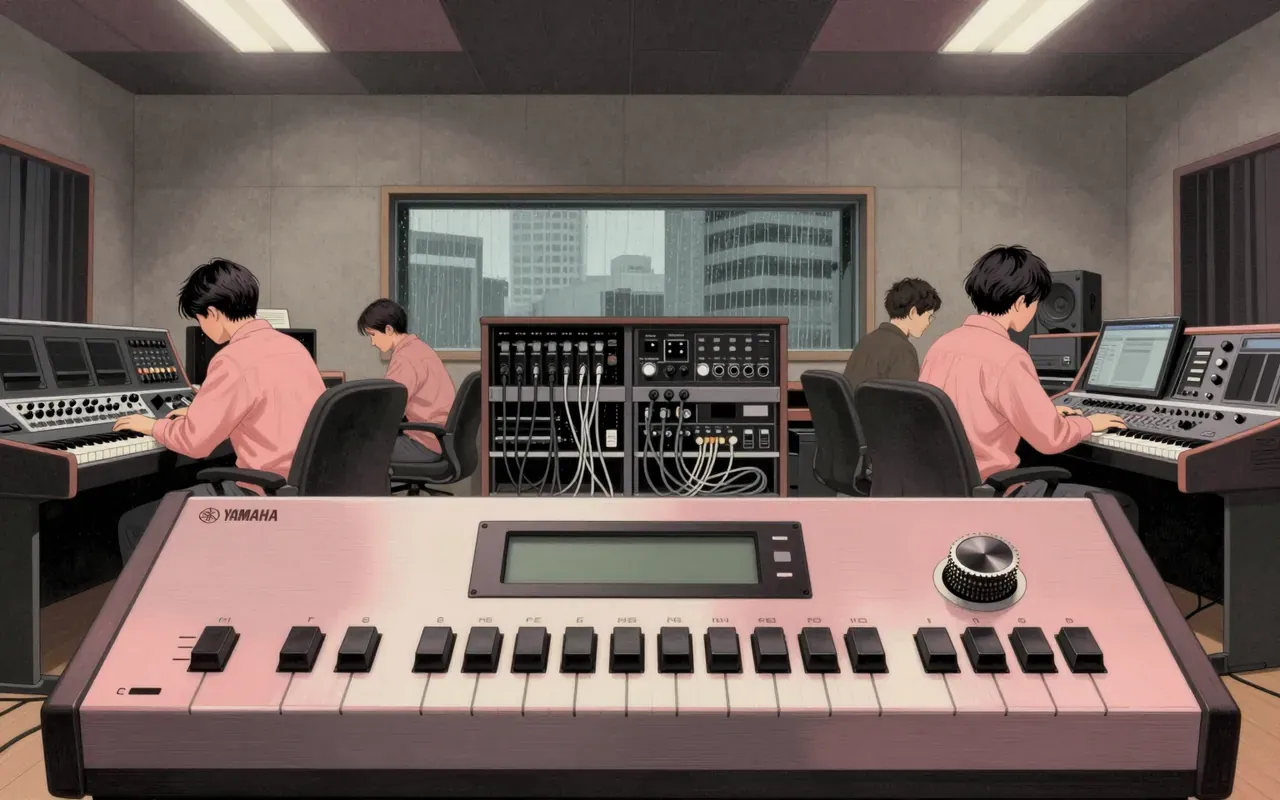
The FS1R is a rare hybrid: a formant-driven FM module that expanded what FM synthesis could model — but collapsed under its own complexity. It delivered new waveforms, deeper operator mapping, and vocal resonance no DX7 could match. Yet its interface, manual, and lack of tactile feedback made it a lab tool, not a stage instrument. Its legacy lives in Montage — but not its formants.
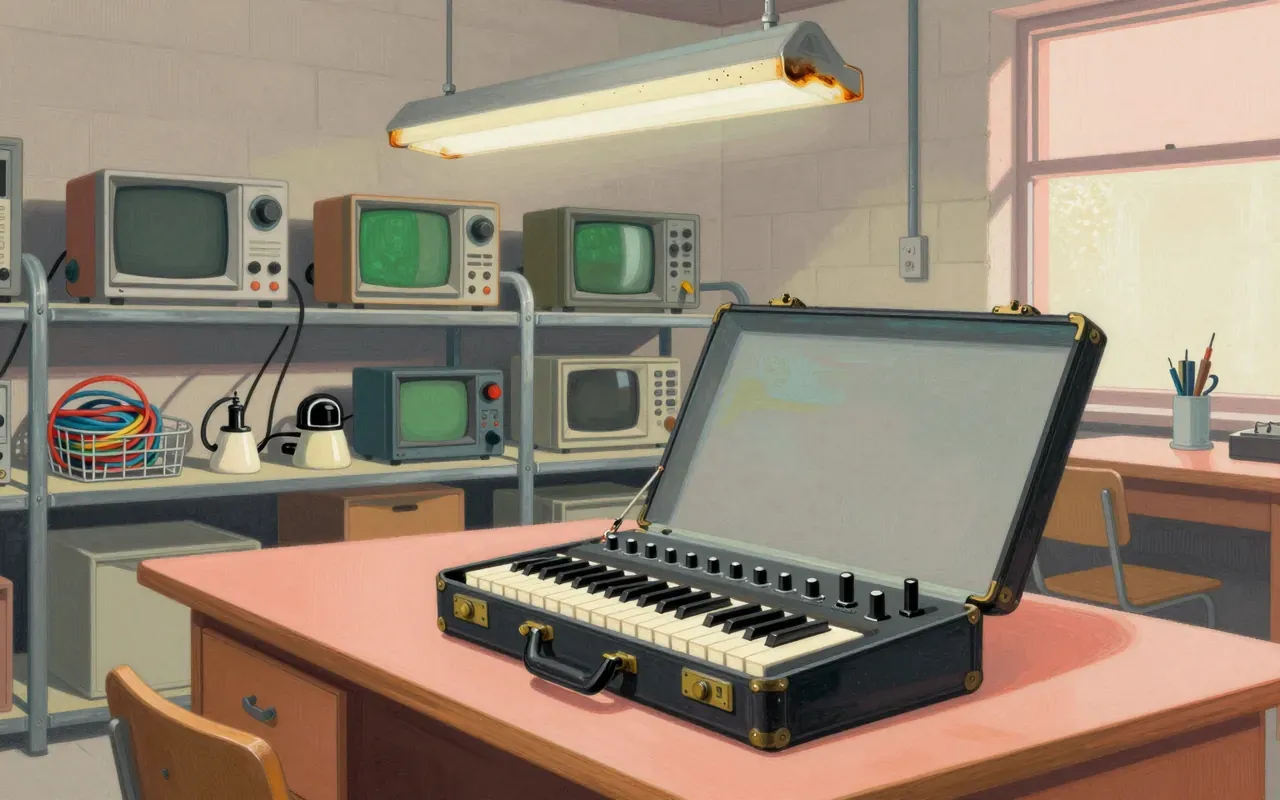
The Moog Sonic Six is a duophonic analog synthesizer introduced in 1972. It was built for portability and education after Bill Waytena acquired R.A. Moog Inc. and rebranded the Sonic V as the Sonic Six. Its folding control panel is unique in Moog’s history. It was widely used for lectures and educational purposes, often by Bob Moog himself. It delivers weak sound compared to the MiniMoog and suffers from reliability issues. Its single contour generator is shared between VCA and VCF, limiting independent envelope shaping. It is worth your time only if you need a portable, self-contained analog synth for live lecture demos or classroom use — not for studio depth, reliability, or sonic authority.
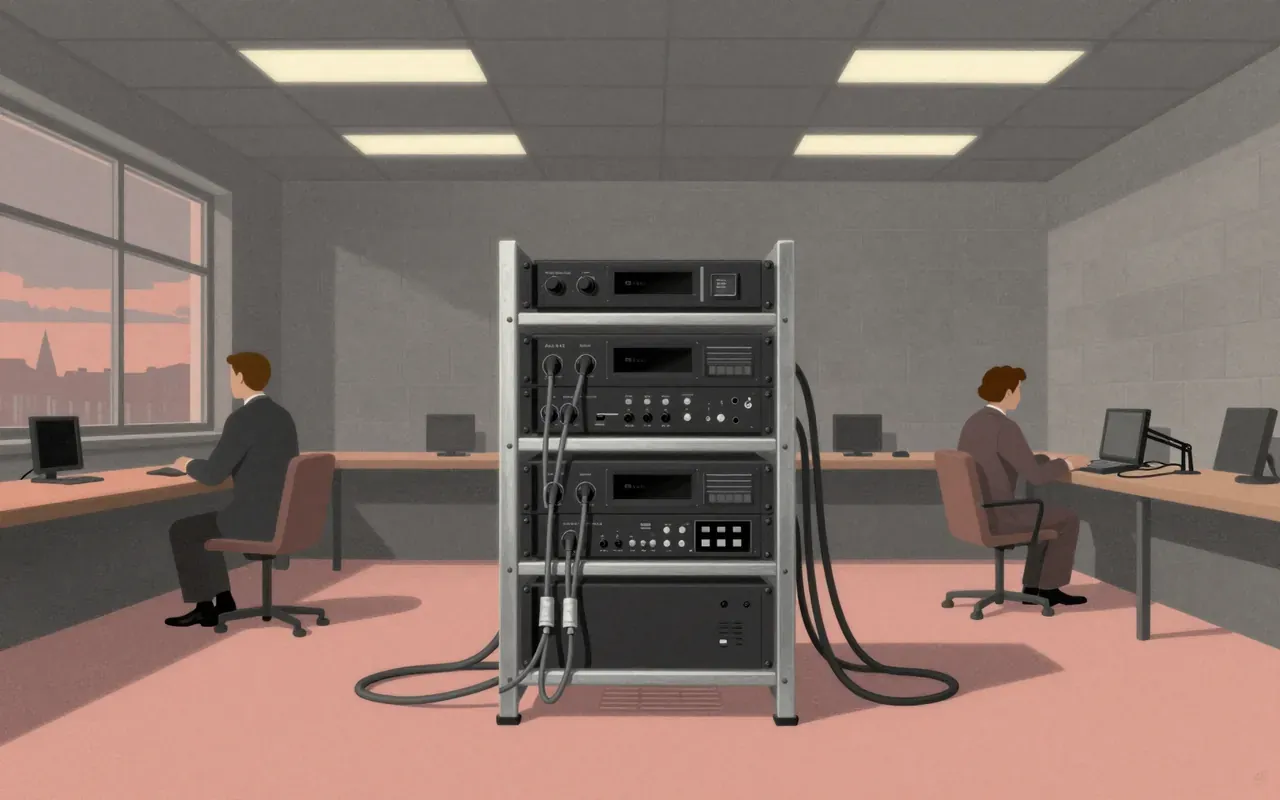
The S612 was Akai’s first rack-format digital sampler — 12-bit, single-sample, one-second max at 32 kHz, loaded via external Quick Disk drive. It defined the form factor and affordability threshold for what followed, but offered no polyphony, no internal storage, and no upgrade path.

The ES-355 is Gibson’s most complex semi-hollow — a stereo, varitone-equipped evolution of the ES-335. It launched in mono in 1958, added stereo in 1959, and was discontinued in 1984 after failing to meet commercial expectations. Many players disabled the varitone. Gibson revived it in 2018.
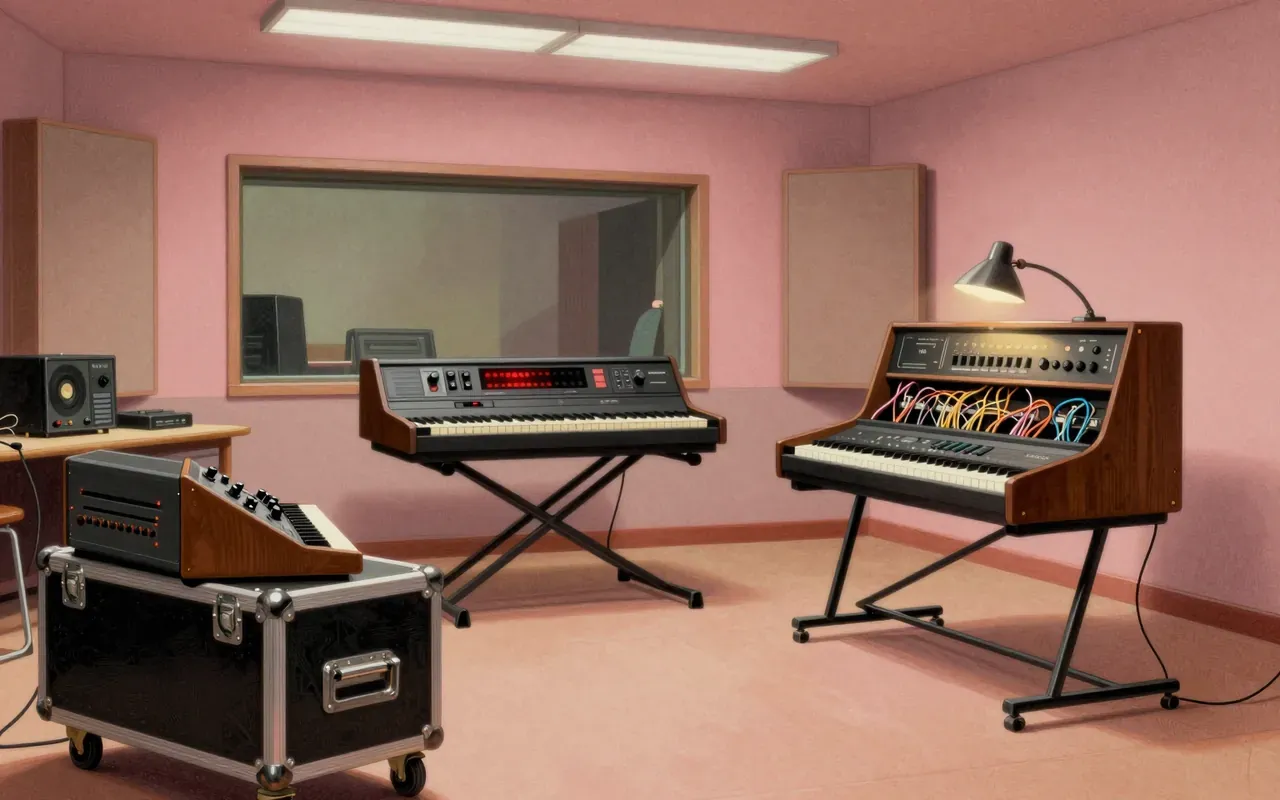
The Polymoog is a 1975 Moog keyboard that gives unlimited polyphony through divide-down oscillator architecture — but sacrifices per-voice synthesis, programmability, and filter control entirely.
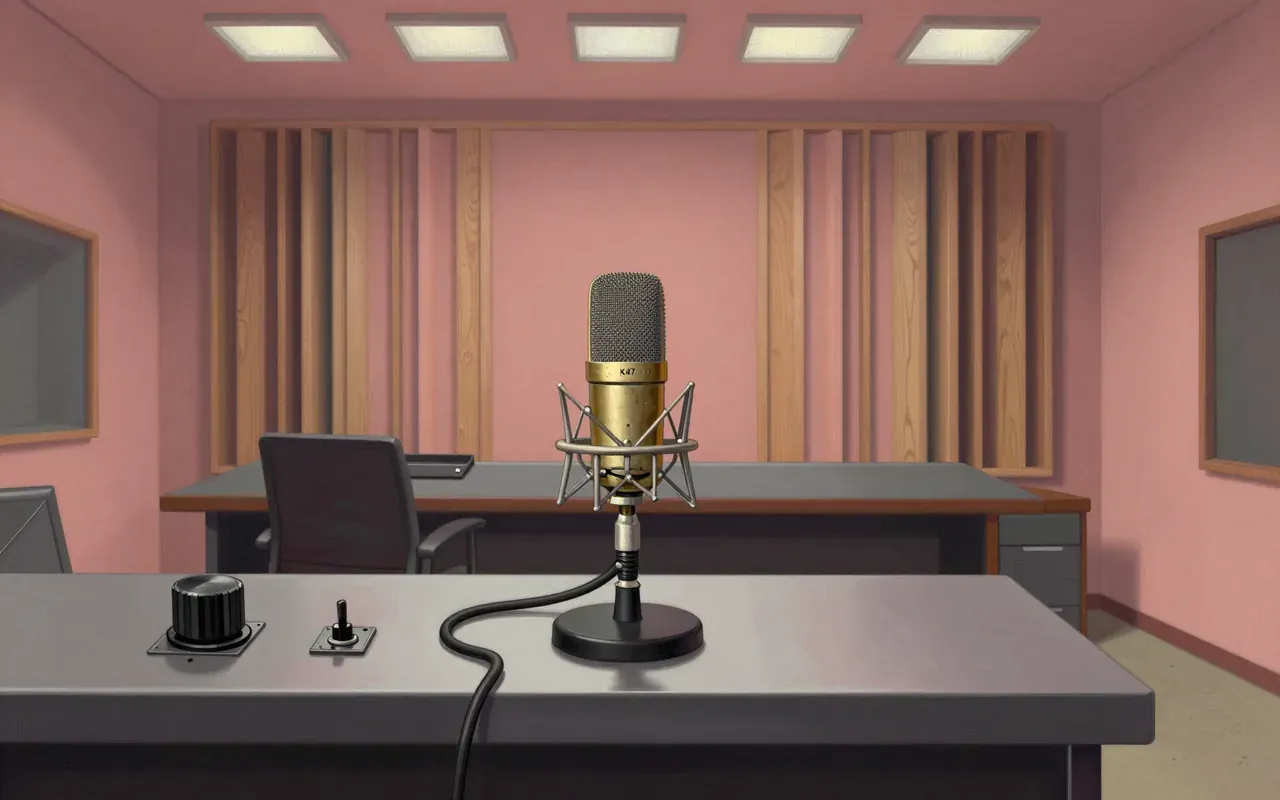
The U 47 is a historically significant but operationally constrained microphone. Its innovation lies solely in being the first switchable-pattern condenser — a functional milestone, not a sonic benchmark. It demands specialist maintenance, offers no modern conveniences, and has no documented sonic signature beyond its era-specific implementation. It belongs in a museum or a dedicated vintage studio — not a general-purpose rig.
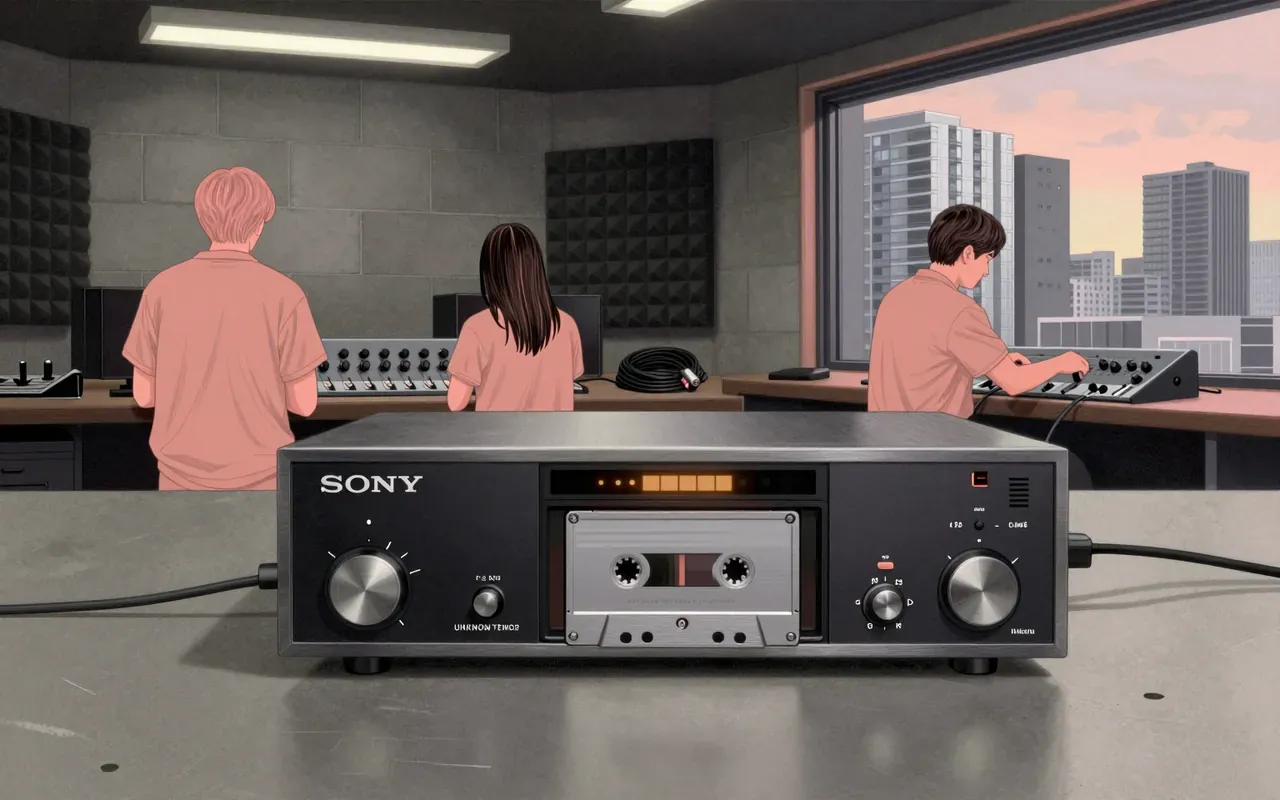
The Sony DTC-1000ES is a DAT deck in Sony’s DTC series. No technical specifications are available. Nothing else is verifiable.
The Lexicon PCM 42 is a digital delay unit in Lexicon’s PCM series. No technical specifications are available. Nothing is known about its controls, its sound, its memory, or its use in practice. It declares only its category, its manufacturer, and its model name.
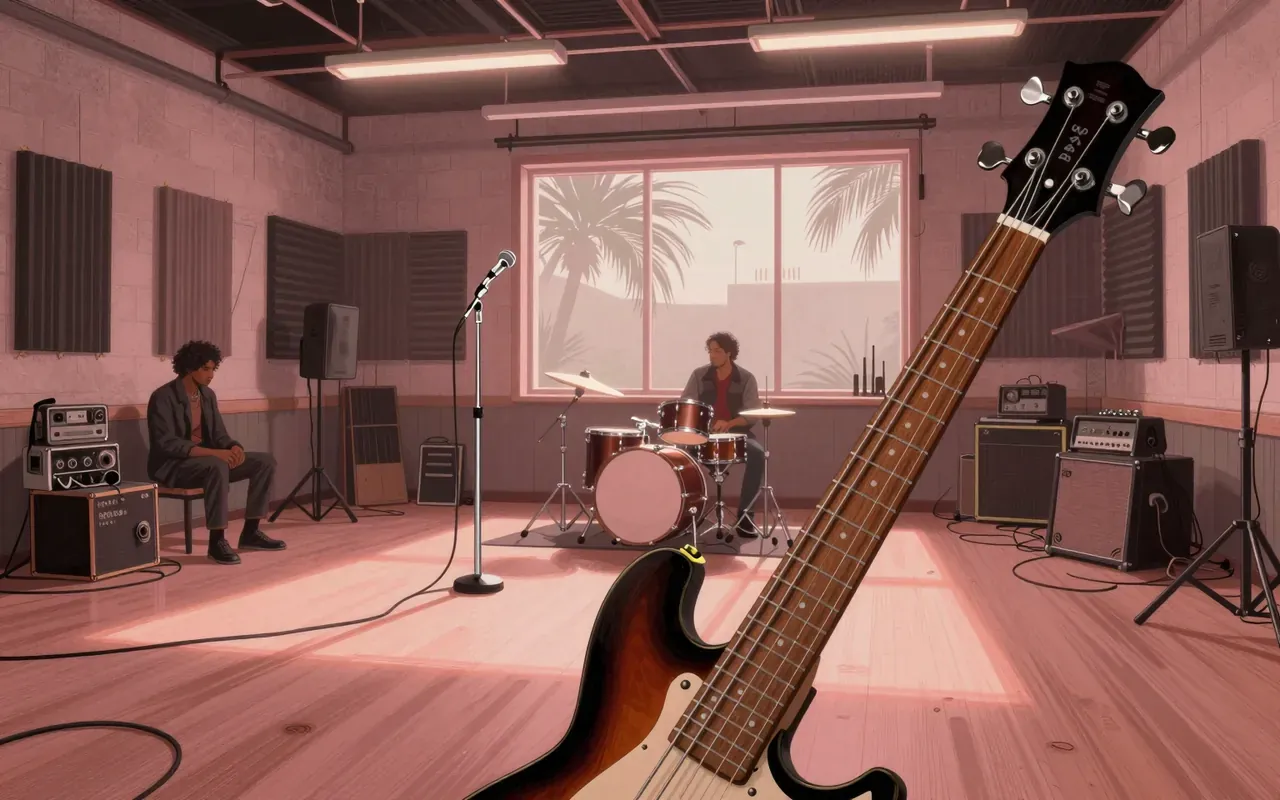
The Rickenbacker 4005 is a 4-string bass guitar. That is all the source material confirms.

The Fostex E-16 is an analog multitrack recorder. No technical specifications are available for it.
The Focusrite ISA 110 is a discontinued solid-state microphone preamplifier. It belongs to Focusrite’s ISA series. It was replaced by the ISA 430 MKII. It is no longer sold.

The Neumann M269 is a large diaphragm condenser tube microphone made by Neumann. It is listed under that category. It is also called 'm269' or 'm 269'. No technical specifications are available. Nothing is stated about its use, sound, controls, or history.

The Roland MSQ-100 is a sequencer with no documented technical specifications. It exists only as a named object with alternate spellings. Nothing is verified about its function, capacity, interface behaviour, or sonic role.
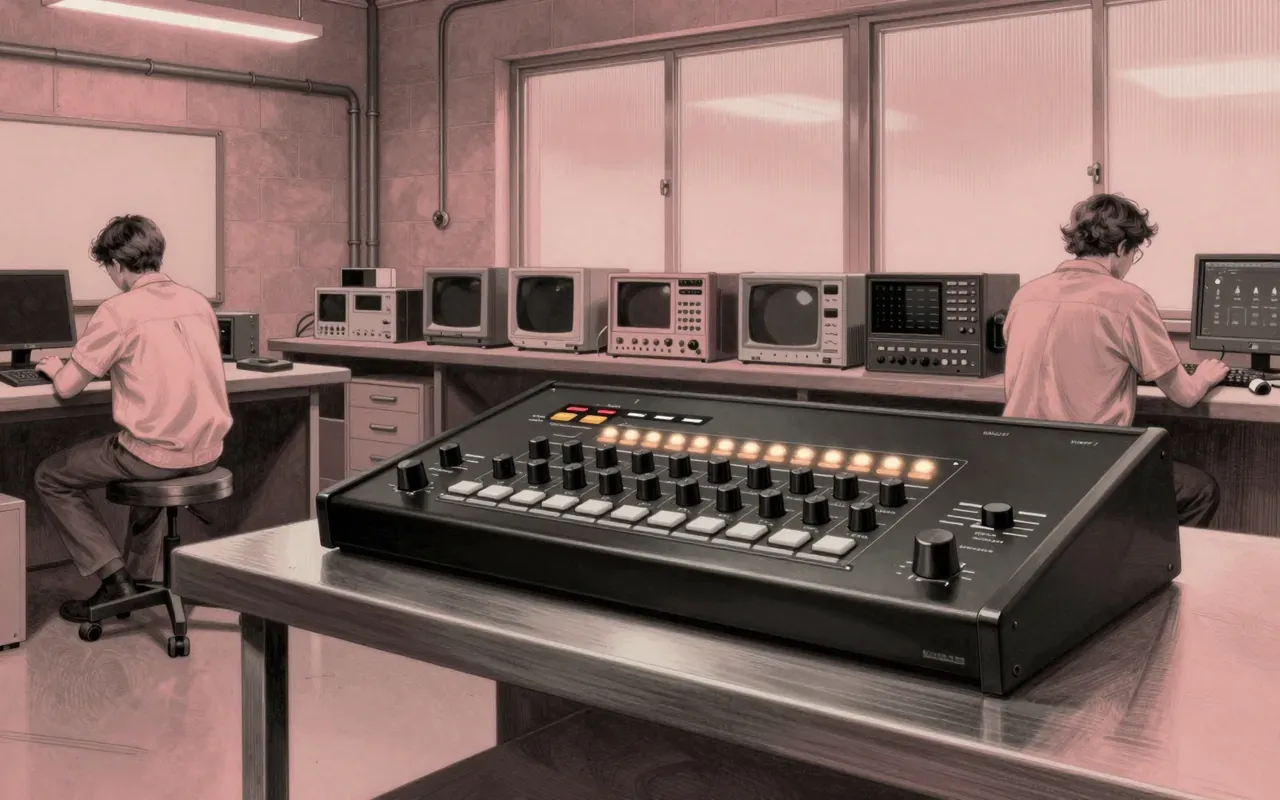
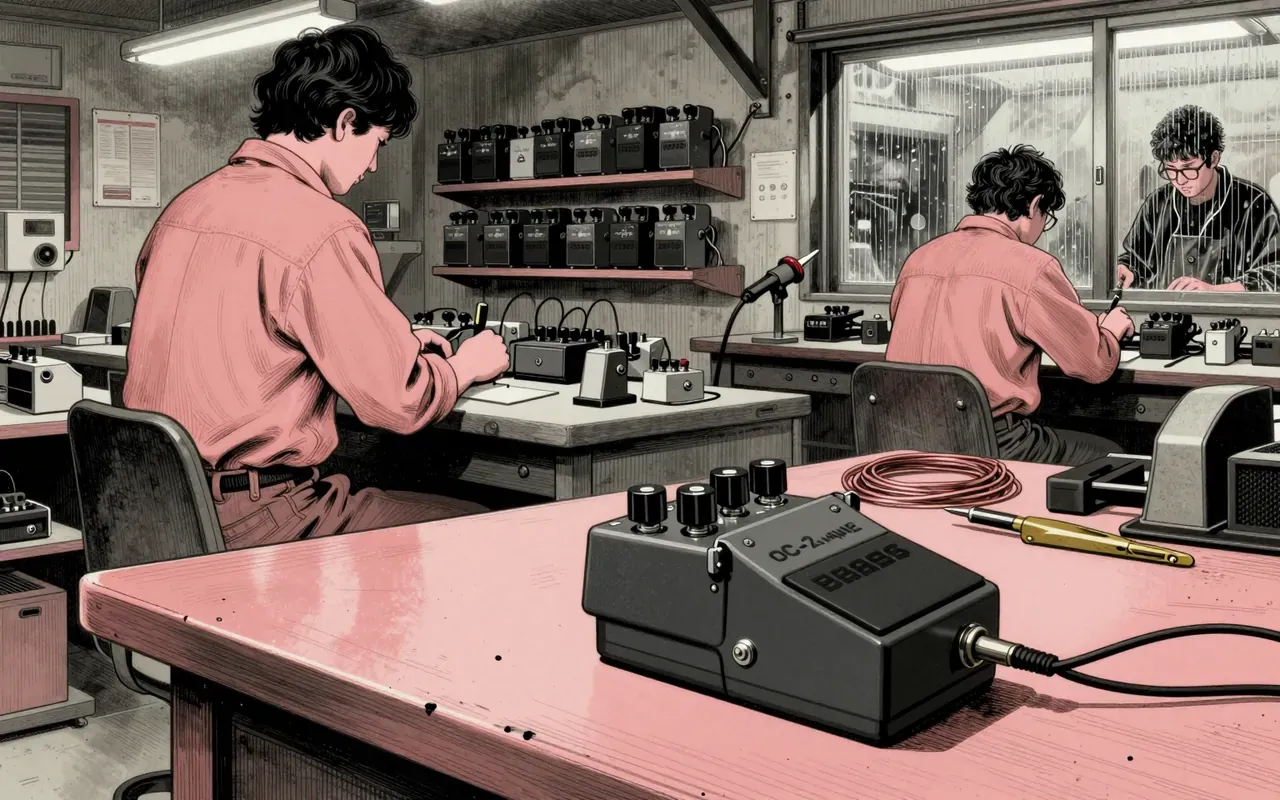
The Boss OC-2 Octave is a stompbox that adds one or two sub-octaves to a guitar signal. Its three knobs control each layer. It runs on 9V DC or battery. Higher notes track smoothly — without digital harshness. But notes below the 12th fret on the low E string mis-track badly: wobbly, out-of-tune, uncorrectable. It is unfit for conventional use. Only noise or experimental players gain anything from its failure.
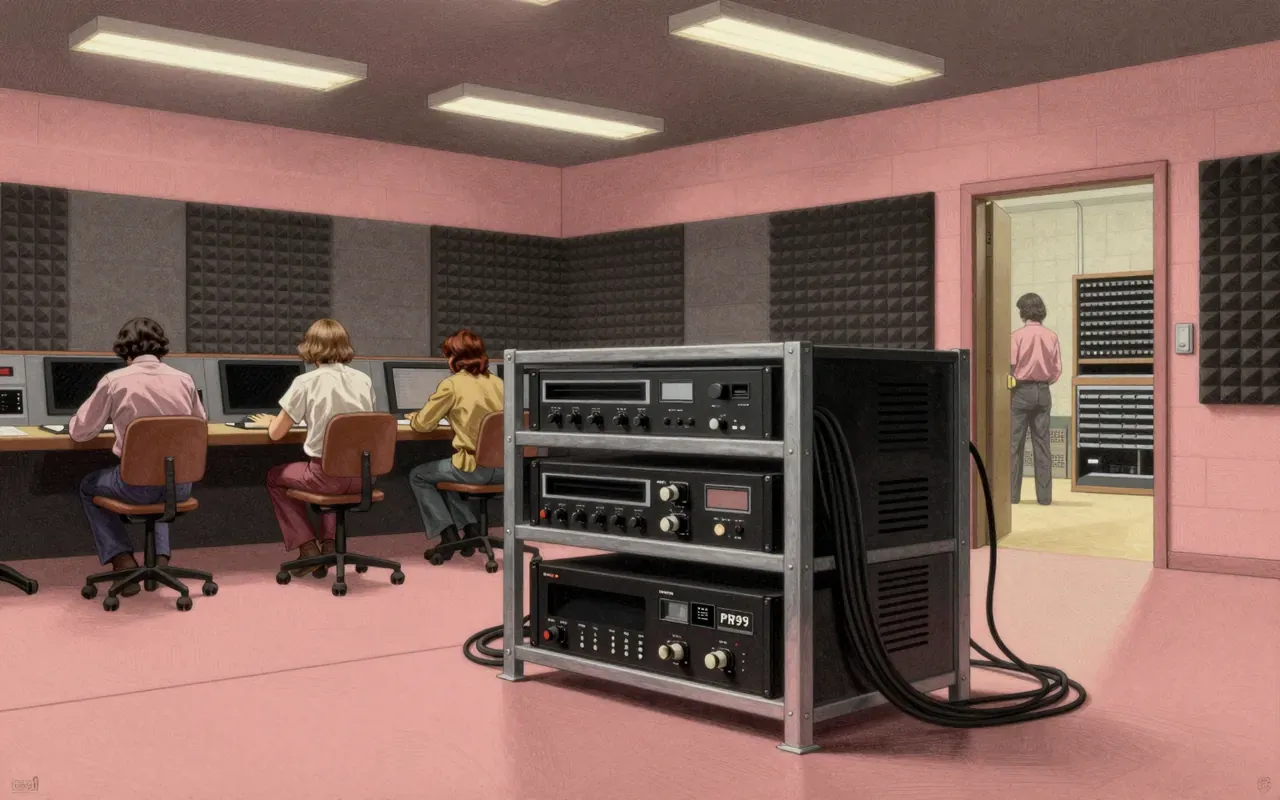
The Revox PR99 is an analog multitrack recorder with no published technical specifications. Its function is limited to basic tape-based multitrack recording and playback — but without documented parameters, alignment, or service history, it resists reliable use or evaluation.

The ATC SCM50 ASL is an active monitor with no published technical specifications. Nothing about its sound, construction, or performance is documented in the source material.
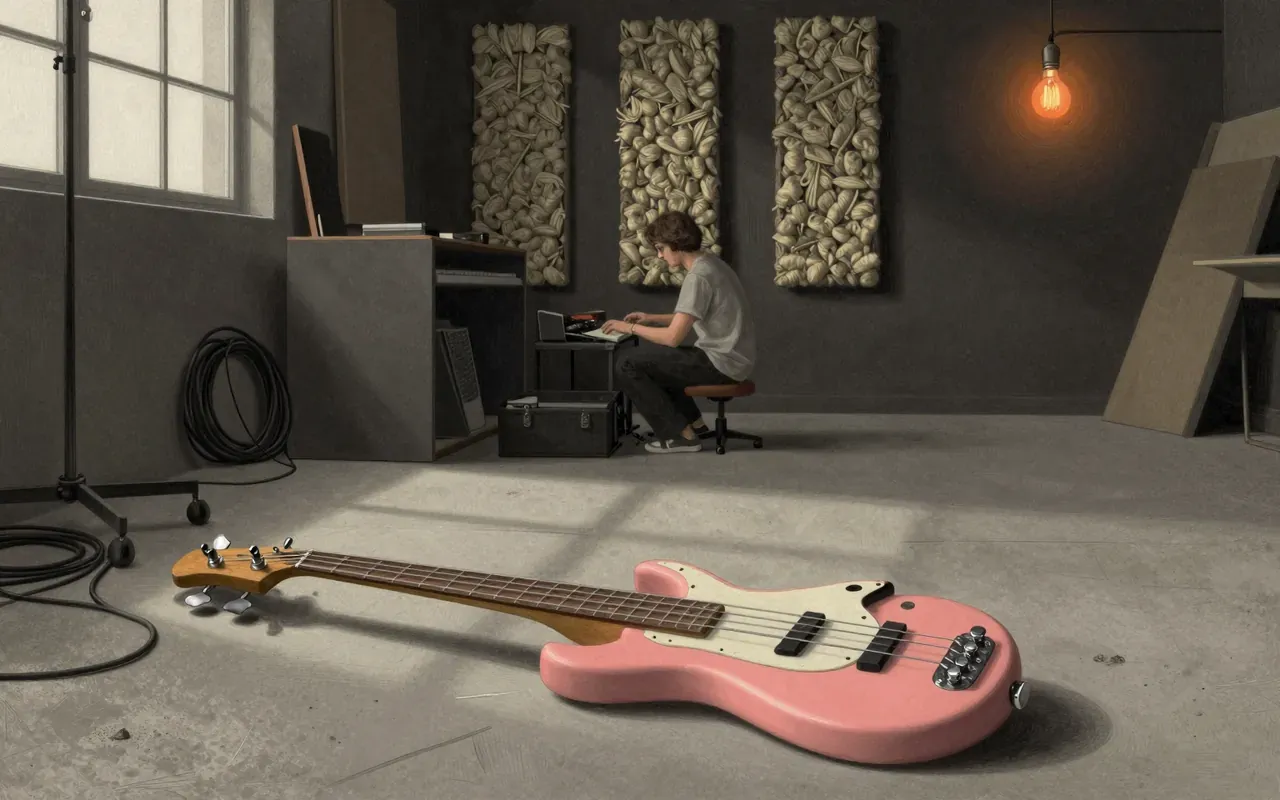
The Gibson Victory Bass is a four-string solid-body electric bass designed by Wayne Charvel for Gibson from 1981 to 1986. It shares its lineage with the Gibson Victory, uses fixed materials (maple body, three-ply maple neck, rosewood fingerboard), and offers a fretless option — but nothing more. It was not a successful model. No evidence confirms distinctive tone, player adoption or recorded use.
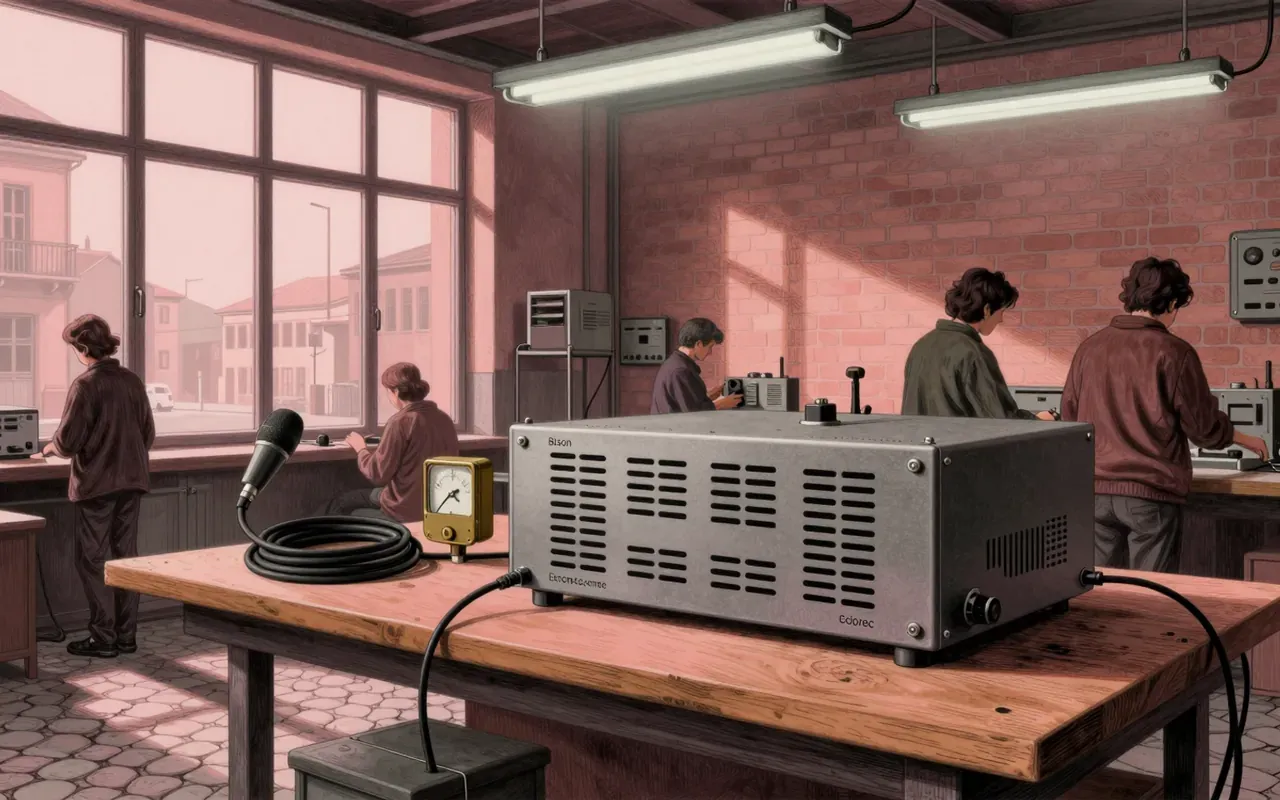
The Binson Echorec 2 is a delay/echo unit. No technical specifications exist. Its category is confirmed. Nothing else is verifiable.

The SSL 4000 E is a channel strip. No technical specifications are available. Nothing else is confirmed.
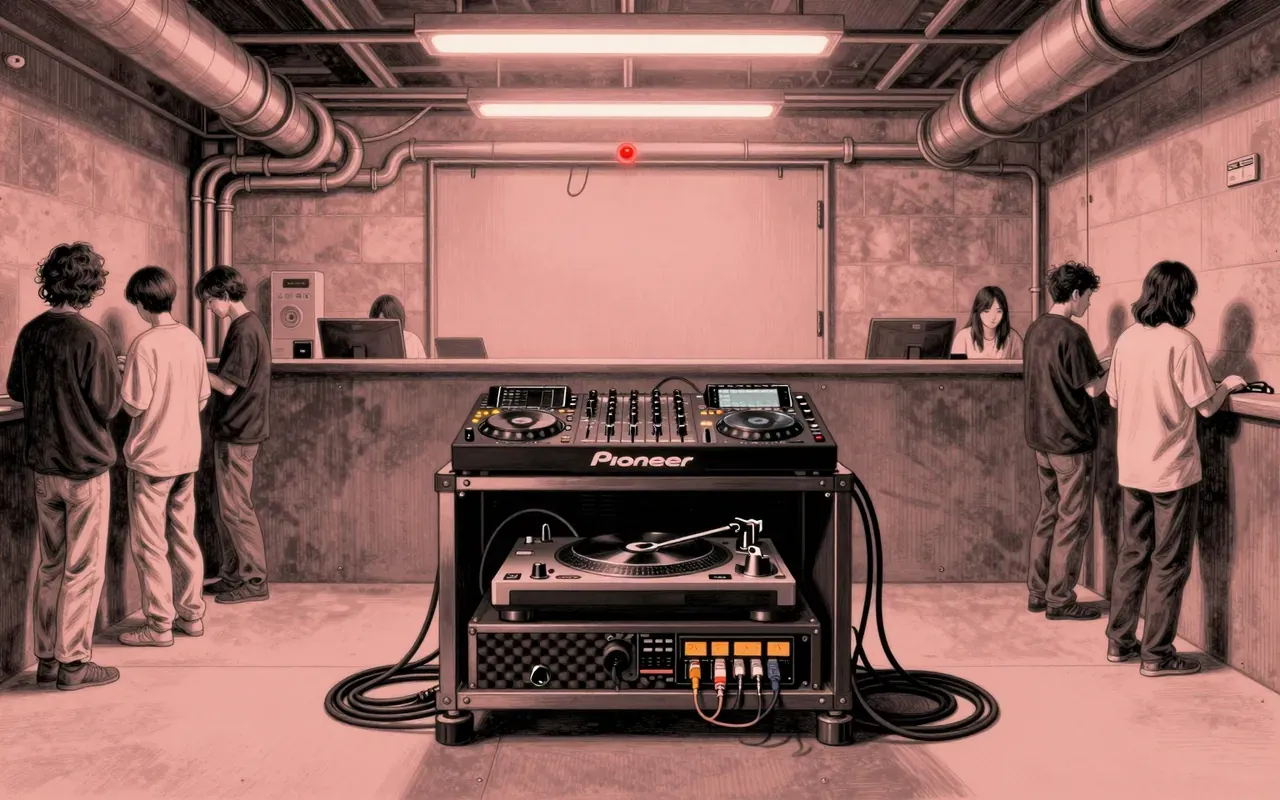
The Pioneer DJM-1000 is a rack-mountable 4+ channel DJ mixer with two master outputs and one booth output sharing a single volume control. It has no built-in effects. Its equalizer is low quality and offers parametric control only on mic channels. Its preamps and potentiometers are poor. Its output level of 2V + 6dB causes distortion across frequency ranges.
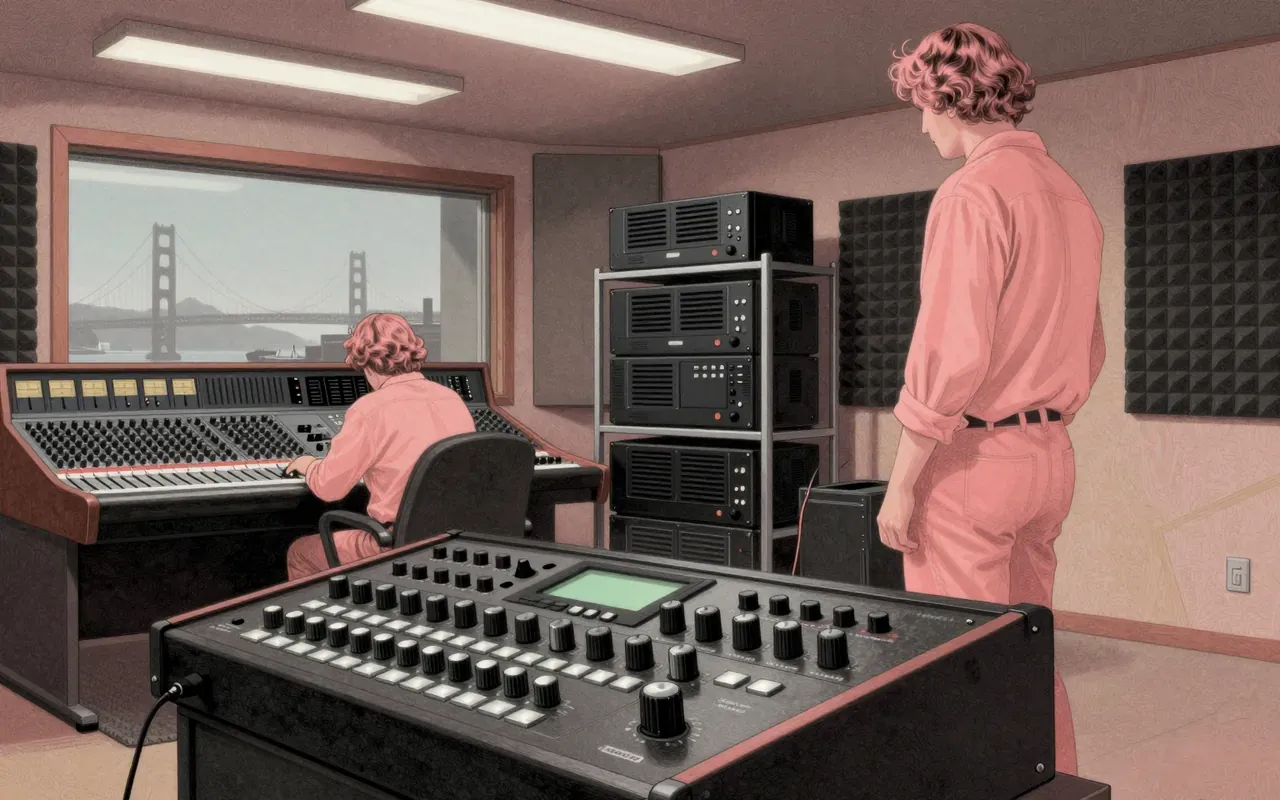
The Prophet 3000 is a sampler made by Sequential Circuits. That is all the source material says.

The Akai S1100 is a sampler. Its name appears in alternate forms: 's1100' and 's 1100'. No technical specifications are available. Nothing else is confirmed.
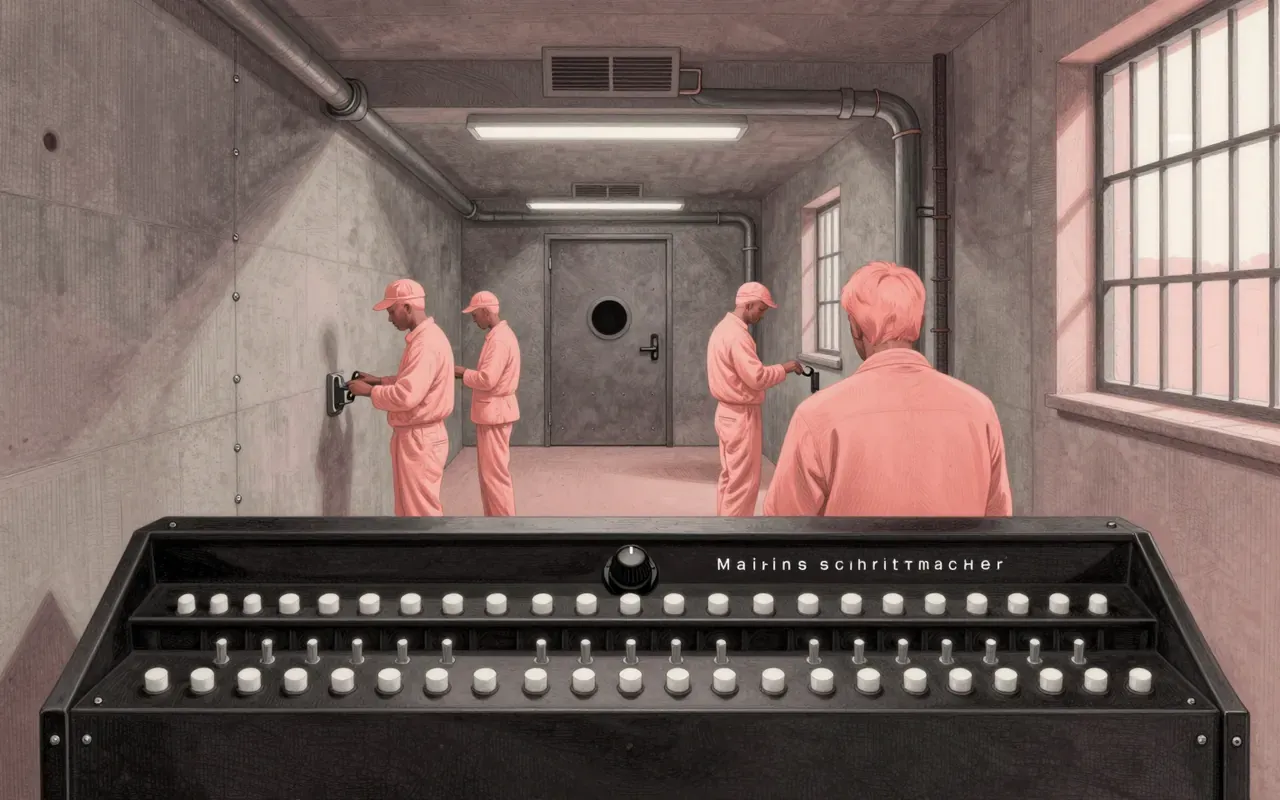
The Schrittmacher is a sequencer made by Manikin Electronic. No technical specifications are available. That is all that is known.
The Linn 9000 was the first integrated digital drum machine and MIDI sequencer. It introduced 18 velocity- and pressure-sensitive rubber pads. Its Forth-based OS crashed repeatedly, causing data loss and lock-ups. Those flaws affected the LinnSequencer and prevented release of the LinnDrum Midistudio. They contributed to Linn Electronics’ demise in 1986. It appears on Michael Jackson’s 1987 album Bad.

The Gibson Moderne is a non-instrument: a shape conceived in 1957, patented in 1958, rejected at NAMM the same year, and absent from musical use for 25 years. It has no verified sound, no operational history, no confirmed prototype, and no functional distinction from later reissues. Its only property is ambiguity.
The dbx 165 is a studio compressor. No technical specifications exist for it. It is categorised as a studio compressor. That is all that is confirmed.
The Trace Elliot AH250 is a bass guitar amp head made by Trace Elliot. No technical specifications are available for it.
The Trident Series 24 is an analog mixer made by Trident. No specifications, availability, usage history, or technical details are provided in the source. It is documented only as a category and manufacturer assignment.
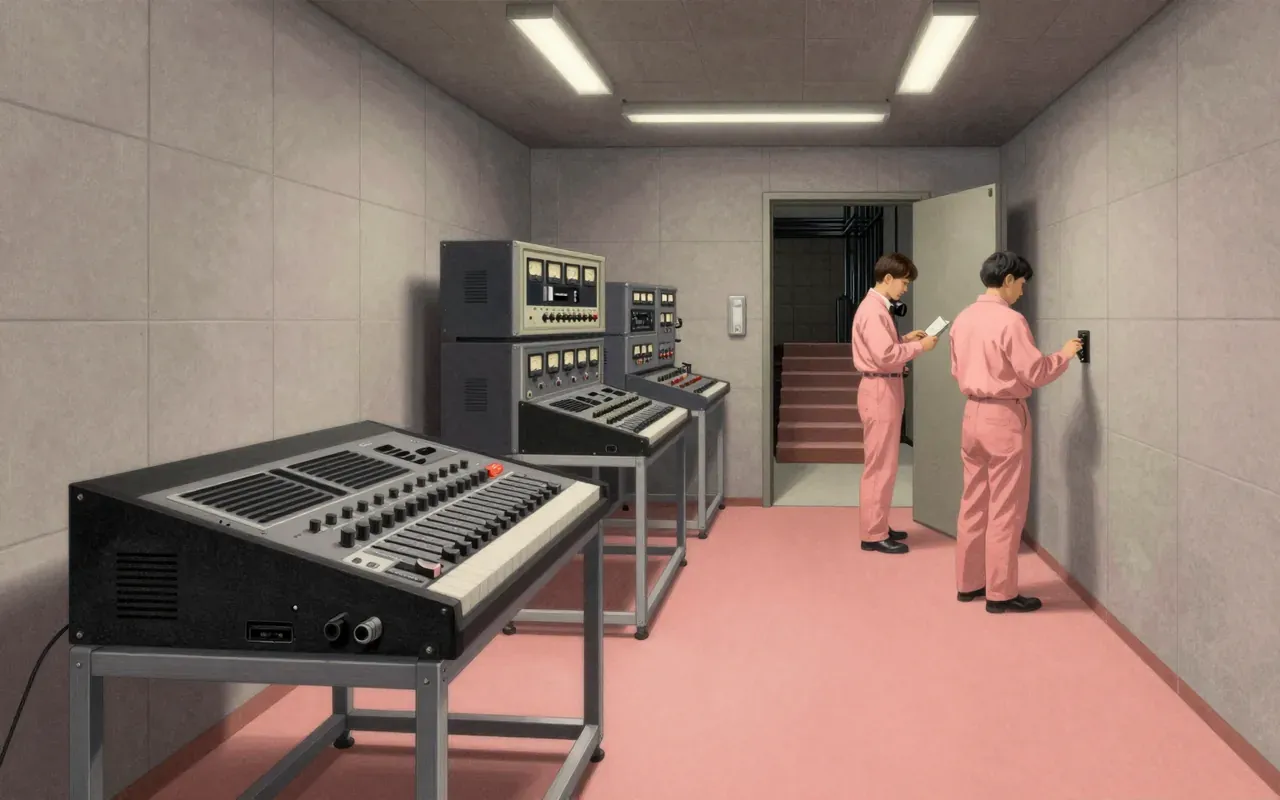
The Yamaha PM1000 is a channel strip. No technical specifications are available. Nothing else is confirmed.
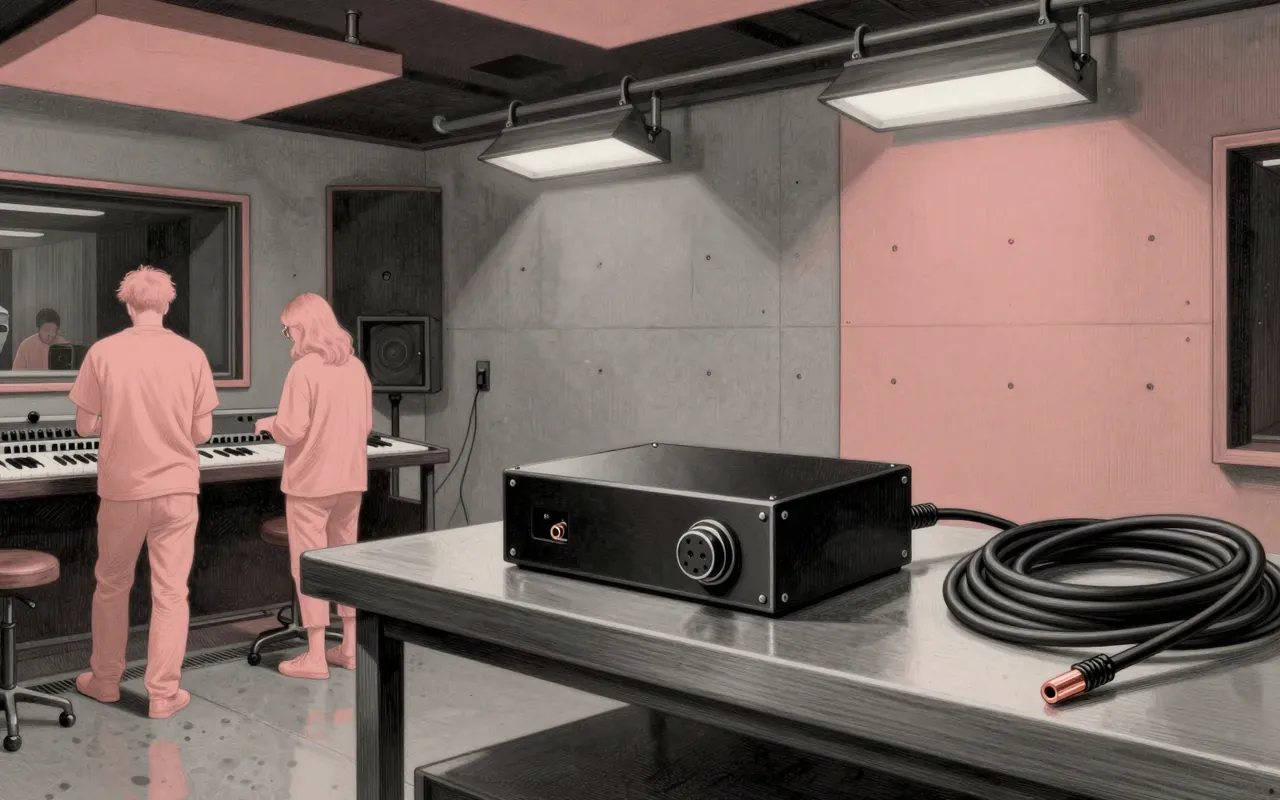
The API 205L is a DI unit made by API Audio. No technical specifications are available. No retailers or classified ads currently offer it. Its alternate names are '205l' and '205 l'.

The Neve 31105 is a channel strip. No technical specifications are available. Nothing else is confirmed.
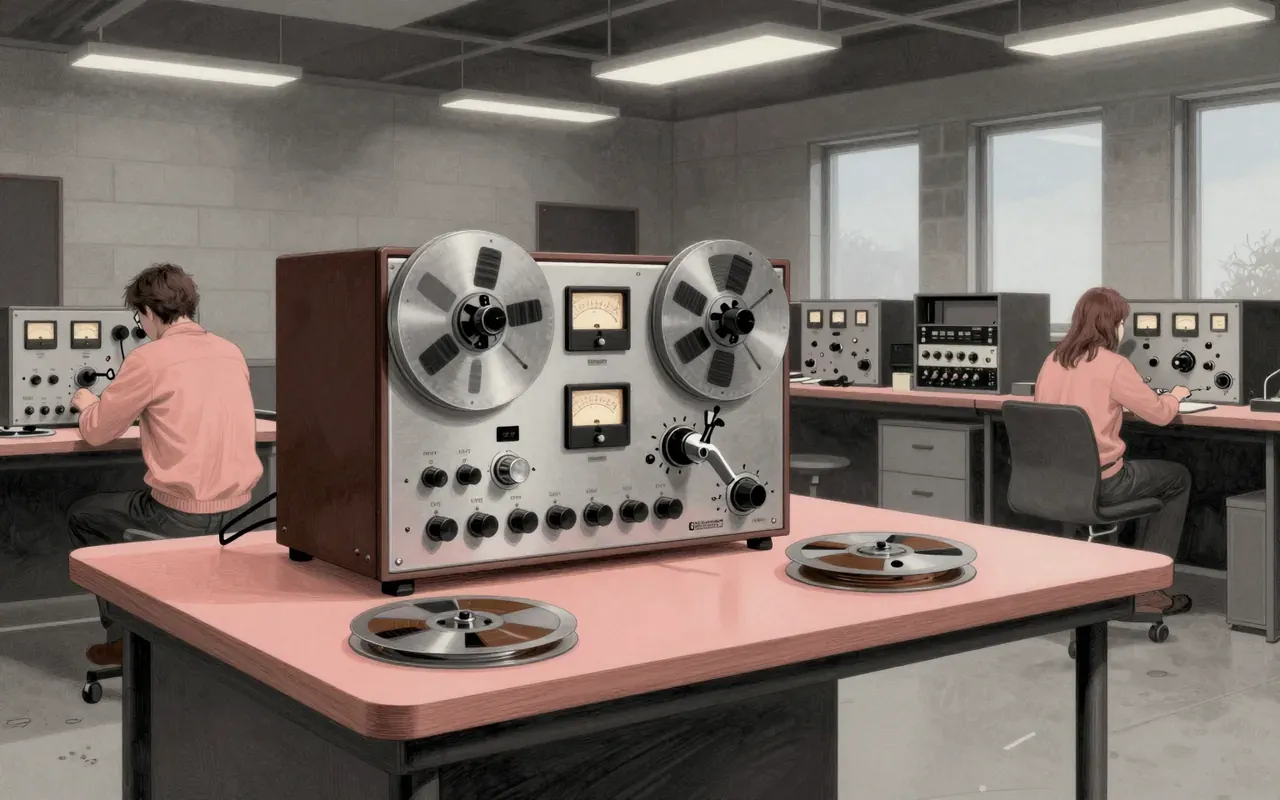
The Studer A807 is an analog multitrack recorder. No technical specifications exist for it. That absence defines it.
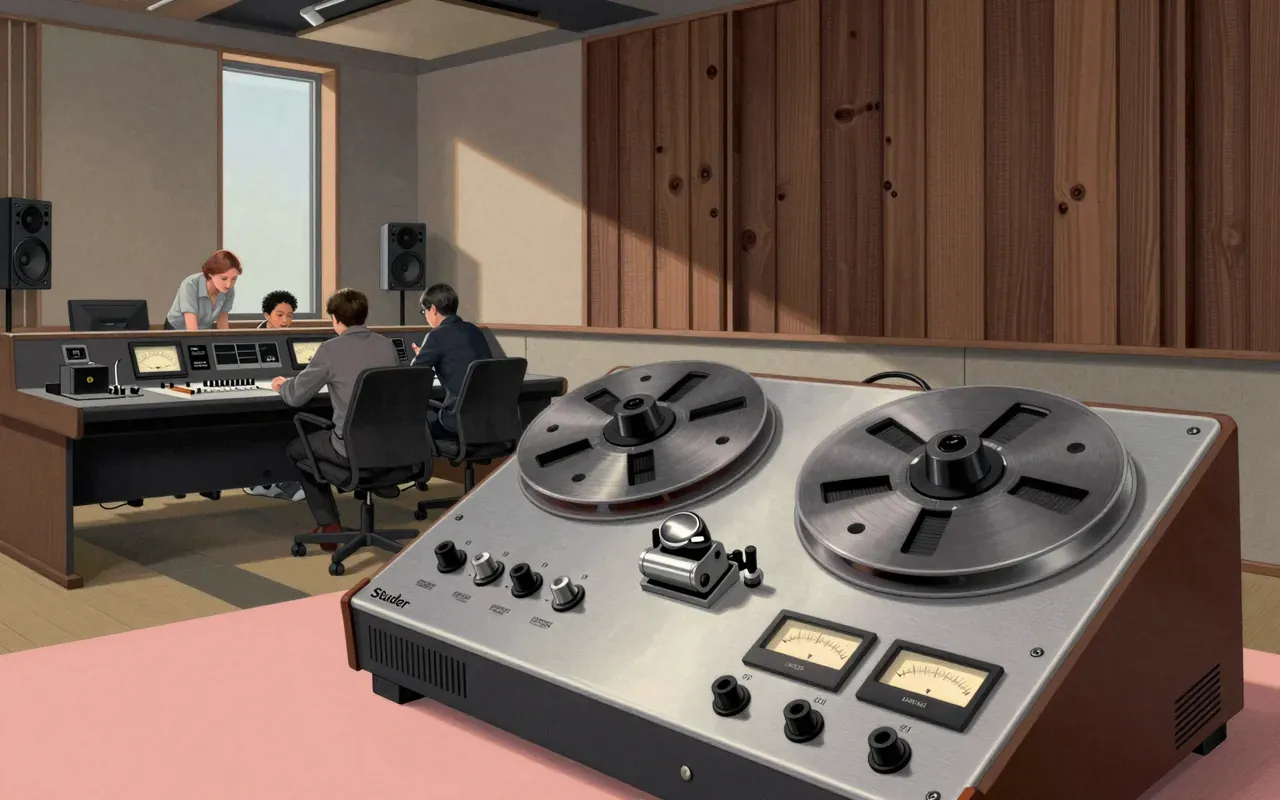
The Studer A827 is an analog multitrack-studio. No technical specifications are provided. Its function, design, and use remain undocumented in the source.

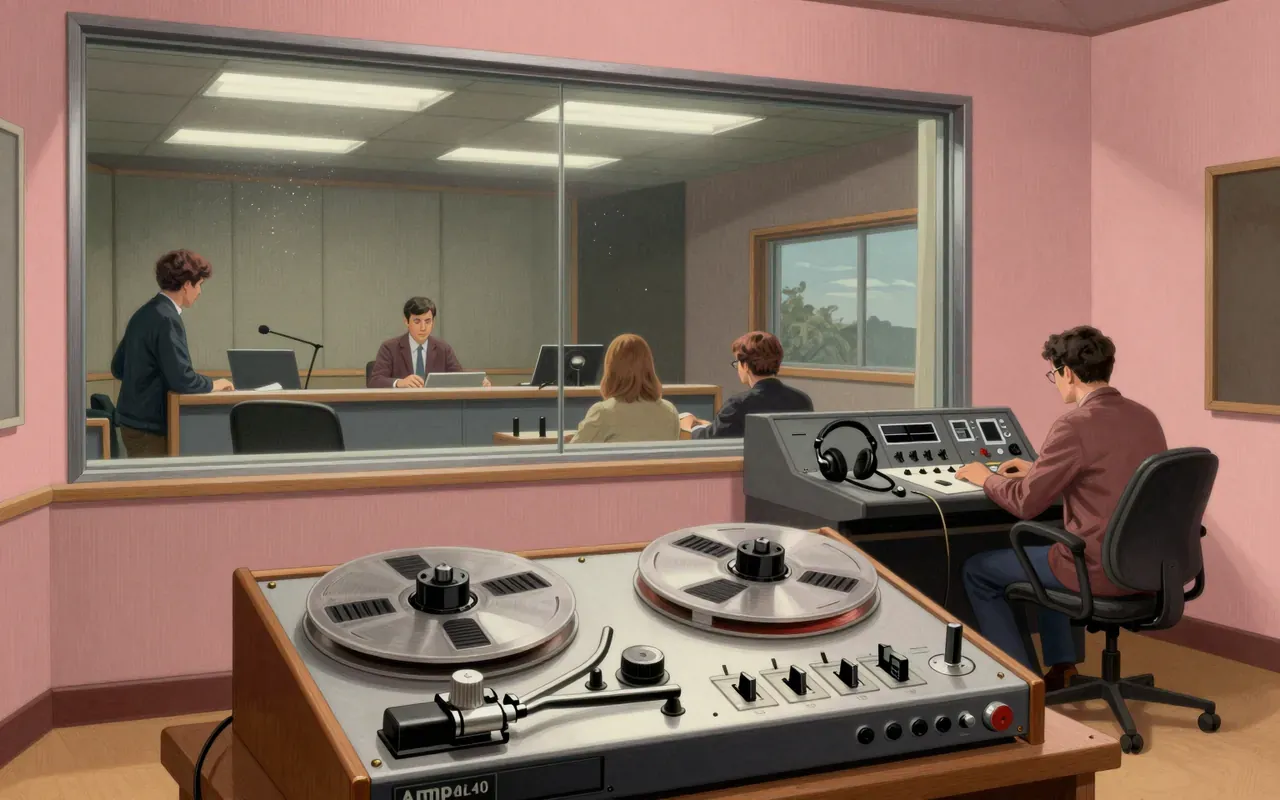
The Ampex AG-440 is an analog multitrack recorder. No technical specifications are available. Its alternate names include ag440, a 440, and a440. Nothing else is verifiable.

The Lynx Aurora 16 is an Analog/Digital Converter. No technical specifications are available for it. It belongs to the category of Analog/Digital Converters.
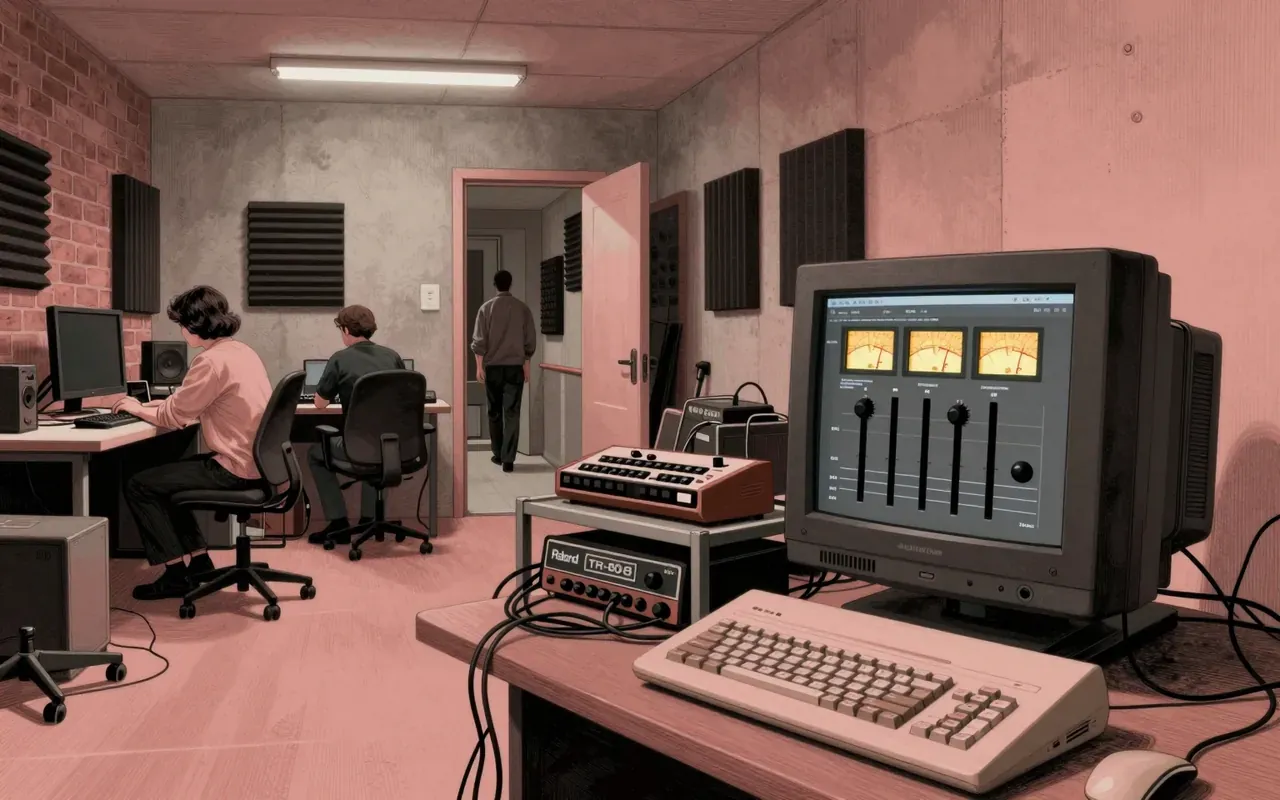
The Kazrog Avalon VT-747SP is a software plugin classified as an 'Other effects bundle or multi-effect'. No technical specifications are available. Its model name references the Avalon VT-747SP hardware unit. Nothing is stated about its sound, controls, workflow, or real-world use.

The Studer B67 is an analog multitrack recorder. No technical specifications are available for it.
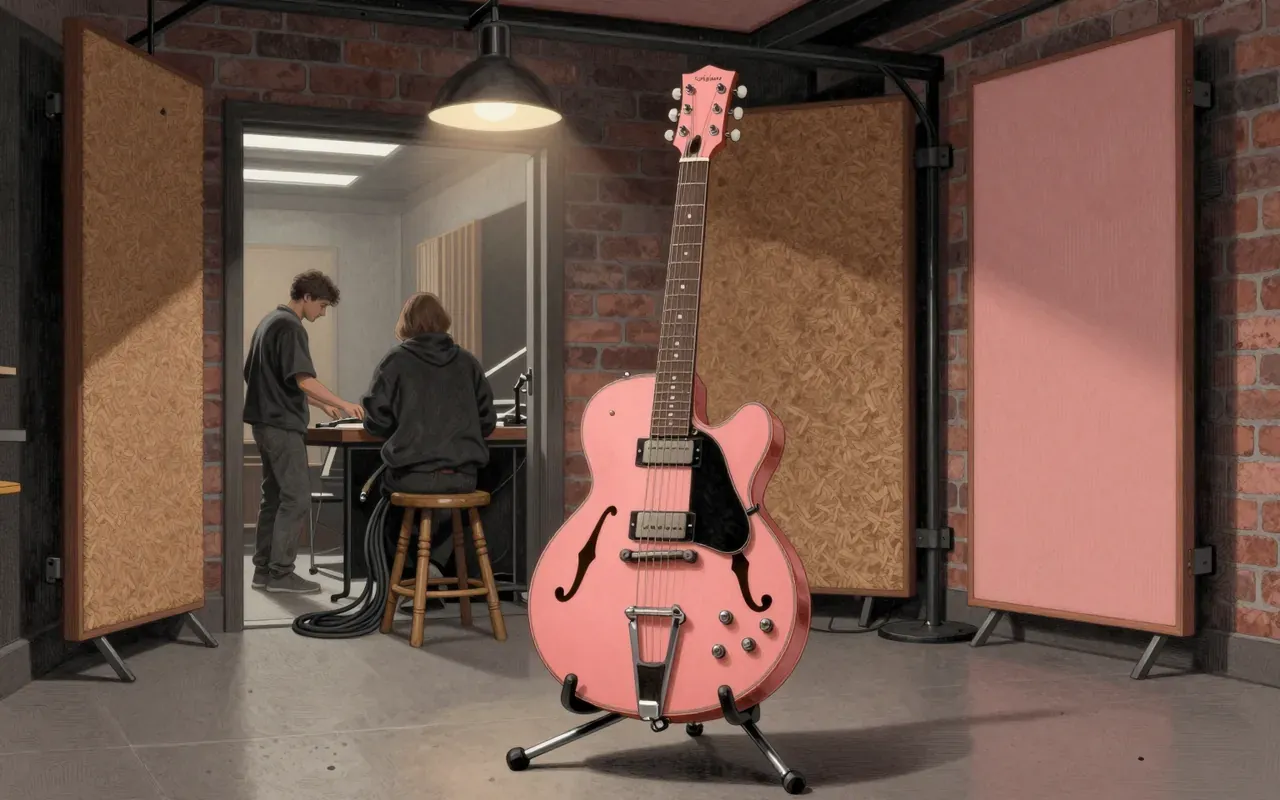
The Maton BB1200 is a discontinued hollow or semi-hollow electric guitar. No technical specifications are provided. It is not currently available for purchase. Nothing else is confirmed.
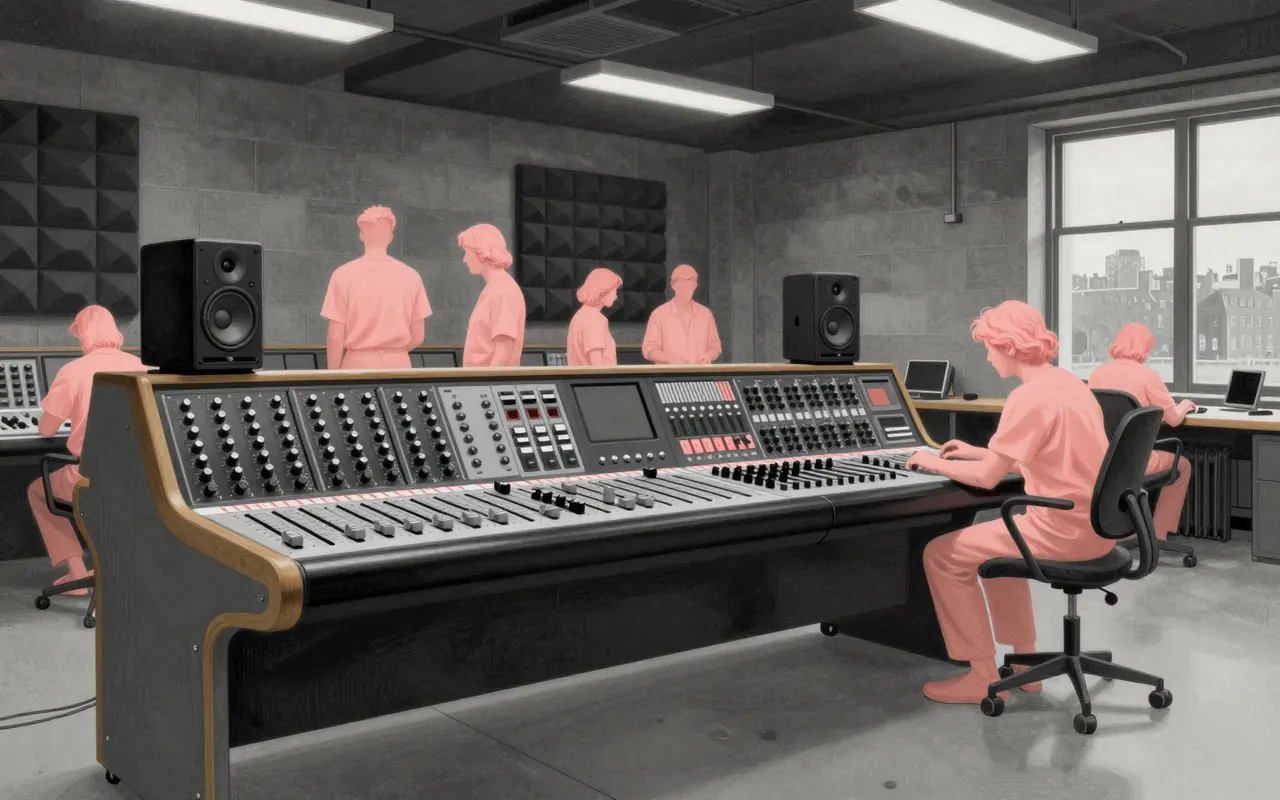
The Neve BCM10/2 Mk2 is an analog mixer made by AMS-Neve. No technical specifications are available. Nothing else is verified.

The AMS-Neve Capricorn is a digital mixer. That is all the source confirms. No specifications. No year. No sound. No interface description. No user reports. No cultural footprint. It exists only as a category entry.
The AKG D19 B200 is a dynamic microphone. No technical specifications are available. It cannot be evaluated against alternatives. It offers no documented advantage. It provides no actionable information to a user.

The Publison DHM 89 B2 is an Other Studio Effect made by Publison. No technical specifications exist for it. Nothing else is confirmed.
The Beyerdynamic M 88 TG - 90 years edition is a discontinued dynamic microphone. It has been replaced by the M 88 TG. It is no longer sold.
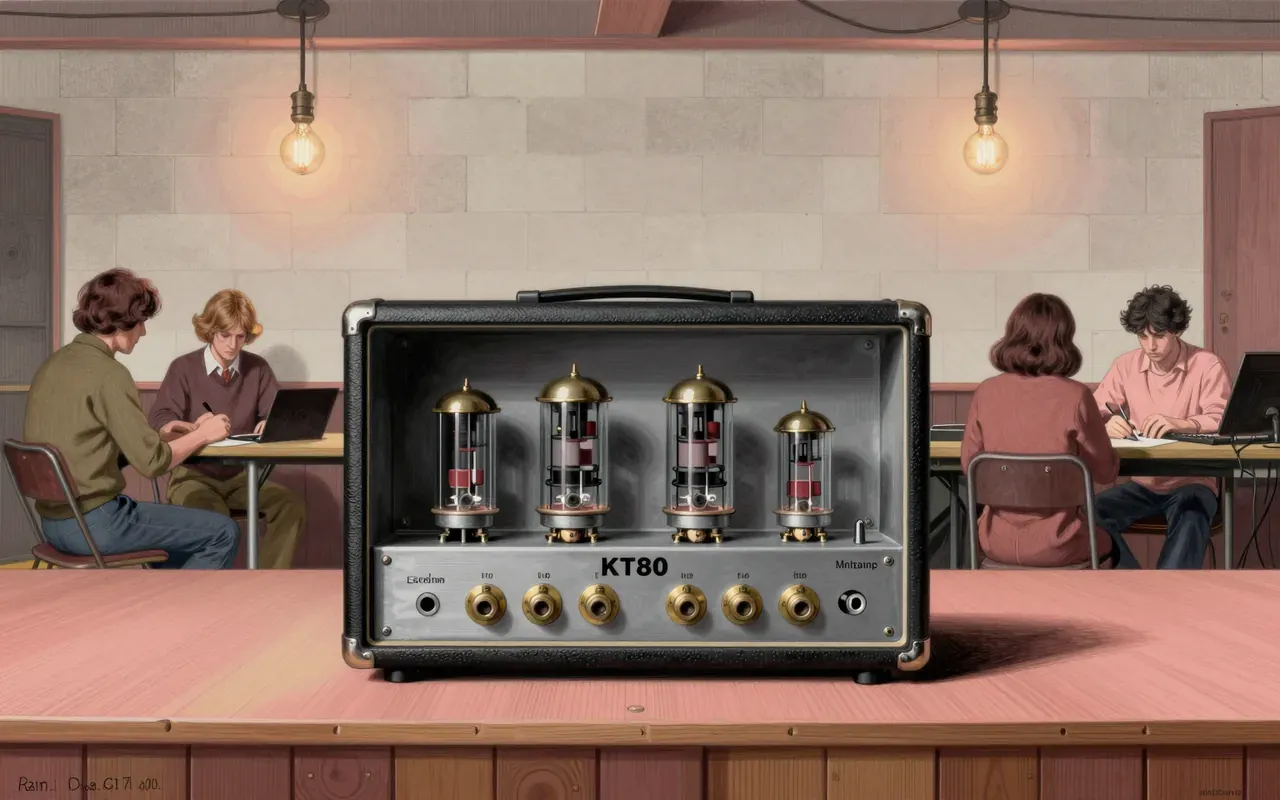
The Matamp GT120 is a tube guitar amp head. No technical specifications are available. Nothing else is confirmed.
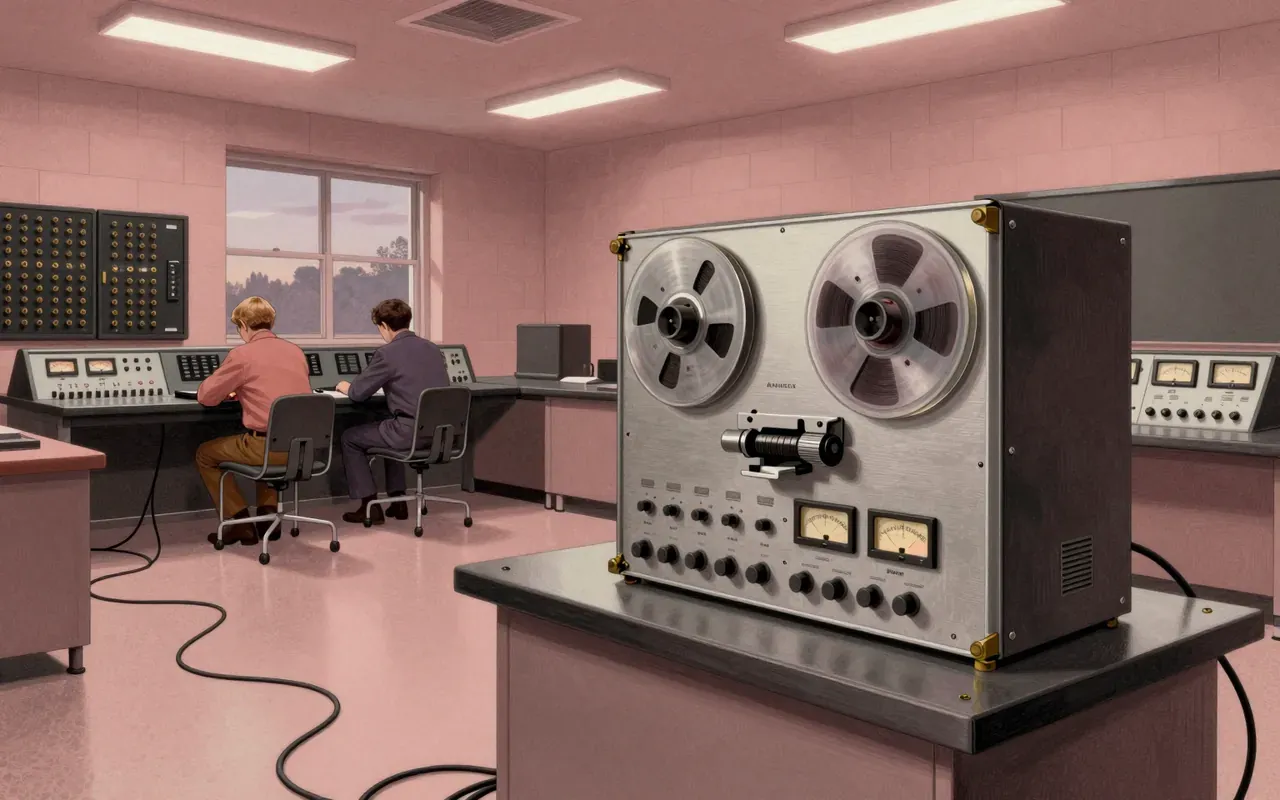
The Ampex MM-1200 is an analog multitrack recorder. No technical specifications exist for it. That absence defines its limits.
The Otari MTR-10 is an analog multitrack recorder. No technical specifications are available. It is also referred to as 'mtr 10' or 'mtr10'.
The Otari MTR12 is an analog multitrack recorder. No technical specifications exist for it. That absence defines its utility — or lack thereof.
The Otari MTR-90 is listed as an analog multitrack recorder. No technical specifications are available. Nothing else is confirmed.
The Eventide Omnipressor 2830 Au is a studio compressor. No technical specifications are available. It belongs to the studio compressors category.
The Gibson Super 400 CES (2011) is a discontinued hollow/semi-hollow electric guitar. Its name, category, and discontinuation are the only verified facts. It has no technical specifications, no availability, and no documented use. It does not function as an instrument today.
The Waves V-Series is an effects bundle with no published technical details. It offers no verifiable functionality, no documented use cases, and no basis for evaluation beyond its category label.
The EMS Vocoder 5000 is classified as an 'Other Effects Processor'. No technical specifications are available for it.
The Neve VR LEGEND 60 is confirmed only as an analog mixer. No technical specifications exist in the source material. Nothing is verified about its design, operation, application, or outcome.
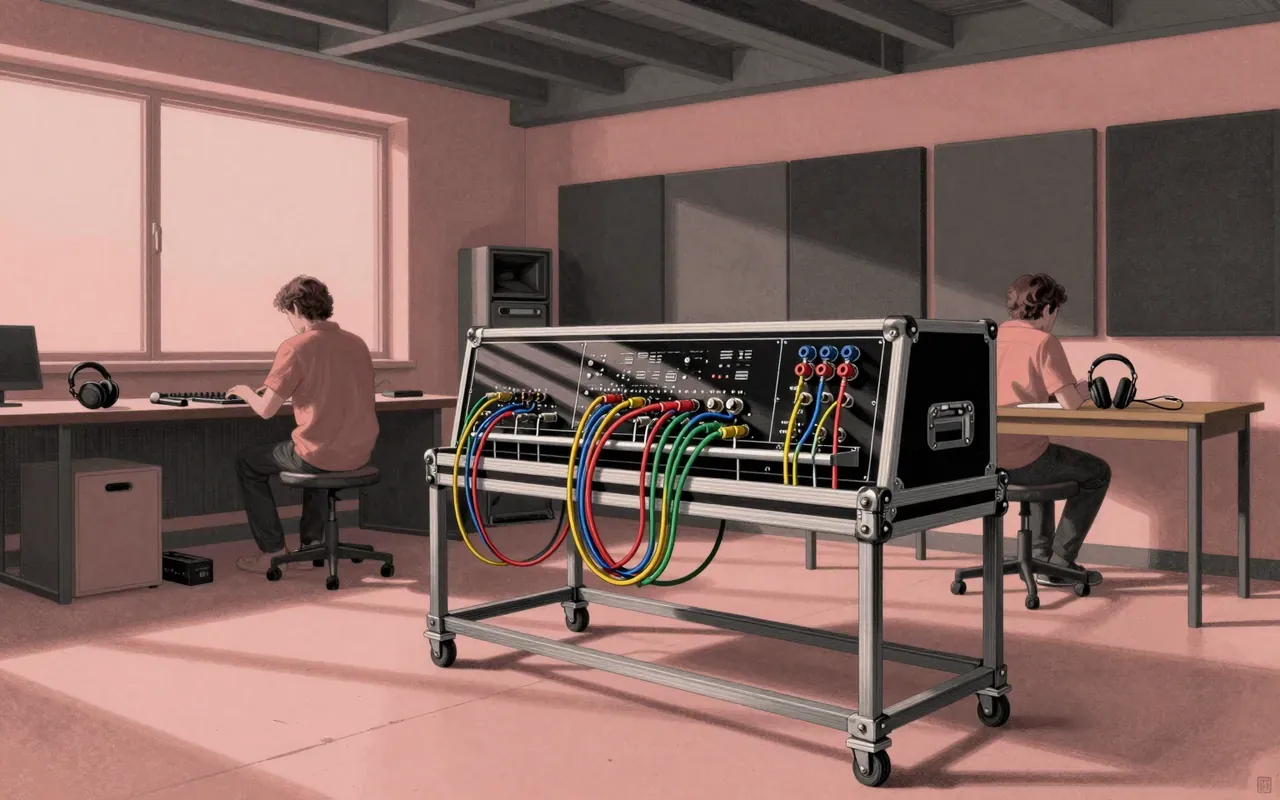
The Z3000 is a generator module for modular synthesizer. That is all the source states. No specifications. No context. No function described beyond its category. It cannot be evaluated, compared or used meaningfully from the information given.

The ARP Avatar was a 1977 guitar-controlled synthesizer module. It copied the ARP Odyssey’s synthesis architecture but removed the keyboard and added a 6-way fuzzbox. It required a hexaphonic pickup and pitch-to-voltage conversion. It failed commercially. Sales totalled $1 million over two years against $4 million spent on R&D and production. It contributed to ARP Instruments’ bankruptcy in 1981.
The Korg DDD-5 is documented only by two PDF files: a 3.3 MB owner’s manual and a 466.4 KB pattern chart, both published on 22 November 2017 and requiring Adobe Reader. Neither contains technical specifications, sonic description, interface details, or operational guidance. No use case, user, or creative output is stated. It is a product defined entirely by its licensing constraints and file formats — not by what it does.

The Bombardier M5000 is a light rail vehicle. TC Electronic is an audio equipment company. They have no relationship. The M5000 uses pre-recorded WAV files for warnings — but offers no user-accessible audio controls, no synthesis, no sampling, no modulation, no inputs or outputs. It is not an instrument. It is not software. It is not part of TC Electronic’s product line. It belongs in transport policy, not in an audio brief.

The 'List of vocoders' is not an instrument. It is a sparse, unattributed enumeration of models and band counts. It contains no operational detail, no historical context for the devices, and no connection to the Roland Corporation. It is a footnote masquerading as a subject.