
Publison DHM 89 B2
Publison
The Publison DHM 89 B2 is an Other Studio Effect made by Publison. No technical specifications exist for it. Nothing else is confirmed.
The Publison DHM 89 B2 is an Other Studio Effect made by Publison. No technical specifications exist for it. Nothing else is confirmed.
The Gemini DJ MM-1000 is a 3-channel analogue mixer. It offers no EQ, no effects, no headphone output, no crossfader, and no cueing. It exists only to sum three line-level signals and send them to one output. Its value lies entirely in its simplicity and reliability — not in versatility or sonic character.
The Neve VR LEGEND 60 is confirmed only as an analog mixer. No technical specifications exist in the source material. Nothing is verified about its design, operation, application, or outcome.
The Studer A827 is an analog multitrack-studio. No technical specifications are provided. Its function, design, and use remain undocumented in the source.

The Soundcraft 2400 is an analog mixer made by Soundcraft. No technical specifications are published. Nothing else is confirmed.
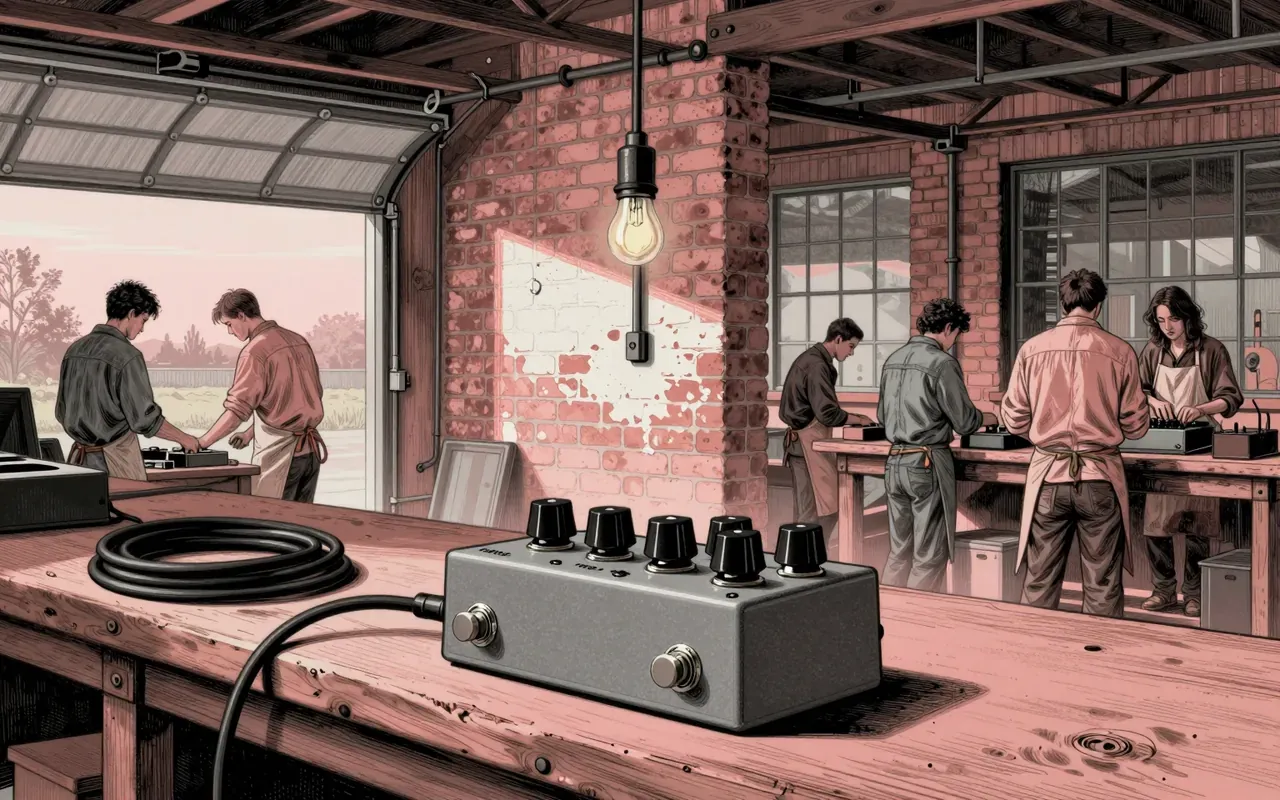
The Marshall Guv'nor is a no-compromise analog distortion/overdrive pedal. It gives guitarists direct, unmediated access to Marshall-style grit through five physical controls. It refuses modern conveniences: no USB, no rack ears, no presets. It was discontinued in 2023.
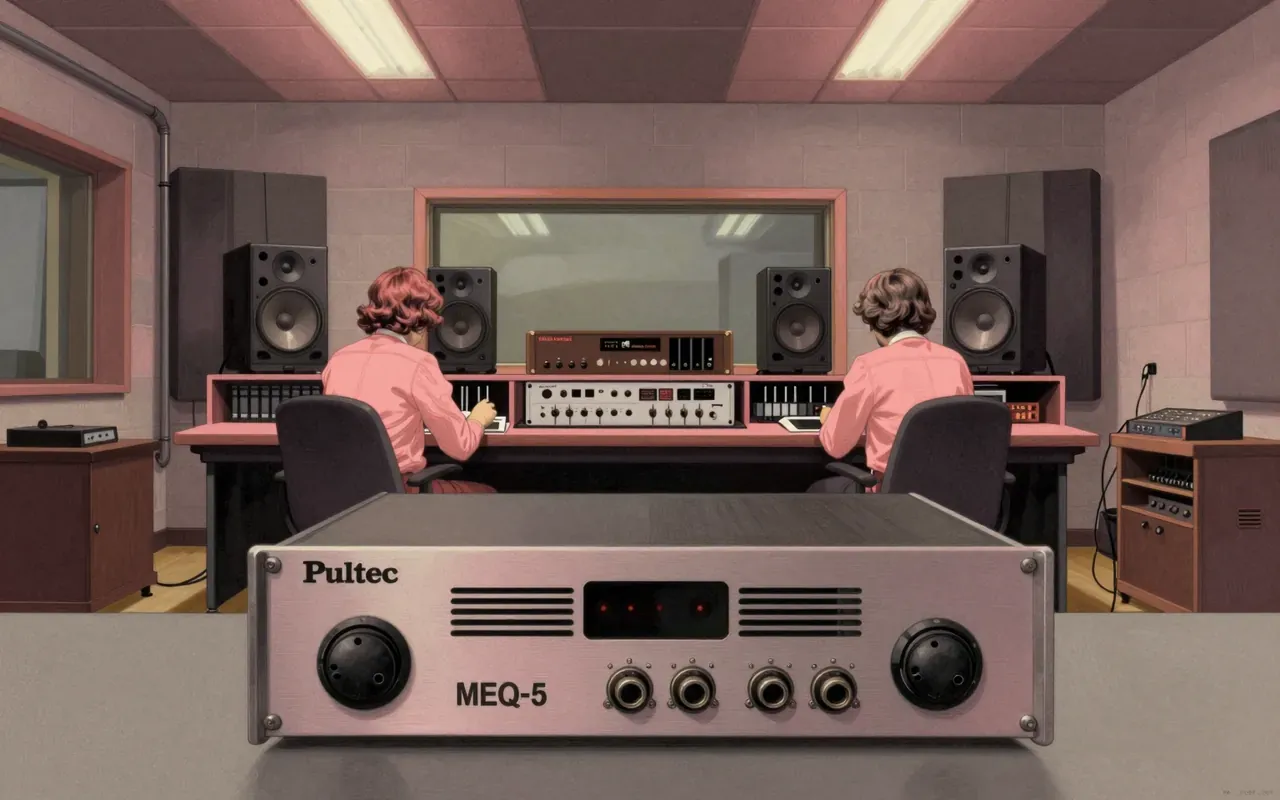
The Pultec MEQ-5 is a clean, transparent, three-band analog EQ. It occupies two rack spaces. Each band uses a frequency switch and a gain knob. It covers nearly the full frequency spectrum. It alters sound cleanly—nothing more, nothing less.
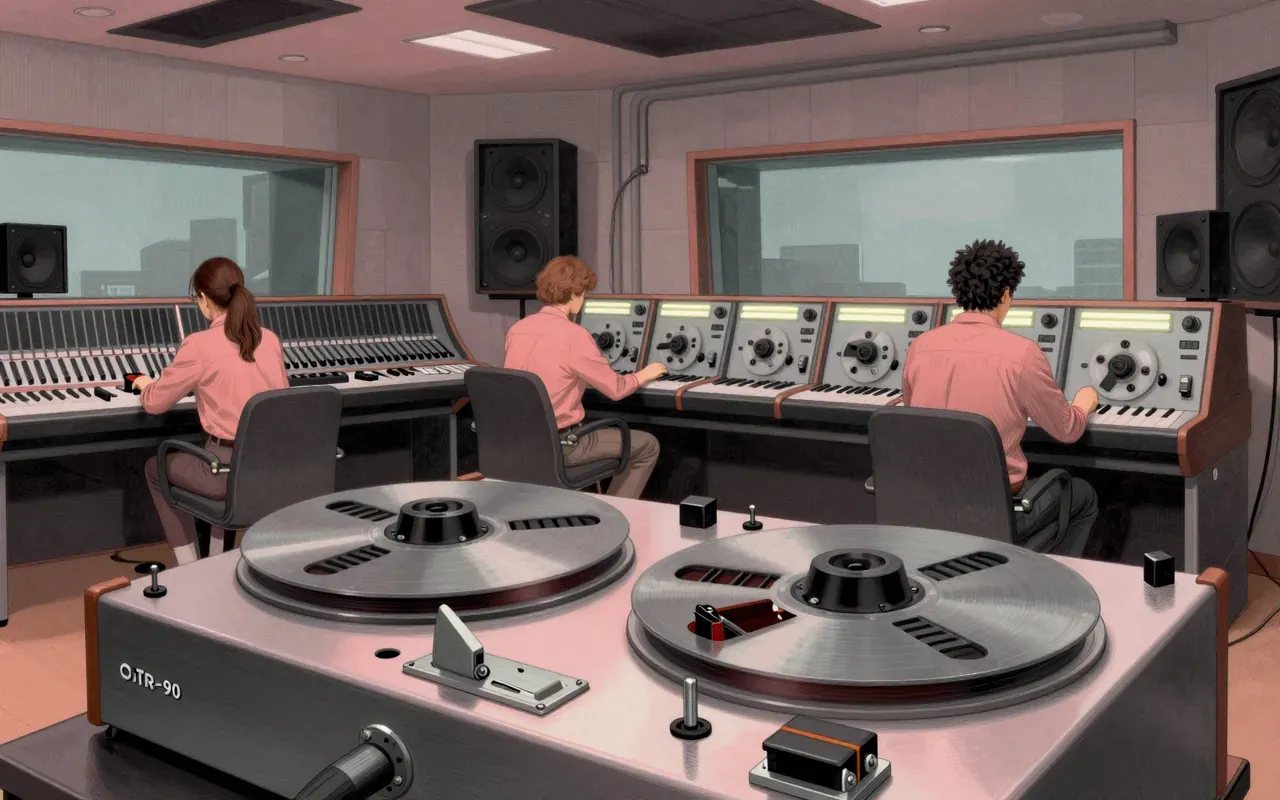
The Otari MTR-90 is listed as an analog multitrack recorder. No technical specifications are available. Nothing else is confirmed.
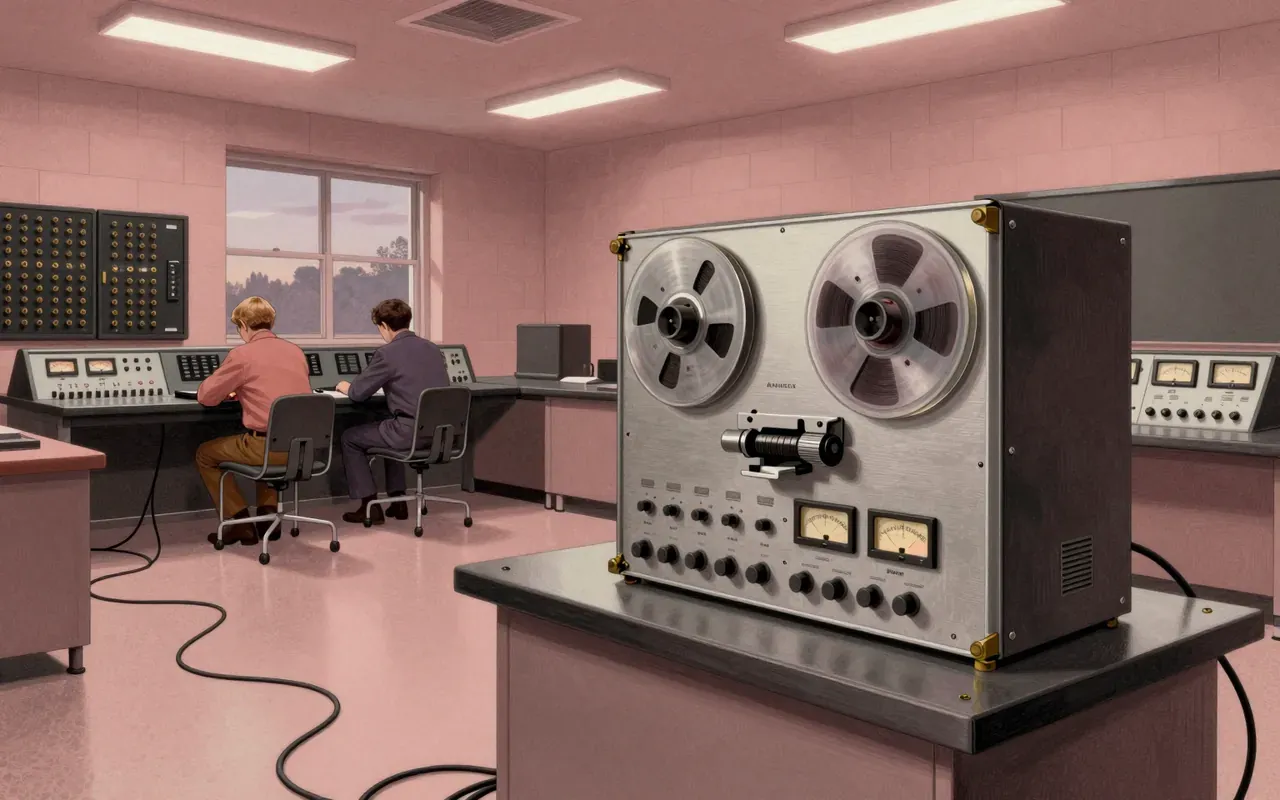
The Ampex MM-1200 is an analog multitrack recorder. No technical specifications exist for it. That absence defines its limits.
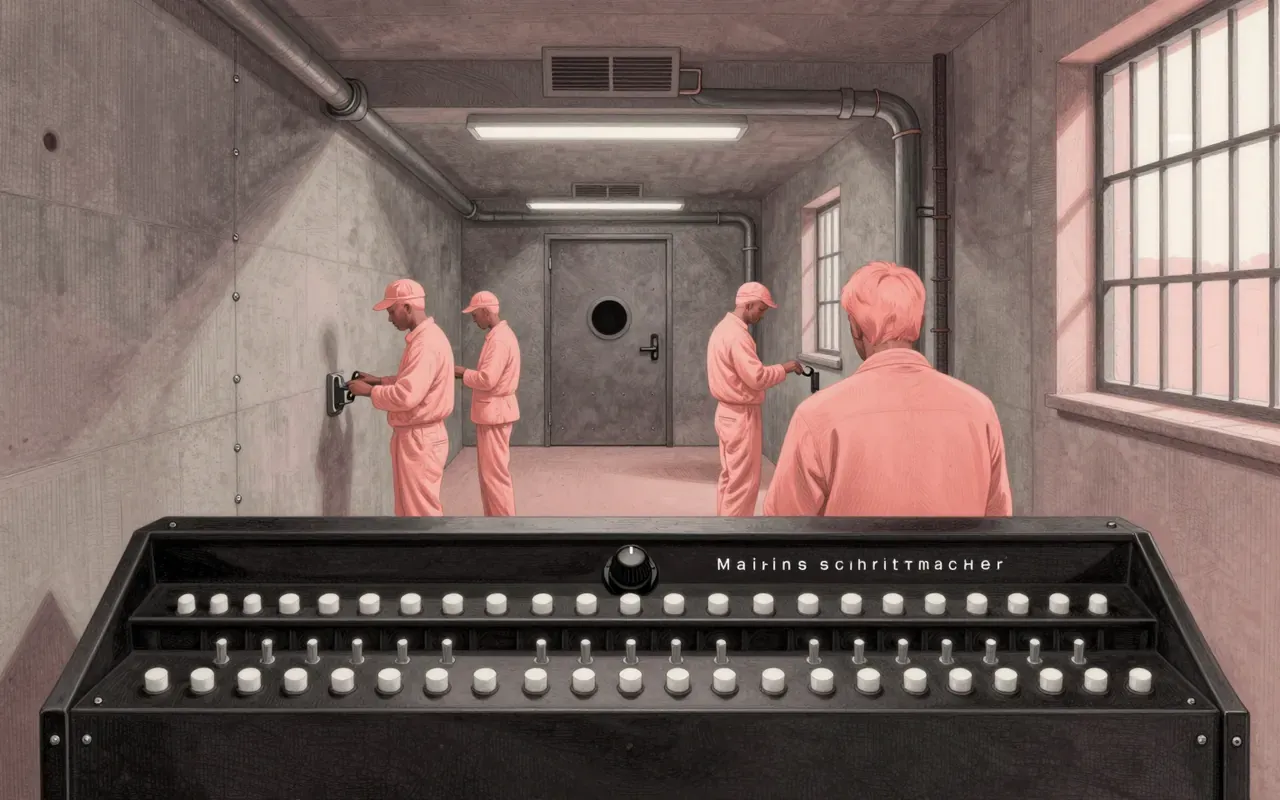
The Schrittmacher is a sequencer made by Manikin Electronic. No technical specifications are available. That is all that is known.
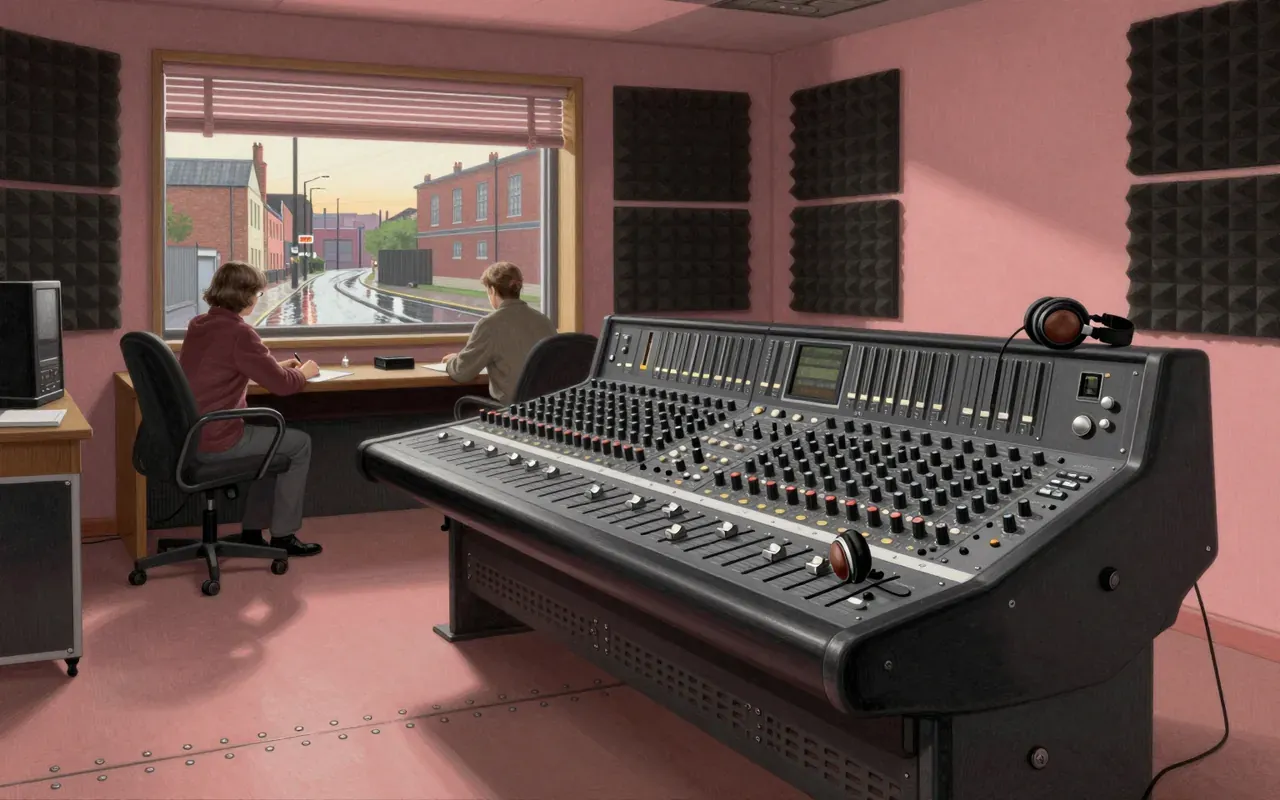
The Neve 8058 is a 24-channel analog mixer with 31102 preamps (essentially 1084s), semi-parametric EQ per channel, and 16 buses. It has no automation. Its sound is full, deep and low-mid-rich — a deliberate, non-neutral colouration.

The AKG d202 is a dynamic microphone. That is all the material confirms. No specs. No year. No use cases. Just its category and its $299 price.
The Tascam Portastudio 246 is an analog multitrack-studio. No technical specifications exist for it. It belongs to the category of Analog Multitrack-studios.
The Lynx Aurora 16 is an Analog/Digital Converter. No technical specifications are available for it. It belongs to the category of Analog/Digital Converters.
The Prophet 3000 is a sampler made by Sequential Circuits. That is all the source material says.
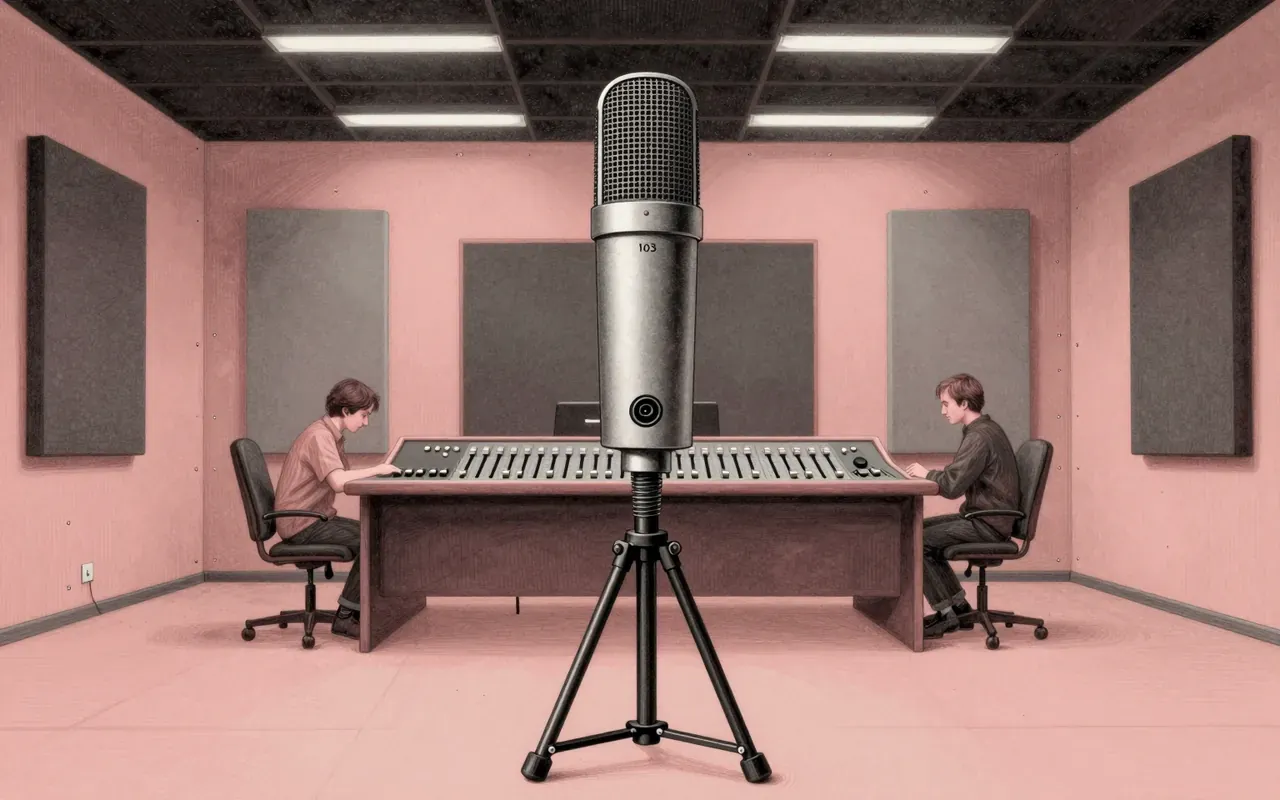
The Neumann TLM 103 is a fixed cardioid condenser microphone. It delivers a full 20 Hz–20 kHz frequency response. It has no low-cut filter or pad. It does not include a shock mount. It ships in a wooden, padded box. Its output impedance is 50 ohms.
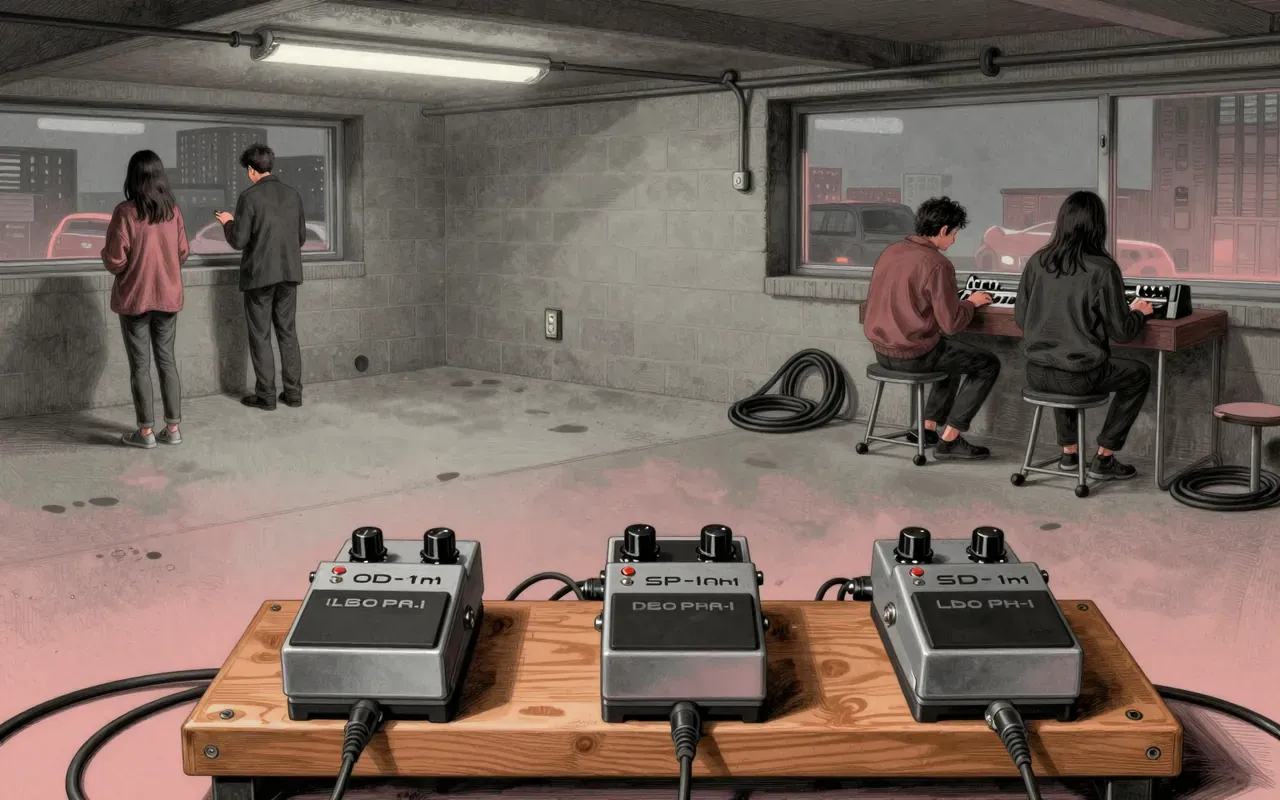
The Boss PH-1 is a compact phaser pedal released by Boss in 1977 as one of its first three pedals. It emulates Leslie speaker phasing with greater versatility. It has only two controls: Rate (speed) and Depth (dry/wet mix). Production ran from 1977 to 1981.
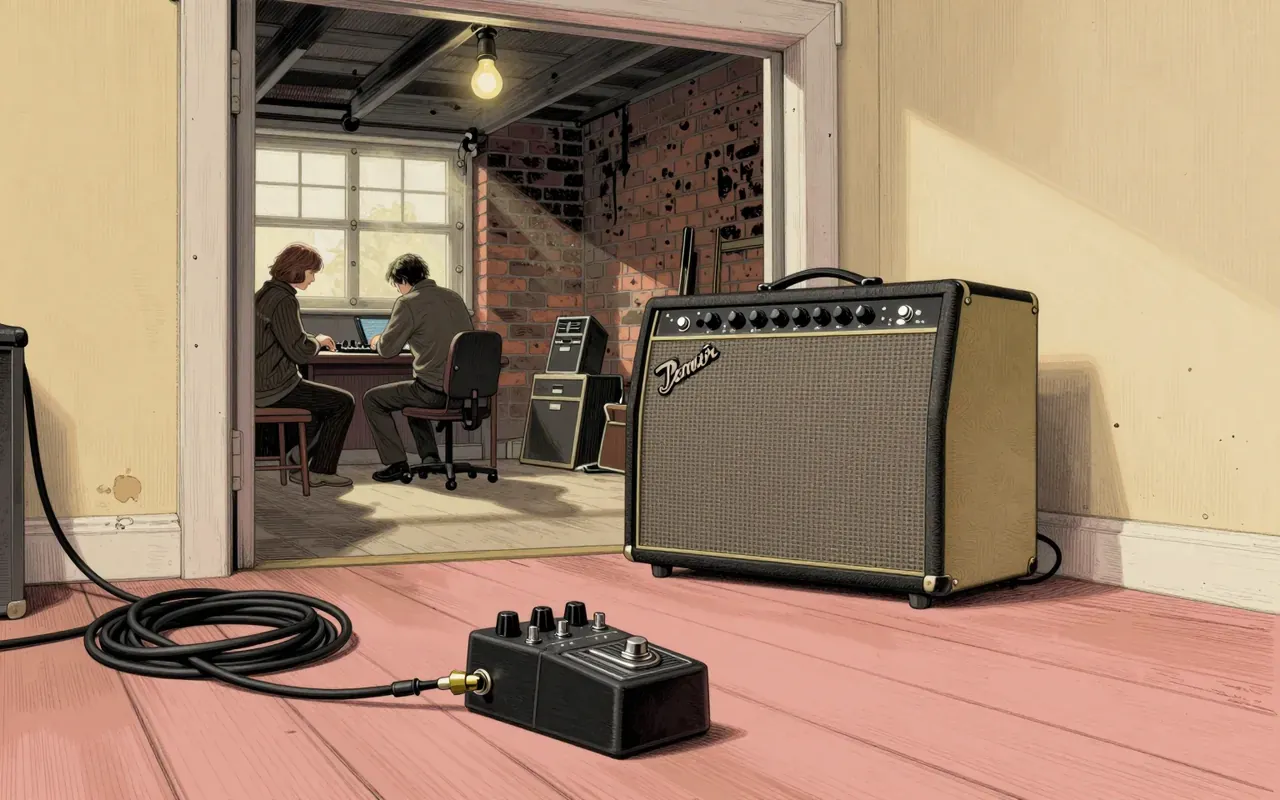
The Colorsound OverDriver is a fixed-gain overdrive pedal. It has no controls. It offers no specifications. It does one thing, consistently, without variation.

The Neve 2254 is an all-analog compressor/limiter from the late 1960s, revived as the 2254-R with identical circuitry and only a new casing. It delivers thick, heavy compression — especially on vocals — via straightforward controls: ratio, attack, recovery, limit level, gain makeup and mode. Its unique meter and lack of digital elements make it tactile and immediate. It offers no stereo linking, no variable knee, no recall — just weight, simplicity and a singular sonic character.
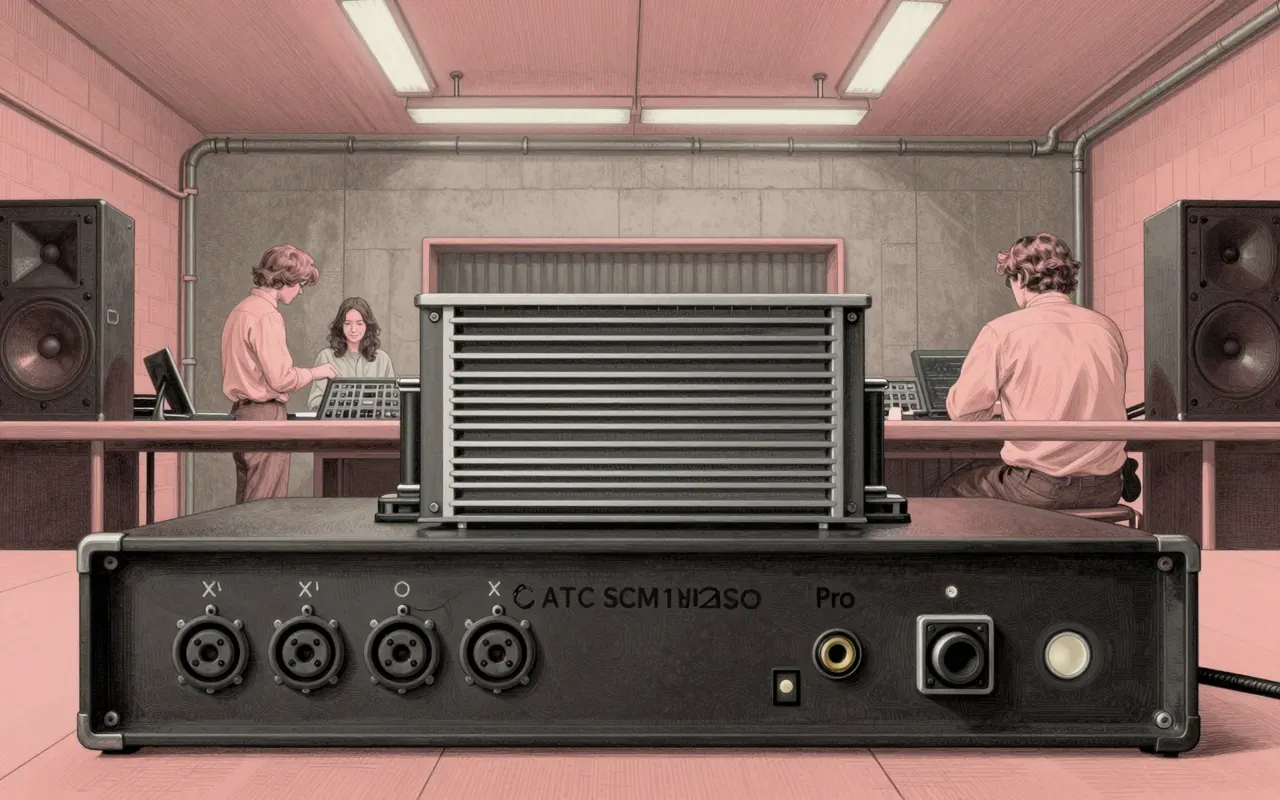
The ATC SCM100ASL Pro is an active studio monitor. No technical specifications are available. It requires no external amplifier. Its performance boundaries are undocumented.

The Pioneer DJM-600 is a 4-channel analog DJ mixer with RCA and XLR I/O, non-parametric EQ, integrated non-automatable effects, no sync capability, and clean, distortion-free sound — though perceived as dated by 2010. It is widely used in clubs and praised for reliability, intuitive layout, and ease of installation.
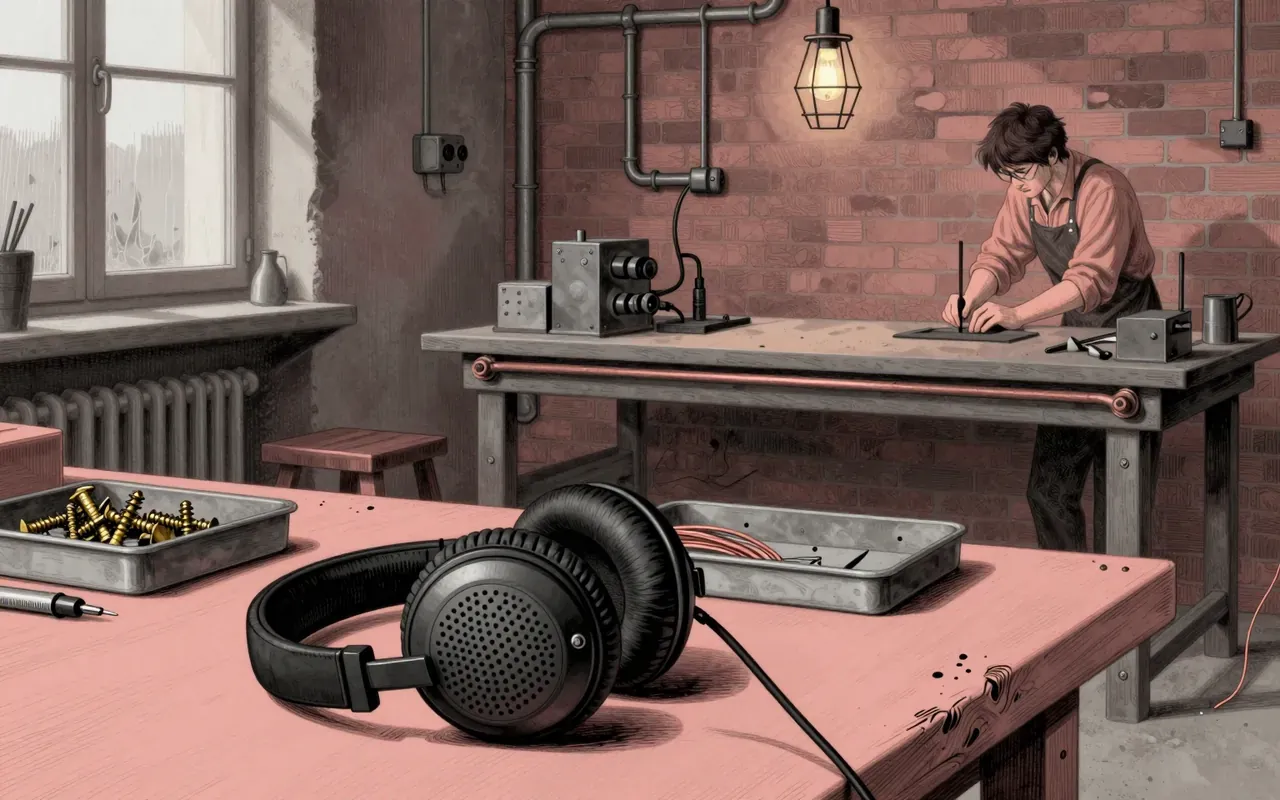
The Beyerdynamic DT 48 is the world’s first dynamic headphone, launched in 1939. Its closed, tight-fitting design isolates sound but causes fatigue. Its midrange is superb and revealing—built to monitor voice, sound objects, and mood in reporting, radio, film, and medical audiometry. It is not intended for mastering.
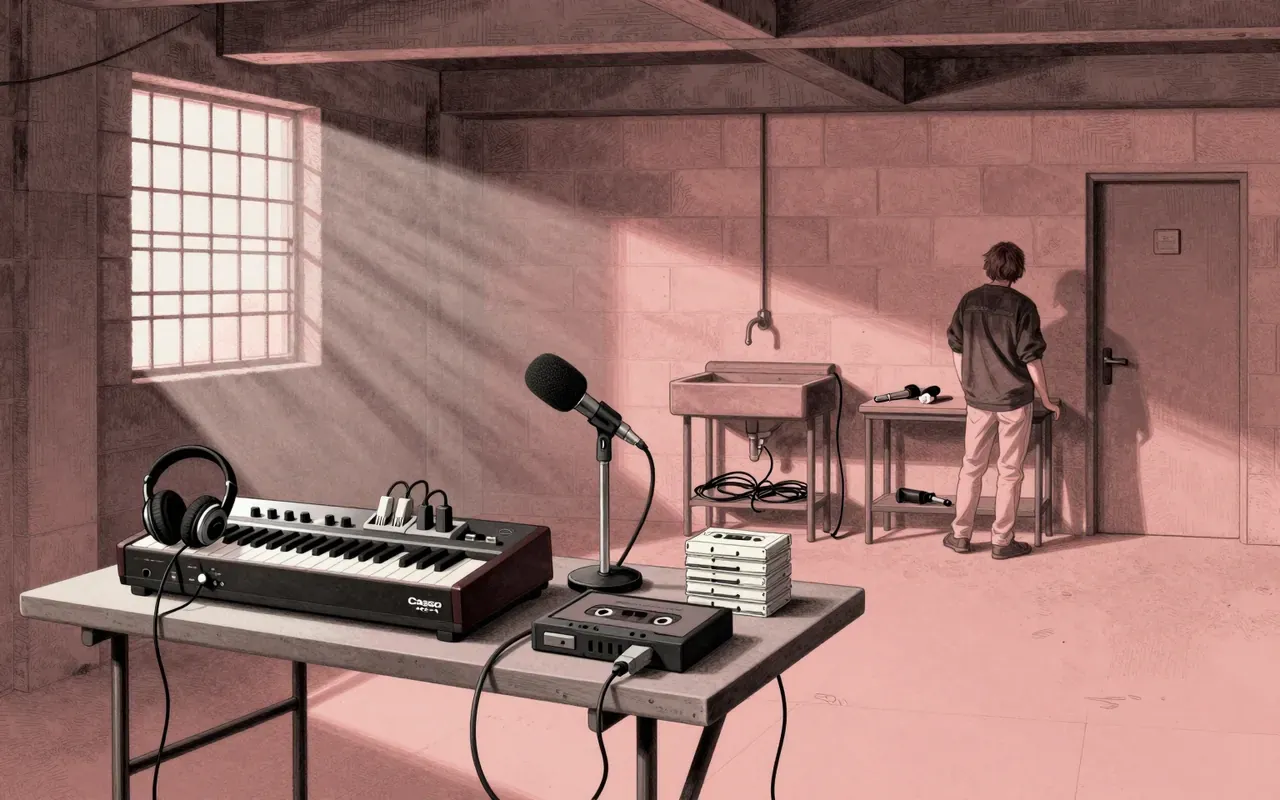
The Casio RZ-1 is a 1986 drum machine built for fast, physical beat-making — not pristine sound. It gives you twelve basic PCM drums, four lo-fi sample slots (0.2 seconds each at 20kHz), tone-only editing, 100 patterns, 20 songs, and ten discrete outputs with volume sliders. It does not do fidelity, flexibility, or effects. It does do immediacy, separation, and constraint-as-creative-tool.
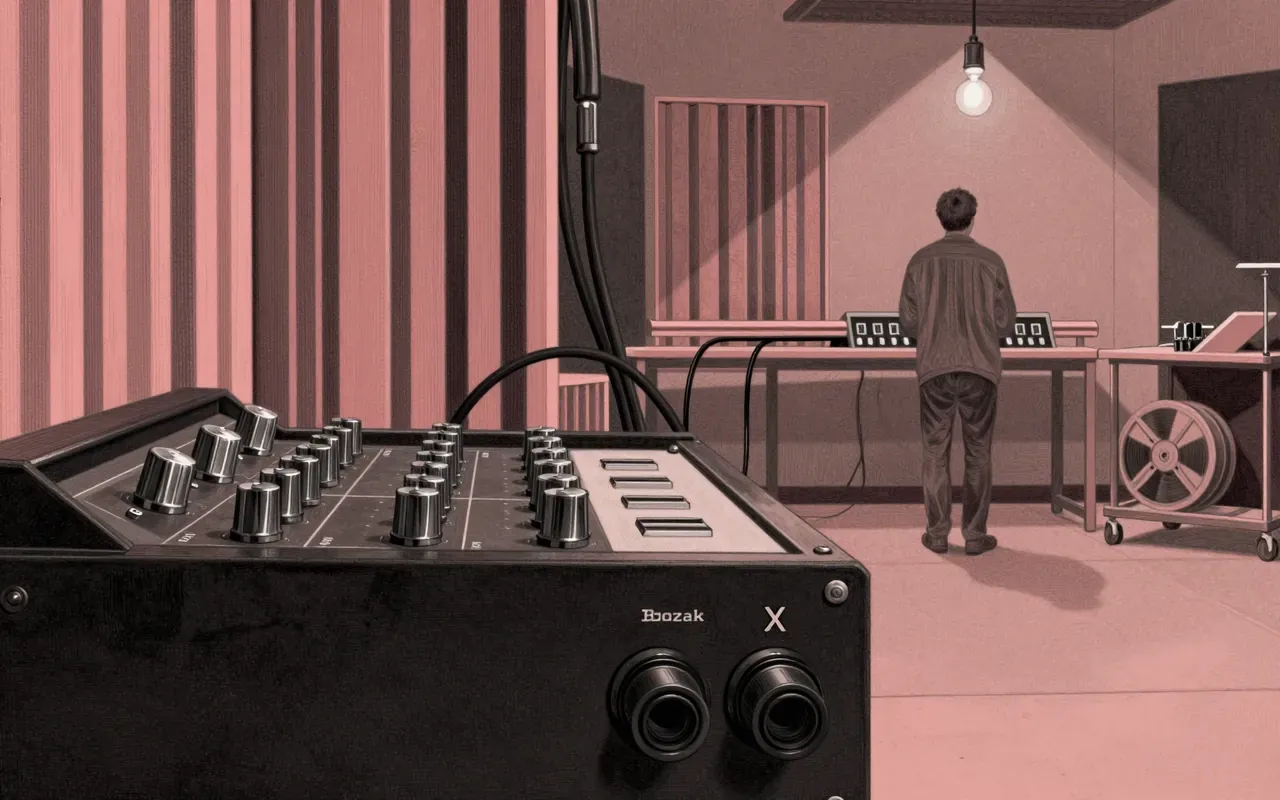
The Bozak CMA-10-2DL is a 4+ channel analogue mixer. It routes four inputs to two outputs. It has no equalisation, no dynamics, no monitoring path, and no amplification. Its name appears in multiple inconsistent spellings. No use cases, dates, or technical specifications are verified in available sources.
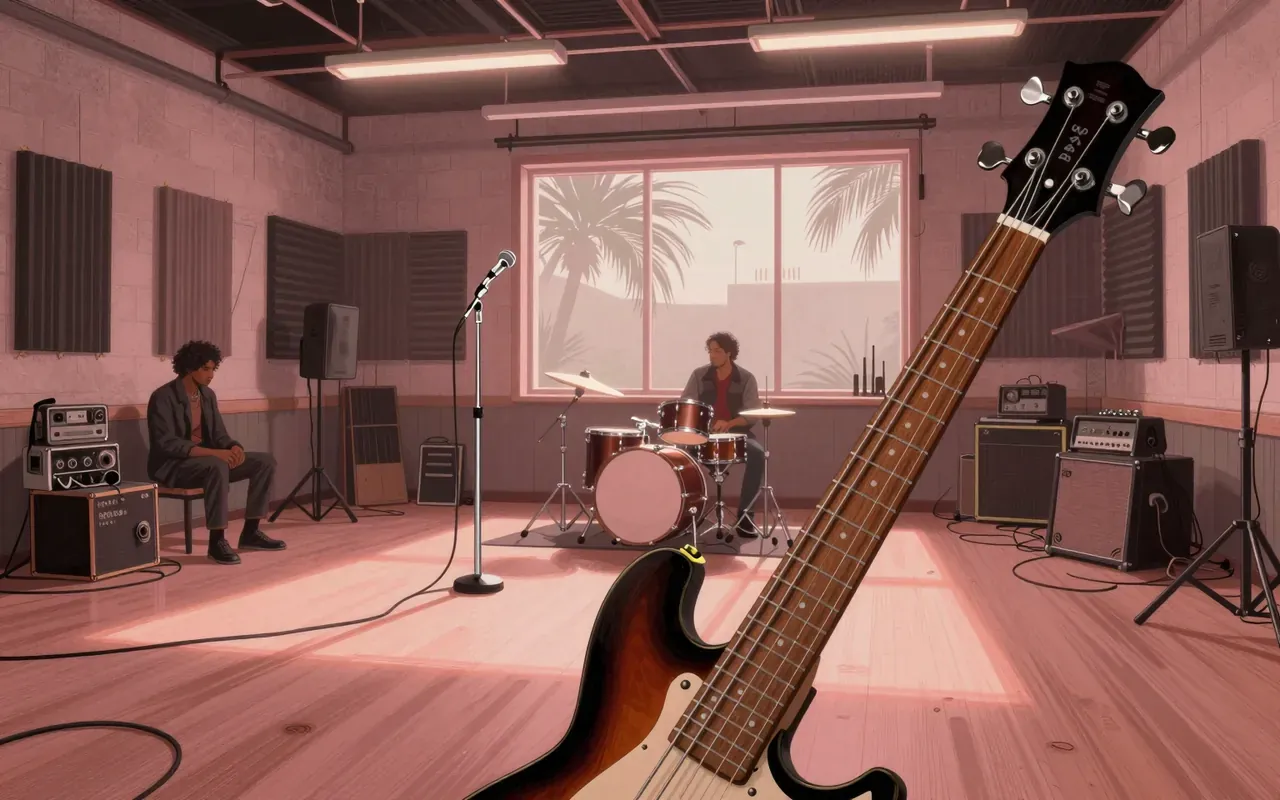
The Rickenbacker 4005 is a 4-string bass guitar. That is all the source material confirms.
The Beyerdynamic M 88 TG - 90 years edition is a discontinued dynamic microphone. It has been replaced by the M 88 TG. It is no longer sold.
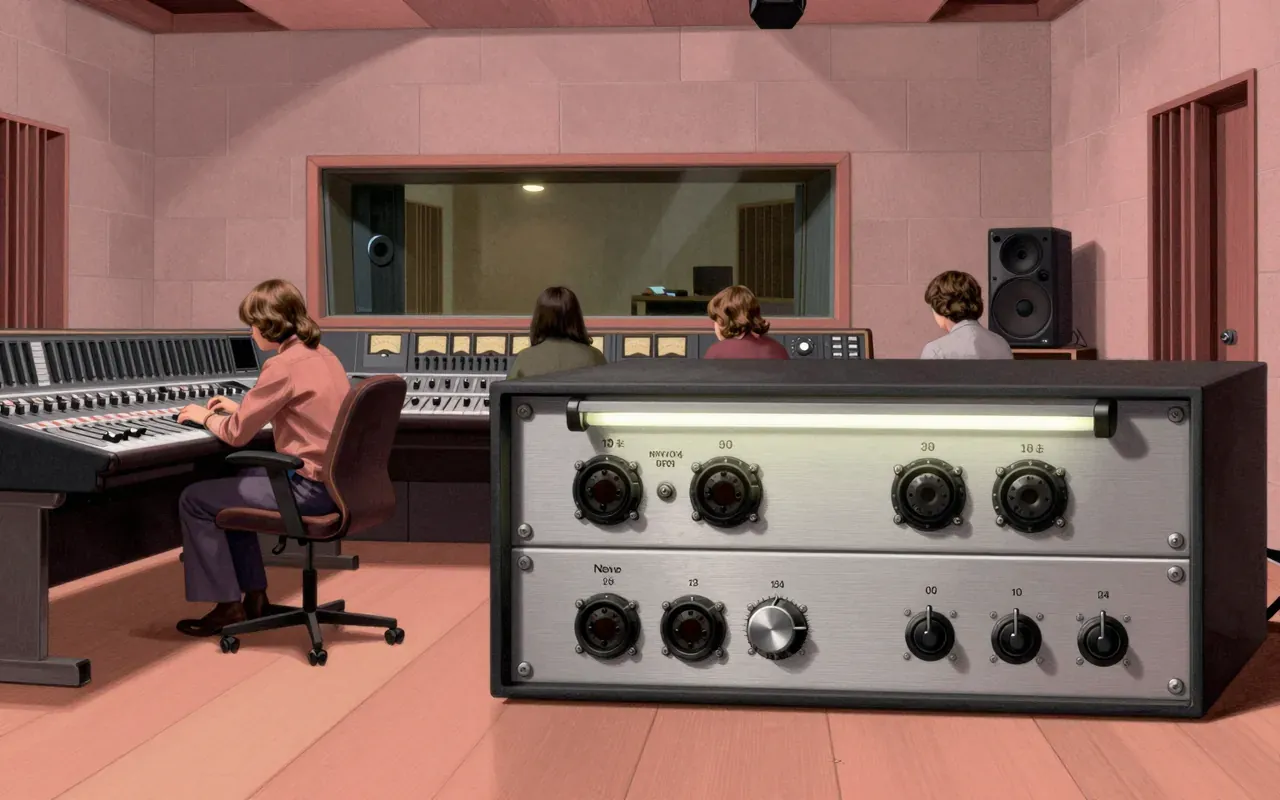
The AMS Neve 1073 DPA is a solid-state, pure class A, 2-channel preamp with DI, variable impedance, phantom power, and phase inversion — but no EQ, no insert, no flexibility beyond its fixed tonal signature. It gives you a clear, present midrange, smooth highs, and round, deep lows. It is not neutral. It is not modular. It is not subtle. It is specific.
The AKG D19 B200 is a dynamic microphone. No technical specifications are available. It cannot be evaluated against alternatives. It offers no documented advantage. It provides no actionable information to a user.
The Roland MSQ-100 is a sequencer with no documented technical specifications. It exists only as a named object with alternate spellings. Nothing is verified about its function, capacity, interface behaviour, or sonic role.
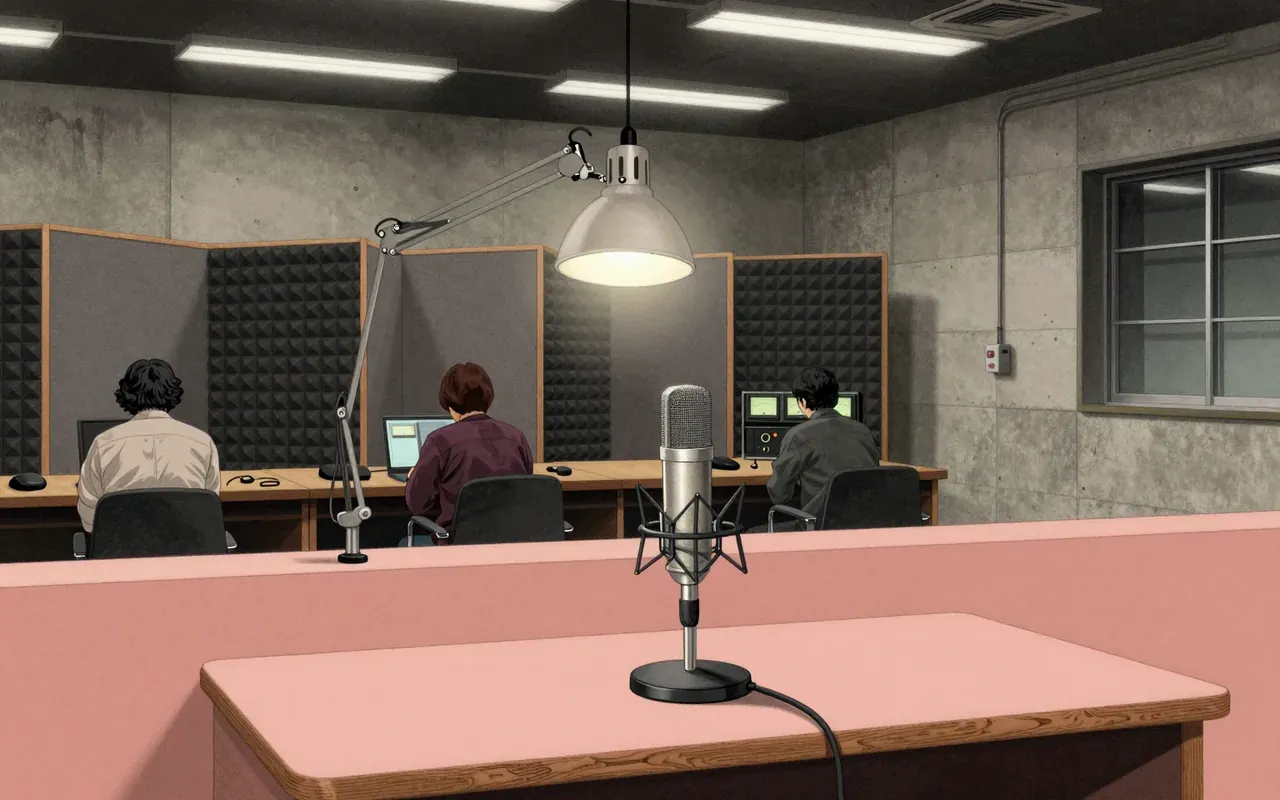
The Sony C37A is a large diaphragm condenser tube microphone. It belongs to a narrow class of studio mics defined by harmonic colour rather than flexibility. It has no documented switches, filters or pads. Its alternate names — 'c 37a' and 'c37 a' — appear in official listings but indicate no functional variation.

The Oberheim Matrix-6 is a discontinued analog synthesizer made by Oberheim. No technical details, availability or usage context are given in the source. It exists only as a named category and manufacturer claim.
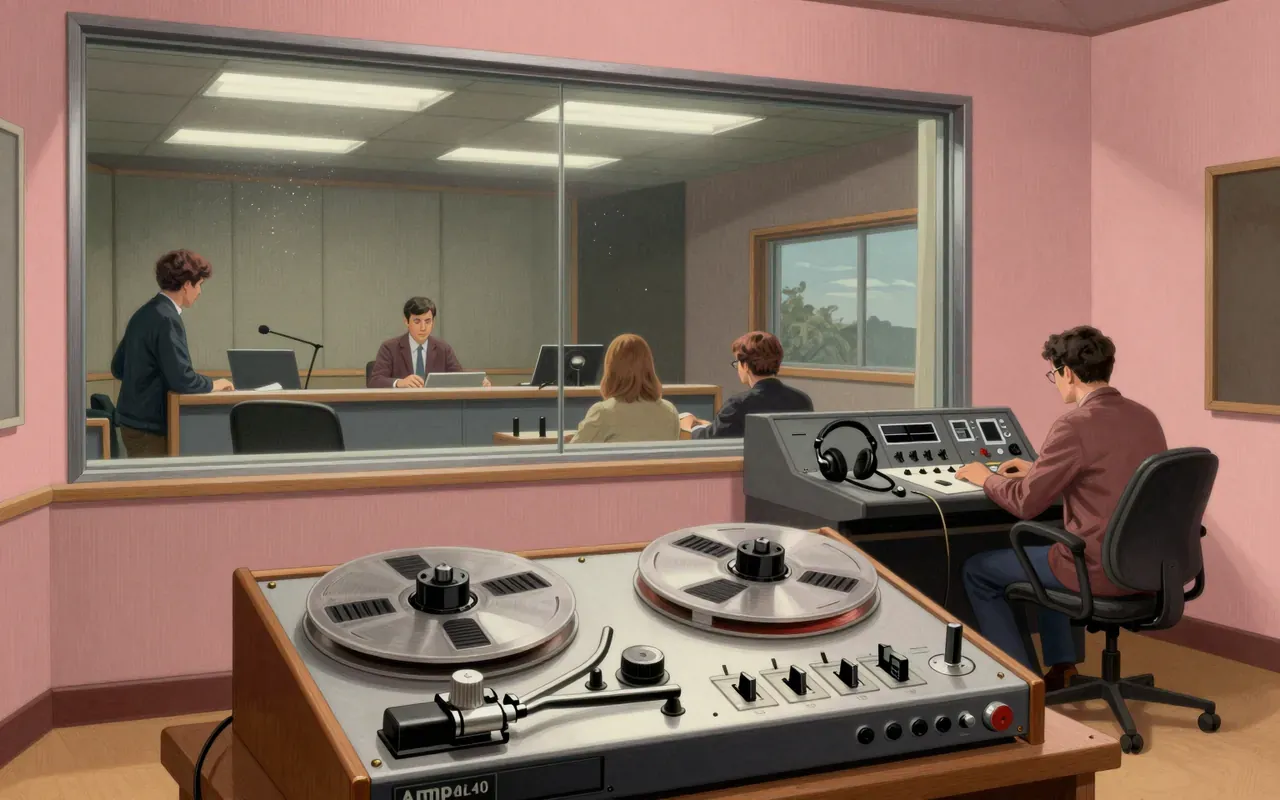
The Ampex AG-440 is an analog multitrack recorder. No technical specifications are available. Its alternate names include ag440, a 440, and a440. Nothing else is verifiable.
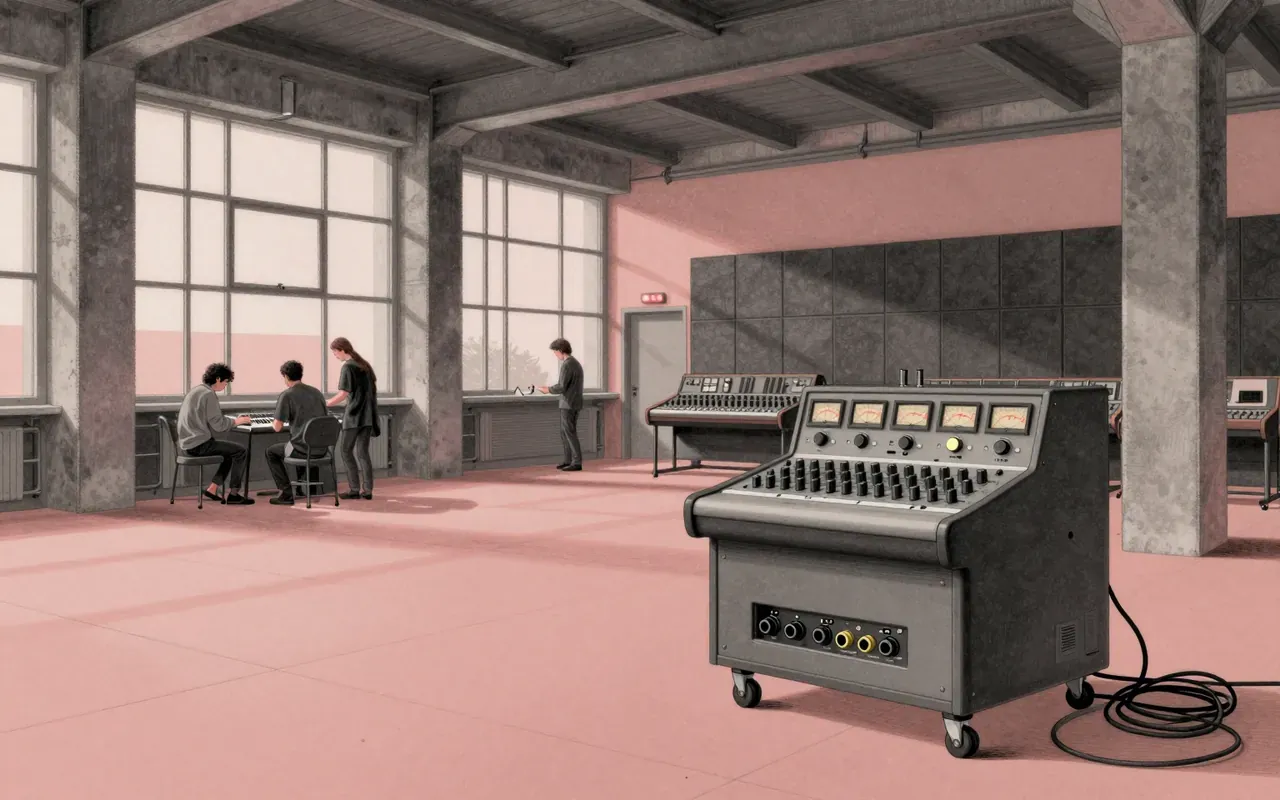
The Mellotron M4000D Mini is a digital sampling synthesizer released in 2013. It uses a Fatar keybed and delivers 24-voice polyphony. It replaces tape mechanics with sample playback. It offers consistency, portability, and reliability — at the cost of mechanical character.
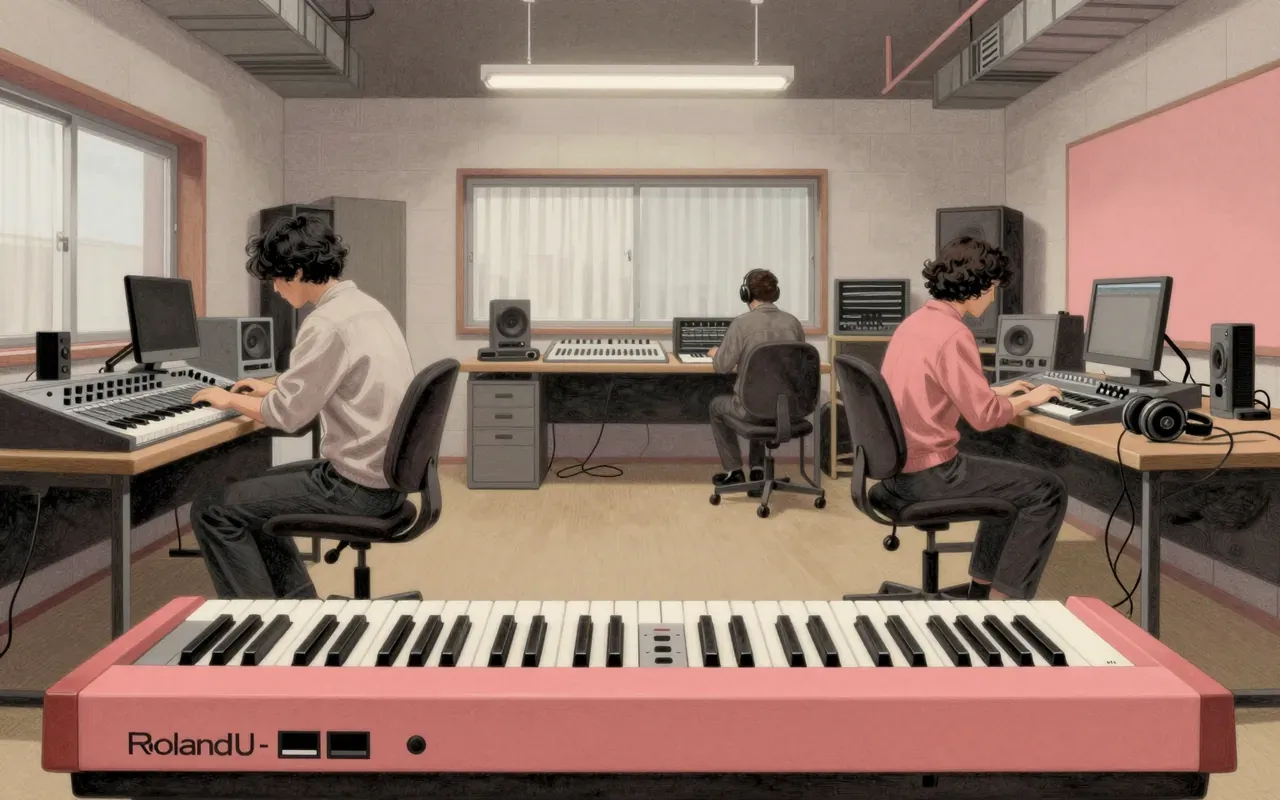
The Roland U-20 is a 1989 PCM-sample keyboard that plays back stored sounds with no filtering. It uses ADSR envelopes and DSP effects like reverb and chorus for limited modification. It supports expansion via the M-256E RAM card and two ROM PCM-card slots. Its lack of filters and impractical aftertouch are documented drawbacks.
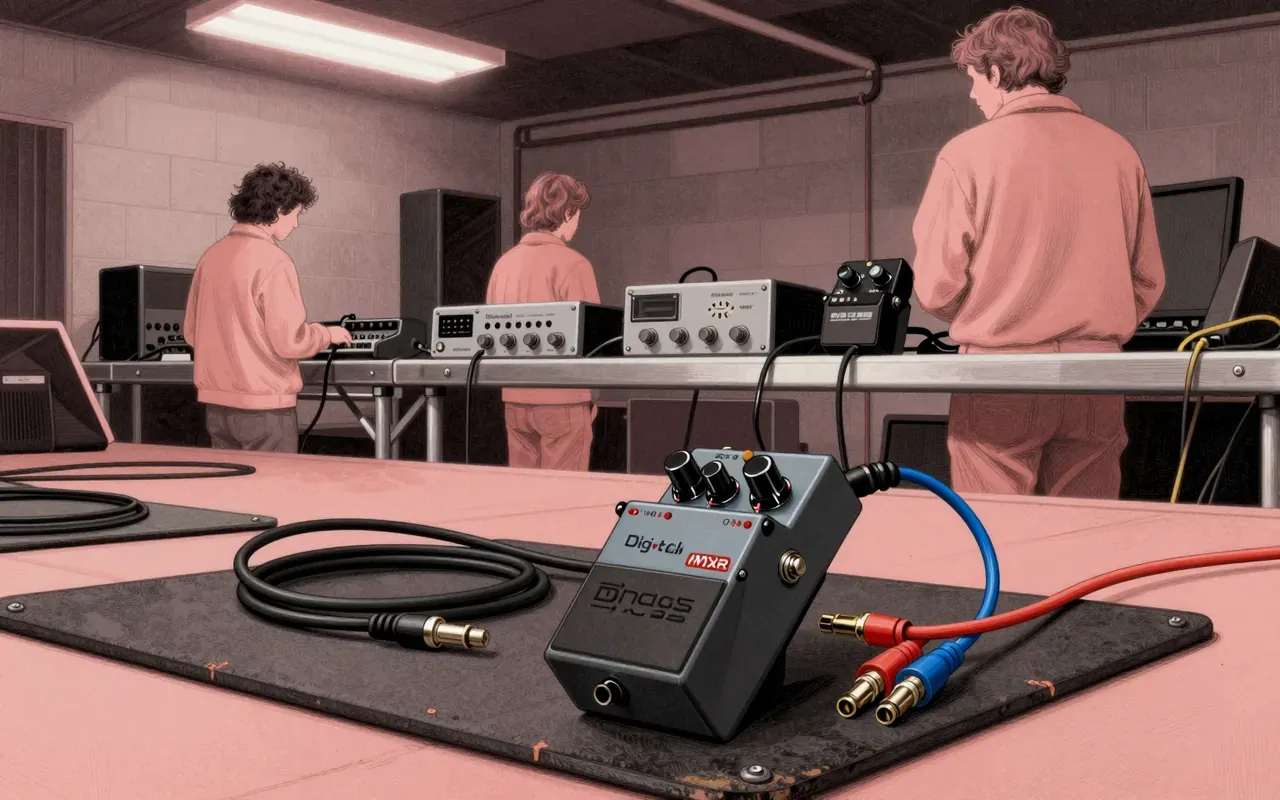
The Boss RV-2 is a fixed-function digital reverb pedal. It gives guitarists six preset spaces — no editing, no tone control, no stereo input. It is stomp-box-only. It runs on nine volts. It is discontinued. It was Boss’s first reverb.

The Oberheim/Gibson Echoplex Digital Pro is a 1994 hardware looper built for live performance. It records 16-bit/44.1kHz audio to RAM, ships with 50 seconds of memory (expandable to 200), supports unlimited overdubs per loop, stores up to nine loops, and offers MIDI sync, reverse looping, and multiplay. It has no filtering, time stretching, pitch shifting, stereo effects, or resampling.

The Sennheiser HD 600 is a studio-grade open-back headphone. It delivers an even frequency response. It renders acoustic instruments realistically across the full spectrum. Its highs are clear and crisp without harshness. Its lows are detailed and clear without overpowering. It was tested against the HD650, HD700, and HD800 using a decent D/A converter and a good headphone amplifier. It is used for mixing and mastering in professional and home studios. It requires capable amplification. It offers no sound isolation.

The Roland TB-303 is a 1981 subtractive bass synthesizer with a 24 dB/octave low-pass filter controlled by an envelope generator and an internal sequencer for note programming. Designed to simulate bass guitars, it was commercially unsuccessful and discontinued in 1984 due to its unrealistic sound.
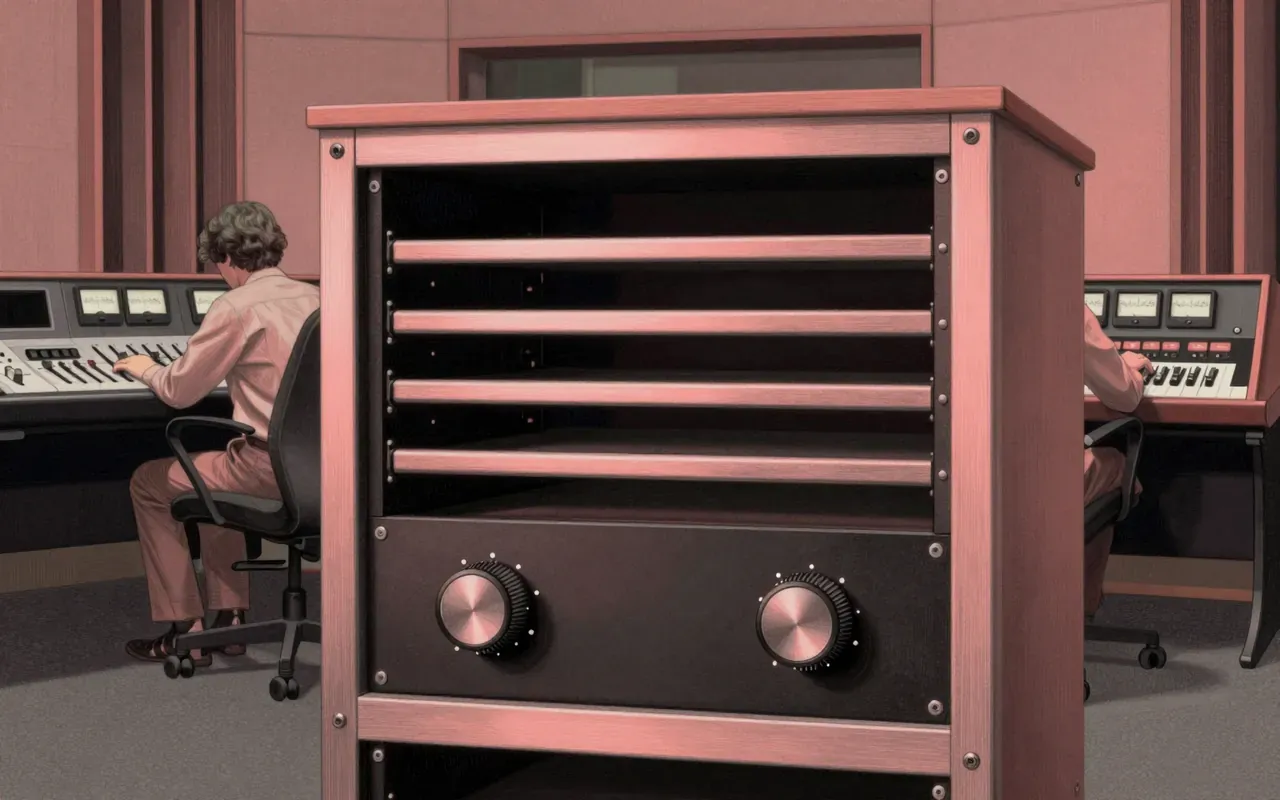
The API 215L is a 500-series filter module with no published technical specifications. It exists only as a hardware component for users already invested in API’s ecosystem. Its utility is narrow: it adds API’s transformer-coupled colour to filtered signals, but offers no modulation, no bypass, and no documented response curve. It is not a synthesiser filter, not a creative sound-design tool, and not usable outside a compatible rack.

The SSL 4000 E is a channel strip. No technical specifications are available. Nothing else is confirmed.
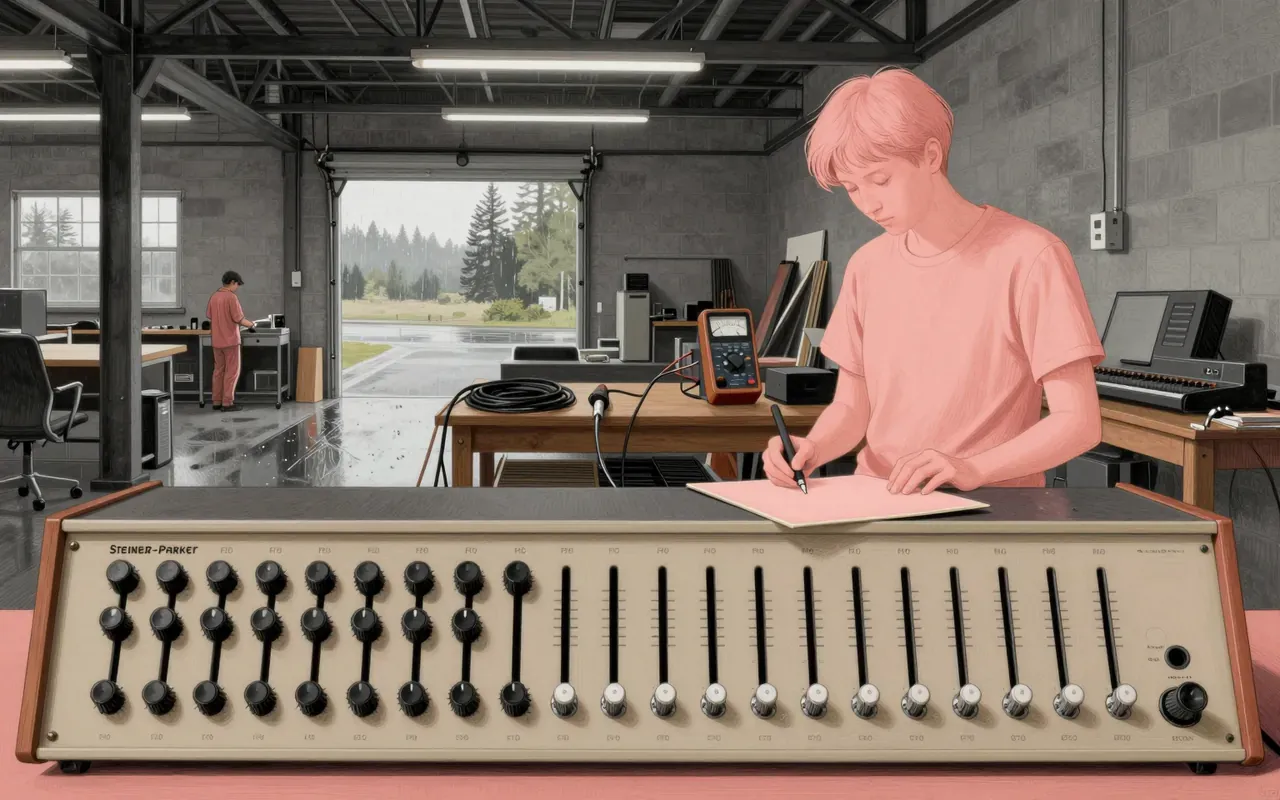
The Steiner-Parker Synthacon is a monophonic analog synthesizer released in 1975. Its defining feature is Nyle Steiner’s 12dB/octave multimode filter, which self-oscillates and sustains full amplitude at all resonance settings—a deliberate departure from the Minimoog and ARP Odyssey. Several hundred units were made. It has no polyphony, no LFO, no patch memory, and tuning stability is not documented. Its value lies in its singular filter behaviour, not versatility or convenience.
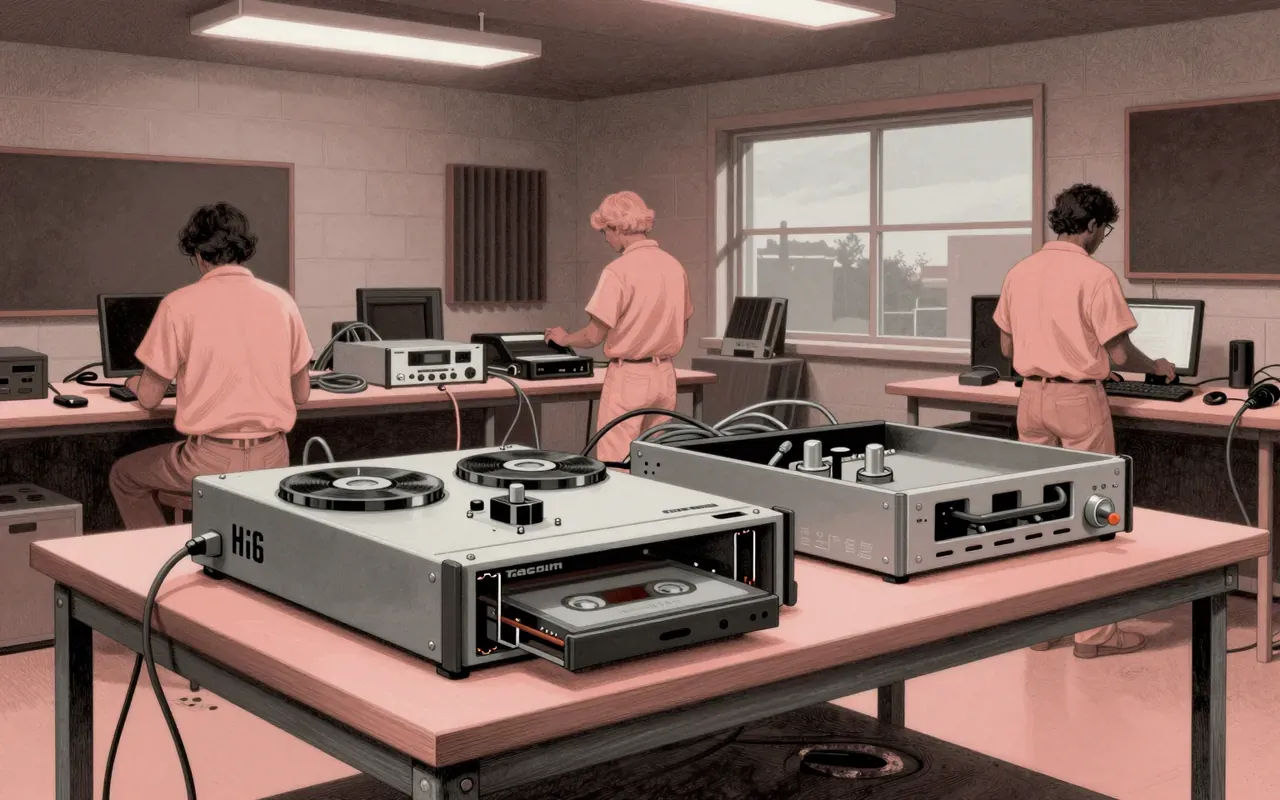
The Tascam DA-88 is a dedicated eight-track digital recorder using Hi8 tape. It occupies four rack units. It has XLR and RCA inputs. It uses large VU meters. Its audio quality remains acceptable today.
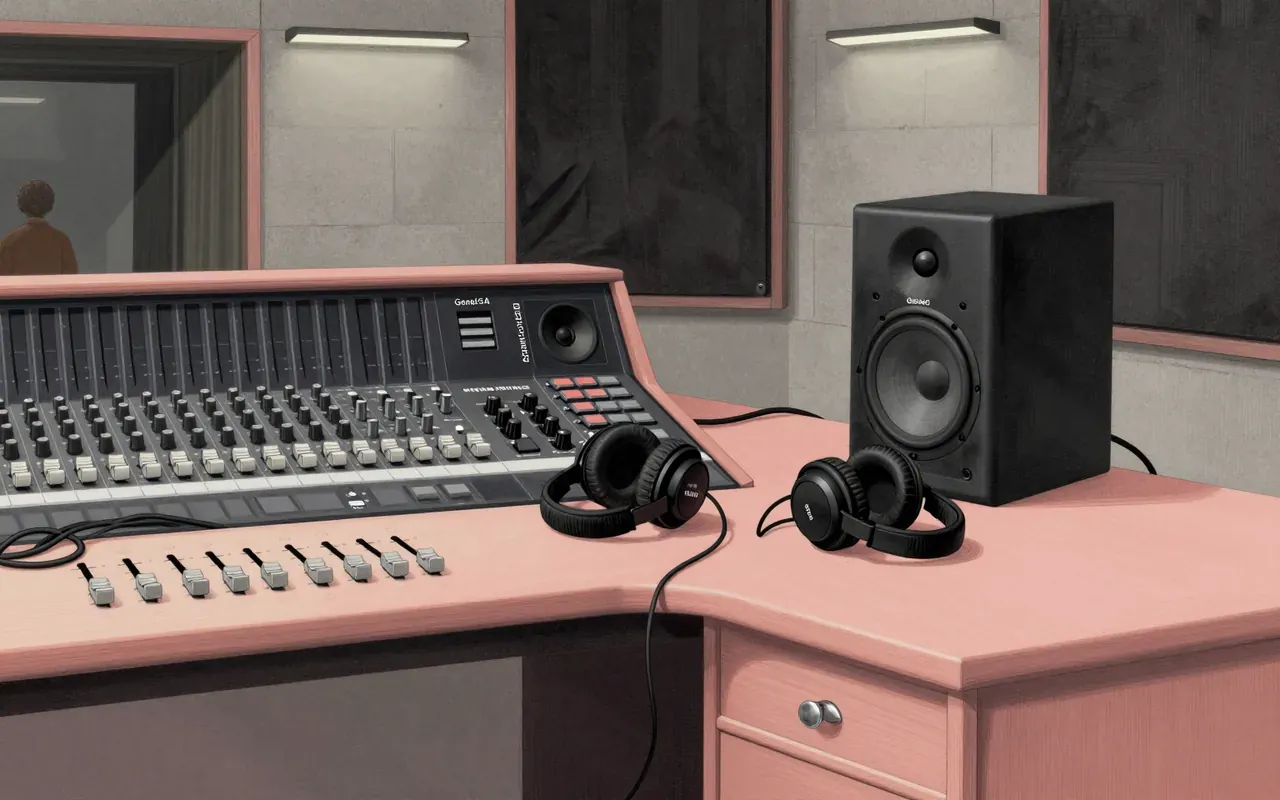
The Genelec 1022A is an active monitor in the Genelec 1000 series. Genelec manufactured it. That is all the source material confirms.
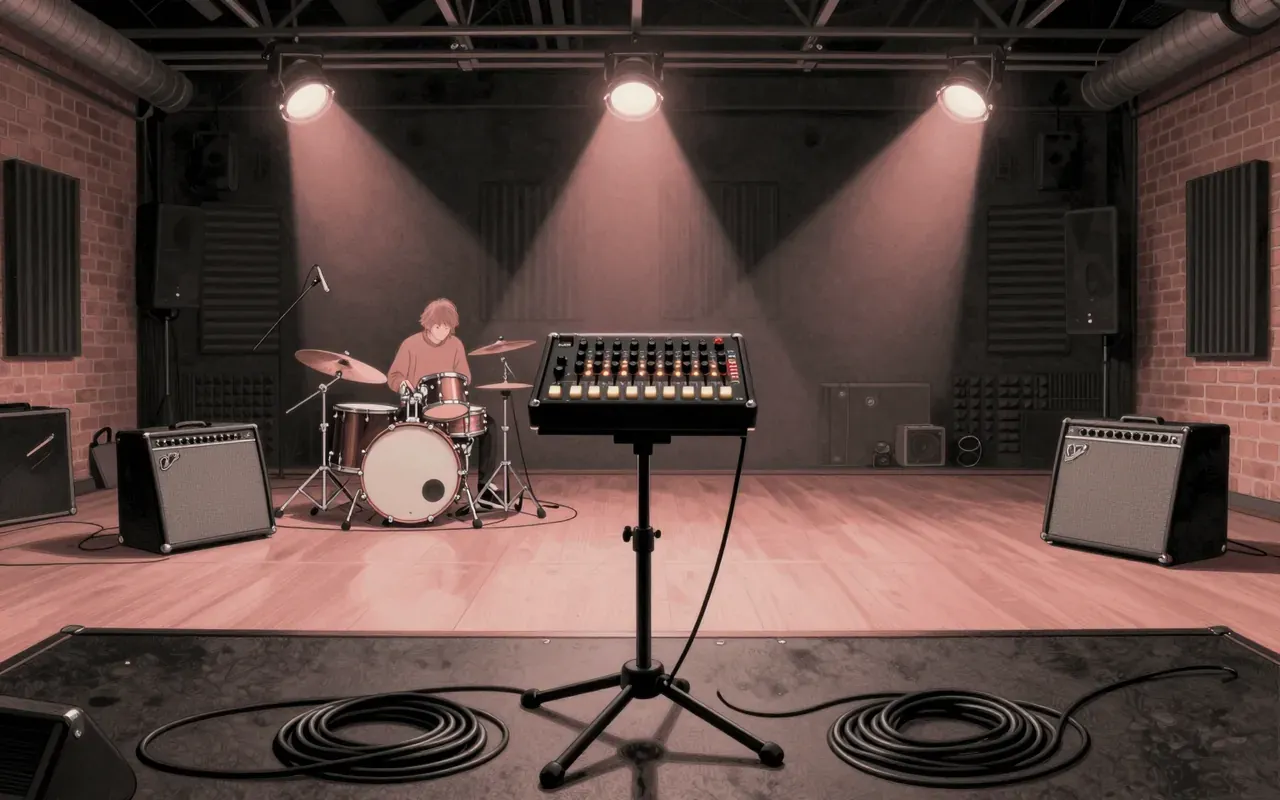
The Nord Lead 2 was launched by Clavia in 1997, two years after the original Nord Lead. It raised polyphony from four voices to 16 and added a ring modulator, a sine waveform on oscillator 1, filter distortion, four individual outputs, more patch storage and a PCMCIA slot. A refreshed Lead 2X followed in 2003 on the same synthesis engine.
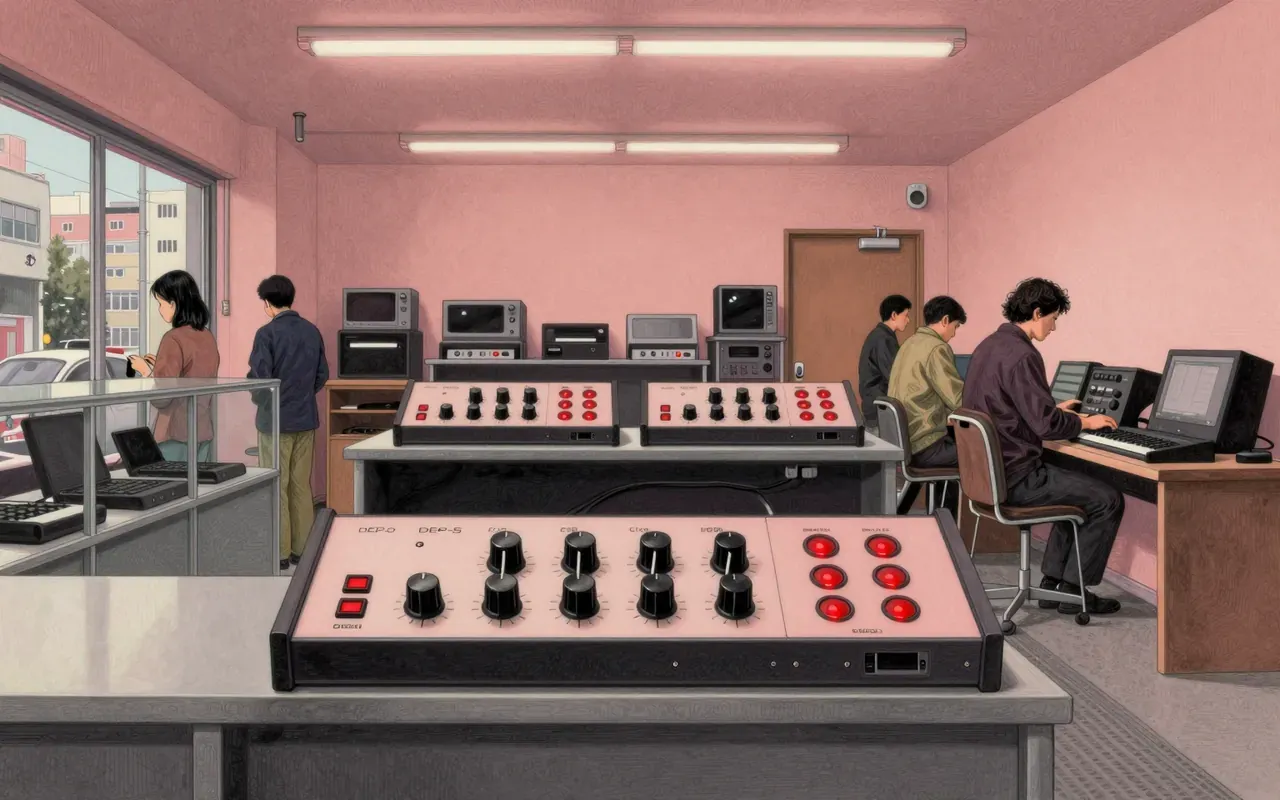
The Roland DEP-5 is a mid-1980s multi-effects processor. It gives you reverb, delay, chorus, flanger, double, and a three-band parametric EQ. Its interface is direct — one button, one function — but some parameters demand layered adjustment. Program 5 delivers a long, arching reverb. Its midrange tone is distinctive and hard to replicate. It does not do clean, neutral processing. It does not offer recallable presets. It does not suit users who need precision over character.
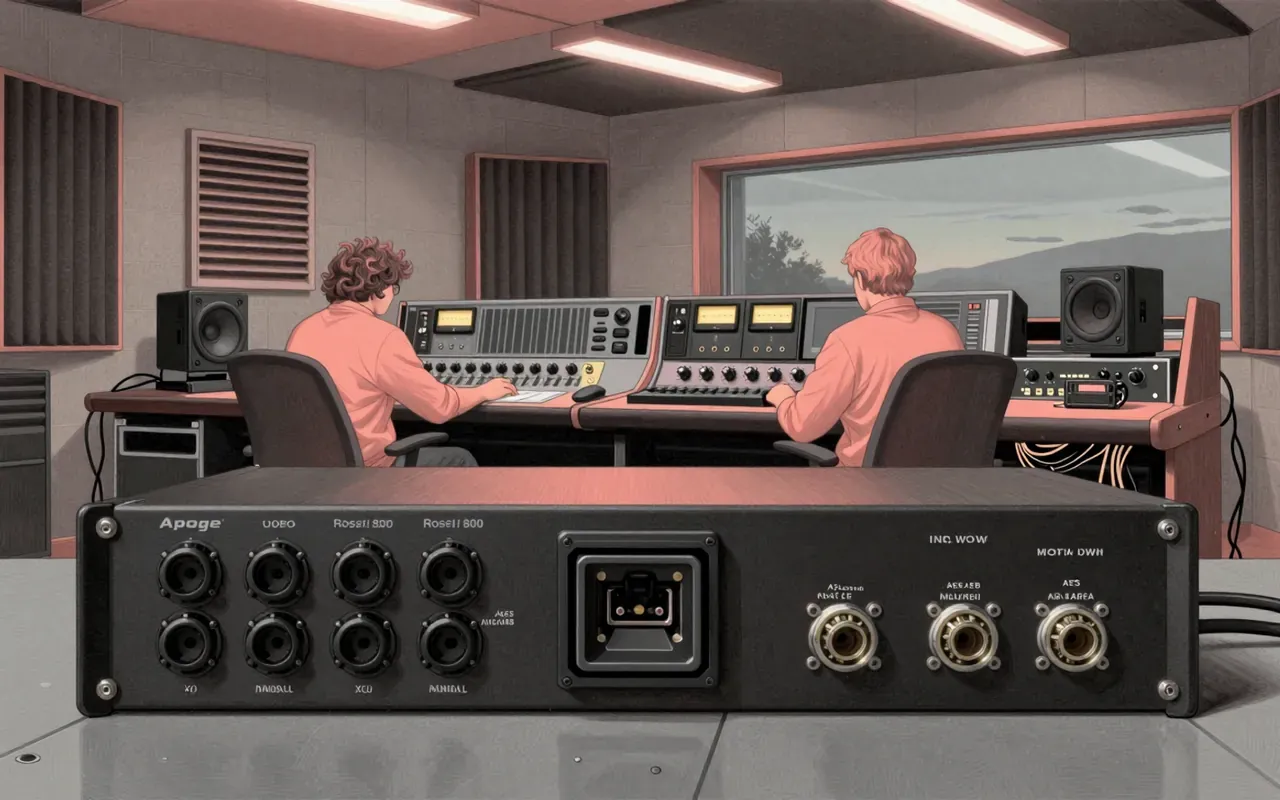
The Apogee Rosetta 800-192k is a rack-mountable analog-to-digital converter. It connects via rear-panel analog, ADAT, and AES. It serves Pro Tools HD systems. It runs at 48 kHz, 96 kHz, or 192 kHz. It produces a clean, transparent, smooth signal. It does not do D/A, preamp, or processing.
The Sequential Circuits TOM is a 1985 drum machine that treats eight digitally recorded drum sounds as raw material—not fixed instruments, but malleable elements. It excels at per-voice tuning, layering, reversal, and spatial placement. It falls short on sonic range, documentation, and acoustic verisimilitude. It belongs in the studio of someone who composes with constraints, not presets.
The Doepfer A-140 ADSR is a basic ADSR envelope generator for the A-100 modular system. It has no published specs. It has no CV inputs. It has no visual indicators. It does one job, simply.
The Lexicon PCM 42 is a digital delay unit in Lexicon’s PCM series. No technical specifications are available. Nothing is known about its controls, its sound, its memory, or its use in practice. It declares only its category, its manufacturer, and its model name.
The JBL 4435 is a passive monitor built for raw output — not finesse. It trades integration for extension.
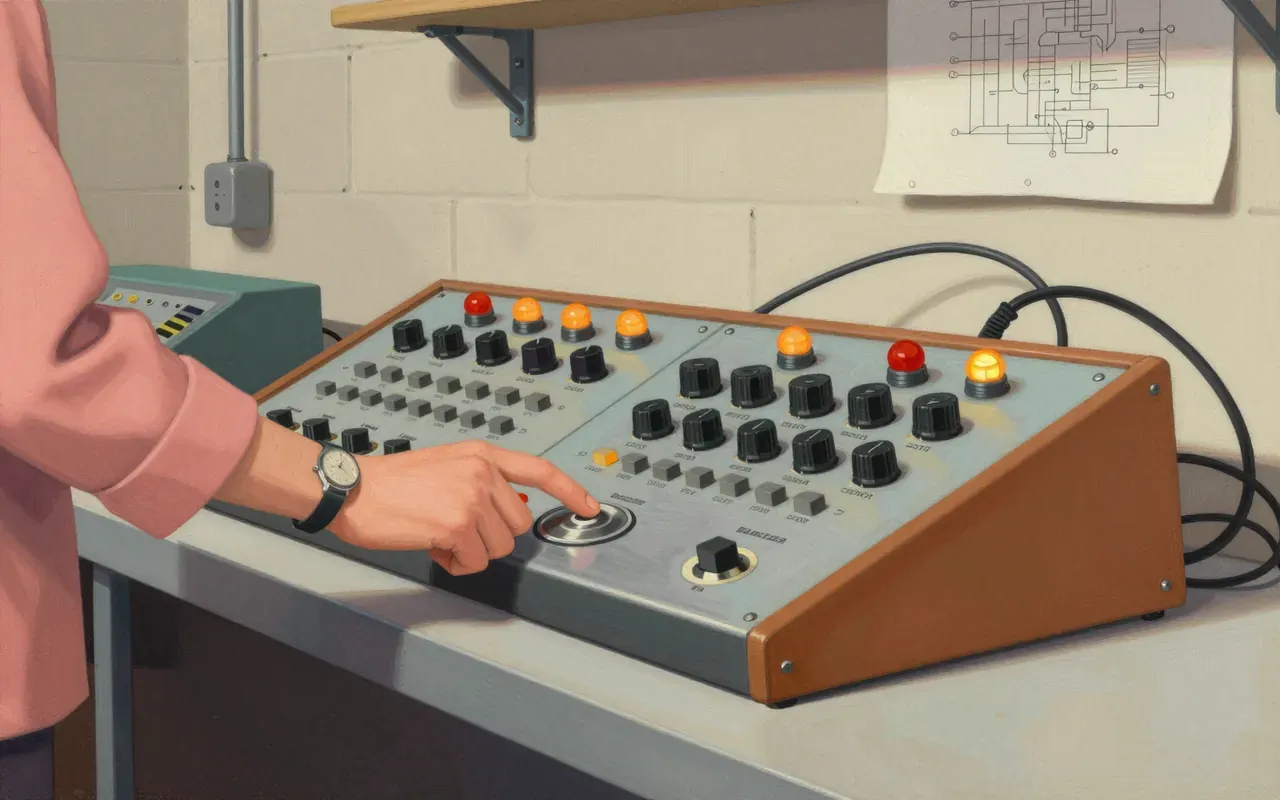
The Buchla Electronic Musical Instruments (1965) were modular, voltage-controlled systems designed for creating novel sounds—not imitating existing ones—using touch/pressure interfaces instead of keyboards, with synthesis based on FM, AM, and dynamic waveshaping.

The Pioneer DJM-500 is a 4-channel DJ mixer with RCA, 1/4" jack and XLR connectors. Its EQ is adequate. Its effects section is limited but sufficient. It can be rack-mounted—with a modification. Some users doubt its rack-mountability. Its signal path is transparent. Its build invites daily use—but demands maintenance as it ages.

The Rane TTM 56 is a 2-channel DJ performance mixer. It uses magnetic faders impervious to smoke or moisture. Its EQ cuts frequencies completely. It produces no fader bleed or swipe sounds. Its signal-to-noise ratio is outstanding. It has adjustable fader contour and inversion. It has an integrated effects loop with dry/wet control.
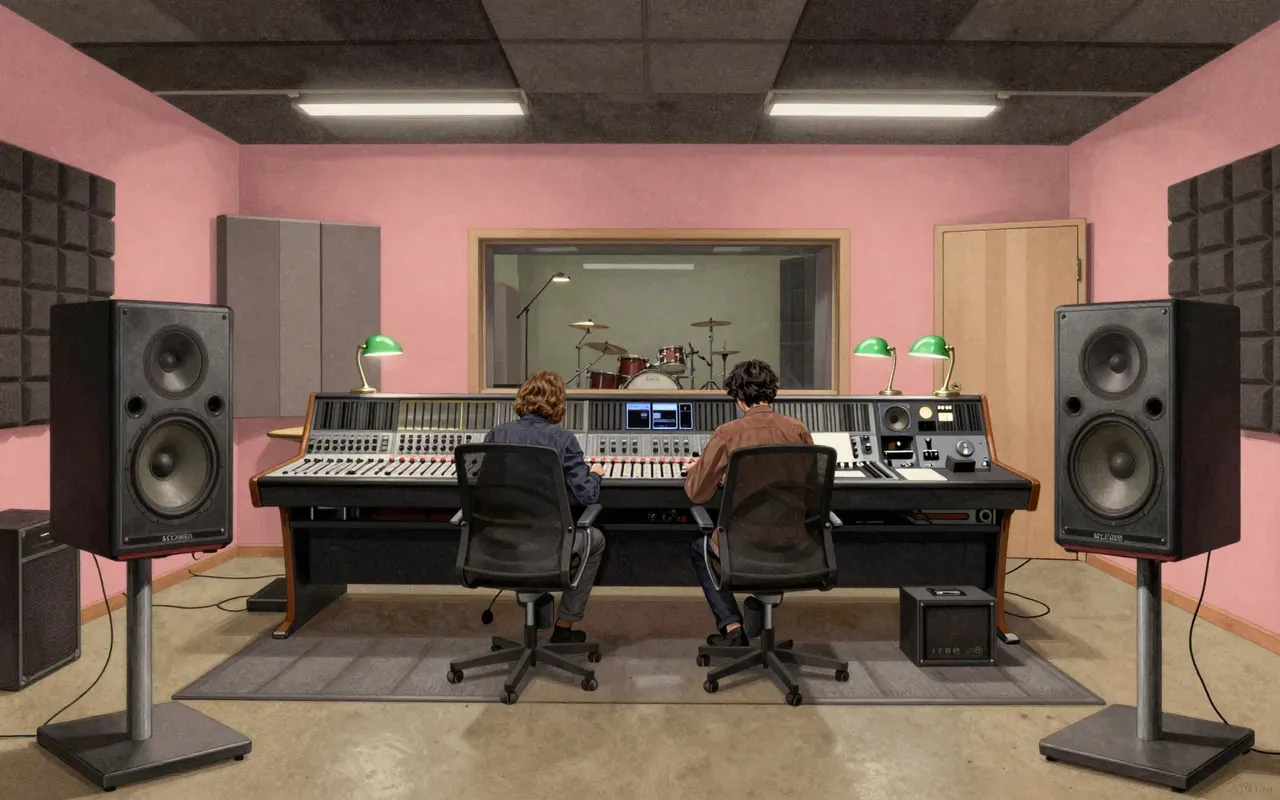
The ATC SCM50 ASL is an active monitor with no published technical specifications. Nothing about its sound, construction, or performance is documented in the source material.
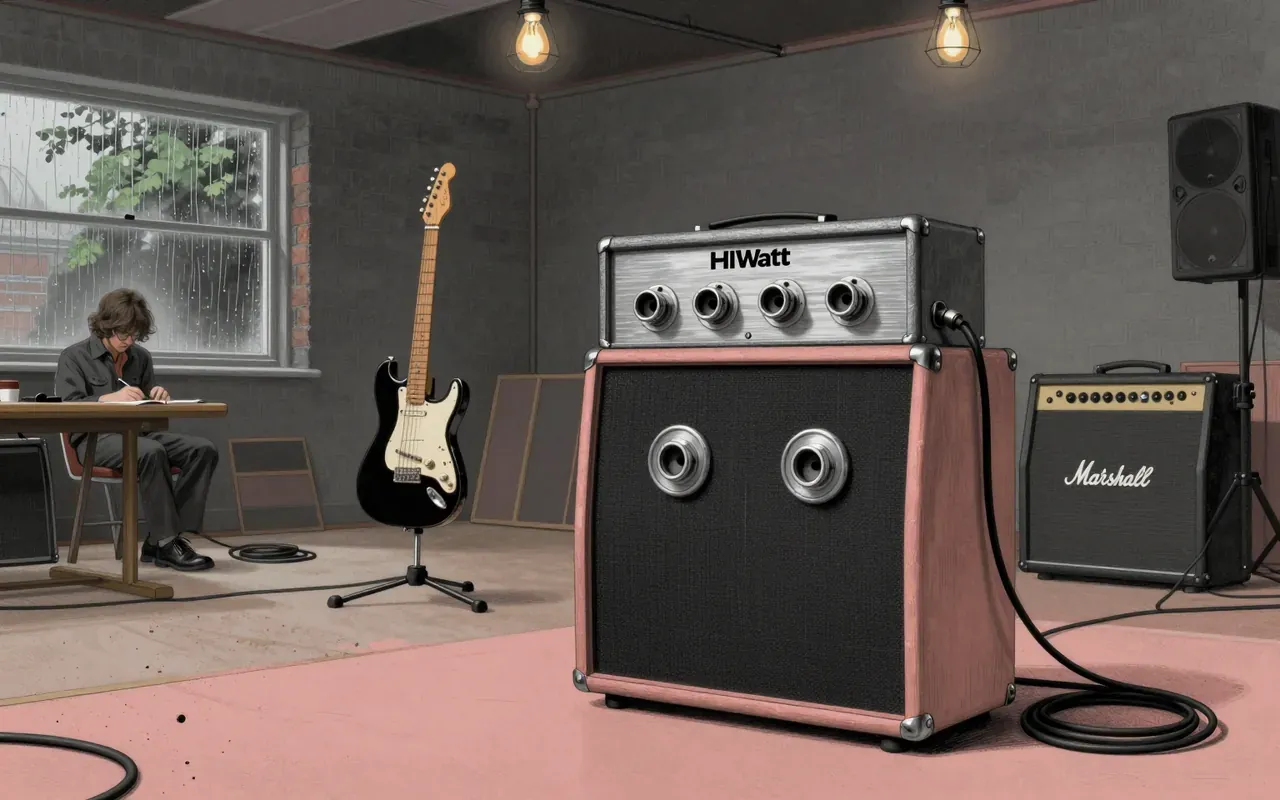
The Hiwatt DR103 is a 100-watt all-tube guitar amplifier head built for clarity, dynamics, and power-tube saturation at high volume. It has four inputs, two speaker outputs, bass/mid/treble/presence/master volume controls, voltage and impedance selectors, and no effects loop or direct output. Its crystalline highs and strong presence suit rock over jazz. Saturation requires driving both channels simultaneously. It is physically heavy and operationally uncompromising.
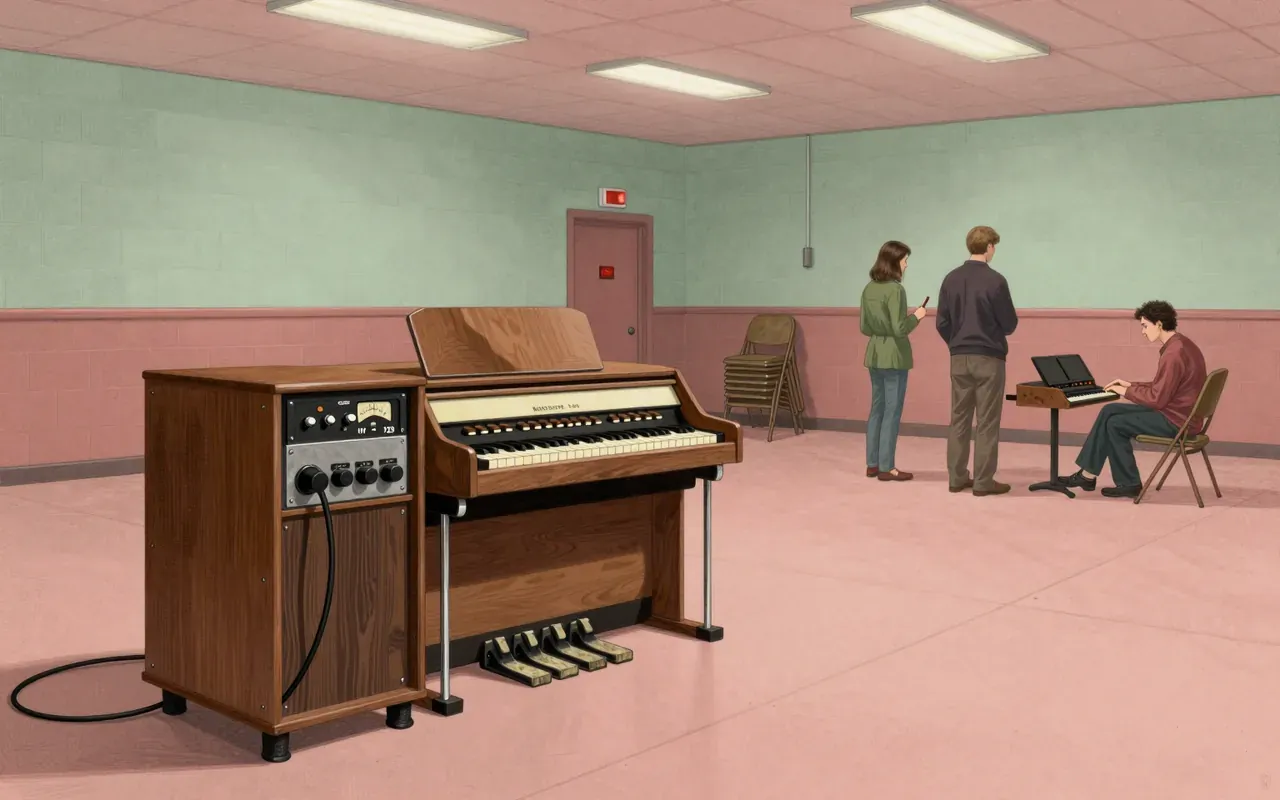
The Leslie 122 is a rotating speaker cabinet designed for organs—not a preamp, not an effects unit, not a standalone amplifier. Its entire function depends on connection to a compatible organ like the Hammond M3. It offers no user controls. Its effect is purely mechanical: rotation creates tremolo and vibrato through air displacement. It cannot be used without modification for guitar or other instruments. It belongs only where an organ lives—and nowhere else.
The Strymon BigSky is a guitar reverb pedal released in 2013. It offers full parameter editing, stores up to 300 presets, and ships with high-quality factory presets. It delivers exceptionally high-quality, easily customisable reverb using both traditional and specific controls. It is regarded as the most complete reverb pedal on the market.

The Pioneer CDJ-500 is a tabletop DJ player built to play CDs in live and private DJ sets.
The Boss CE-1 Chorus Ensemble is Boss’s first chorus pedal: an analog stomp box offering chorus or vibrato — never both — with dedicated controls, tone toggle, and fixed power.
The Bus Compressor is a software-only bus compression plugin made by IK Multimedia for the T-Racks series. It is categorised as a software compressor. No technical details, sonic traits, release date, or usage examples appear in the sources. It is not an SSL emulation. It is defined solely by its name, manufacturer, and category.

The Farfisa Compact Duo MK1 is a portable electronic organ with drawbars and vibrato. It delivers a distinctive, aggressive organ tone. No technical specifications are available. Its design prioritises immediacy over documentation or expandability.
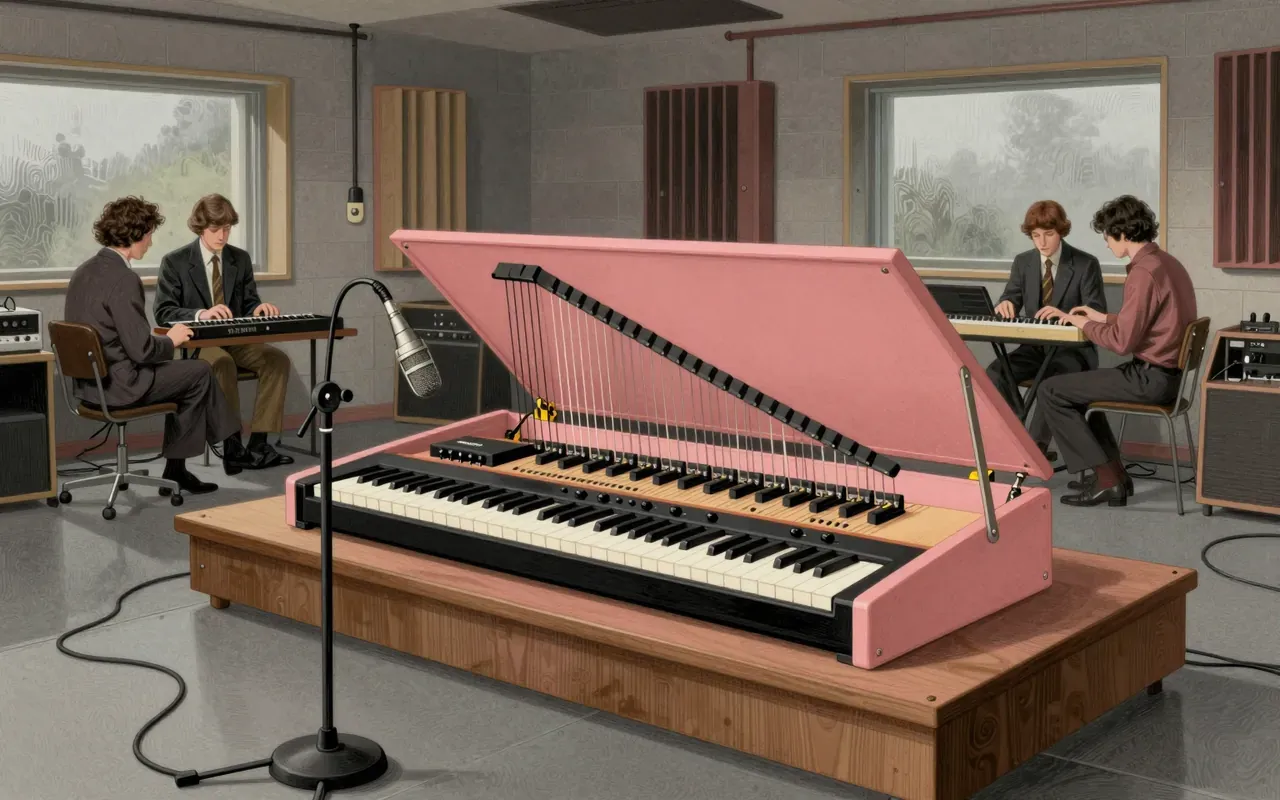
The Clavinet is a 60-key electromechanical keyboard made by Hohner from 1964 to 1982. It uses rubber pads to strike tensioned steel strings, with electromagnetic pickups capturing the vibration. Its weighted action enables dynamic volume and aftertouch via string stretch. It excels at percussive, expressive, midrange-heavy articulation—but offers no sustain, limited range, or tonal flexibility beyond its fixed pickup response.

The SSL 4000 G+ is a 48-channel analog mixing console built for professional studios. Each channel has a preamp and parametric EQ. It includes built-in compressors and many other features. Its configuration is complex and demands substantial time to master. Its sound quality is judged among the best attainable — the cleanest the reviewer has ever used. Its preamps are extremely clean and full sounding. Its EQs are super clean with precise cut/boost control. It is qualified to record any and all genres of music. It is extremely famous and highly popular among professionals across popular music genres.

The Digidesign 888 I/O is a 16-bit analog/digital converter with eight XLR inputs, eight XLR outputs, and digital I/O via AES/EBU and S/PDIF. It was used in home studios, often alongside the 24-bit 888/24. It offers no processing, no preamps, and no variable gain — just fixed-path conversion. Its value lies only in compatibility with legacy Pro Tools TDM systems.
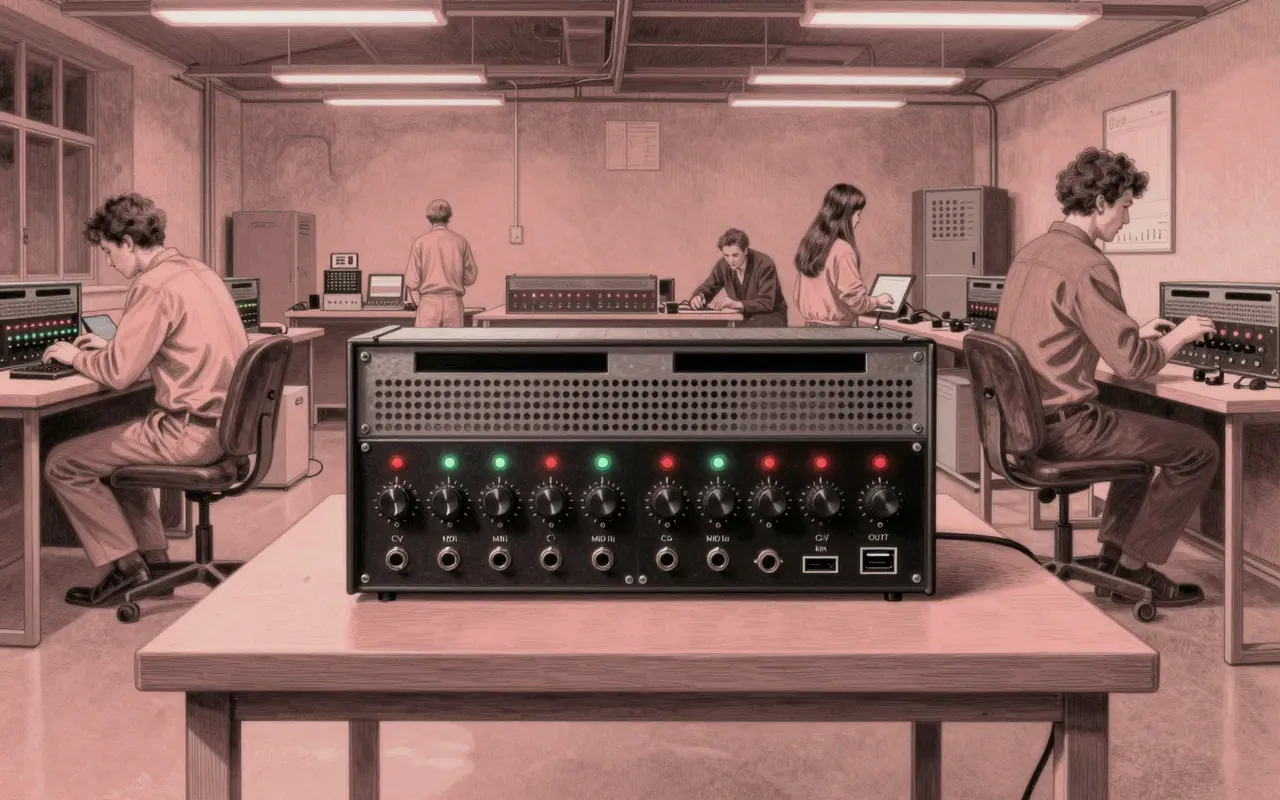
The Doepfer Dark Time is an analogue sequencer released in 2010. It has no sound module. It controls external gear via CV/Gate, MIDI, and USB. It sequences either 16 steps on one channel or 8 steps across two channels. Real-time knob control covers transposition, note skipping, and playback alternation. Firmware 1.10 resolves bugs present in earlier versions.
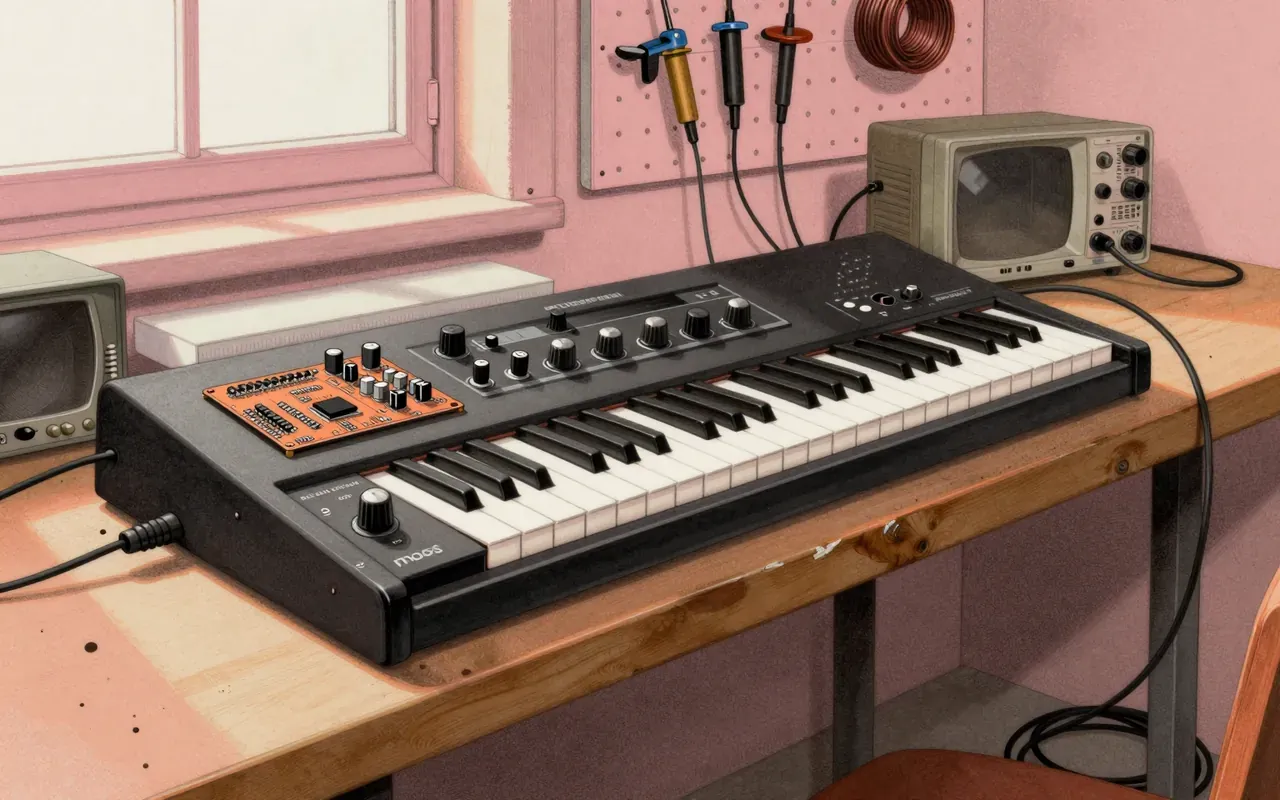
The Multimoog is a monophonic analog synthesizer built by Moog Music from 1978 to 1981. Derived from the Micromoog, it adds a second circuit board to deliver aftertouch and expanded modulation routing—features missing from the Minimoog. It was intended as a less expensive alternative to that flagship instrument. It does not store patches. It drifts. It demands attention. But it gives aftertouch control over filter, pitch and amplitude in real time—rare in 1978.
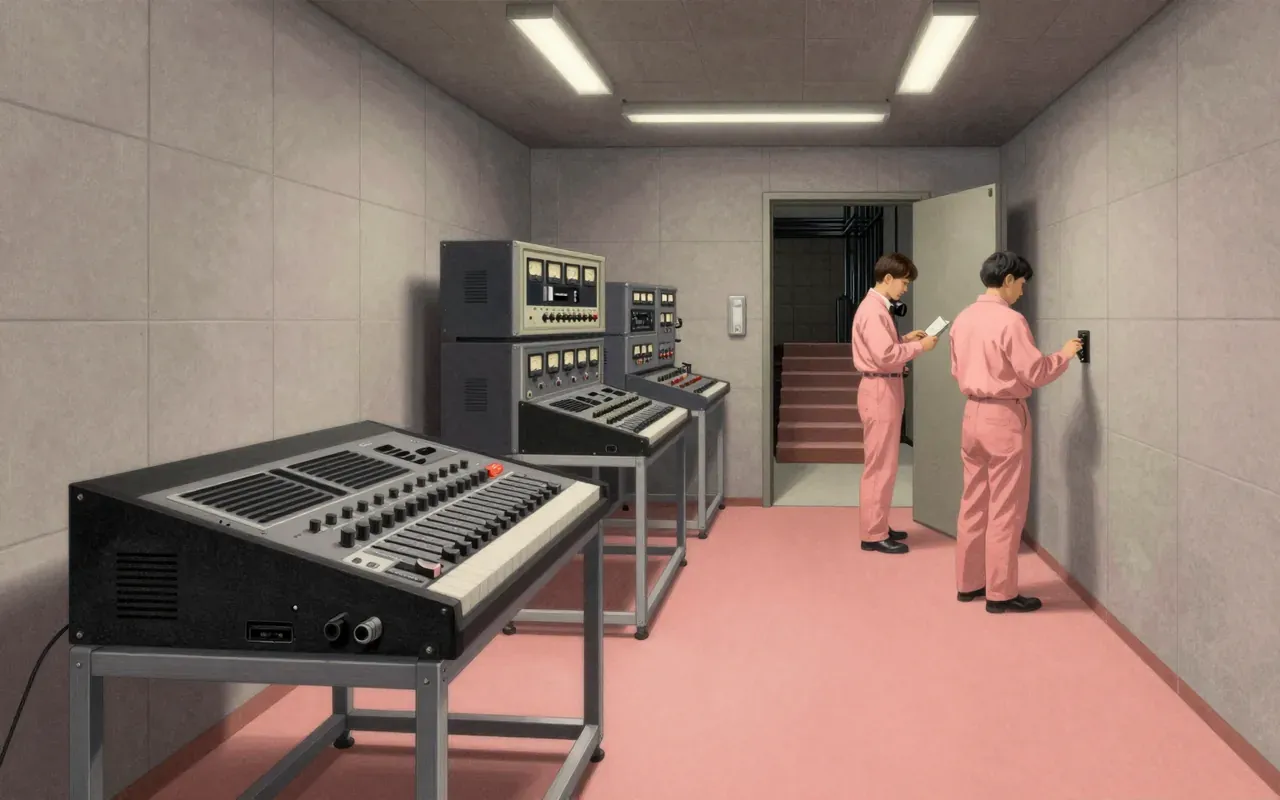
The Yamaha PM1000 is a channel strip. No technical specifications are available. Nothing else is confirmed.
The Matamp GT120 is a tube guitar amp head. No technical specifications are available. Nothing else is confirmed.
The Vestax PMC-05 Pro III VCA is a 2-channel DJ mixer with RCA inputs and outputs, a headphone output jack, post-fader effect send with level control, and a 2-band EQ. It delivers a warm and generous low-end sound. Users find it super easy to use and effective. Its EQ limitation makes it unsuitable for genres like DnB and Dubstep.
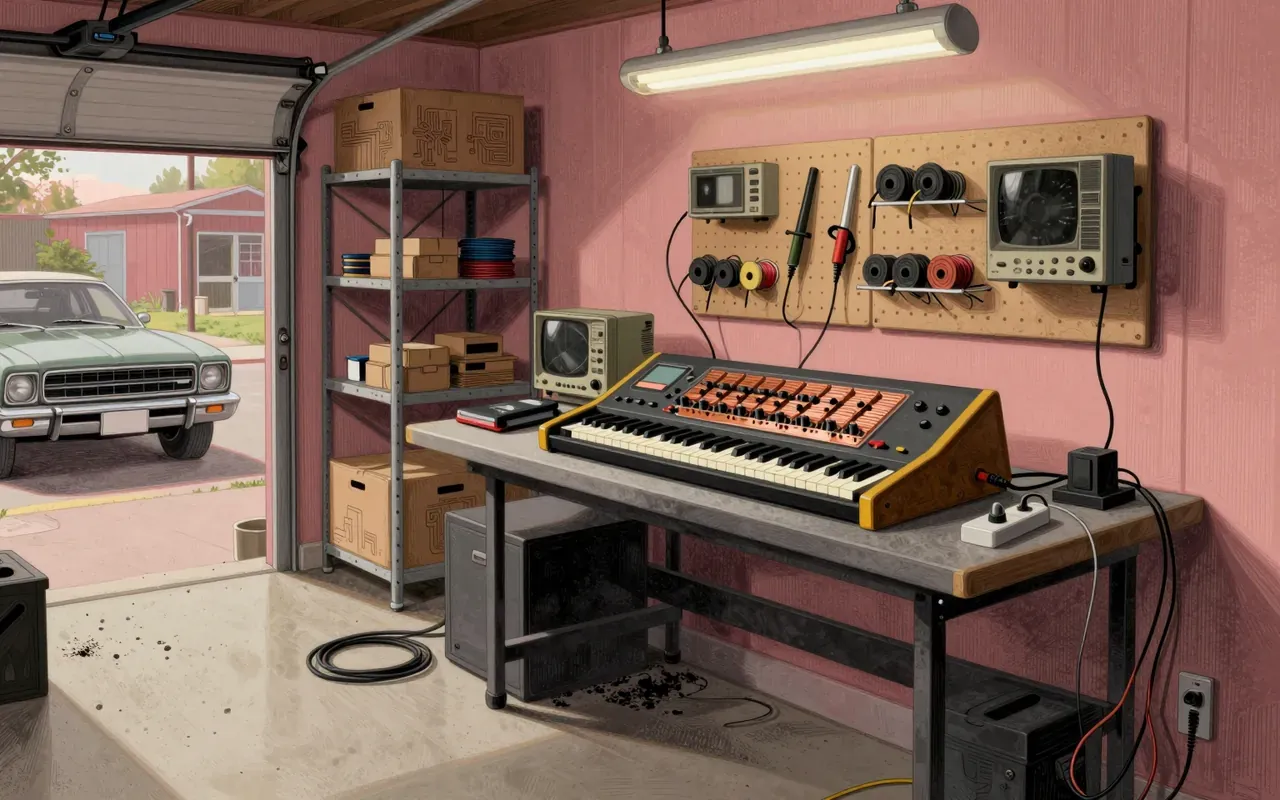
The Wasp is a 1978 monosynth defined by its copper-plate keyboard, black-and-yellow casing, internal speaker, and proprietary interconnection. It was EDP’s best-received product but flawed in execution: unreliable live, prone to autonomous triggering, and technologically isolated. Its sound is inseparable from its limitations.
The Akai S950 is an expanded version of the S900 sampler, released in 1988 alongside the higher-end S1000. It took over some of the S1000's improvements, including time-stretching, and raised the maximum sample rate to 48 kHz. Like the rest of the S900 series, it can loop a sample alternating forwards and backwards, which the S1000 series cannot. Akai has discontinued it.
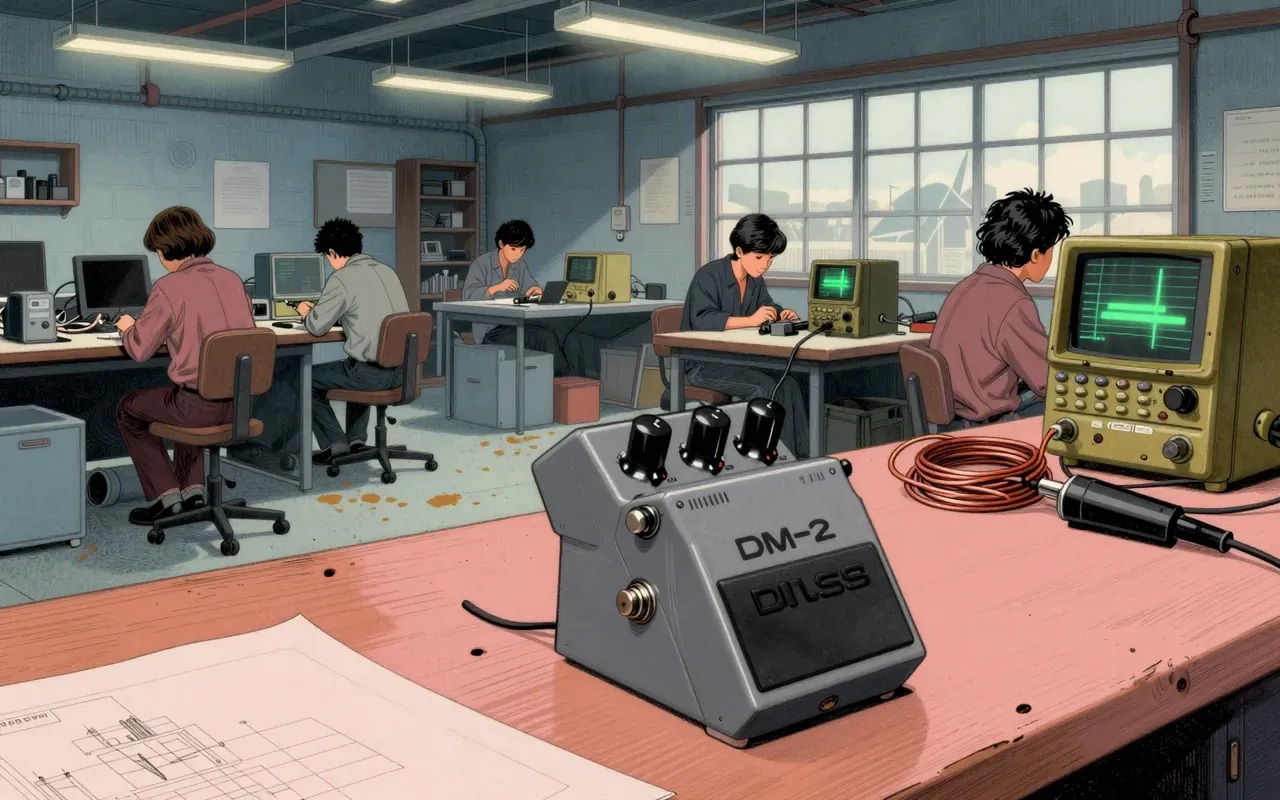
The Boss DM-2 is a Japanese-made analog delay pedal released in 1981. It delivers warm, tone-enhancing repeats from 20ms to 300ms using three knobs: Repeat Rate, Echo, and Intensity. It has no MIDI, no computer control, and is not rackable. It was built for guitar and other electronic instruments. It thickens tone rather than cutting with precision.
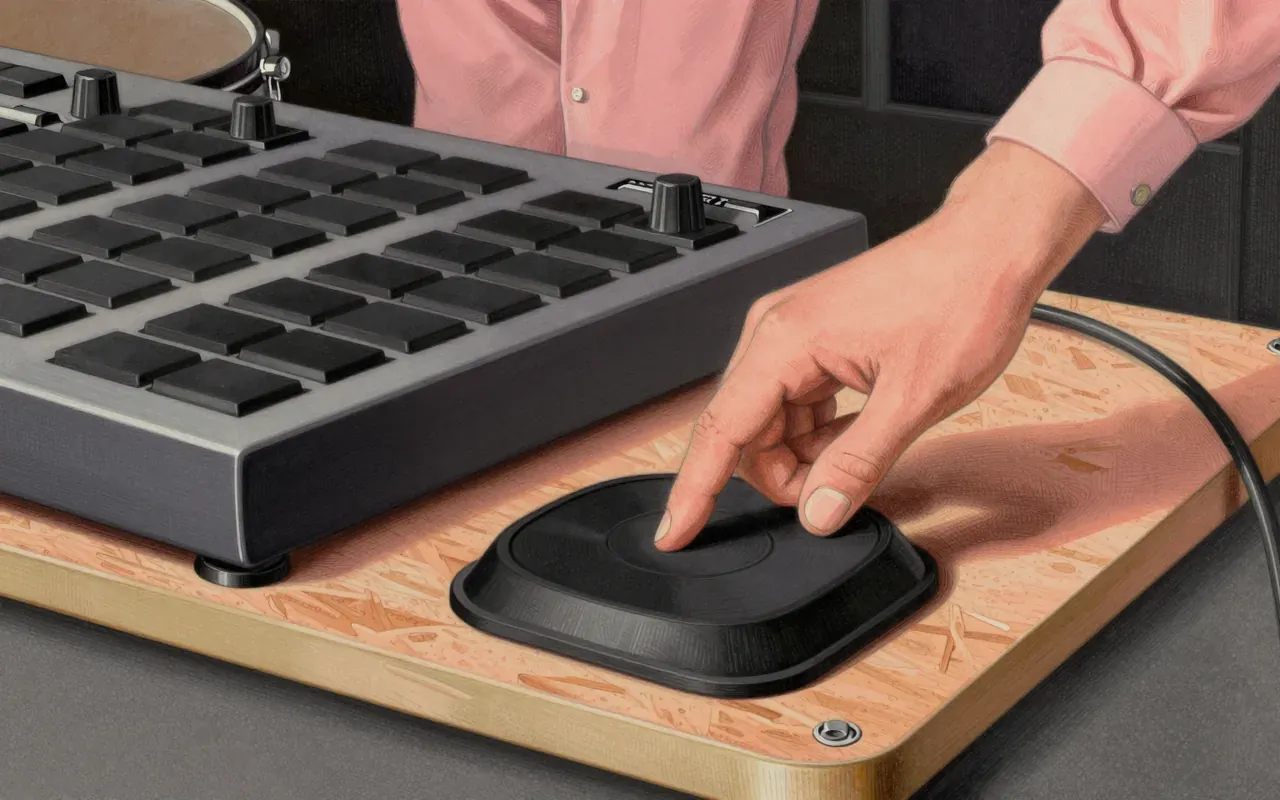
The Yamaha RX7 is a sample-based drum machine built for live trigger-based rhythm programming and studio sketching in the mid-1980s.
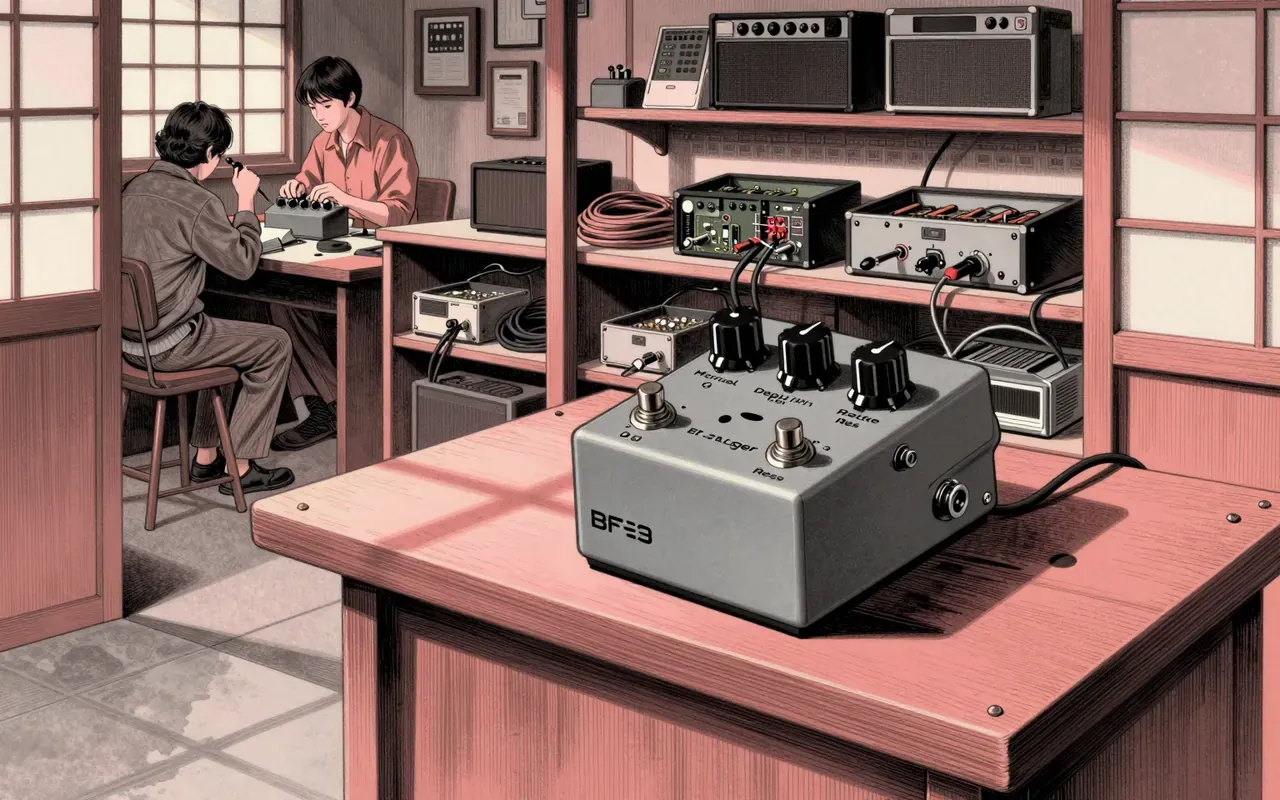
The Boss BF-2 Flanger is an analog stomp-box flanger pedal sold from June 1980 to December 2001. It has 1/4-inch inputs and outputs, four controls (Manual, Depth, Rate, Res), and runs on 9V battery or AC adapter. It is not rackable. It was succeeded by the digital BF-3.
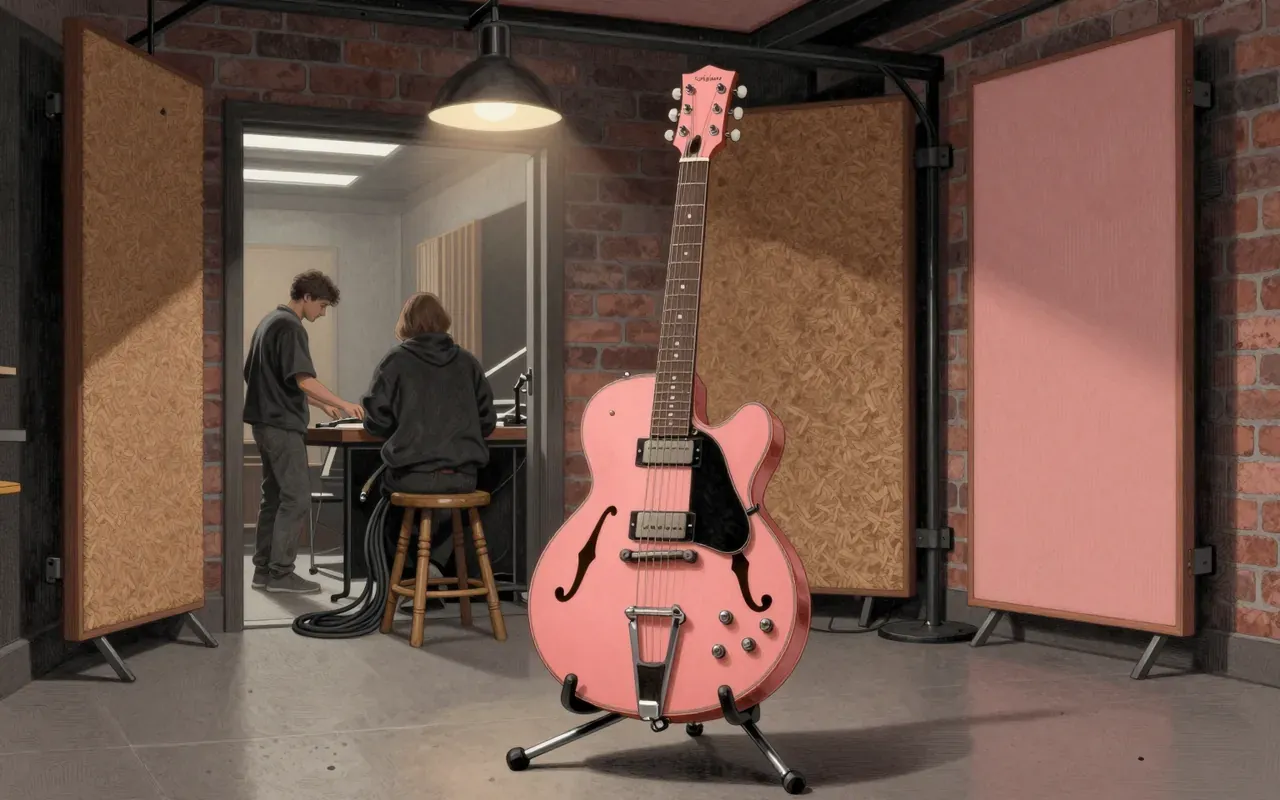
The Maton BB1200 is a discontinued hollow or semi-hollow electric guitar. No technical specifications are provided. It is not currently available for purchase. Nothing else is confirmed.

The UREI/JBL LA-4 "s" is a studio compressor. UREI and JBL made it. No technical specifications are available. That is all the sources say.
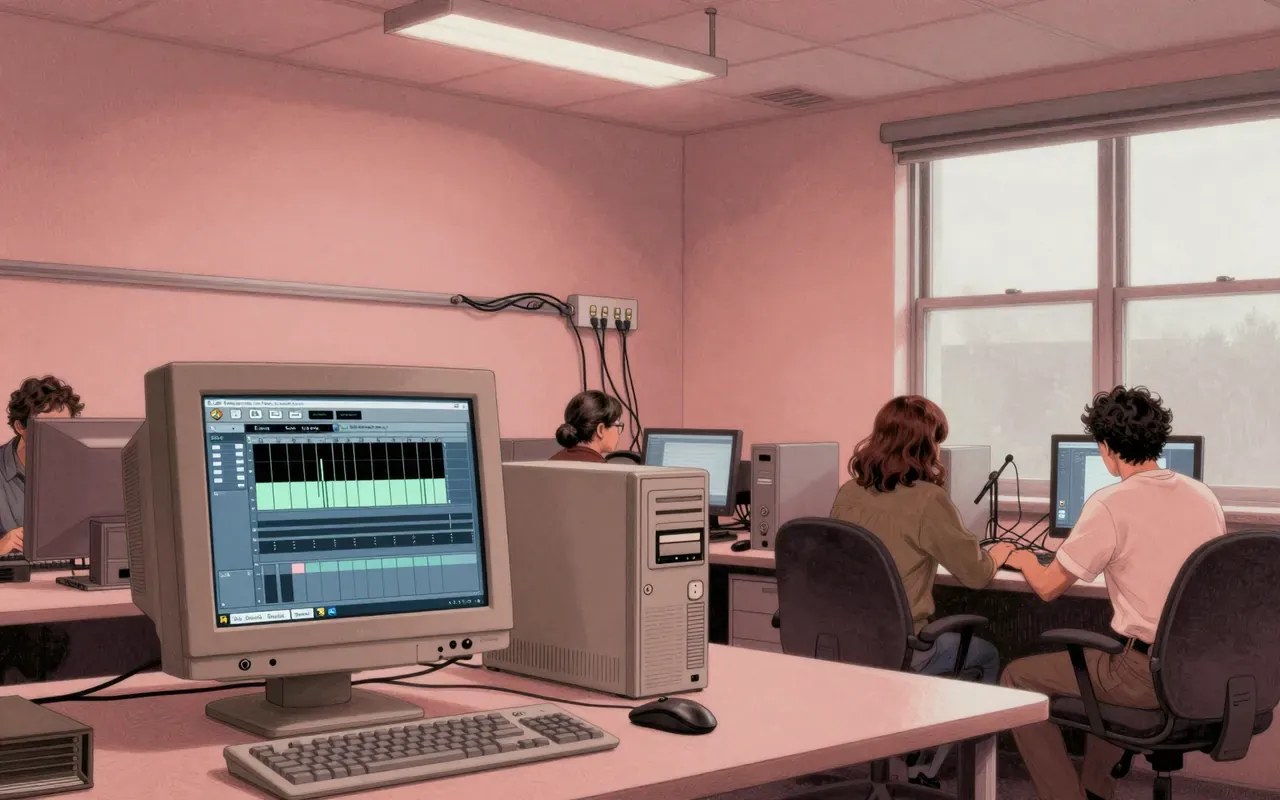
The M-Audio Delta Audiophile 24/96 is a PCI/ISA sound card for Windows-based music production and amateur vocal recording. It connects MIDI controllers and turntables. It supports 24-bit/96 kHz audio when host software allows. Latency drops to 4ms with buffer reductions. It runs silently in Cubase VST, Pro Tools, Fruity Loops, and six other DAWs. Recordings are clean. Softsynths sound great. Wave Table Synthesis is absent — but users found it unnecessary. I/O is limited. Modern OS support is not provided.
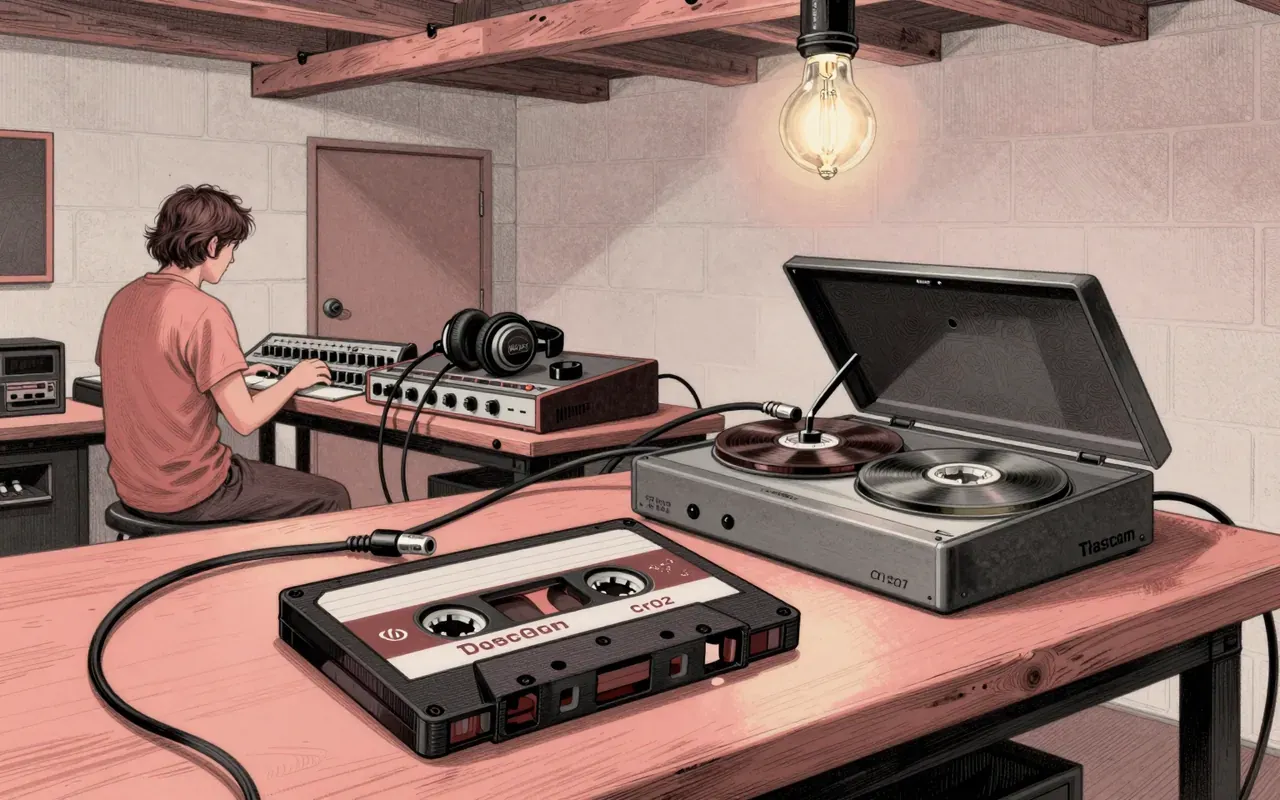
The Tascam Portastudio 424 is a cassette-based four-track recorder and mixer. It uses type II (CrO2) tape. It has two inputs — XLR and 1/4 inch — and supports tape speeds of 9.5, 4.75, and 2375 cm/s. dbx type II noise reduction is permanent. Each input has gain, three-band EQ, and panning. It has main stereo outputs and a headphone jack.

The Roland Juno-2 (Alpha Juno-2) is an 80s hybrid synth: analog filters and voice path, digital control over oscillators, envelopes, LFO, PWM, and chorus. It has 64 factory and 64 user patches, a velocity-sensitive 61-key keyboard, and a single digital wheel for editing. It lacks computer update capability and rack-mounting. Real-time sound switching is slow. It was built for studio use — not live performance.

The API 3124+ is a 1U, 4-channel analog microphone preamplifier using the 2520 op-amp and classic console circuit. Each channel has gain, polarity, phantom power, 20 dB pad, mic/line selection, and a VU meter. It accepts XLR inputs at the rear and unbalanced 1/4" inputs at the front. It delivers high headroom and consistent colour across all four channels — but offers no impedance control, channel linking, or digital integration.
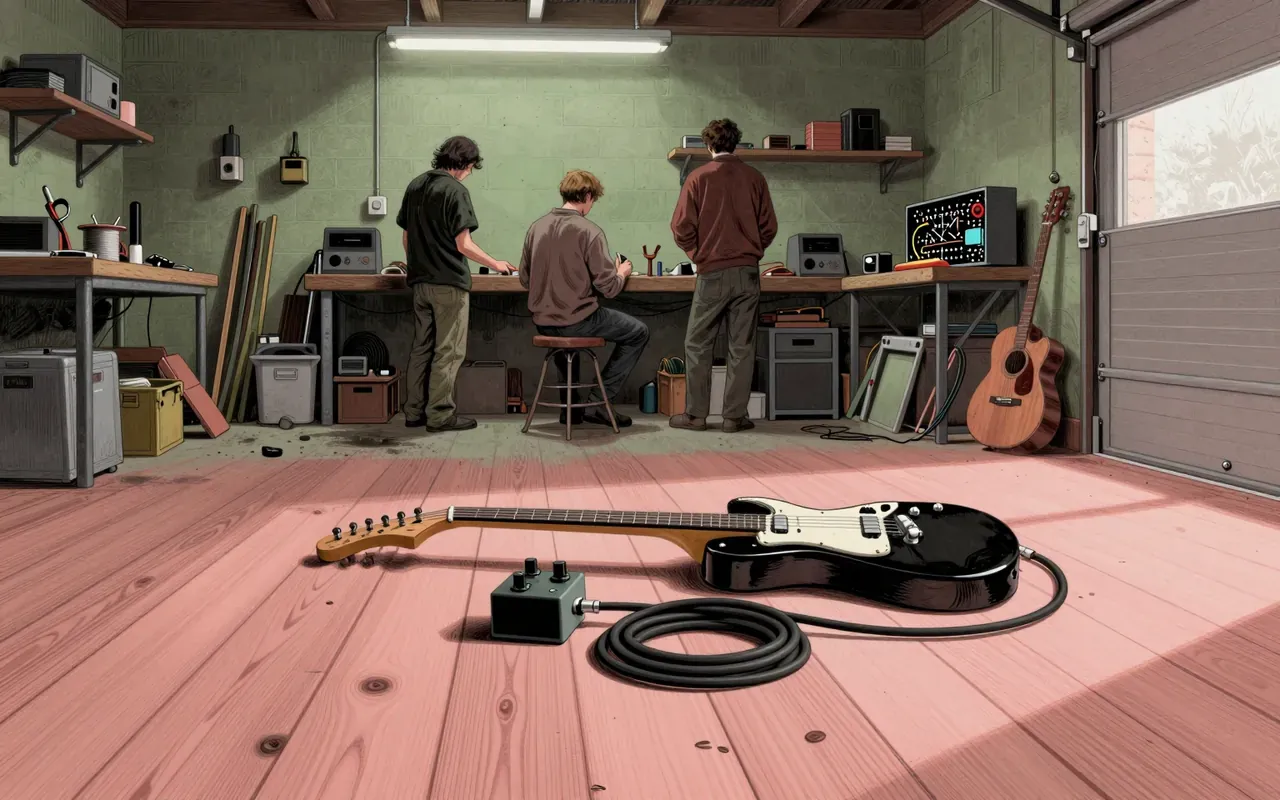
The MXR Flanger is a guitar flanger pedal. No technical specifications are available. It belongs in the category of flangers for guitar. That is all the material confirms.
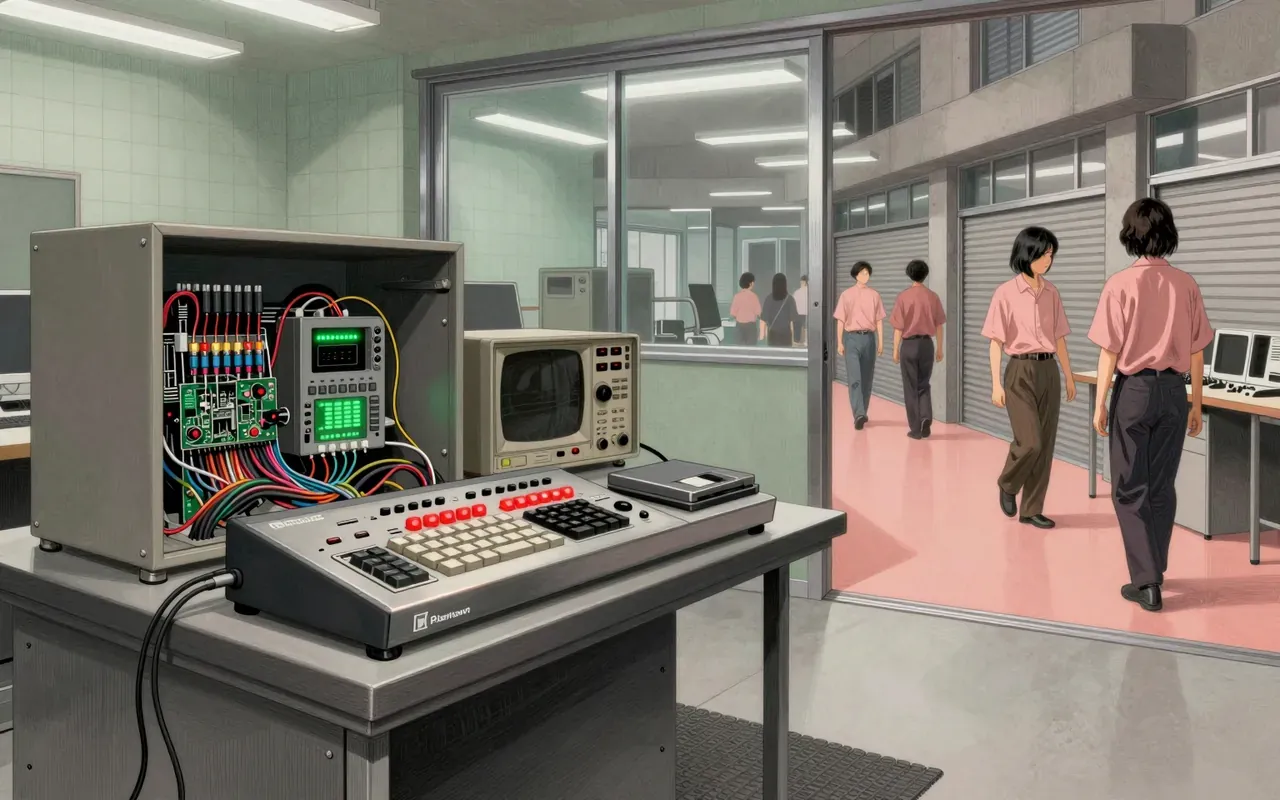
The Roland MC-8 Microcomposer is a pioneering CV/Gate sequencer from early 1977. It uses an Intel 8080A CPU and 16 KB RAM to store up to 5,300 notes. It enables polyphonic sequencing via CV/Gate allocation and precise, rapid control of VCOs, VCFs, and lighting. It was designed for large modular systems like the System 700 and System-100M. It does not support real-time recording well and lacks modern interface conveniences.
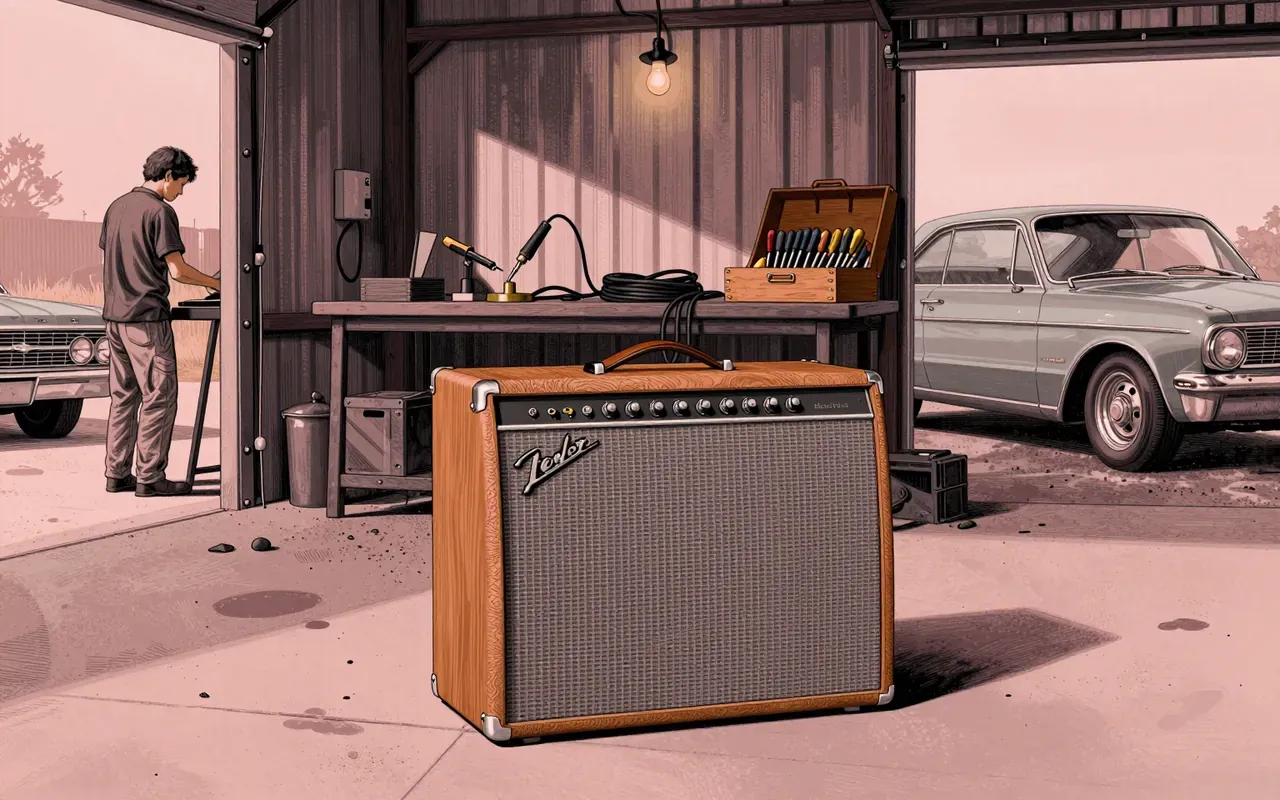
Fender amplifiers are electric instrument amplifiers produced by the Fender Musical Instruments Corporation. The first guitar amplifiers attributed to Leo Fender were manufactured by the K&F Manufacturing Corporation (K&F) in 1945. Later, Fender began building its own line of electric guitars. Fender amplifiers would become favorites of guitarists like Jimi Hendrix, Eric Clapton, and Stevie Ray Vaughan, also known in these cases for playing Fender guitars. Fender amps have come in many configurations and styles. The early K&F and Fender amplifiers relied upon vacuum tube circuitry, with solid-state models appearing in the late 1960s. Fender frequently updated the internal circuitry of its amps, and changed their appearance throughout its history.
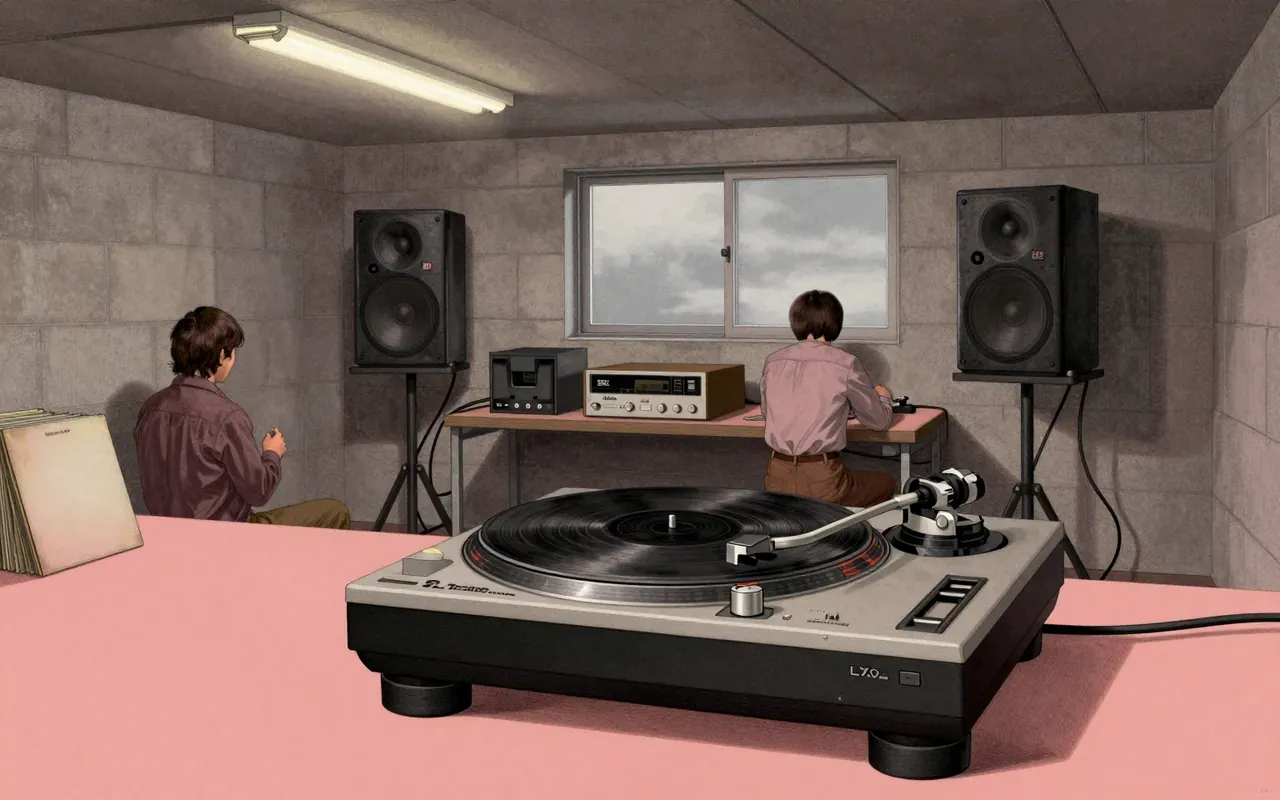
The Technics SL-1300 is a Hi-Fi turntable made by Technics. It has no stated technical specifications, no DJ features, and no digital functionality. Its design prioritises mechanical stability over versatility.
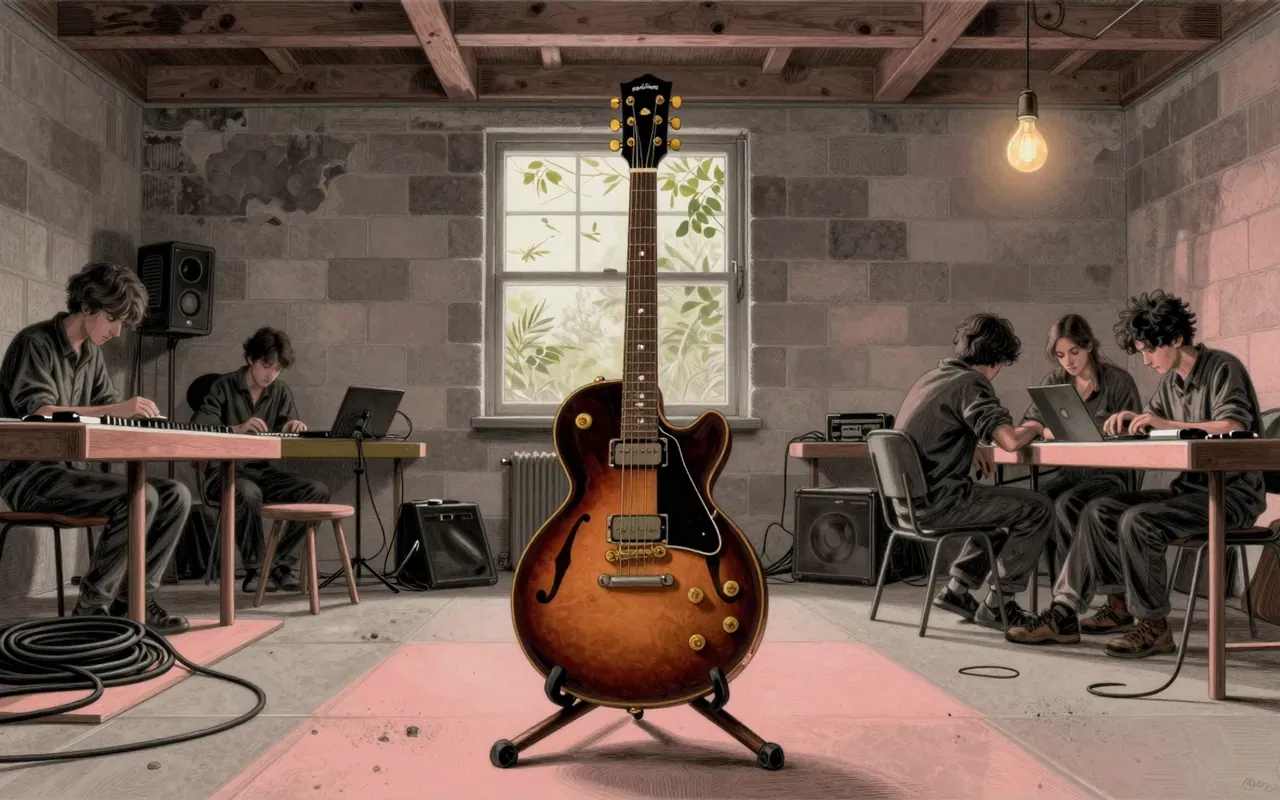
The Gibson Super 400 CES (2011) is a discontinued hollow/semi-hollow electric guitar. Its name, category, and discontinuation are the only verified facts. It has no technical specifications, no availability, and no documented use. It does not function as an instrument today.

The Aphex 204 Aural Exciter is a two-channel hardware processor that enhances bass tone while preserving attack and avoiding speaker damage. It uses optical low-end enhancement and aural excitation to deliver creamy, fat sound with sleek tone and crystal-clear attack. Users report success in loud live contexts with drums and distorted guitars — the bass remains powerful yet clear and defined. It pulls clean, fat low-end from existing bass amplifiers and speakers, eliminating the need for bulky speaker upgrades. It does not address midrange or high-frequency detail beyond attack preservation. Bass players using standard rigs in loud live settings should use it. Studio engineers seeking surgical EQ or harmonic control should not.

The Neve 8068 is a 1970s large-format analog console with 32 fully equipped channel strips—24 on the left, 8 on the right—each featuring a mic preamp, parametric EQ in the standard Neve style, and routing options. Its sound is defined by strong low-mid response and a balance of clarity and warmth. It is exceptionally difficult for beginners but familiar to experienced Neve users.

The AMS-Neve Capricorn is a digital mixer. That is all the source confirms. No specifications. No year. No sound. No interface description. No user reports. No cultural footprint. It exists only as a category entry.

The Roland SH-3A is a monophonic analog synthesizer introduced in 1975. It supports both subtractive and additive synthesis. It includes two LFOs and a unique sample-and-hold section. It was Roland’s first non-preset based synth. It uses a transistor ladder-filter to produce Moog-like sounds.
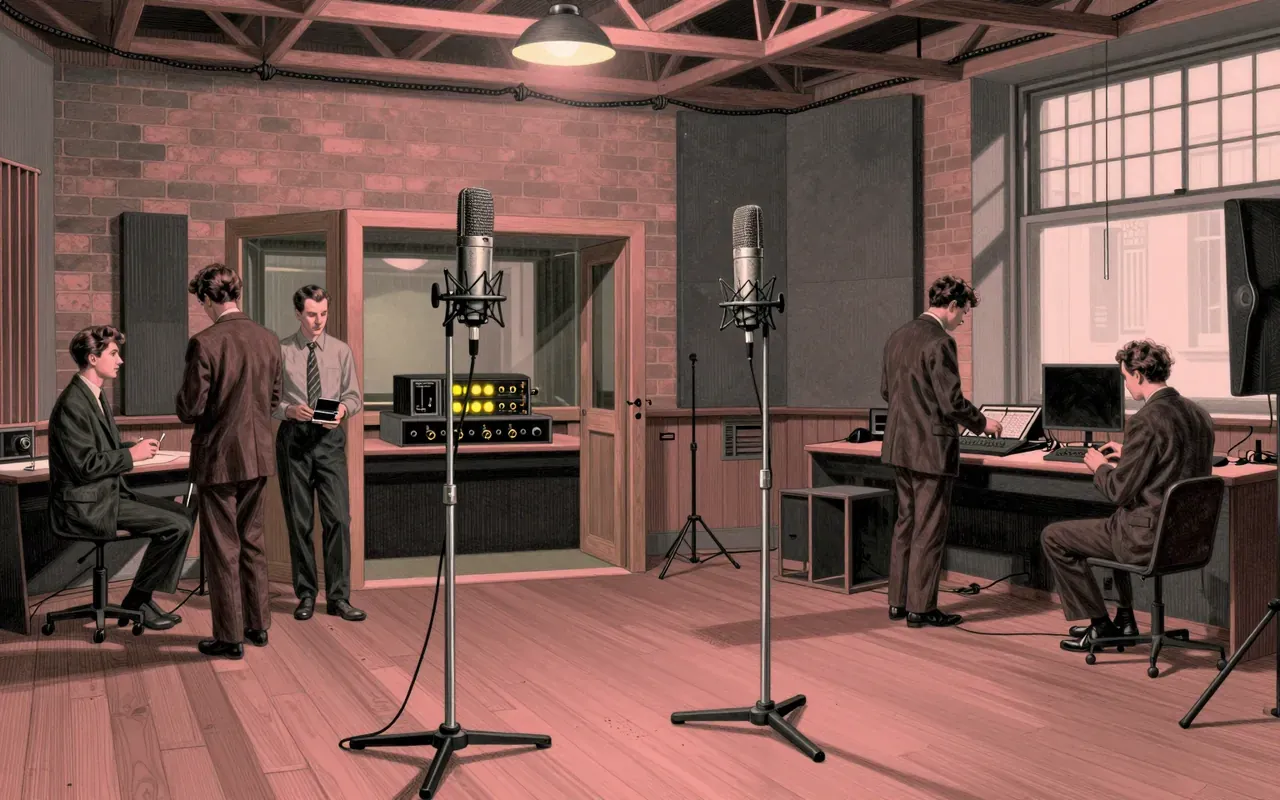
The Coles 4038 is a BBC-designed ribbon microphone from 1953. It uses a bi-directional polar pattern and has a flat frequency response from ~30–15,000 Hz. High-frequency attenuation reduces sibilance but also reduces detail. Its technical specifications have remained unchanged since its design in the 1950s.
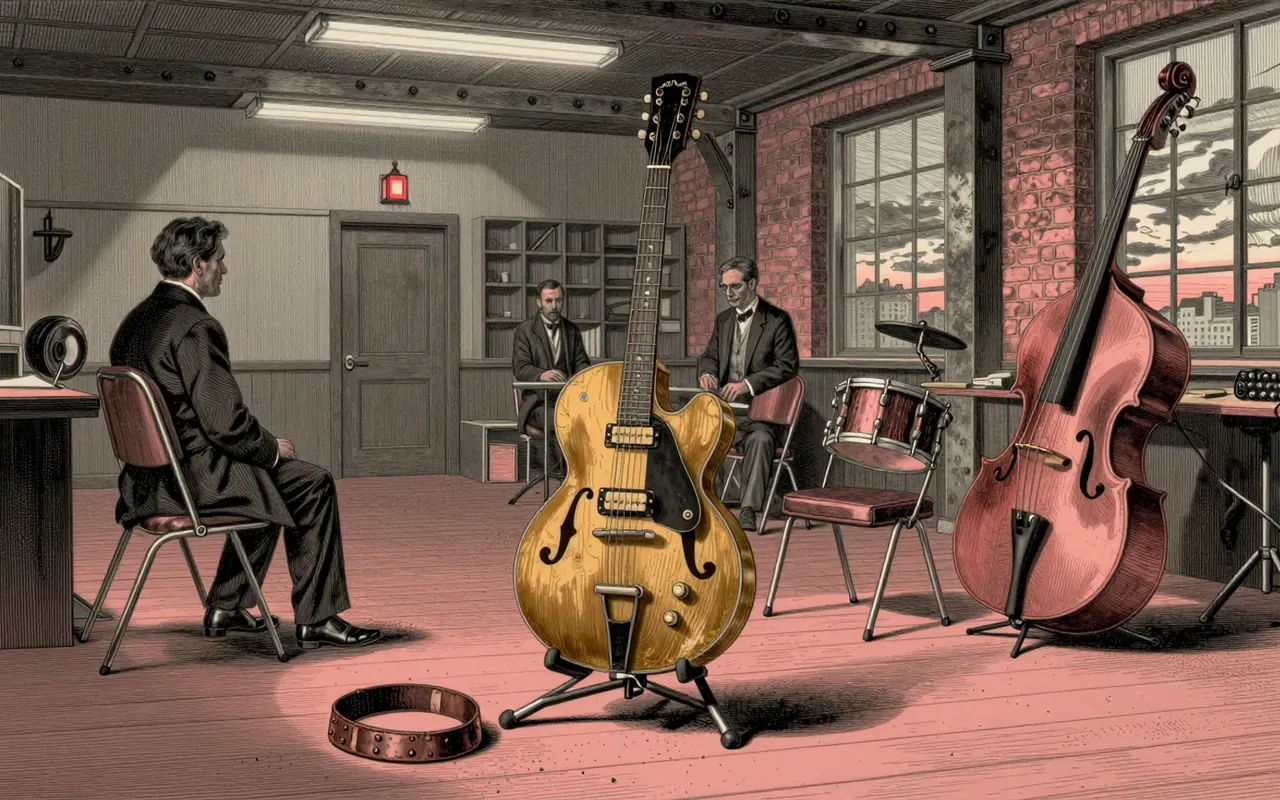
Gretsch is not a guitar brand by origin. It is a Brooklyn drum and percussion company founded in 1883 that added guitars late—and only committed to them after Chet Atkins demanded a hum-free hollowbody. The Filter'Tron pickup solved a real problem: 60-cycle hum in live and studio settings. But it did not solve feedback, sustain, or tonal flexibility. Its value lies in what it removed—not what it added.
The Neve BCM10/2 Mk2 is an analog mixer made by AMS-Neve. No technical specifications are available. Nothing else is verified.

The Epiphone PR-100 is a Chinese-made, US-designed dreadnought acoustic guitar with 22 frets, a mahogany neck, rosewood fretboard, and plastic bridge. It has no electronics or controls. It is built for unamplified play only.

The Minimoog is an analog keyboard synthesizer introduced by Moog in 1970. It was built as a portable, affordable alternative to modular systems — the first synth sold in retail stores. Its three unsynchronised analog oscillators, unique voltage-controlled filter, and pioneering pitch wheel give it immediate, expressive, monophonic voice — but no chords, no presets, no stability. It made blistering funky bass blurps and spacey whistle leads — not because it was precise, but because it wasn’t.
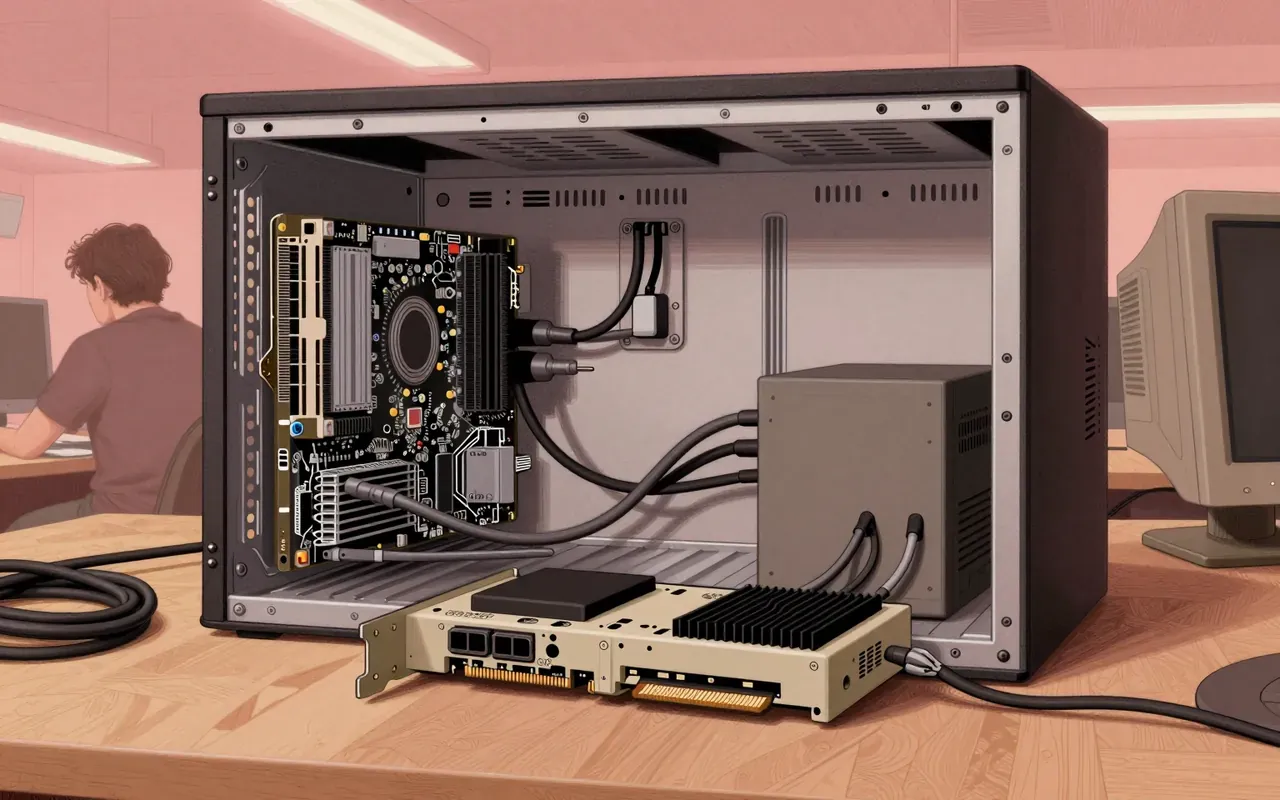
The Digidesign Pro Tools|24 Mix + is a discontinued PCI DSP board for Pro Tools|24 systems. It requires Pro Tools 6.4.1 and Mac OS 10.3.8. Installation is difficult. Setup is simple. Once running, it performs reliably and professionally.