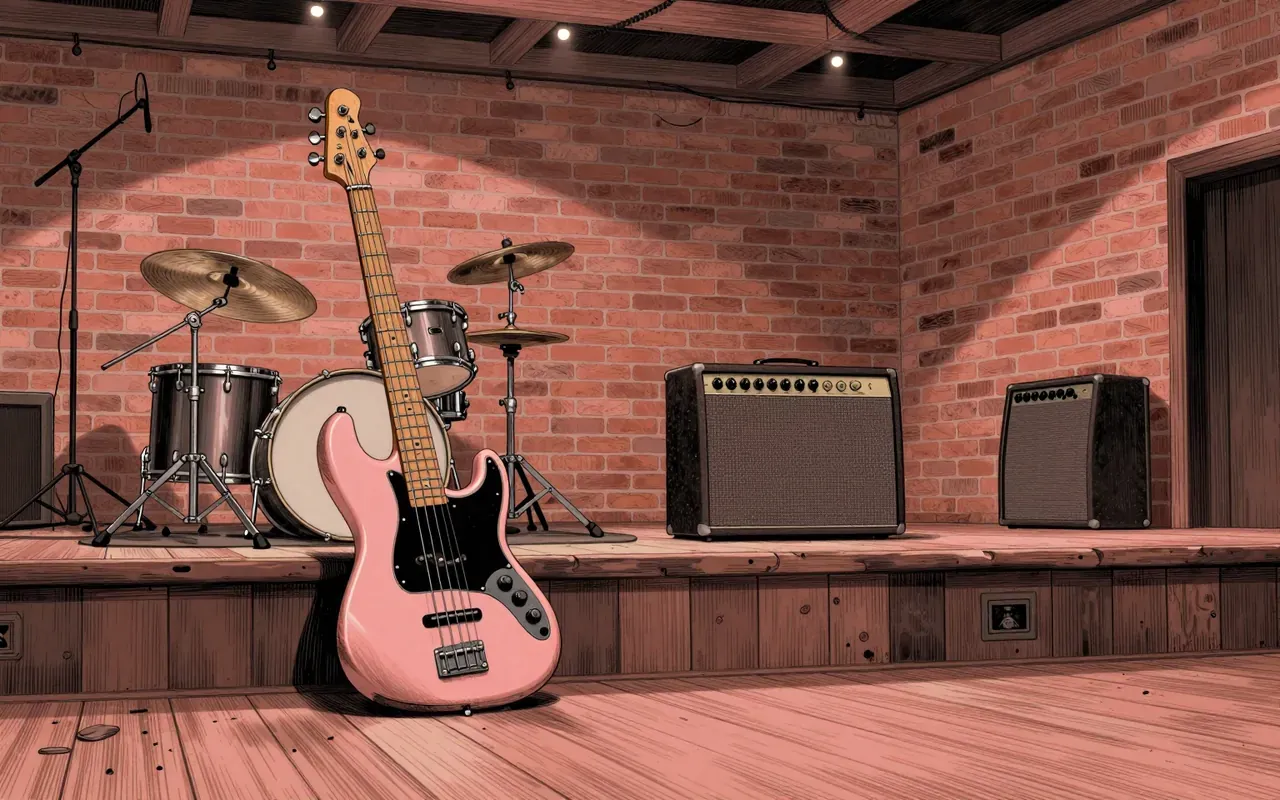
Fender Telecaster Bass
Fender
A no-compromise bass that sacrifices versatility for presence. It does one thing well — deliver tight, articulate low end with zero detours — and refuses to do anything else.
A no-compromise bass that sacrifices versatility for presence. It does one thing well — deliver tight, articulate low end with zero detours — and refuses to do anything else.

The Epiphone Texan is a jumbo acoustic flattop guitar introduced in 1961 as a continuation of the FT-79. It was built for songwriting and studio use — not for high-volume amplification or tonal experimentation. Its defining features are its jumbo body, midrange-forward voice, and (from 1962) an adjustable bridge. Later reissues added a lightweight internal pickup, but the original was acoustic-only. Paul McCartney used a 1964 model to write 'Yesterday'. It is generally equivalent to the Gibson J-45, differing only in scale-length. Production shifted from the US to Japan and back; discontinuations and reissues reflect corporate ownership changes, not design evolution.
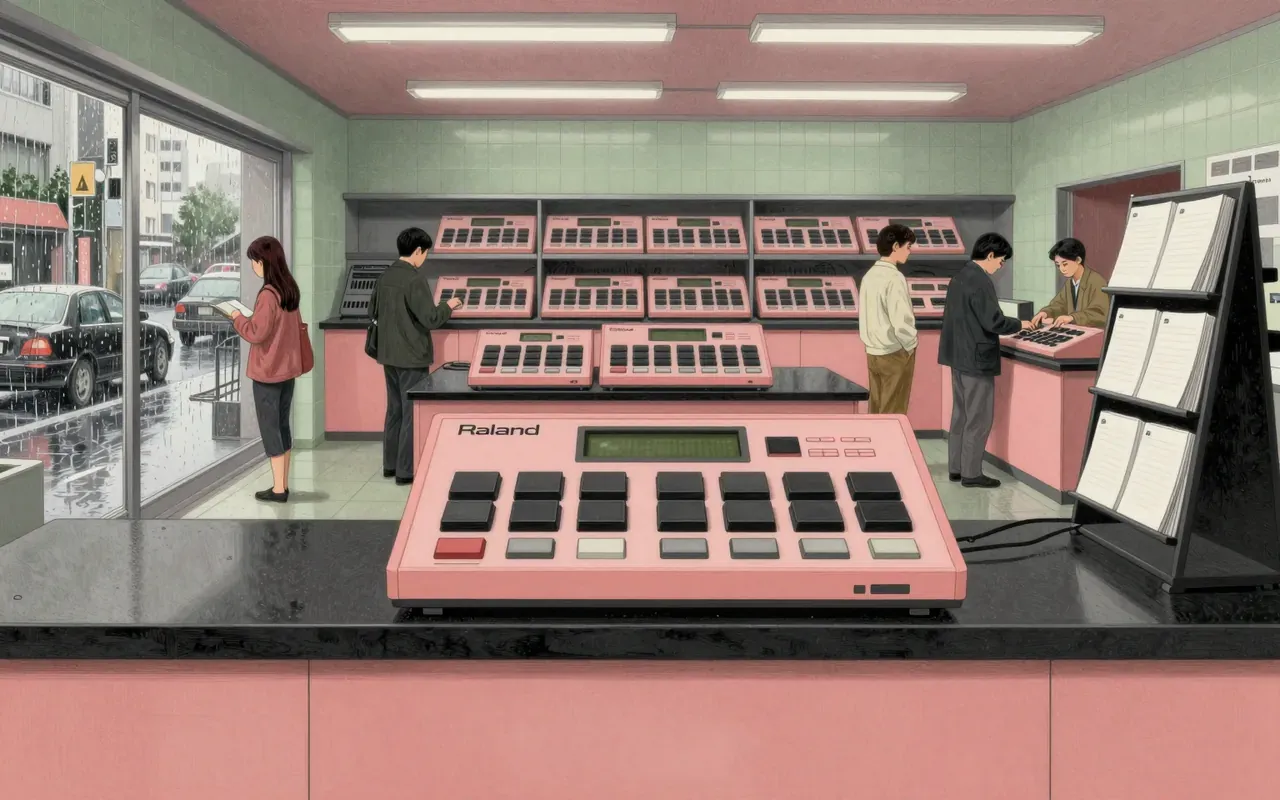
The TR-505 delivers rigid, punchy sequencing with integrated Latin percussion — but its 8-voice limit forces trade-offs no modern sequencer accepts.
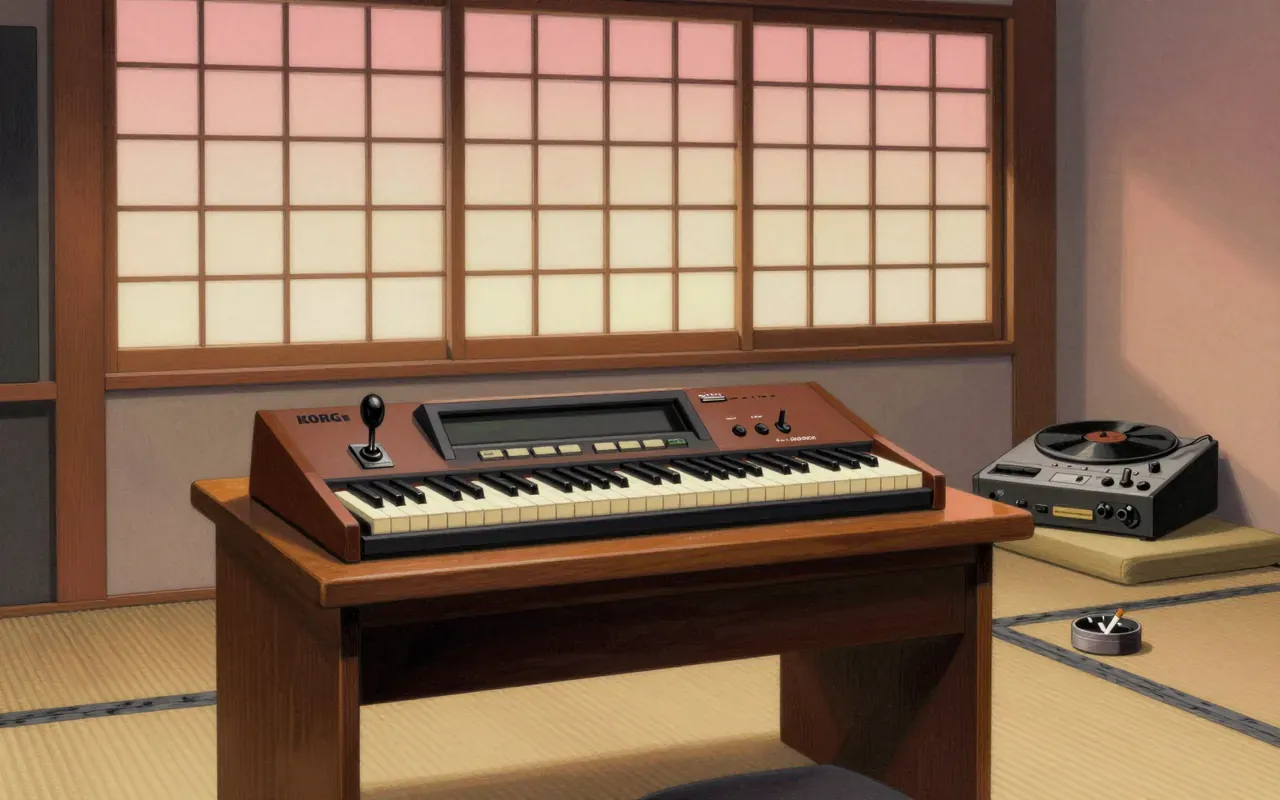
The Korg Trident is a 1980 subtractive synthesizer with eight-note polyphony, integrating three independent sections — polyphonic, string, and brass — into one keyboard. It allows assignment to two keyboard zones, includes a flanger effect and joystick for pitch and modulation. The 1982 MkII revision added memory, improved stability via better heat-sinking and power supply, and separate ADSR envelopes for filter and VCA — unlike the MkI’s shared envelope. It does not use effects or sample+synthesis, despite KORG pioneering both elsewhere.

The TX81Z is a stripped-down, rack-only FM synth that trades expressive controls for affordability and waveform novelty. Its non-sine oscillators opened new sonic doors — but its single-chip architecture left out pitch envelopes, velocity sensitivity, and operator depth. It belongs in a modern studio only as a character voice, not a workhorse.
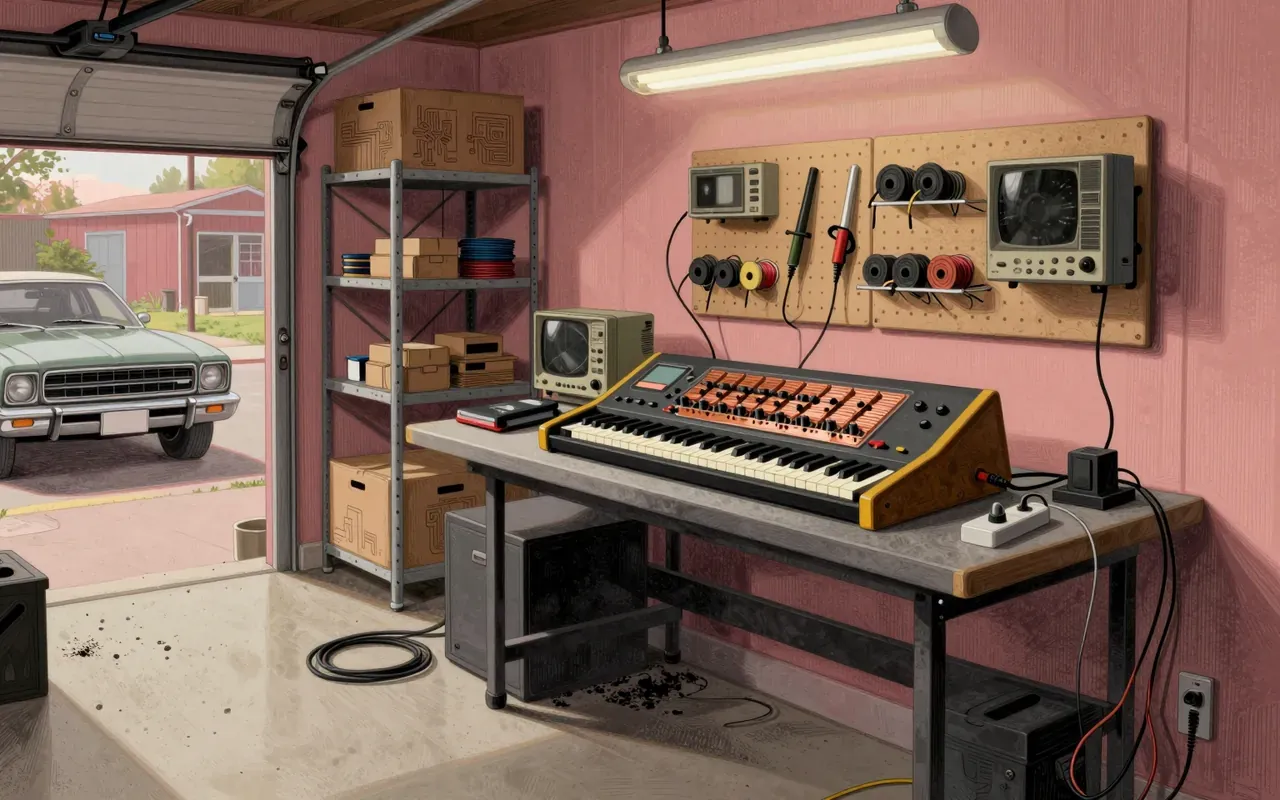
The Wasp is a 1978 monosynth defined by its copper-plate keyboard, black-and-yellow casing, internal speaker, and proprietary interconnection. It was EDP’s best-received product but flawed in execution: unreliable live, prone to autonomous triggering, and technologically isolated. Its sound is inseparable from its limitations.
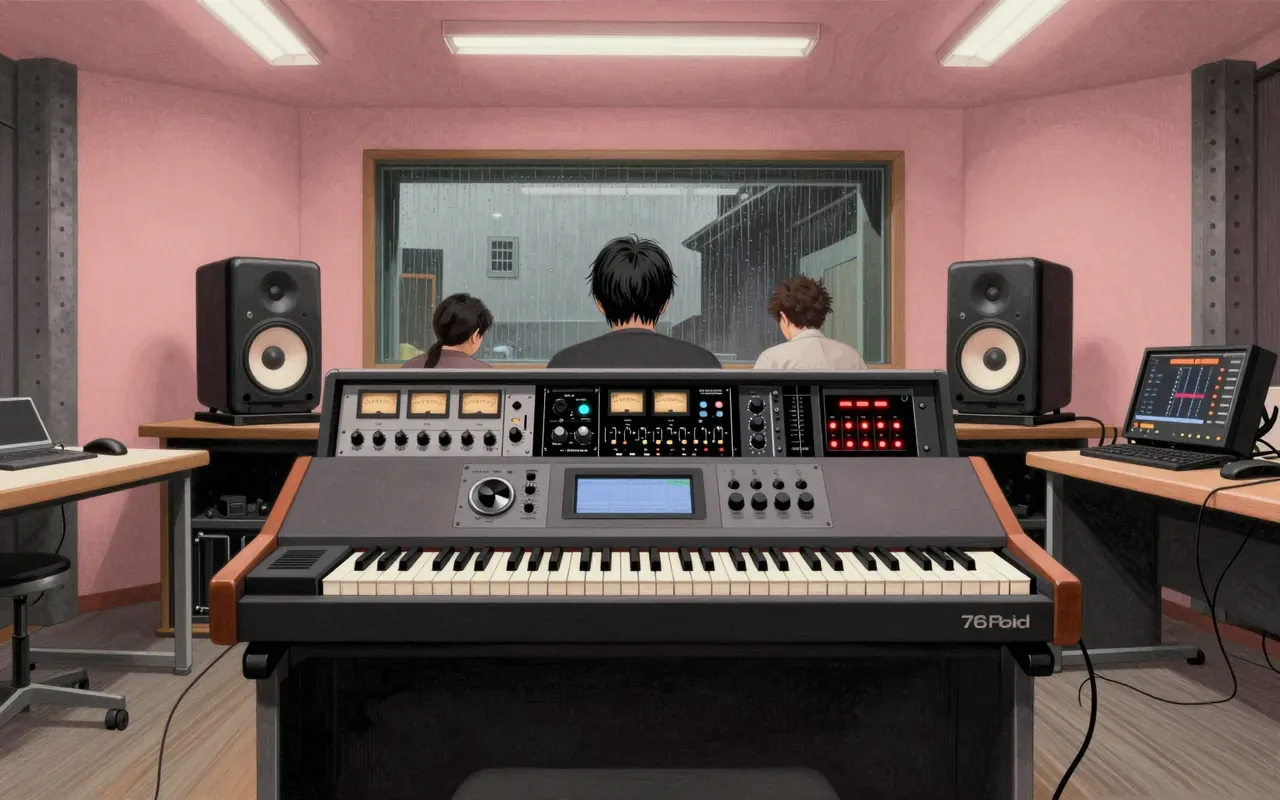
The Roland XP-80 is a 1996 76-key workstation using digital PCM subtractive synthesis, delivering 64-voice polyphony and 16-part multi-timbrality via a semi-weighted keyboard. It merges the JV-1080 engine with the MRC-Pro sequencer for tight internal composition—but offers no aftertouch, limited real-time sound control, and no modern connectivity.
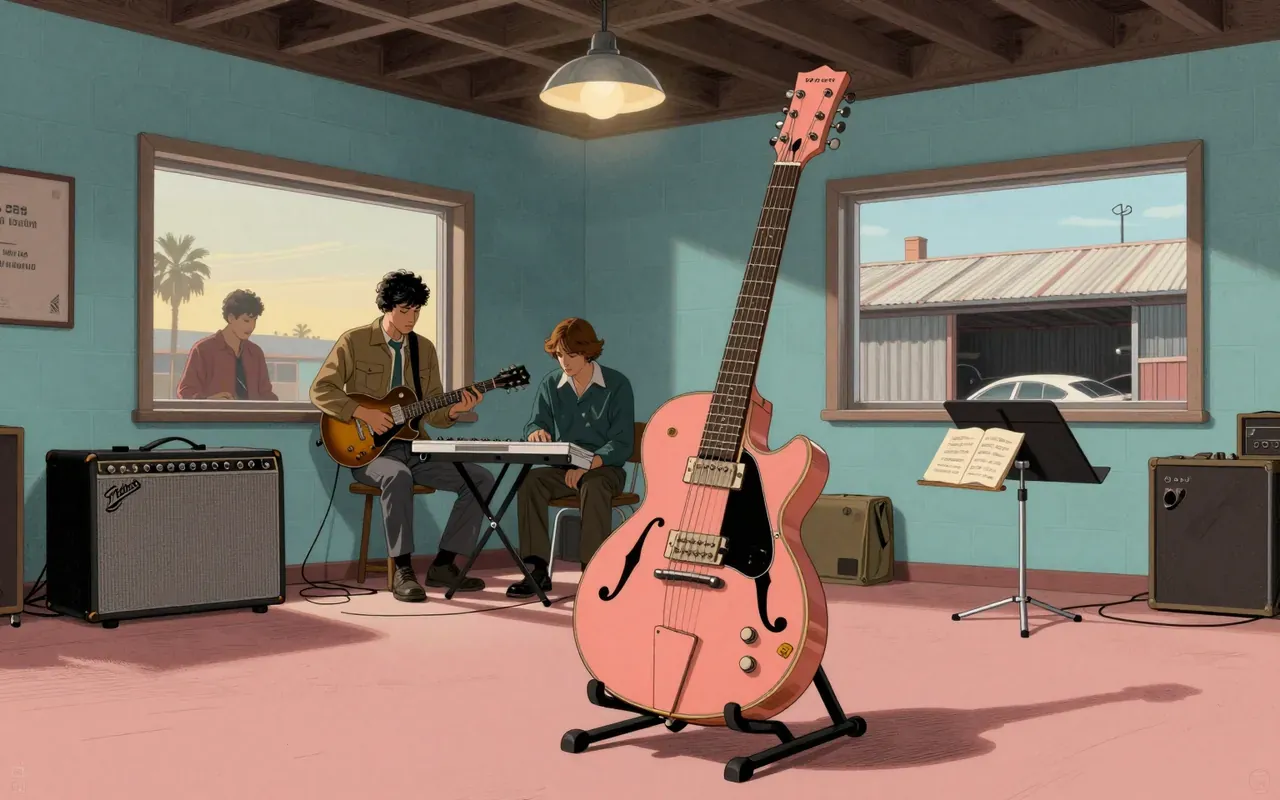
The Fender Coronado is a true hollow-body electric guitar with no central block, designed in 1965 by Roger Rossmeisl to capitalise on the rising popularity of semi-acoustic guitars. It delivers natural resonance and a bright-and-deep tone, but feeds back at high volumes and failed to win over jazz guitarists due to its bolt-on neck. It found belated favour for what it does sonically—not what it was meant to be.

The Epiphone Coronet is an Epiphone-exclusive, entry-level solidbody electric guitar with a single P-90 pickup, one volume and one tone control. First introduced as an amplified archtop in 1939, it was reclassified as a solidbody by 1961. It has been manufactured across multiple eras — 1959 US production, 1960s Dwight-branded variants, discontinuation in the 1970s after Epiphone moved overseas, a late-1990s Korean reissue, and a 2020 reissue. It offers no pickup switching, no neck pickup, and minimal control options. Its design prioritises simplicity and direct tone over versatility or refinement.
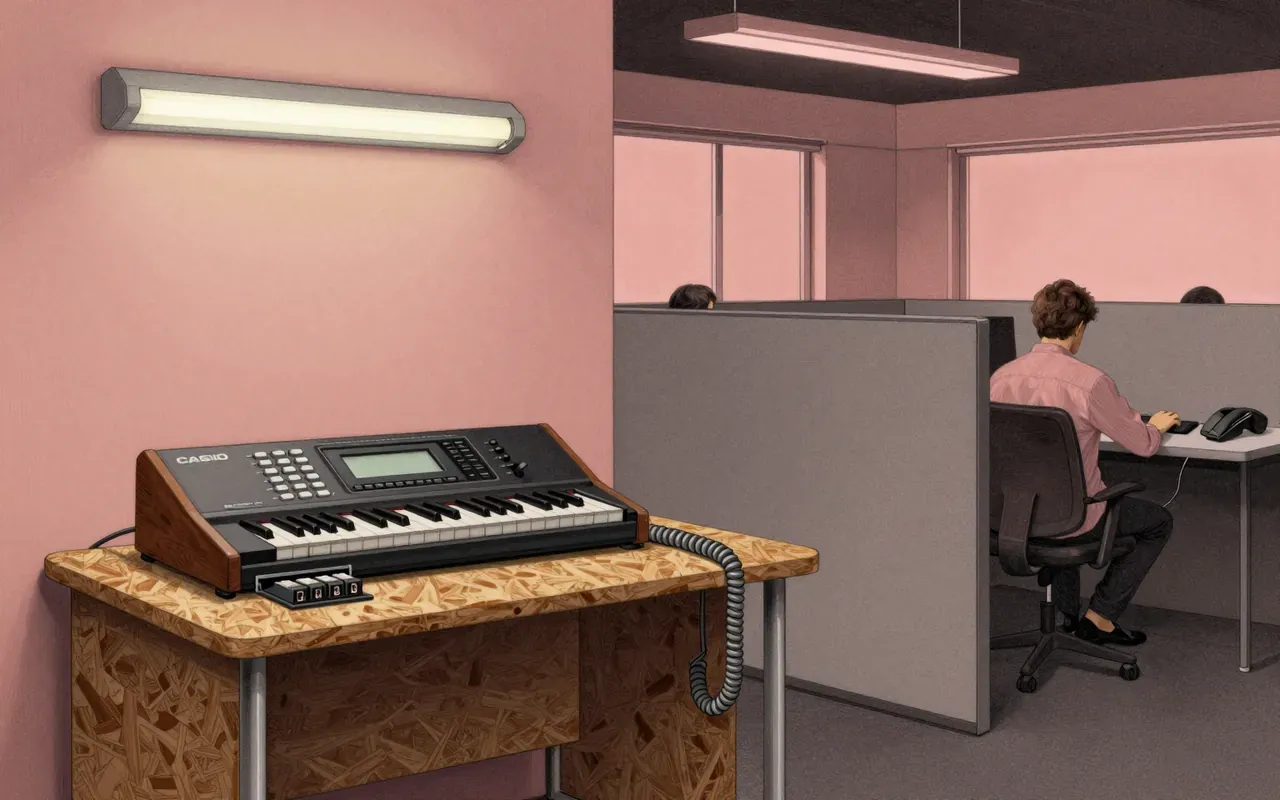
The Casio CZ series is a line of low-cost, digitally implemented phase distortion synthesizers introduced by Casio in 1984. They simulate analog filter behaviour without physical filters, using digital phase distortion instead. Each oscillator plays waveforms in series—not parallel—enabling sub-harmonics but restricting waveform pairing. Polyphony drops from eight to four voices when using two oscillators per voice. They were built for amateur musicians, prioritising affordability and portability over expressive control or sonic flexibility.
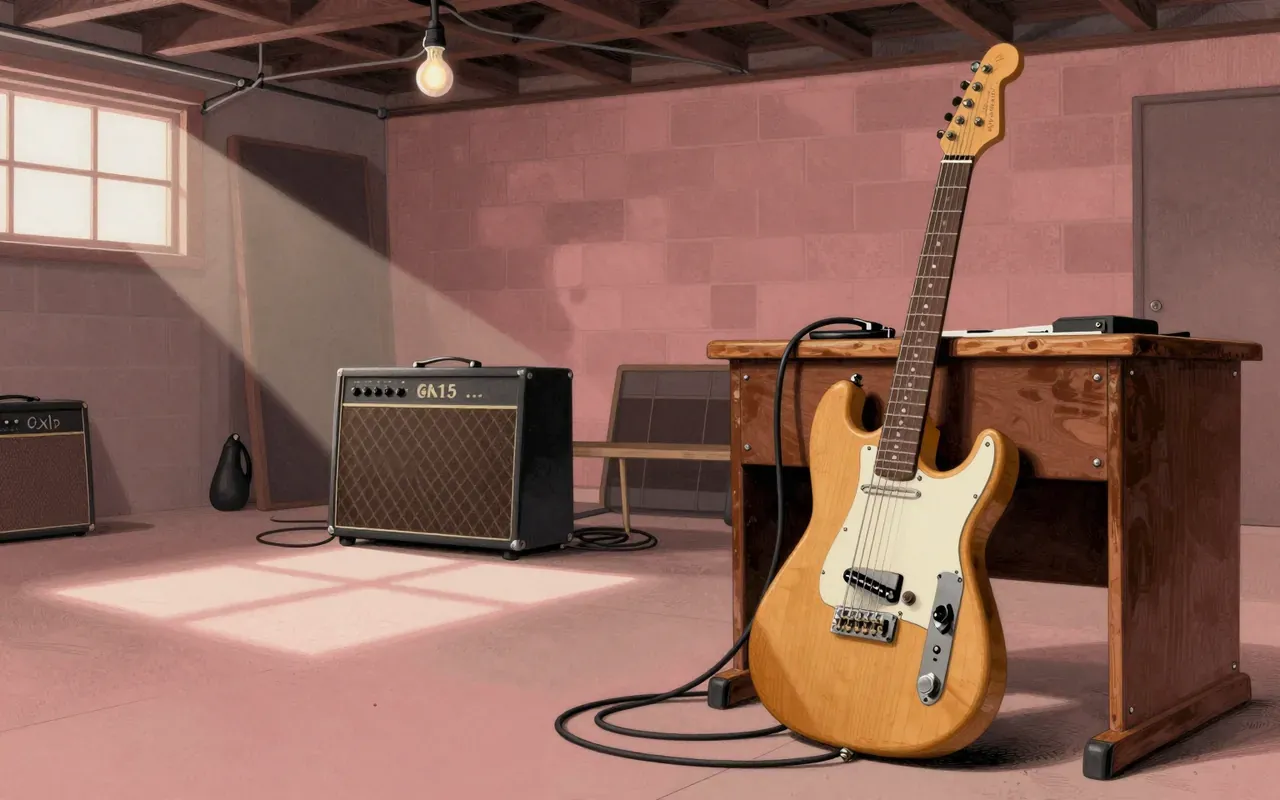
The Duo-Sonic is a compact, fixed-bridge student guitar built for physical accessibility — not sonic flexibility.
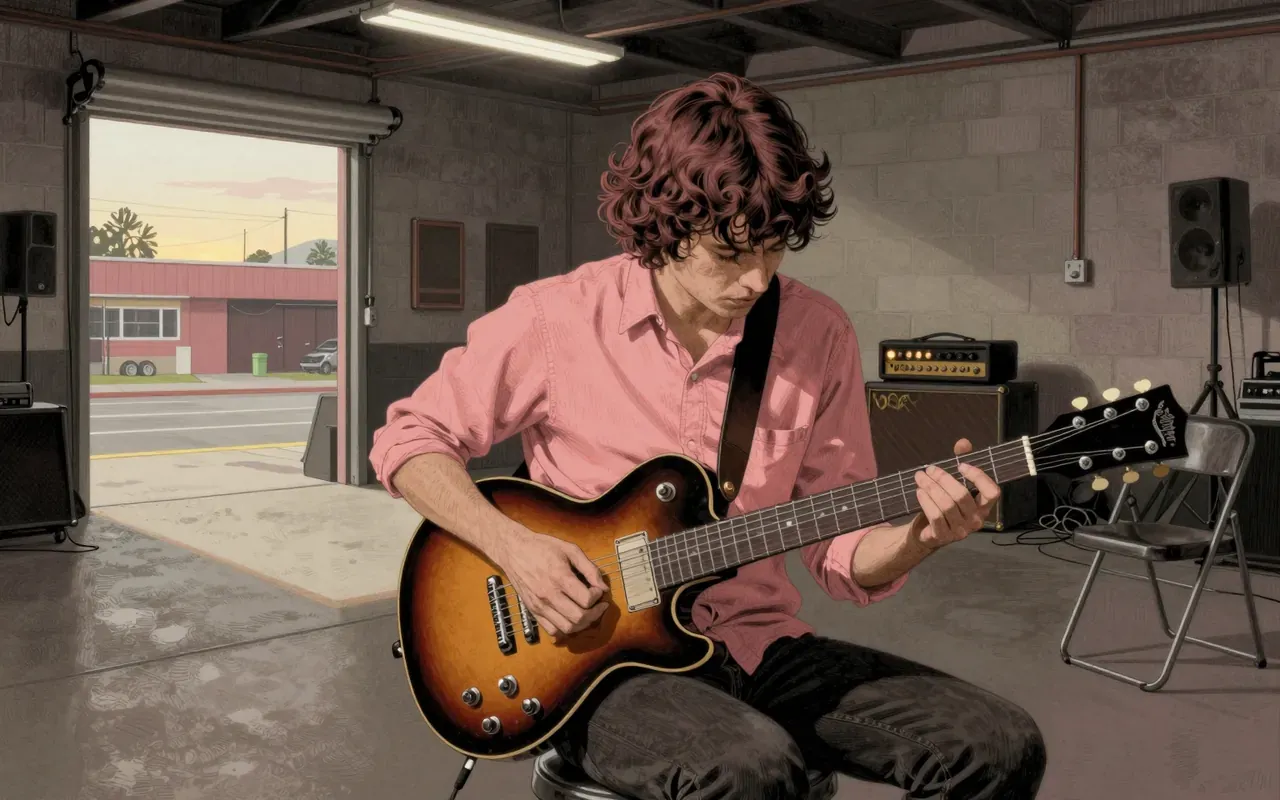
The Fender Electric XII is a 12-string electric guitar designed by Leo Fender and introduced in late 1965. It features a Jaguar/Jazzmaster-style body, a 'hockey-stick' headstock to accommodate twelve tuners, a string-through-body design for increased sustain, a unique split pickup configuration, and a 4-way rotary selector offering neck, neck-and-bridge (parallel), in/out-of-phase, and bridge-only options. Its bridge has individual saddles for each string, enabling precise intonation. Unlike competitors’ models—which were adapted 6-string guitars—the Electric XII was purpose-built for folk rockers.
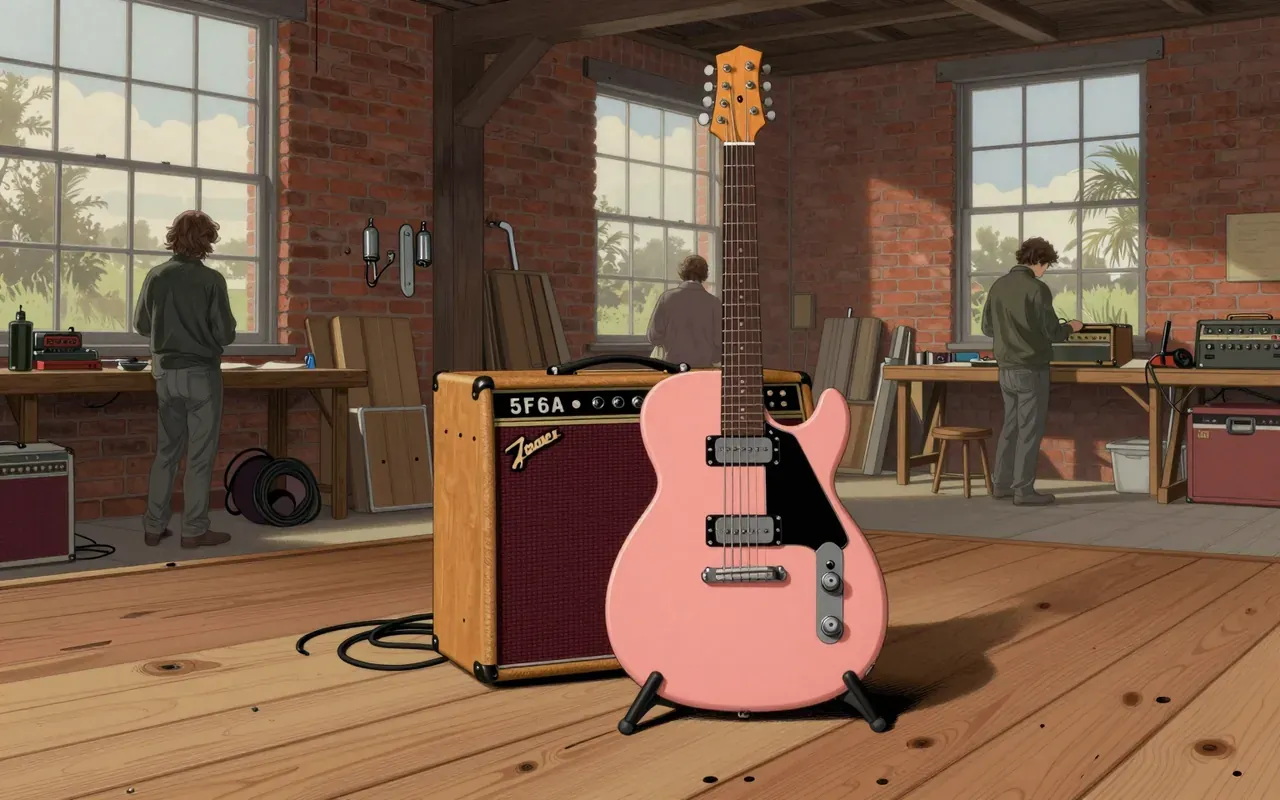
The Fender Esquire is the first commercially marketed solid-body electric guitar. It was designed as an electronic instrument with no acoustic tone manipulation. It introduced the square-edged dreadnought shape with cutaway. It featured a combined bridge-pickup assembly derived from the Champion lap steel. The first 1950 production run had a one-piece maple neck without fretboard or truss rod. The single-pickup version debuted in the RTEC Spring 1950 catalogue.
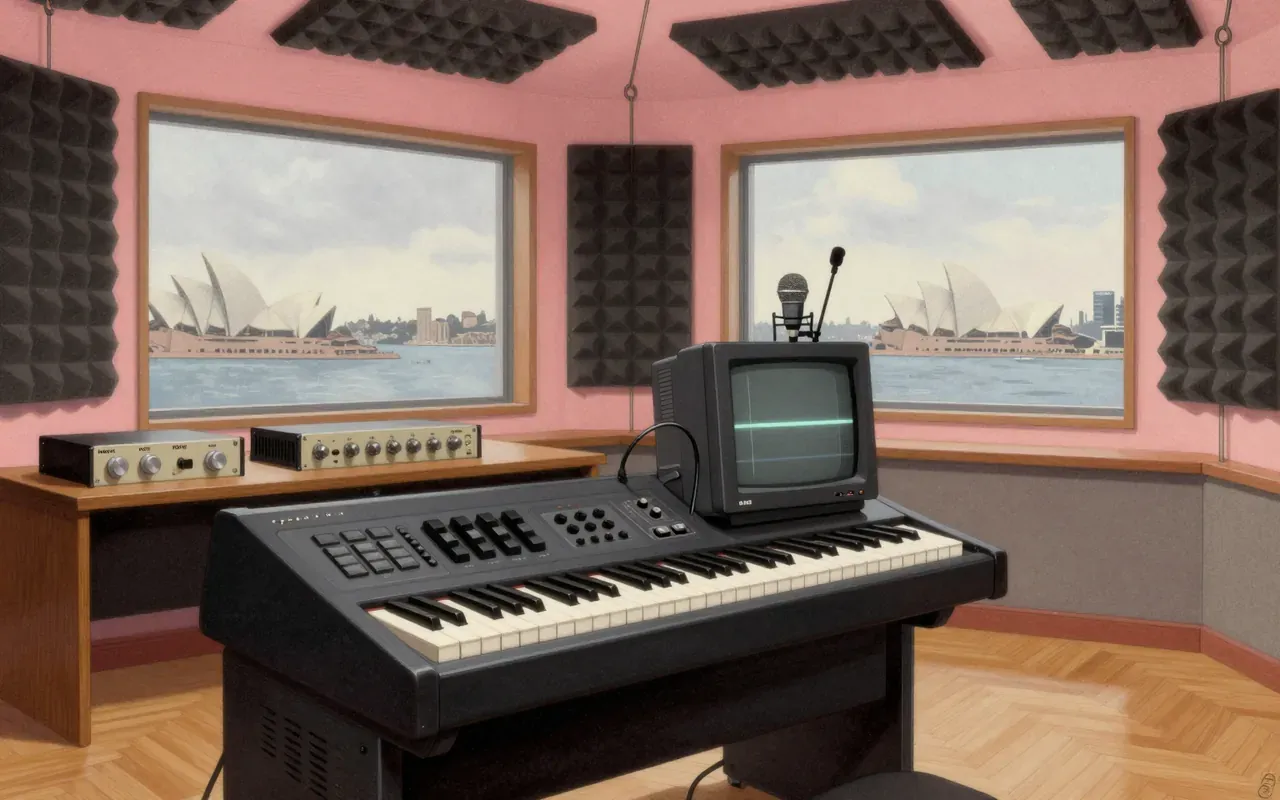
The Fairlight CMI defined sampling by doing it first — not perfectly, but decisively. It traded fidelity for immediacy, memory for recognisability, and speed for novelty. Its legacy is linguistic and architectural: it gave sampling a name, and built the first workstation where sound, sequence, and synth shared one chassis.
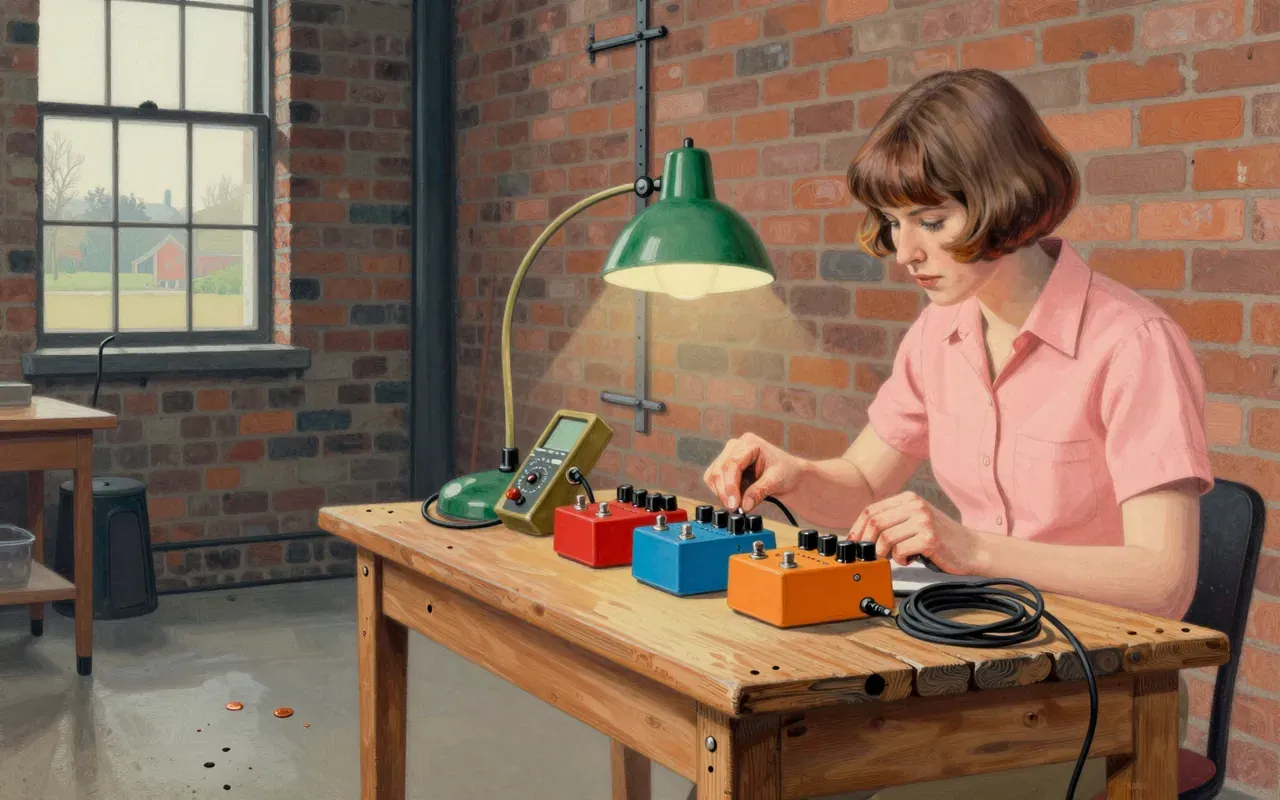
The Fuzz Face is a minimal, high-character fuzz pedal built for affordability—not precision. Its two-knob interface and six-component design deliver immediate, touch-sensitive distortion, especially with NKT275 germanium transistors. But its crude biasing makes germanium units thermally unstable. Silicon versions trade warmth for harshness and reliability. It excels at organic, swelling fuzz tones shaped by the player—not the pedal.
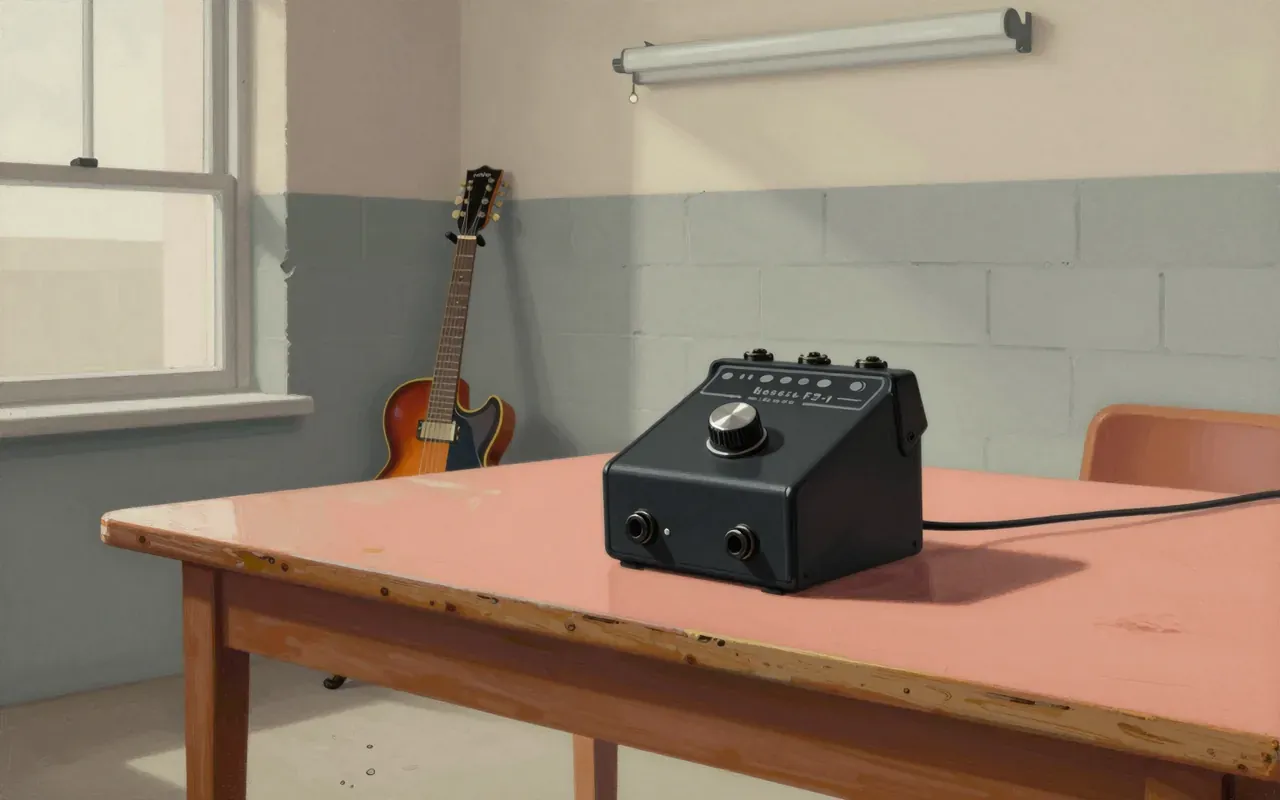
The Maestro FZ-1 Fuzz-Tone is the first widely marketed fuzz effect. Introduced in 1962. Achieved mainstream impact in 1965 via Keith Richards on 'Satisfaction'. Uses three germanium transistors. Powered by two 1.5V batteries (later one). Responds directly to input amplitude. Temperature sensitive. Delivers brass-like tones. Integrated into Gibson EB-0F basses circa 1964. Revised as FZ-1a in late 1965.
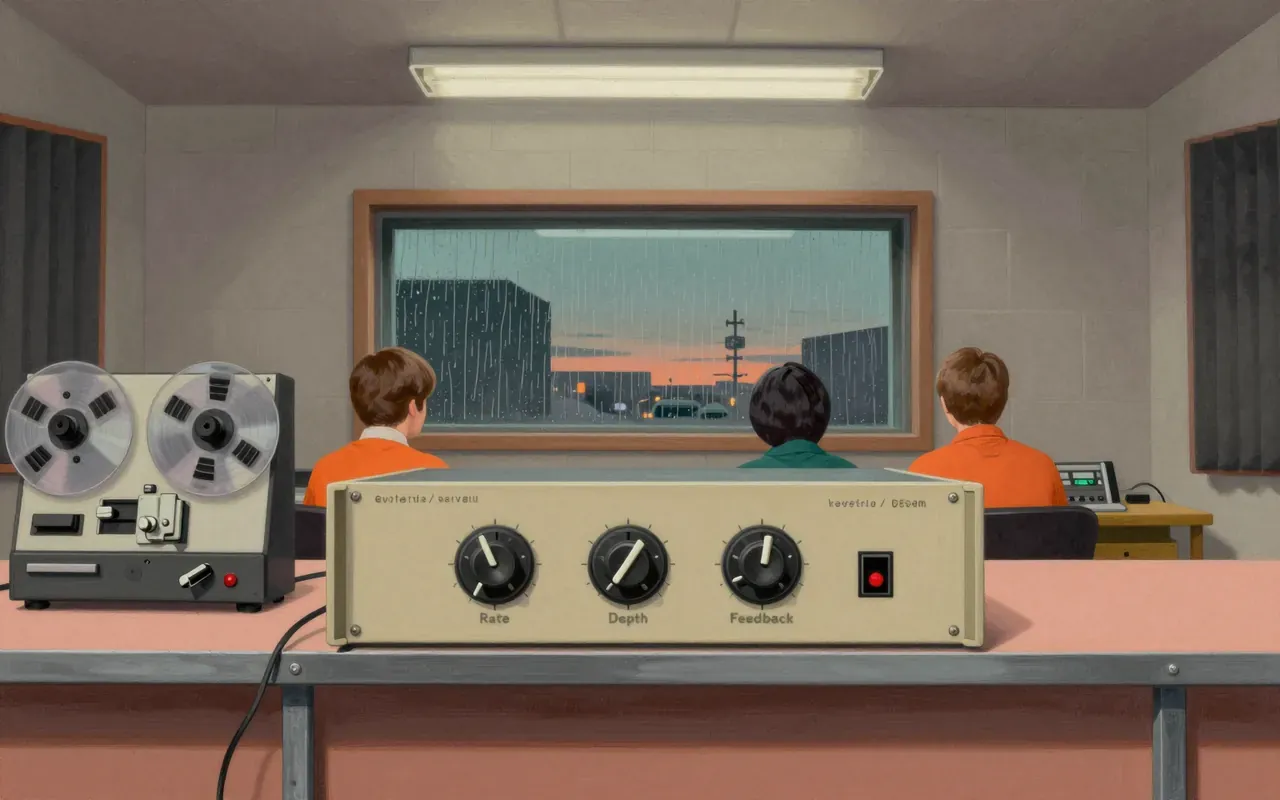
There is no instrument called 'Eventide, Inc.' from 1971. Eventide, Inc. is a company. Its earliest instruments were the 1745 Digital Delay Line (1971), the PS 101 Instant Phaser (1971), the Omnipressor (1974), and the H910 Harmonizer (1975). Only the PS 101 is confirmed as rack-mount. No instrument described has polyphony, synthesis architecture, or format beyond rack-mount. Claims about sound, feel, or musical use are absent from the source material.

A lightweight, hollow-body electric bass built for resonance and left-handed play—not for gain staging or precision.
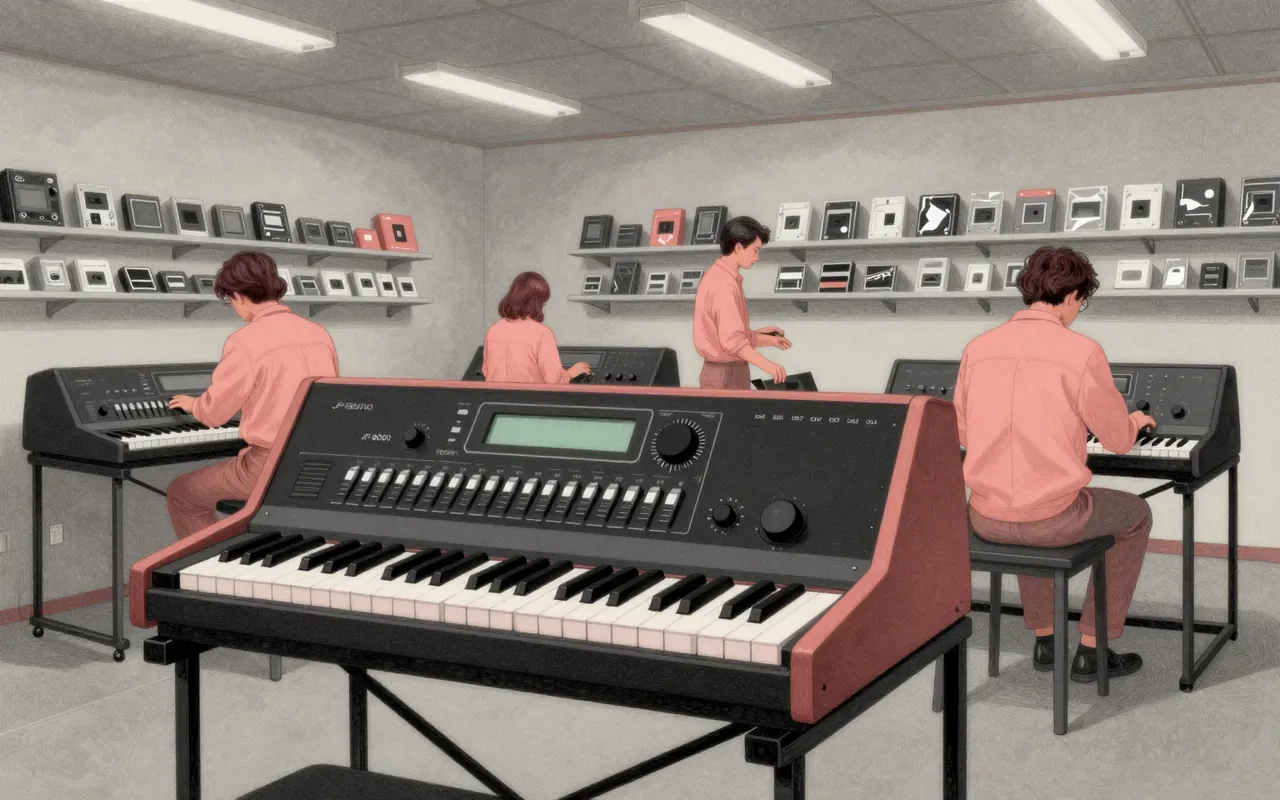
The Roland JP-8000 is an analog modeling synthesizer released in early 1997. It sought to digitally reproduce the analog tonalities and power of its analog predecessors. Although it lacked somewhat in analog warmth due to its early digital architecture, it added many new features, such as RPS (Realtime Phrase Sequencing), which allowed short sequenced phrases to be assigned to keys, and such as motion control. It also featured the unique Supersaw oscillators and analog-style controllers such as an arpeggiator and an assignable touch response ribbon control. The Supersaw in particular was the reason why the JP-8000 was particularly successful as a main keyboard (along with the Virus) in the dance music market, especially for trance music.
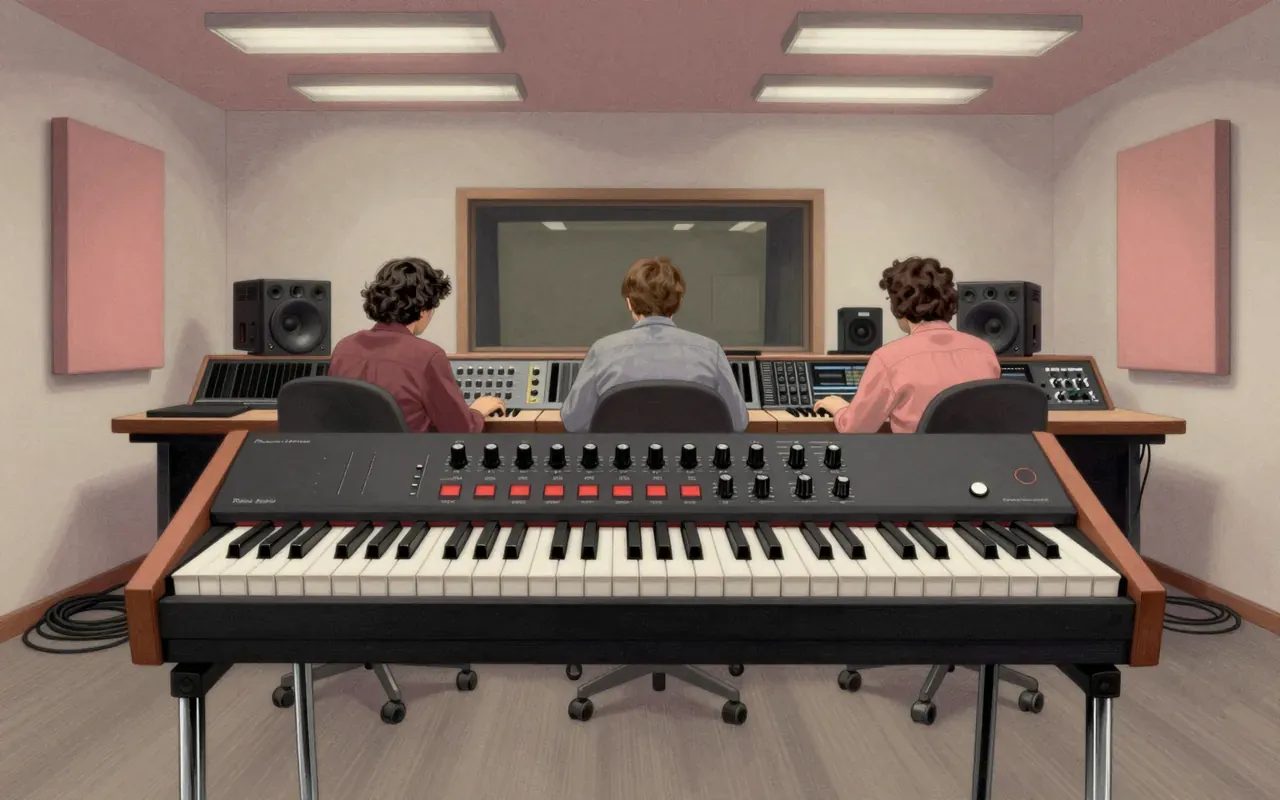
The Jupiter-6 delivers focused, hands-on bitimbral control and waveform stacking unavailable on the Jupiter-8 — but locks you into rigid voice splits and omits expressive dimensions like aftertouch.

The Roland JX-8P is a 1985 hybrid analog synthesizer with six-note polyphony, designed to bridge analog warmth and FM-style timbres using new modulation and a DX7-inspired interface. It features two DCOs per voice, software ADSR envelopes, dual filters, chorus, sync modes, multiple play modes, and a polished MIDI implementation — programmable via edit slider or optional PG-800, with limitations on real-time control.
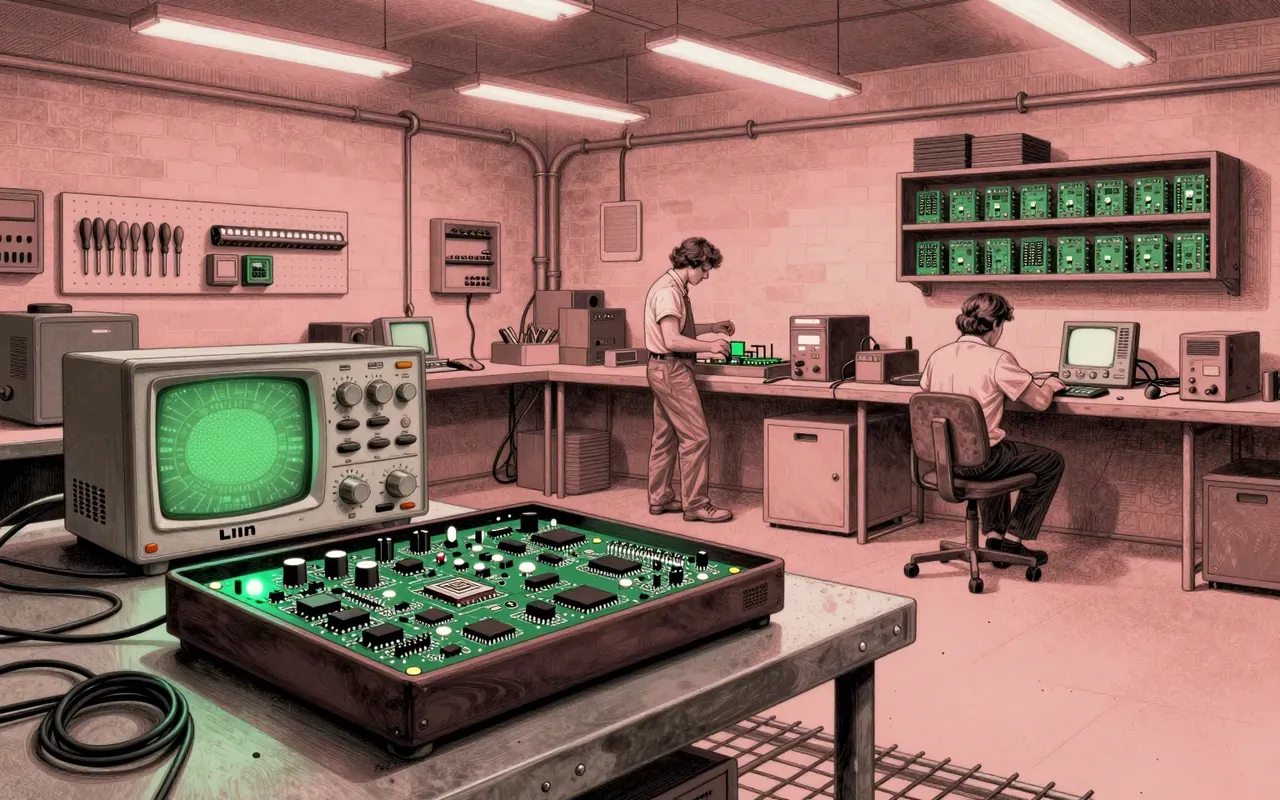
The Linn LM-1 is the first programmable drum machine to use digital samples of acoustic drums. Released in 1980, it replaced preset patterns with human-performed, non-degrading sounds. Its quantization enforced perfect sixteenth-note timing. It offered twelve fixed samples—mostly played by Art Wood—with handclaps by Tom Petty and the Heartbreakers. It had no synthesis, no editing, no velocity response, and no visual feedback beyond LEDs. It helped establish drum machines as credible tools in popular music.

The Memorymoog is a 6-voice polyphonic analog synthesizer manufactured by Moog Music from 1982 to 1985. It was the first polyphonic Moog to feature dedicated oscillators and filters for each voice. Each voice has three voltage-controlled oscillators with pulse (variable width), saw, and triangle waveforms. Each voice also has its own 24 dB/Octave Low Pass voltage-controlled filter. Moog Music included a discrete implementation of its famed, patented transistor ladder filter. In Mono mode, the Memorymoog functions as a traditional monophonic synthesizer with 1–18 oscillators selectable in unison. A Chord Memory function and an Arpeggiator are included. Audio frequency modulation using Oscillator 3 can produce FM-like timbres.
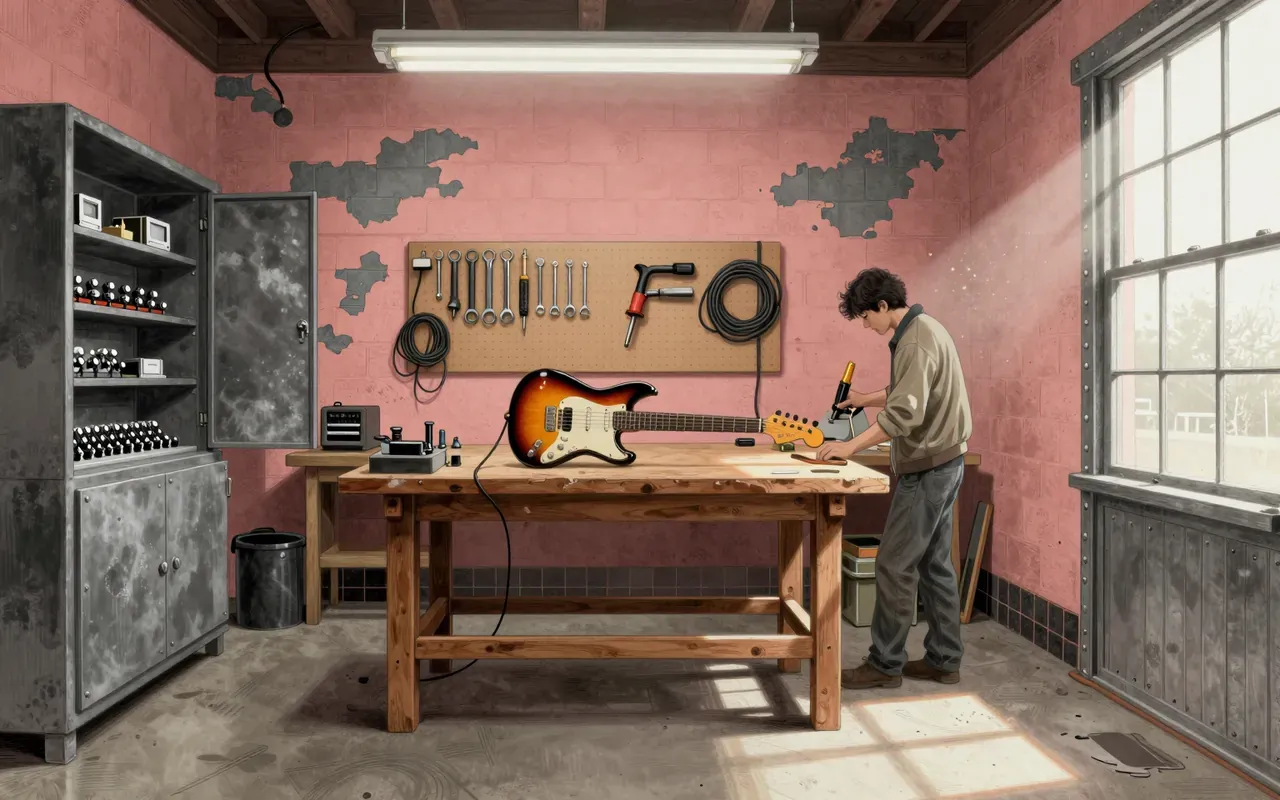
The Musicmaster is a no-frills, scaled-down electric guitar built for access—not expression. Its design sacrifices tonal depth and dynamic response for ease of use and production efficiency. It belongs in a practice room, not a stage rig.
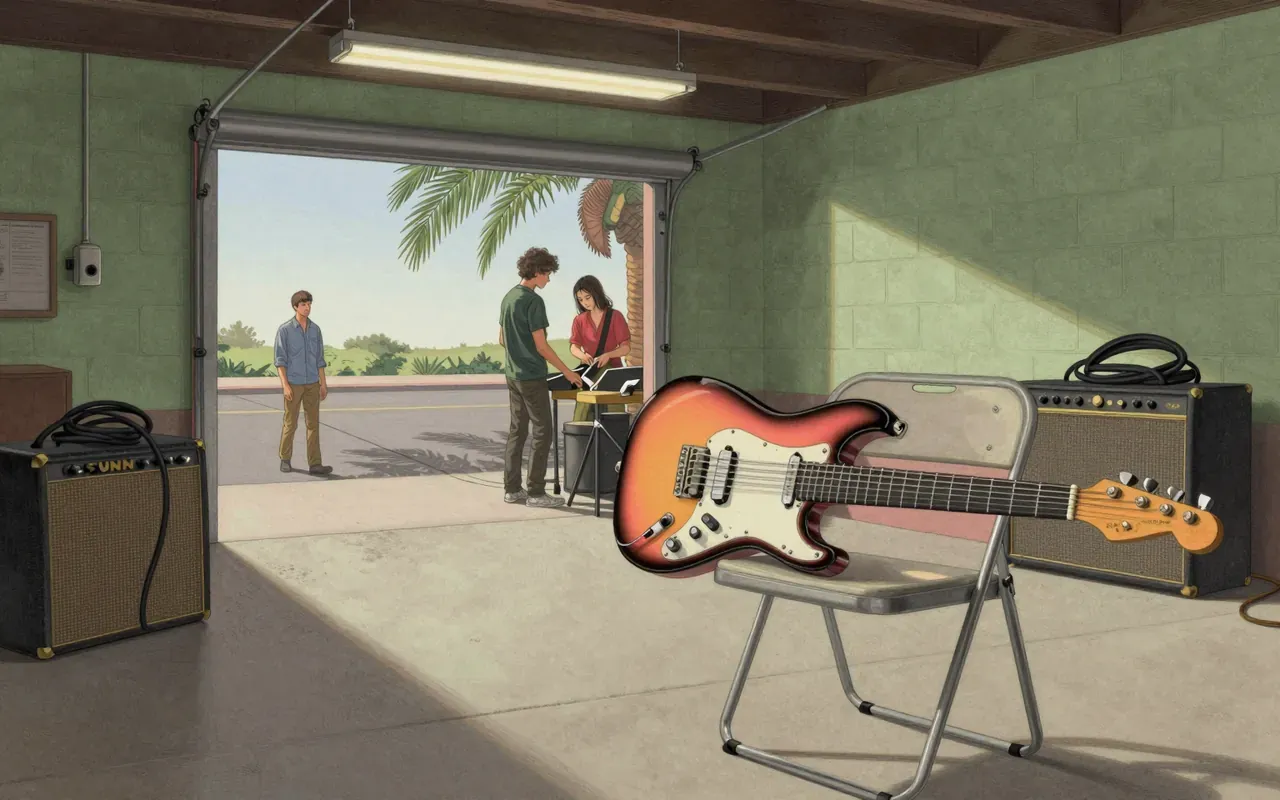
The Fender Mustang is a solid body electric guitar introduced in 1964 as the basis of a major redesign of Fender's student models. It was produced until 1982 and reissued in 1990. It features two single-coil pickups, an unusual pickup switching configuration, and a unique vibrato system. It was originally available in two short scale lengths: 24 inches and 22.5 inches. It has two angled single-coil pickups, each with an adjacent on-off-on switch, and a master tone and volume control. It introduced the Fender Dynamic Vibrato tailpiece, which together with a floating bridge forms the Mustang vibrato system.
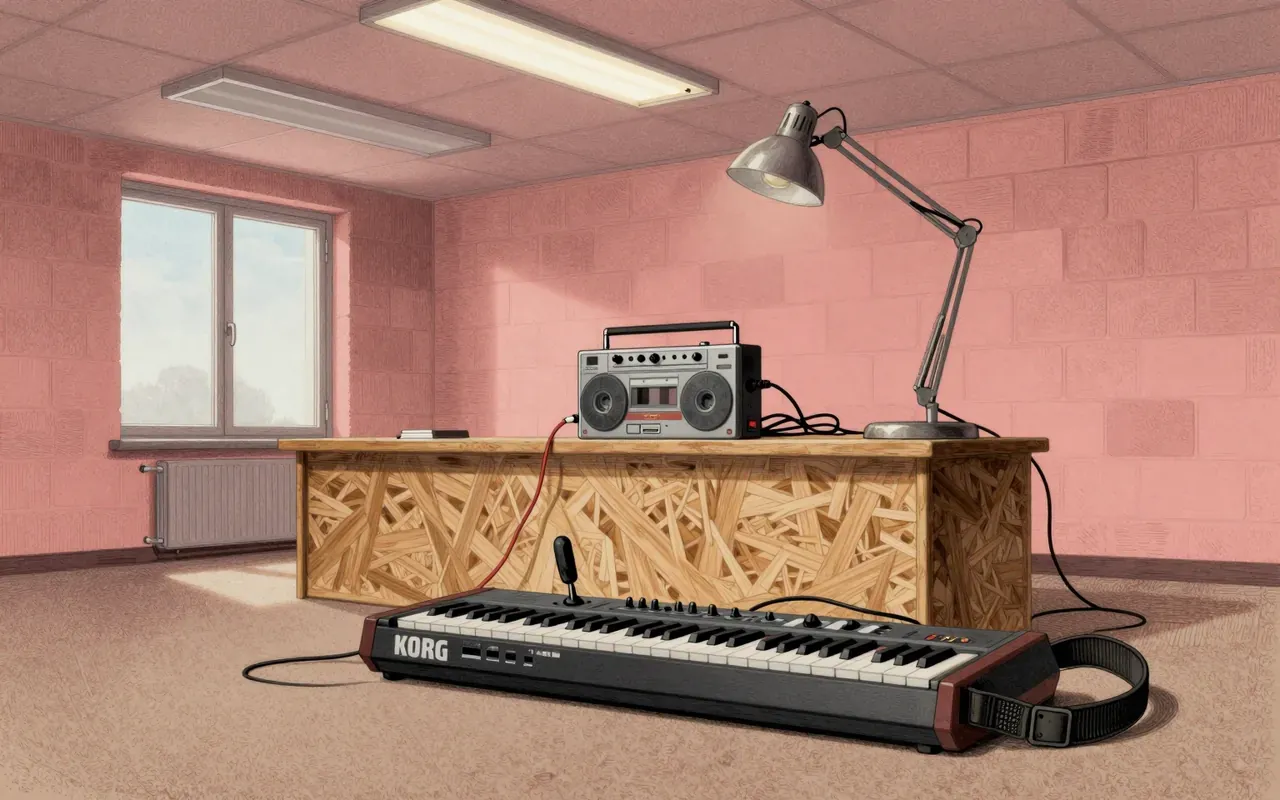
The Korg Poly-800 is an 8-voice analog synthesizer released by Korg in 1983. It was the first fully programmable polyphonic synthesizer that sold for less than $1,000. It was designed for portability, featuring battery power and a lightweight design that allowed the user to play with it strapped around their neck. It utilised digitally controlled oscillators (DCOs), and was a paraphonic synth with a single filter shared between its eight voices. Each DCO offers sawtooth and square waveforms, which are mixed together with a white noise generator before being sent to a voltage-controlled filter (VCF). The Poly-800 features 2 polyphony modes: Whole mode offers 8-voice polyphony with one DCO per voice, while Double mode places the DCOs in pairs for a richer sound, albeit at the expense of reducing polyphony to four voices. The VCF is shared across all voices, which means the Poly-800 is technically a paraphonic synth, instead of a polyphonic synth. The filter can be set to either single or multiple trigger modes; in single mode, the envelope is triggered by the first key press and won't re-trigger until all keys are released. Multi mode allows each key press to trigger the filter envelope independently.
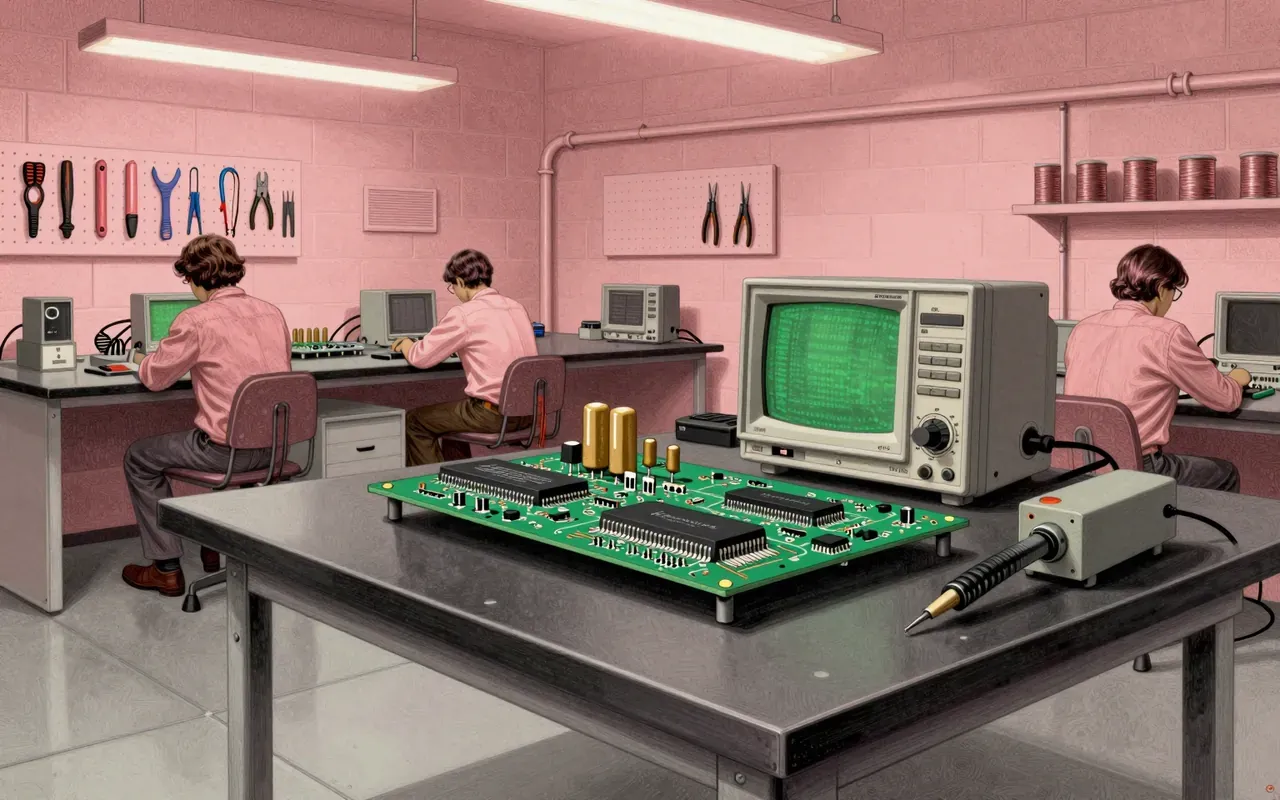
The Prophet VS is an 8-voice hybrid synthesizer released in 1986 by Sequential Circuits. It introduced vector synthesis using a diamond-pattern joystick to mix four 12-bit digital single-cycle waveforms per voice, which are then processed through analog CEM3379/3389 chips. Waves 0–31 are user-editable via MIDI sample dump or onboard harmonic mixing; waves 32–126 are fixed in firmware. It does vector morphing better than anything else of its era—but offers no velocity sensitivity, no aftertouch, no effects, and no reliable patch backup.
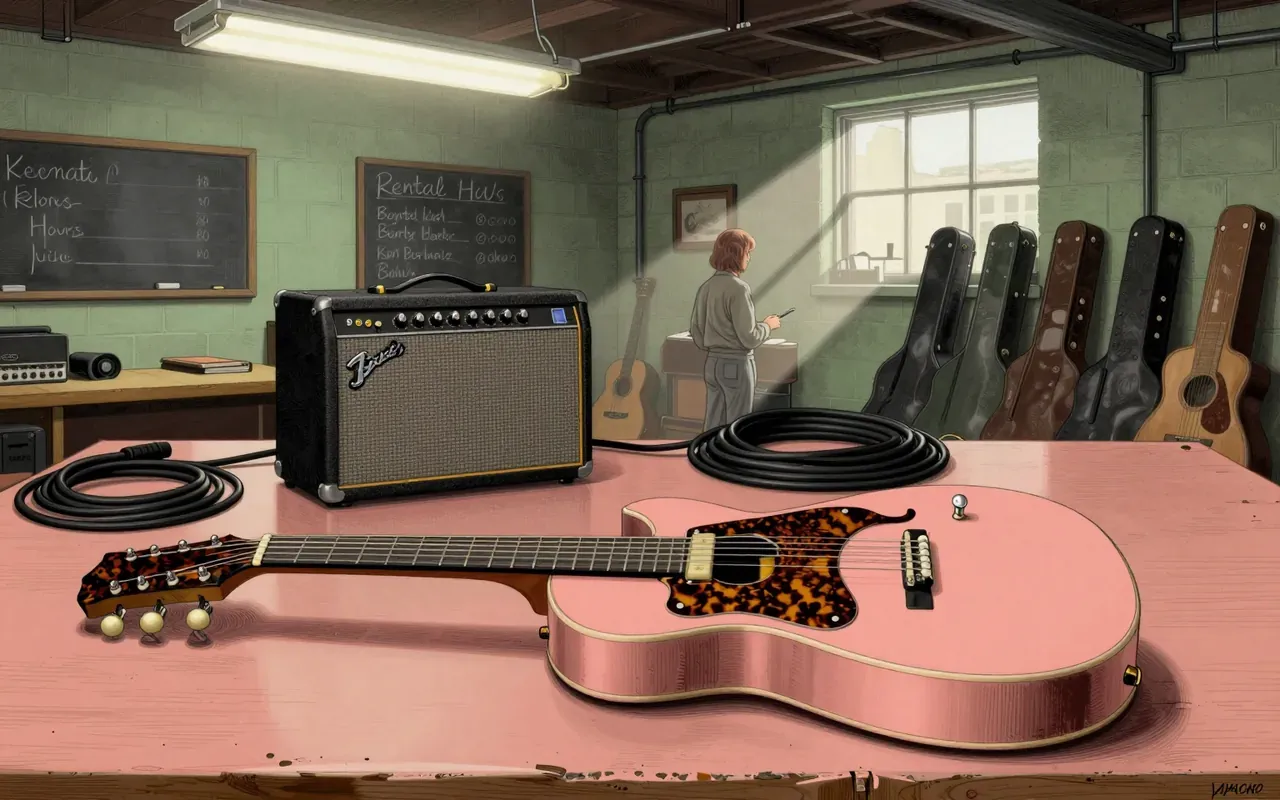
The Epiphone Sheraton is a thinline semi-hollow body electric guitar introduced in 1958 under Gibson’s ownership but exclusively manufactured by Epiphone. It was reworked from Epiphone’s Century archtop and shares its body design with Gibson’s ES-series. Key spec changes include the 1958 twin-pickup configuration, 1961 switch to mini-humbuckers, and 1970 shift to full-sized humbuckers and Japanese production.
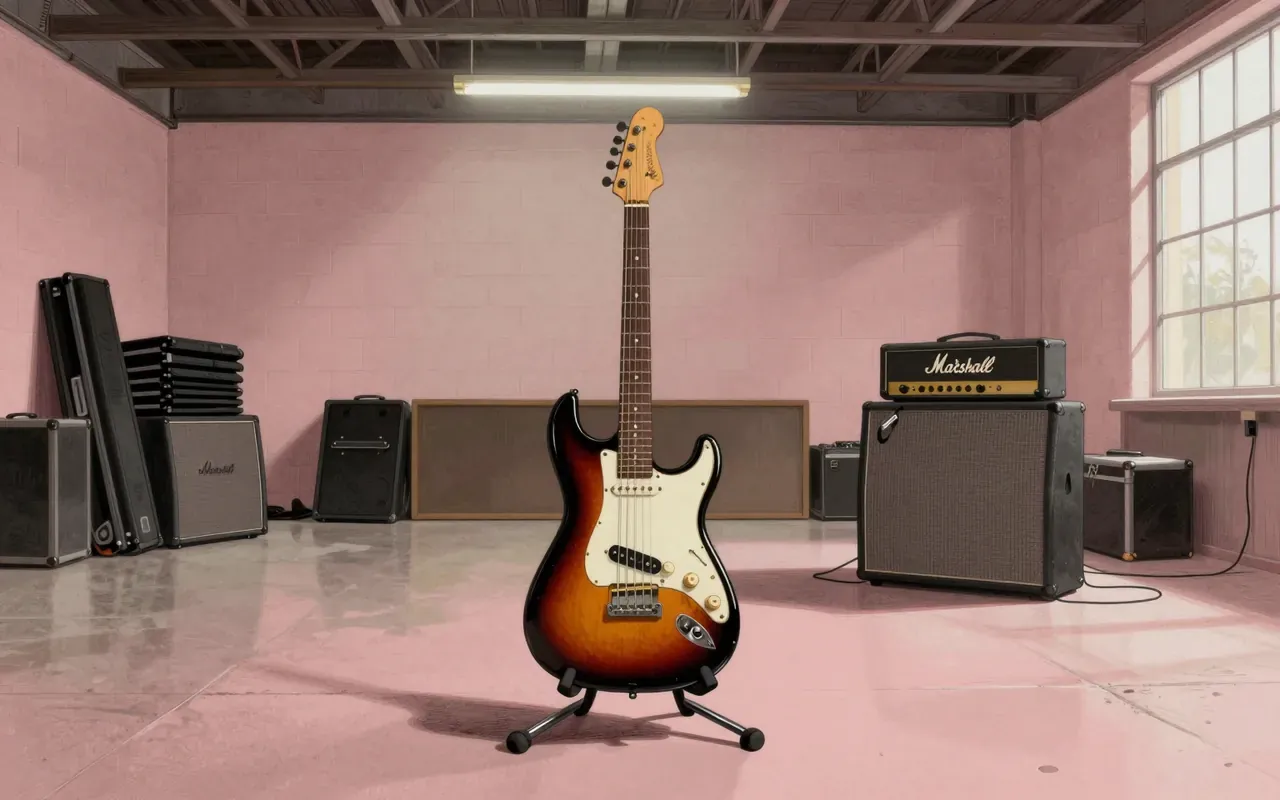
The Fender Starcaster is a semi-hollowbody electric guitar introduced in 1975. It features a bolt-on neck with a three-bolt joint, an offset body, maple fretboard, and a master volume control — distinguishing it from typical semi-hollow designs.

The Synclavier was not a keyboard for players. It was a digital sound laboratory — built for engineers, not performers. Its additive core was brittle. Its sampling was revolutionary. Its 100 kHz rate had no peer. Its role in film sound began at Glen Glenn Sound. Its legacy is infrastructural: the first hard-disk recorder, the first layered digital timbre system, the first computer-based sound editor. It belongs in history — not on a stage.
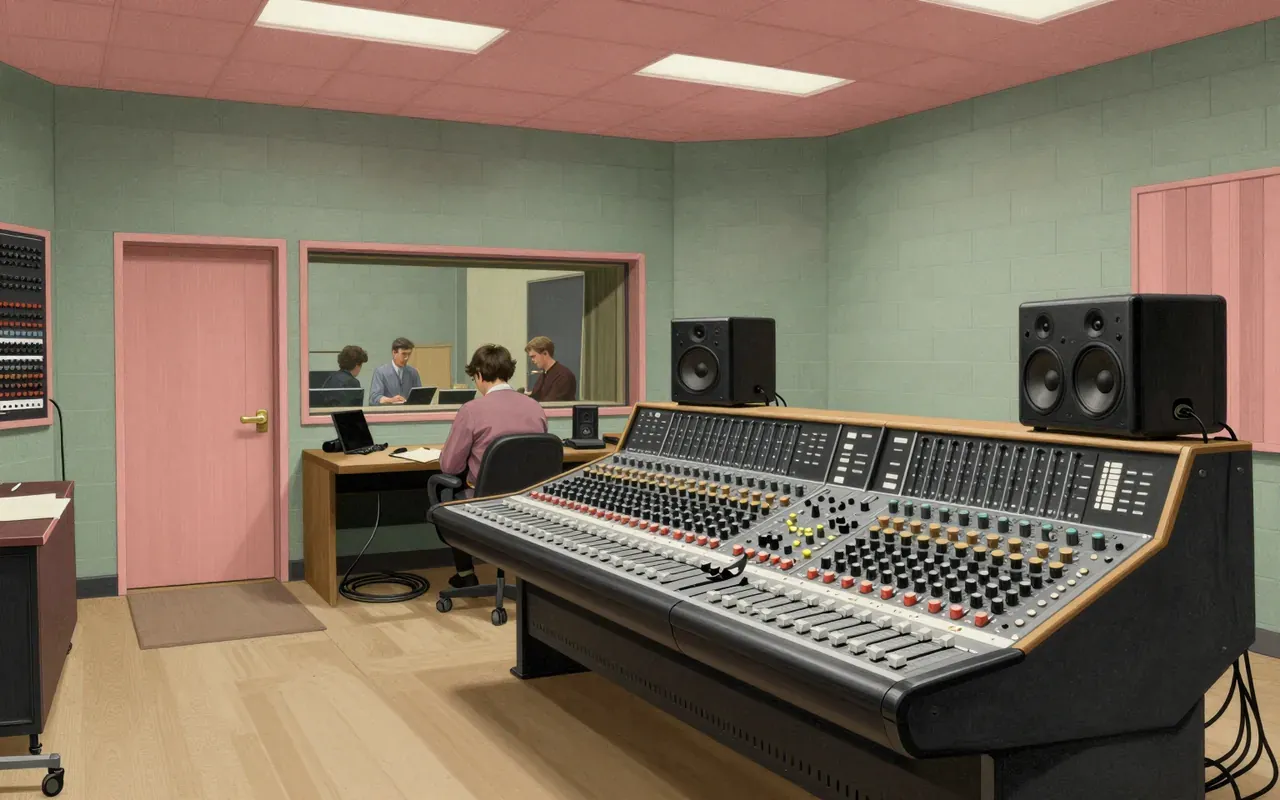
The TG12345 was Abbey Road’s first solid-state console, installed in late 1968 to enable 8-track recording. It had 24 mic inputs, 8 tape outputs, and per-channel compression and EQ — a leap from the tube-based REDD .51 and the four-track Studer J37. It did one thing decisively: expand track count while integrating dynamics and tone shaping into every channel. It offered no automation, no recall, and no adaptability beyond that fixed architecture. It belongs in a working historical studio, not a modern hybrid setup.
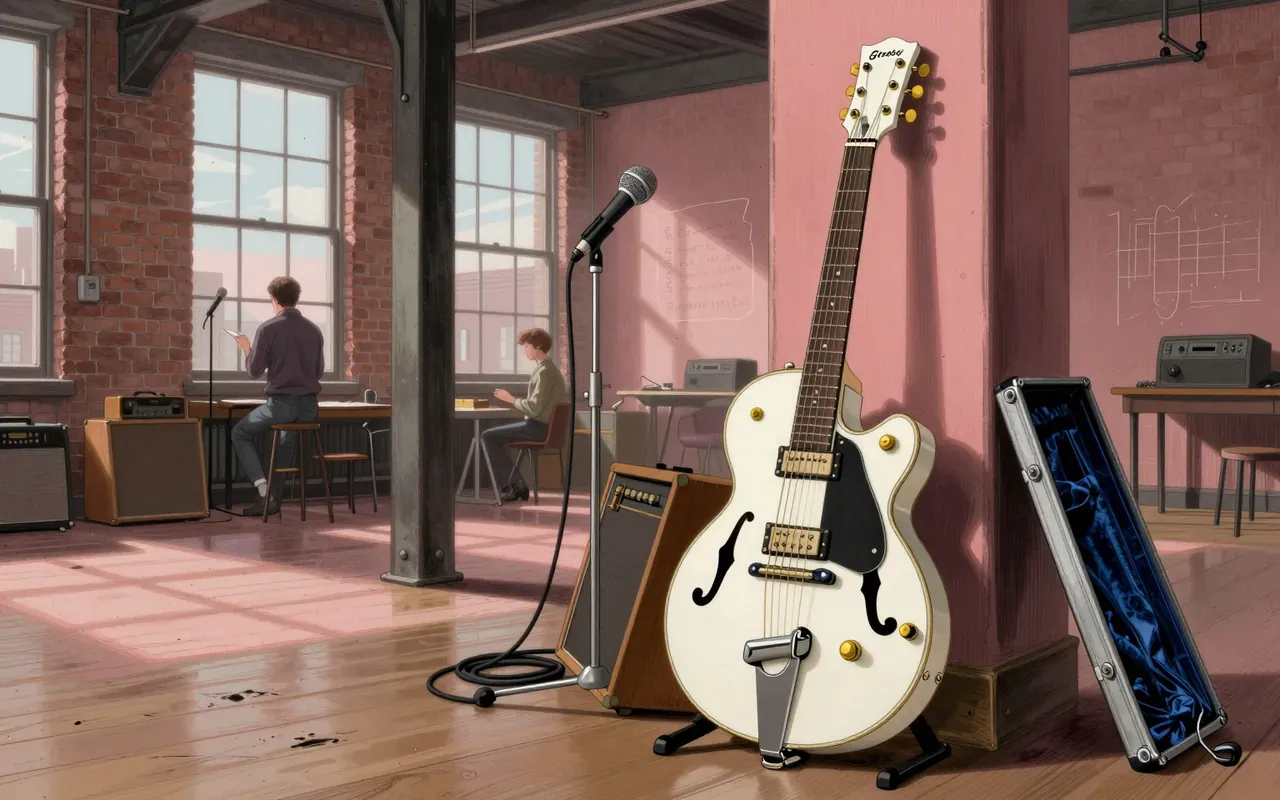
The Gretsch White Falcon is an electric hollow-body guitar introduced in 1954 as a non-commercial showpiece for the NAMM Convention. It was conceived by Jimmie Webster as an improvement over the Gibson Super 400. Strong demand led to rushed production beginning in 1955 under model number 6136. Gretsch marketed it as 'the finest guitar we know how to make – and what a beauty!' and priced it at $600 — second only to Gibson's Super 400CESN. Its finish design drew from Gretsch drum finishes and American car aesthetics of the era.
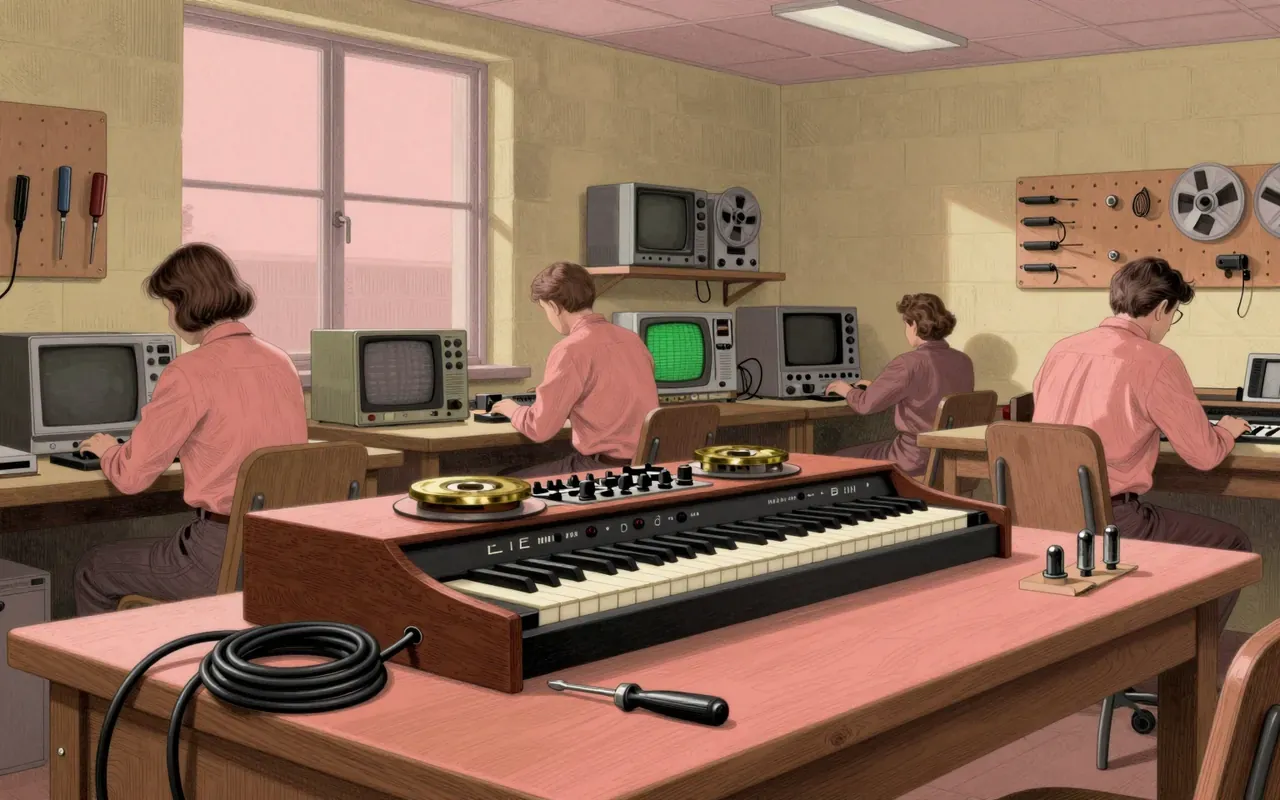
The Chamberlin M1 appeared in 1970 as a table-top, much more durable Chamberlin design. It dropped the rhythm tapes, rewound its tapes with a return-roller system and used higher-quality playback heads. About 130 were built before production ended in 1981.
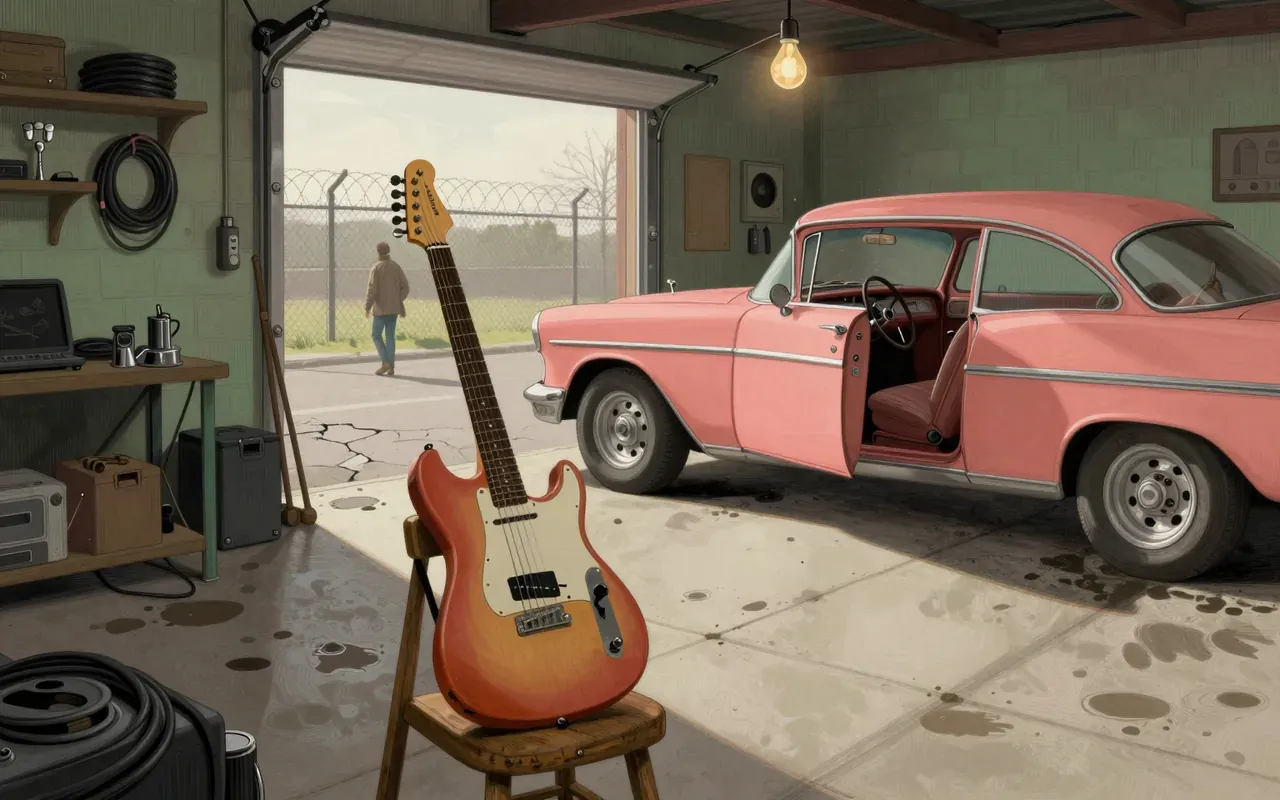
The 59DC was one of the first two reissues of Danelectro's Shorthorn line, sold between 1998 and 2001 with two pickups. The Shorthorn design it reissues is a dual cutaway hollow body of Masonite and poplar, with a Coke bottle style headstock and a seal shaped pickguard carrying stacked tone and volume knobs.
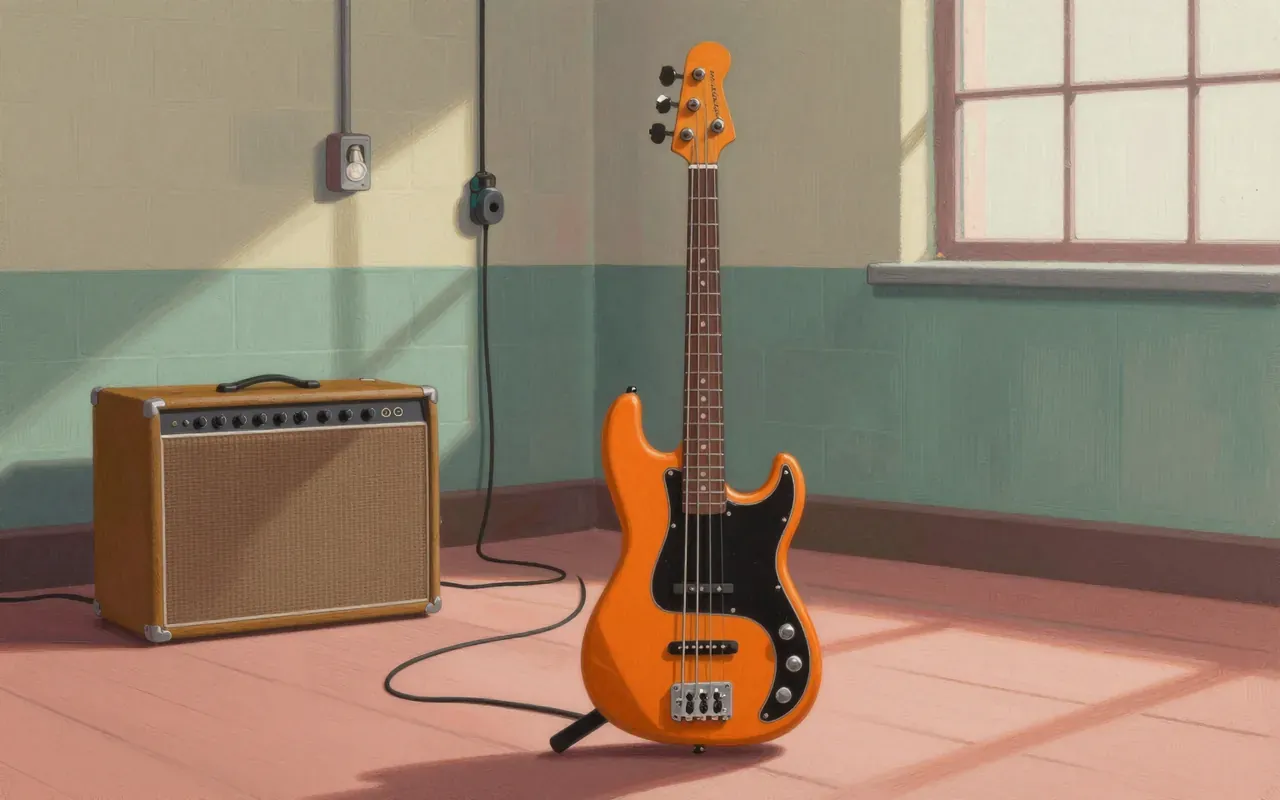
The Musicmaster Bass is a Fender student-model bass introduced in 1971 as a variant of the Mustang Bass, on the same body and neck shape. Where the Mustang Bass has a split-coil pickup, the Musicmaster has a single-coil pickup that is a six-pole Stratocaster guitar pickup under a solid plastic cover. Production ended around 1981, and Squier reissued it for one year in 1997.
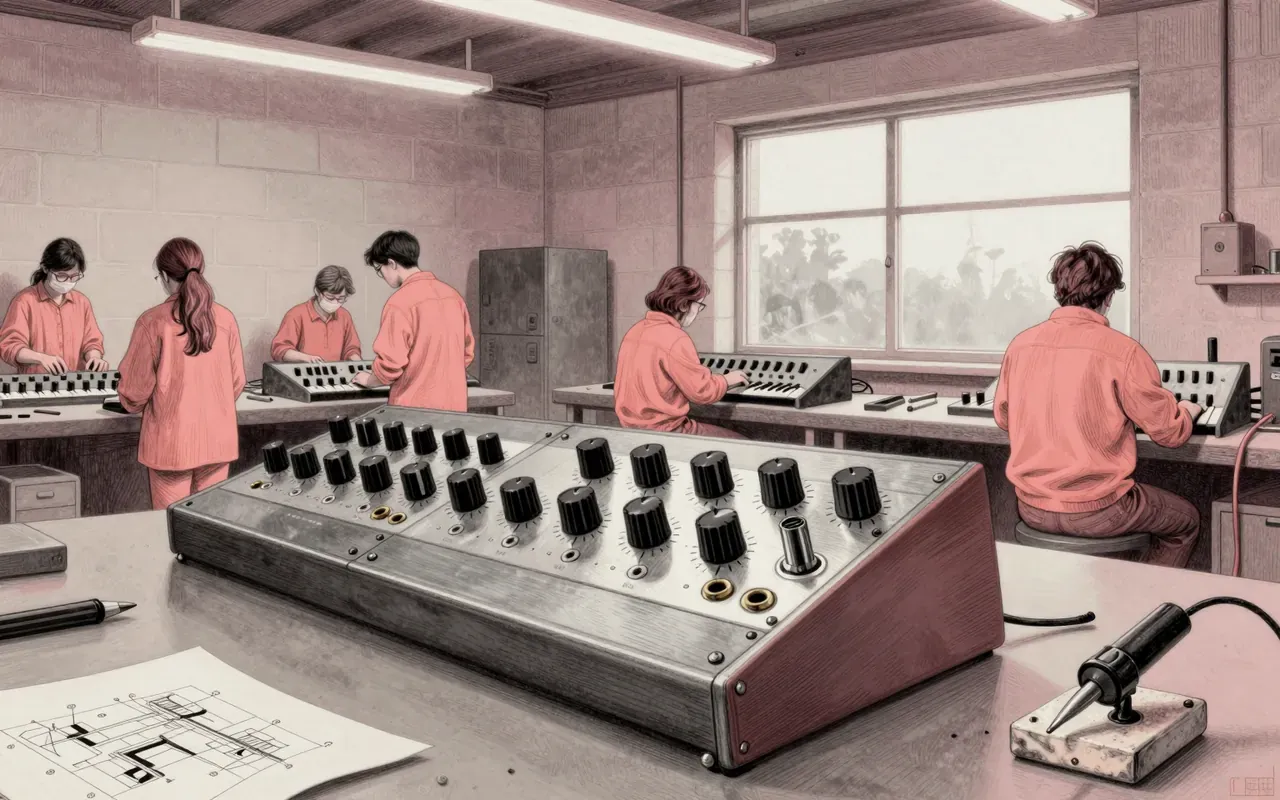
The Doepfer A-140 ADSR is a basic ADSR envelope generator for the A-100 modular system. It has no published specs. It has no CV inputs. It has no visual indicators. It does one job, simply.
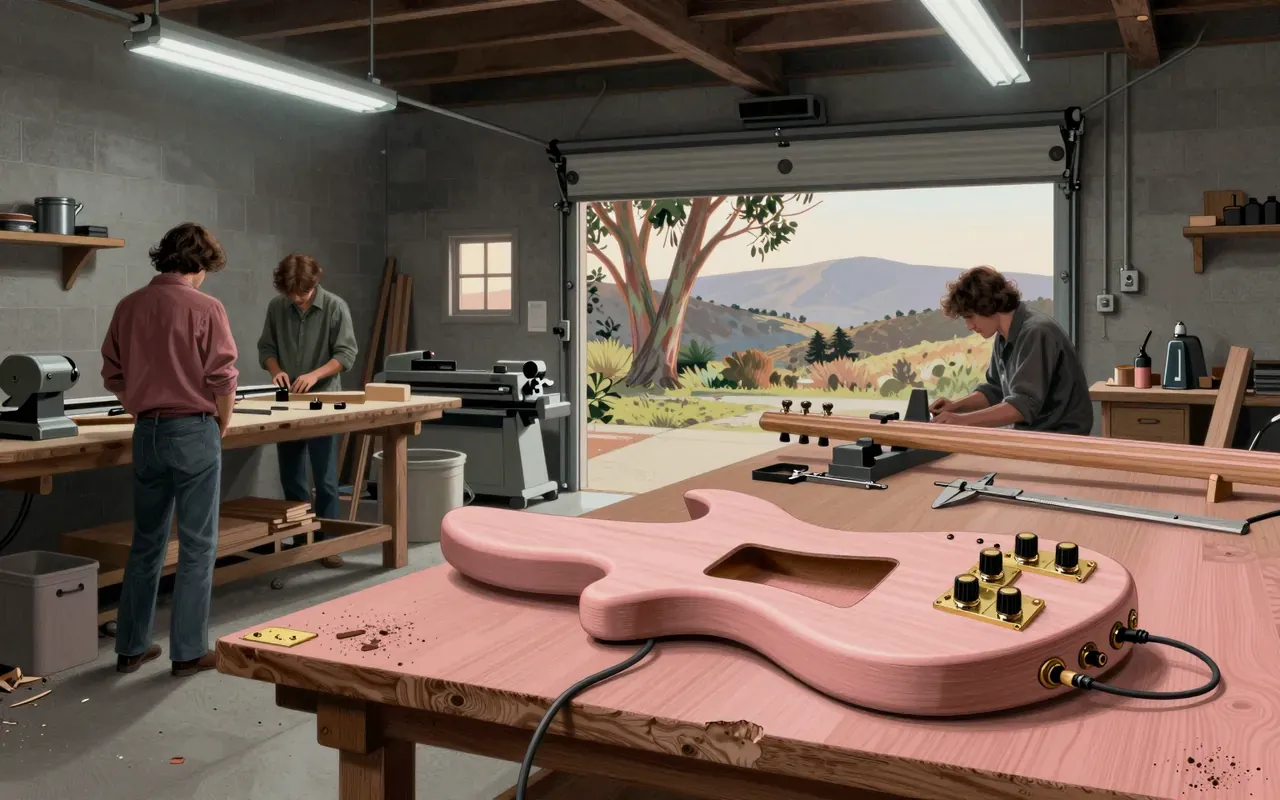
The Alembic Series II is a 4-string bass guitar with stereo output, a 30.75-inch short scale option, and individual low-pass filters with continuously variable Q per pickup. It differs from Series I only in stereo capability and price. No claims are made about tonal superiority, build innovation, or broader usability.
The AKG C414 B-ULS is a large diaphragm condenser microphone. It is one of 13 products in the AKG C414 series. The source material gives no further technical, historical, or functional detail.
The Vox AC4HWR1 AC4 Hand-Wired is a tube combo guitar amp in Vox’s AC Hand-Wired series. Its full model name includes ‘HWR1’, indicating hand-wired construction. No technical specifications are provided — power, speaker size, valve type, or circuit details are absent from the source material. It offers no documented sonic or functional distinction beyond its build method. It is not verifiable as an upgrade, alternative, or variant — only as a named model in a series.
The Bus Compressor is a software-only bus compression plugin made by IK Multimedia for the T-Racks series. It is categorised as a software compressor. No technical details, sonic traits, release date, or usage examples appear in the sources. It is not an SSL emulation. It is defined solely by its name, manufacturer, and category.

The JB Systems Compact is a no-nonsense 3-channel DJ mixer from 2008. It delivers reliable talk-over, basic EQ, and straightforward monitoring — all at entry-level cost and fidelity. It does not pretend to be more.

The AKG d202 is a dynamic microphone. That is all the material confirms. No specs. No year. No use cases. Just its category and its $299 price.

The Digidesign Digi 002 is a FireWire audio interface built exclusively for Pro Tools LE. It delivers four mic preamps, S/PDIF and MIDI, and autonomous digital mixing — but only within that narrow software ecosystem. It is desktop-formatted and non-rack-mountable. Its limits are defined by Pro Tools LE’s track count and host compatibility. It belongs in a period-correct studio, not a modern one.
The Ensoniq DP/4 is a rack-mounted digital multi-effects processor. It uses four 24-bit DSPs to process four signals in parallel. Input gain is adjustable for saturation. Effects are intentionally non-realistic. Transformer noise occurs when idle. Front-panel editing is cumbersome. MIDI control via MIDIQuest is unreliable. The manual is unusable. An internal battery is user-replaceable.
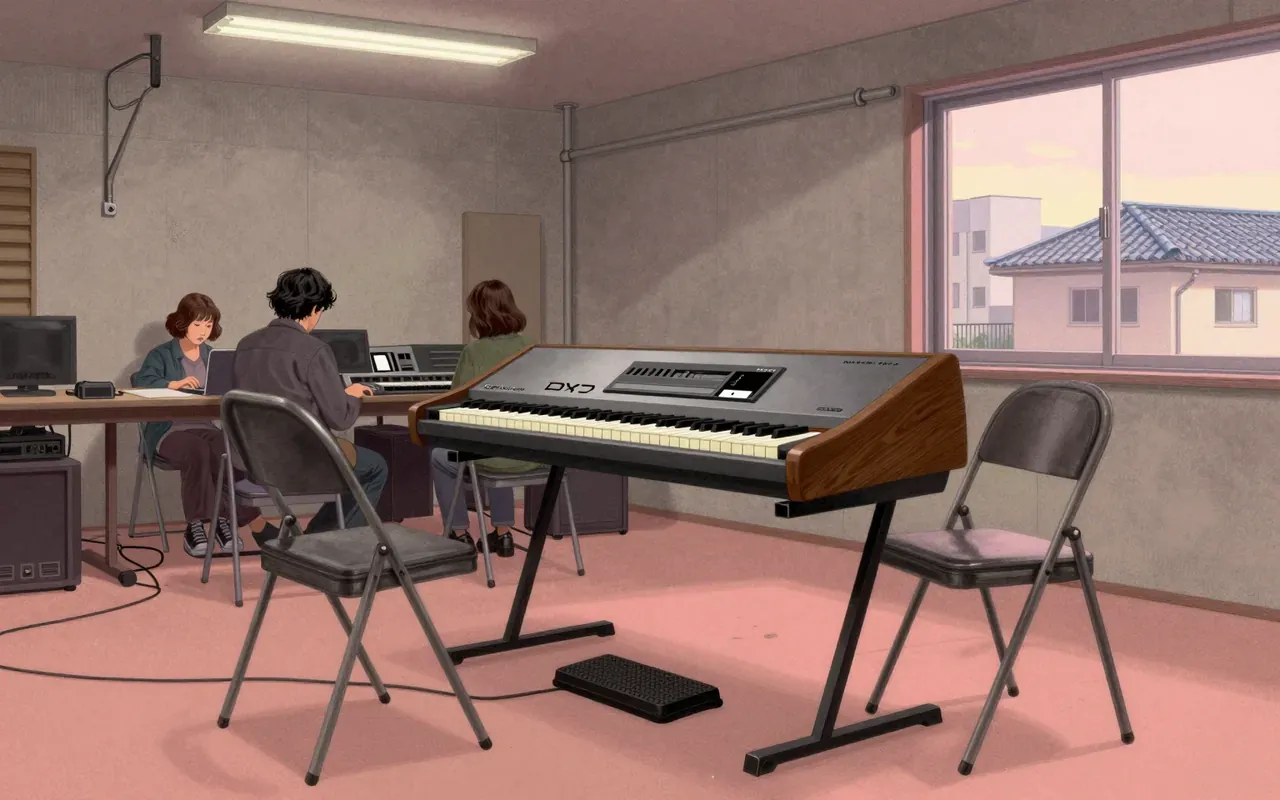
The Yamaha DX7 II FD Centennial is a 76-key, fully-weighted FM synthesizer released in 1987. It delivers 16-voice polyphony, a built-in sequencer and arpeggiator, and 64 user presets. Its interface is menu-driven and lacks real-time controls. It serves players who prioritise weighted-action playability and integrated sequencing over flexible sound design.
The Portico 5033 is a parametric EQ in Rupert Neve Designs’ Portico series. No technical specifications are published. It offers hands-on control but no documented performance metrics.
The QMMG is a filter module for modular synthesizers. That is all the sources confirm. It is made by Make Noise. It belongs in the category 'Filter modules for modular synthesizers'. Nothing else is verified.
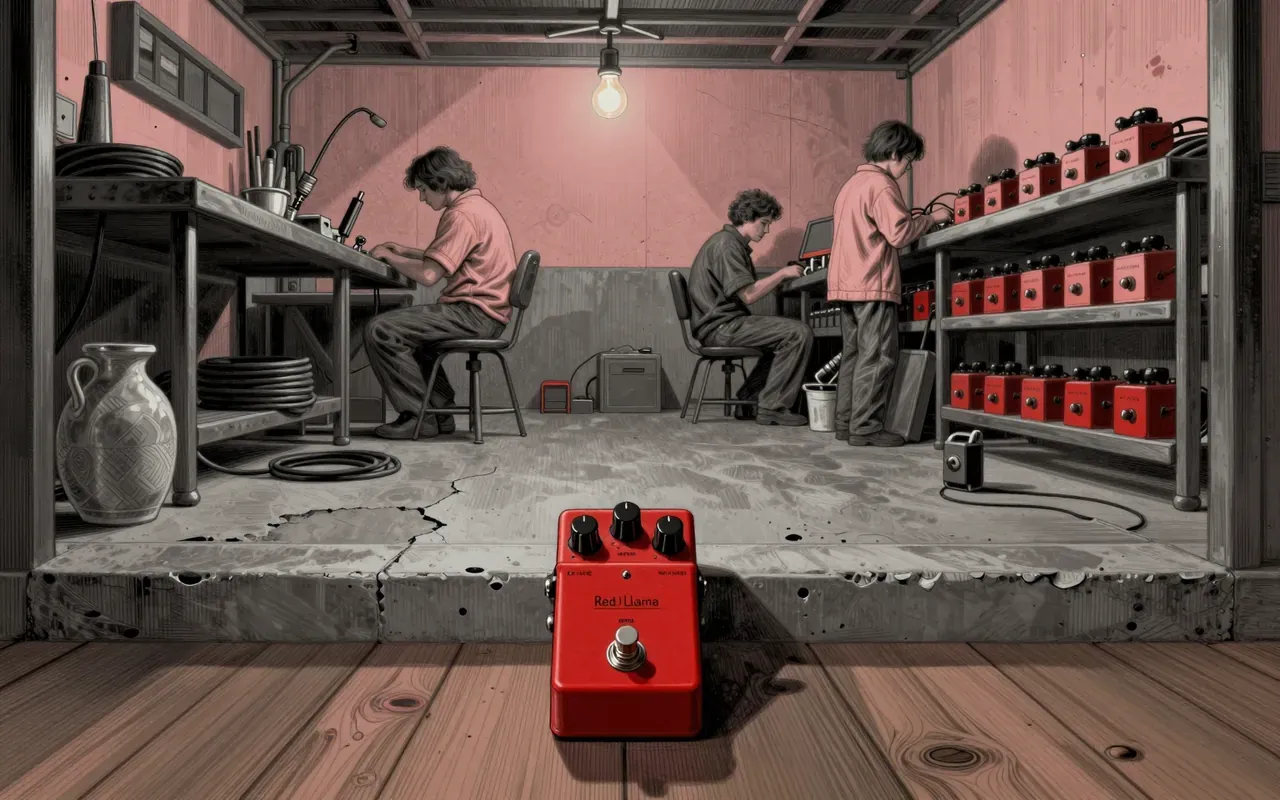
The WM23 Smalls Red Llama Overdrive MKIII is an overdrive pedal made by Way Huge Electronics. It costs $150 including VAT. That is all that is verified.
The Tannoy Reveal is a discontinued passive monitor. It delivers dynamic, clear sound with surprising output for its size — but trades neutrality for listenability. Its low end fades before 65 Hz. Its stereo image depends on precise tweeter alignment. Magnetic shielding works flawlessly near screens. Users call it hi-fi, not monitoring — loudness-coloured, not flat.
The Marshall Silver Jubilee 2555 is a software amp simulator by Softube. It belongs to the Amp Room series. It has no published technical specifications. It is not hardware. It is not a standalone application. It is a plugin for digital audio workstations that host Amp Room.
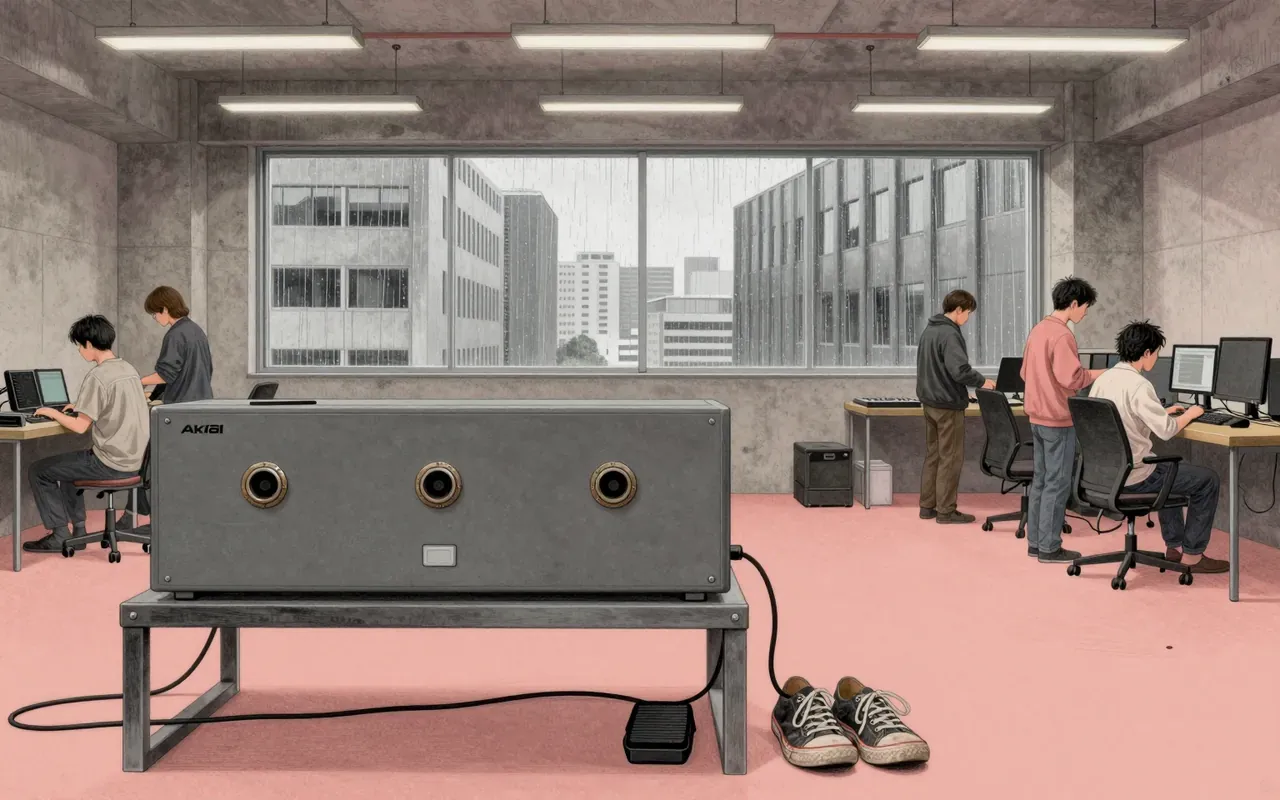
The Akai XR10 is a budget drum machine released in the early nineties. It plays fixed PCM drum sounds from ROM. It has four modes, no backlight, no MIDI Thru, no internal amp or speakers. It is simple, stable, and silent until patched out.
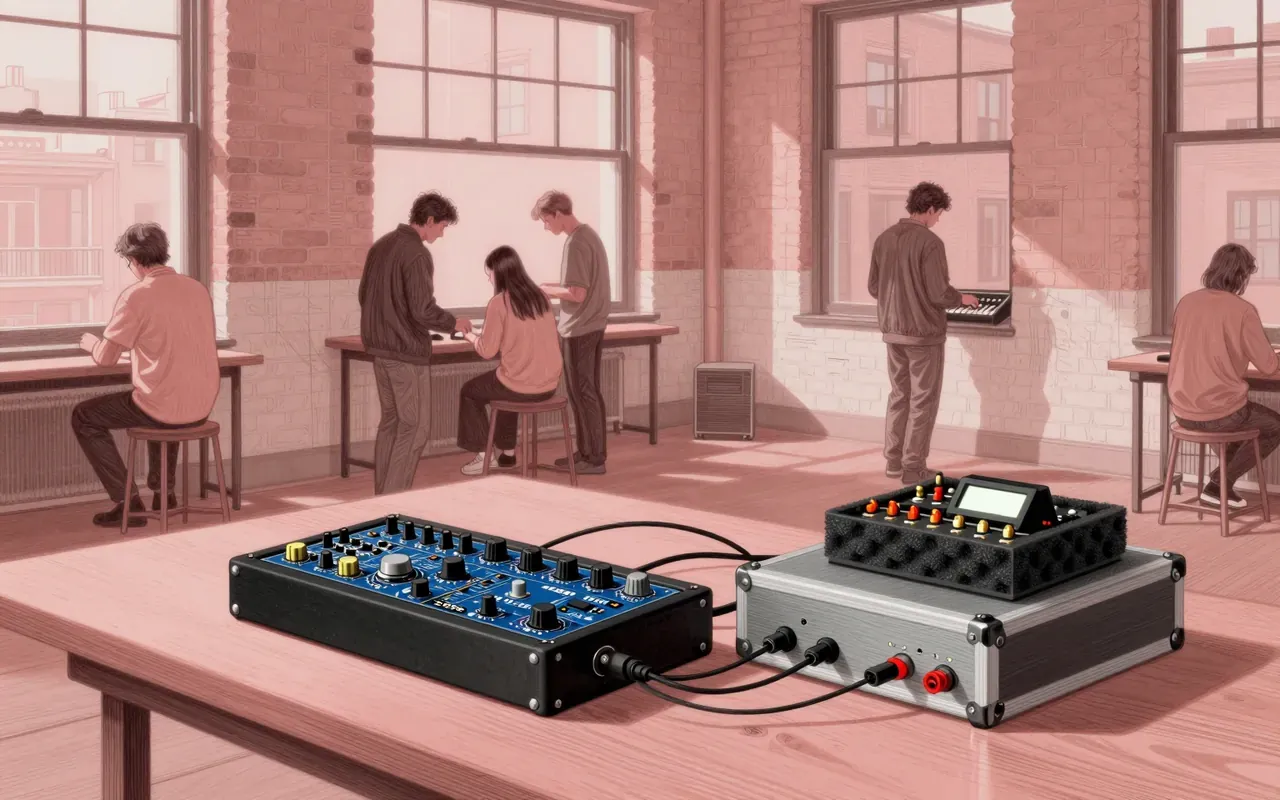
The Z-DSP is an effects module for modular synthesizers. Tiptop Audio makes it. That is all the source material states.

The Roland S-50 is a 61-key 12-bit sampler keyboard introduced in 1986. It uses variable sampling rates (15–30 kHz), stores samples on a 3.5-inch DSDD floppy disk drive, supports external CRT monitor editing, and holds up to 32 samples. A rack-mounted version with expanded memory was also available.
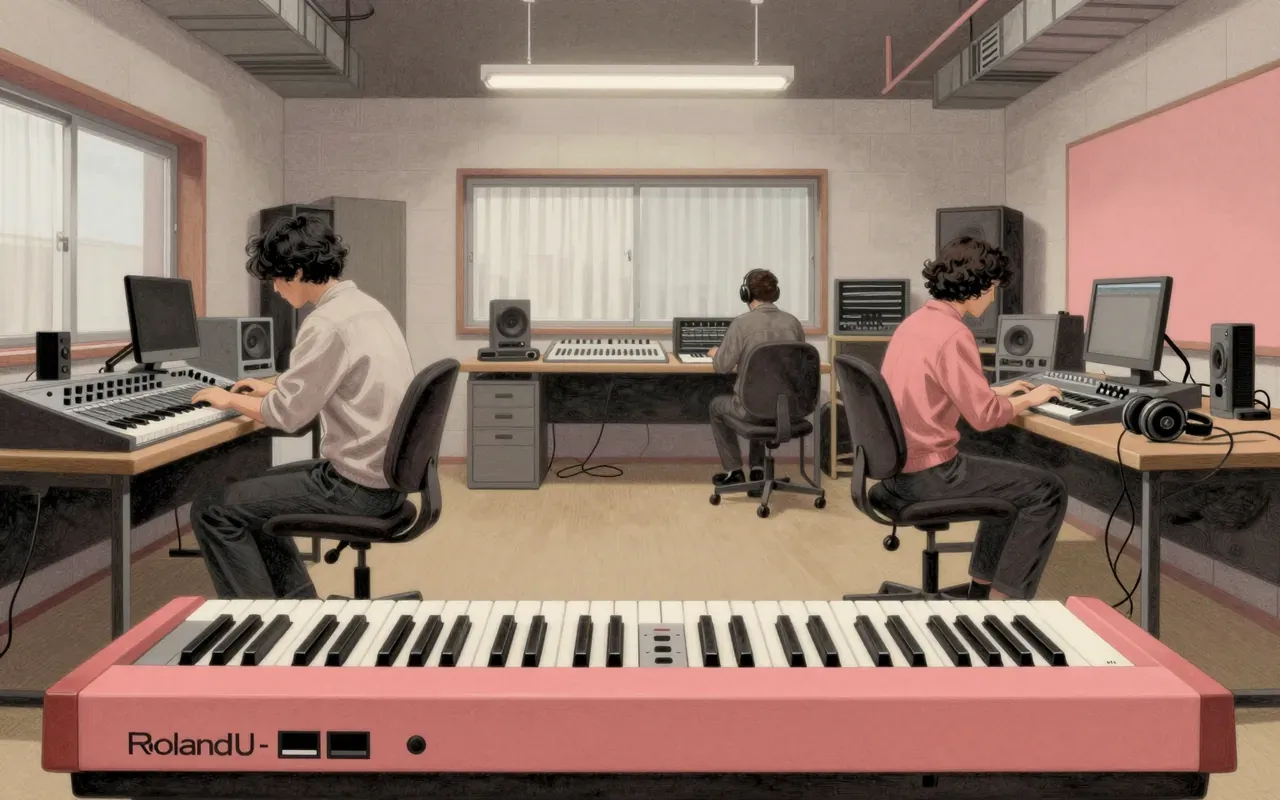
The Roland U-20 is a 1989 PCM-sample keyboard that plays back stored sounds with no filtering. It uses ADSR envelopes and DSP effects like reverb and chorus for limited modification. It supports expansion via the M-256E RAM card and two ROM PCM-card slots. Its lack of filters and impractical aftertouch are documented drawbacks.
The dbx 120XP is an undocumented studio effect that generates subharmonics. Its operation is opaque. Its design yields no known advantages over alternatives. Its utility depends entirely on tolerance for uncertainty.
The AKG C414 EB is a large diaphragm condenser microphone. It is one of 13 products in the AKG C414 series. No technical, historical, or functional detail beyond that is provided in the source material.
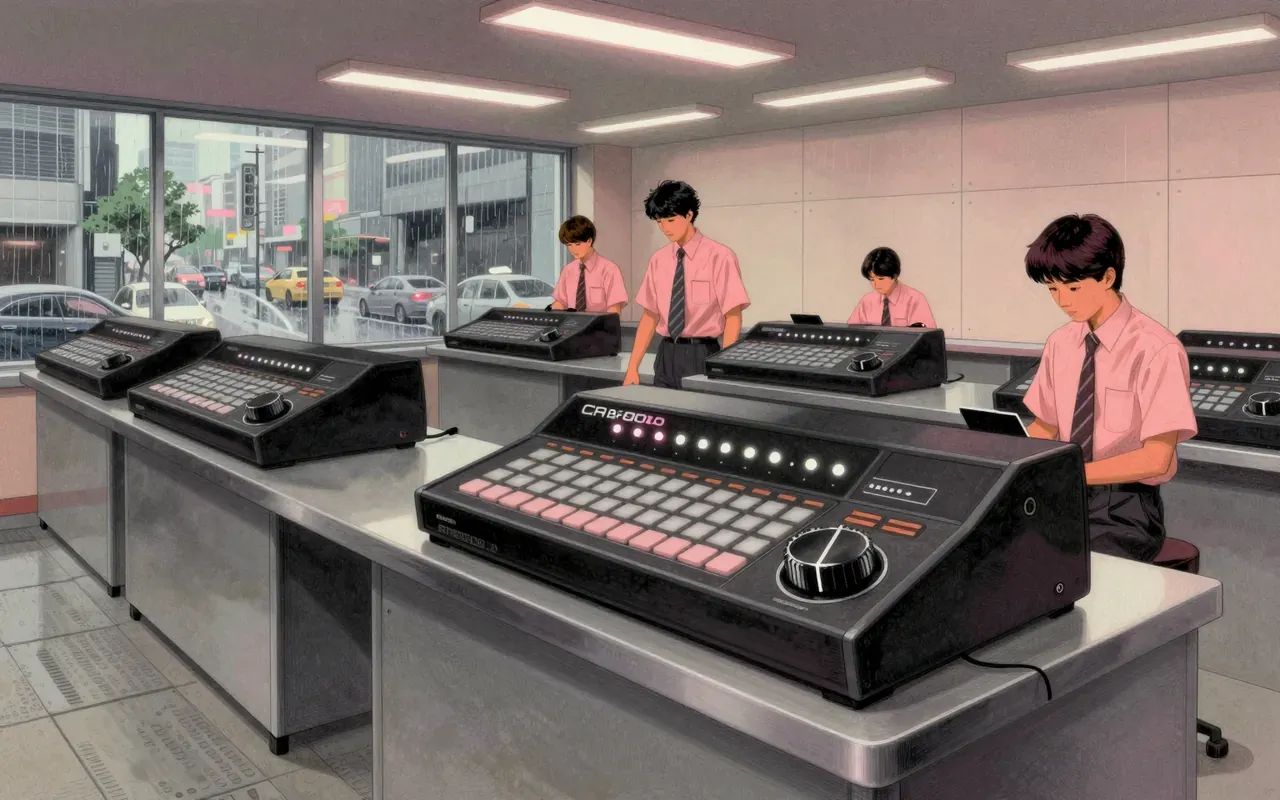
The Roland CR-8000 is a non-editable analog drum machine from 1980/81. It gives you 13 fixed drum sounds, one mono output, eight user-programmable patterns, and a unique groove knob that alters timing and timbre simultaneously — especially in the hi-hats. That groove cannot be sampled. Everything else is compromised: the sequencer is poorly programmed, the control panel fails under external use, and there are no built-in effects. Artists including Fluke, BT, Jimmy Edgar, and Blondie used it. It belongs in a collection, not a production chain.
The Boss RV-2 is a fixed-function digital reverb pedal. It gives guitarists six preset spaces — no editing, no tone control, no stereo input. It is stomp-box-only. It runs on nine volts. It is discontinued. It was Boss’s first reverb.

The Soundcraft 2400 is an analog mixer made by Soundcraft. No technical specifications are published. Nothing else is confirmed.
A fixed-function digital floor pedal for guitar. Eight synth-effects deliver octave, fifth and third on demand. No editing. No true bypass. An always-on preamp degrades tone even when off. AC-powered. Stereo out. One treadle. That’s all.
The Yamaha DM2000 is a discontinued digital mixer console built for professional live sound reinforcement and studio tracking/mixing.
The Genelec 1022A is an active monitor in the Genelec 1000 series. Genelec manufactured it. That is all the source material confirms.
The API 215L is a 500-series filter module with no published technical specifications. It exists only as a hardware component for users already invested in API’s ecosystem. Its utility is narrow: it adds API’s transformer-coupled colour to filtered signals, but offers no modulation, no bypass, and no documented response curve. It is not a synthesiser filter, not a creative sound-design tool, and not usable outside a compatible rack.
The TC Electronic 2290 P Dynamic Digital Delay is a guitar-focused delay, echo, and phrase sampler. No technical specifications are available. Its package weight is 1.7 kg. Nothing else is verified.
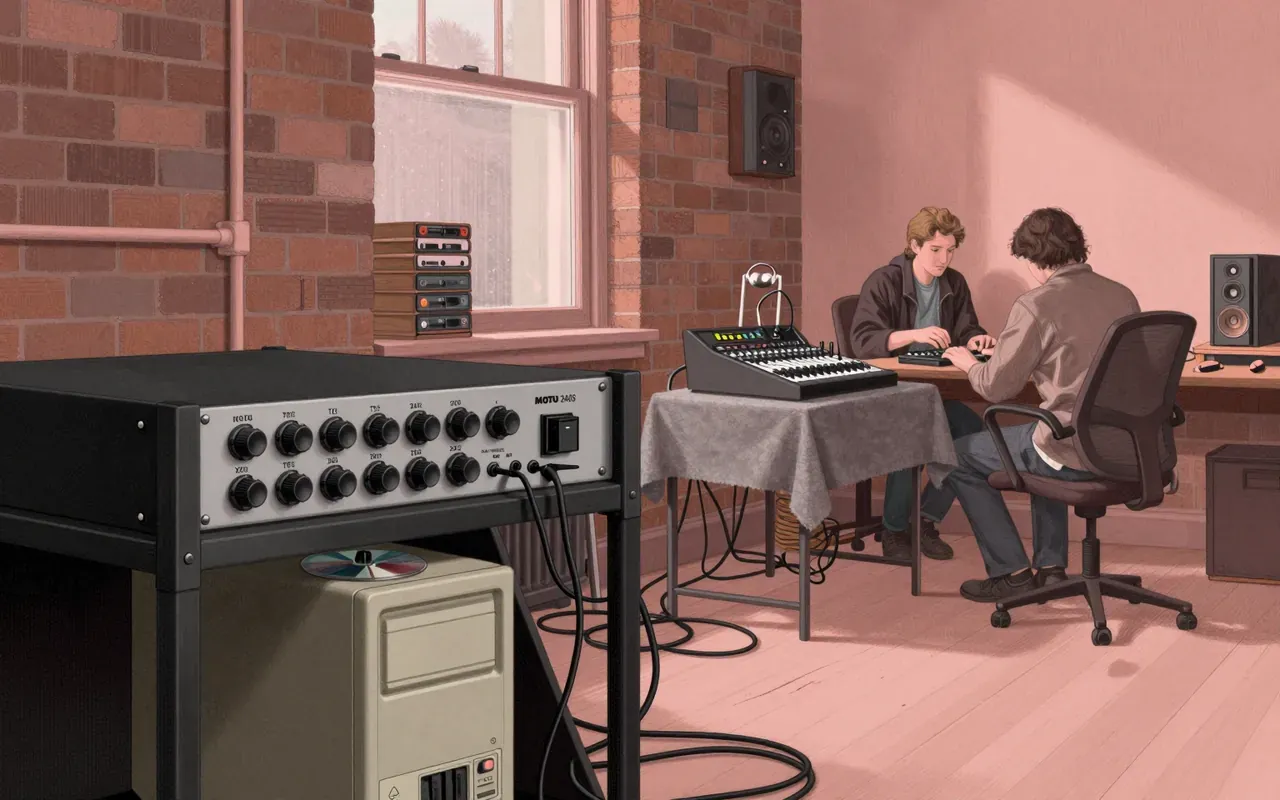
The MOTU 2408 is a discontinued PCI/ISA rack-mount soundcard built for multitrack recording and mixing in home and project studios.

The Neve 31102 is a UAD-exclusive software graphic EQ. It has no published technical specifications. It offers fixed-band EQ only. It requires UAD hardware to run. It makes no claim to model any specific Neve hardware circuit.
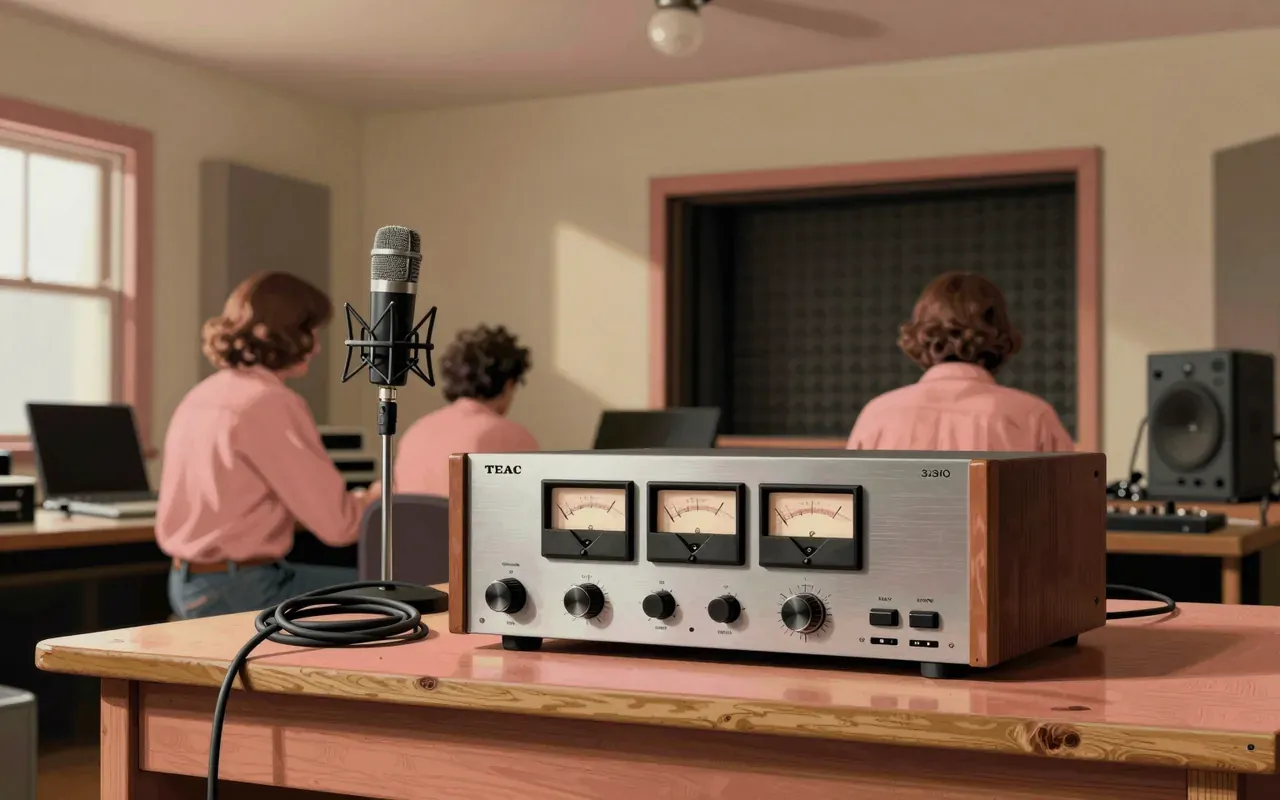
The TEAC 3340S is an analog multitrack recorder with no available technical specifications. It is identified only by category and alternate name spellings. Nothing is confirmed about its operation, sound, reliability, or creative use.

The Digidesign 888 I/O is a 16-bit analog/digital converter with eight XLR inputs, eight XLR outputs, and digital I/O via AES/EBU and S/PDIF. It was used in home studios, often alongside the 24-bit 888/24. It offers no processing, no preamps, and no variable gain — just fixed-path conversion. Its value lies only in compatibility with legacy Pro Tools TDM systems.
The Lindell Audio 902 De-Esser is a software de-esser. It has no published technical specifications. It belongs to the software de-esser category. That is all that is known.
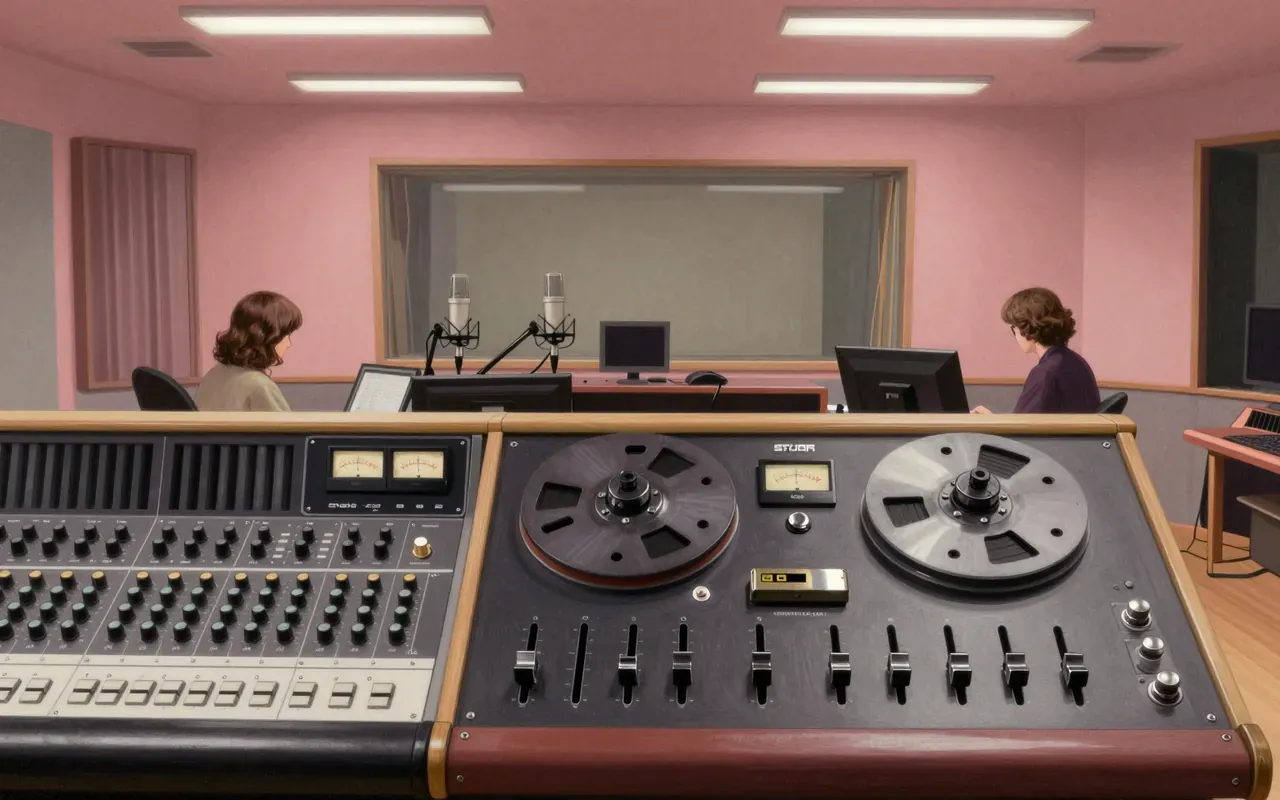
The Studer A810 is an analog multitrack recorder that functions reliably in steady-state operation. But it fails sharply and obscurely after power interruptions. Troubleshooting those failures is very hard. One user explicitly prefers the A807 over the A810. Nothing is stated about its format, track count, year introduced, or what recordings were made on it.
The API 2500 Bus Compressor is a UAD Plug-In. That is all the sources confirm. No function, no sound, no interface, no history, no use case is stated. It exists only as a named item in a software category.
The BA-6A is a software compressor by Antelope Audio. No technical specifications are available. Its controls, behaviour, and sonic role are undocumented. It exists only as a named category and a set of alternate spellings.

The Pioneer CDJ-100S is a discontinued tabletop DJ player. It loads CDs reliably. It has pitch control and effects users praise. Its cue point system is obsolete. It is outperformed by the CDJ200, CDJ800, and DNS1000. Users deployed it in live events but declined to repurchase it due to age. Its build quality remains high — but that does not compensate for functional limitations.

The Tube-Tech CL 1B MKII is a Universal Audio software compressor plugin. Nothing more is verified.
The Boss CS-2 Compression Sustainer is a guitar compressor/sustainer. This unit is a modified version branded 'Fat Old Comp' by MSM Workshop. No technical specifications are provided.
The Fostex D-80 is a dynamic, cardioid microphone built for singing and trumpet. It handles high sound pressure like an SM58 — but delivers a 'crunchy', 1980s-evoking sound the user found in an attic. It offers no features beyond its fixed polar pattern and raw output. It belongs only where that specific texture is the goal.
The Digidesign Digi 001 is the original Pro Tools audio interface. It is a rack-mountable PCI/ISA soundcard with two mic preamps, phantom power, gain knobs, -25 dB pads, front headphone output, MIDI, eight outputs (including monitor outs), and six line inputs. It connects via D-Sub and serial port — not FireWire or USB — so it is incompatible with laptops and newer computers. It is obsolete outside legacy systems.

The Waves BSS DPR-402 is a plugin rendition of a hardware dynamics processor. It is categorised as an 'other effects bundle or multi-effect'. No technical details are given. No usage examples are cited. It exists as software, not circuitry.
The Audio Electronics EchoCzar does not exist in the provided material. The instrument named is the Toneczar Echoczar. Audio Electronics is not mentioned anywhere in the sources.
The Telefunken ELA M 250 is a large diaphragm condenser tube microphone made by Telefunken Elektroakustik. That is all the source confirms. No specifications, no use cases, no sonic characterisation, no historical context — just category, type, and maker.
The Telefunken ELA M 251 is a large diaphragm condenser tube microphone made by Telefunken Elektroakustik. It belongs to the category of large diaphragm condenser tube microphones. Nothing else is verified.
The MXR Flanger is a guitar flanger pedal. No technical specifications are available. It belongs in the category of flangers for guitar. That is all the material confirms.
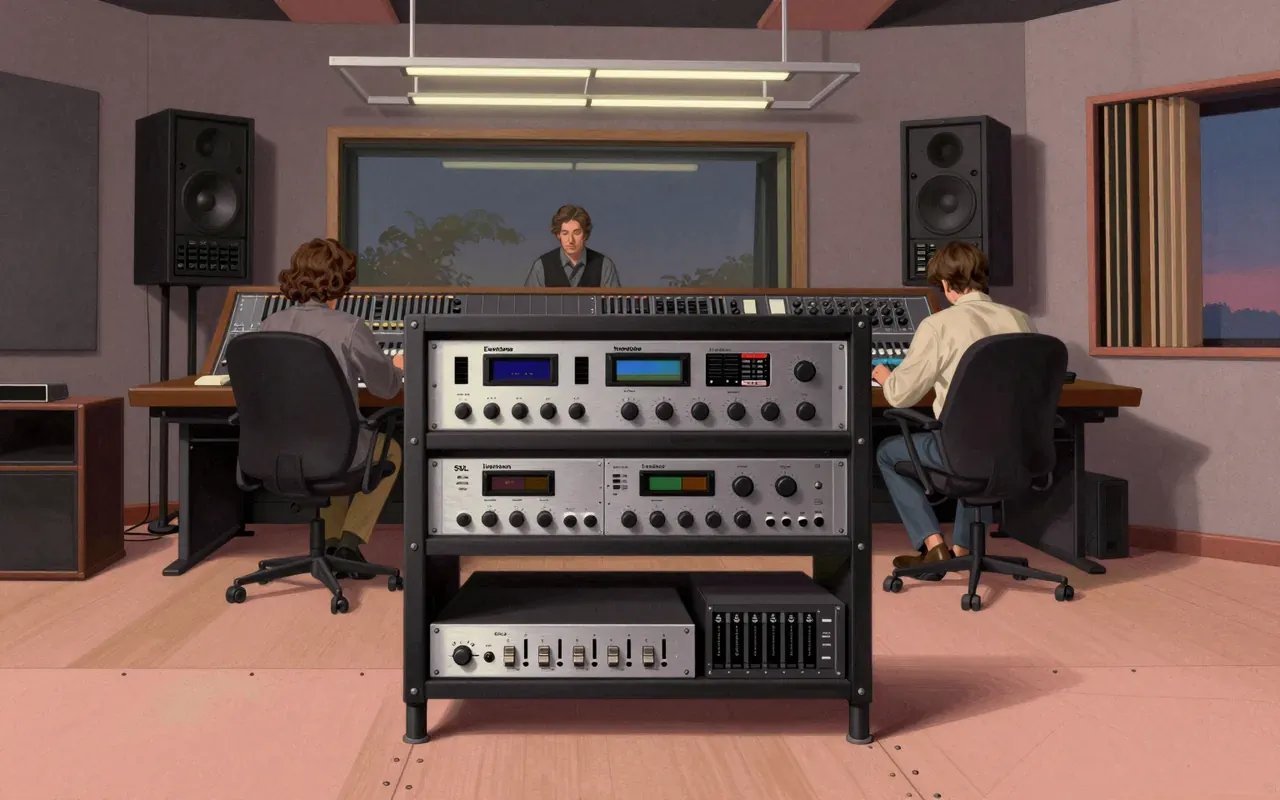
The Eventide H949 Harmonizer is a pitch shifter and time stretcher. It has no published technical specifications. It is also known as H949Harmonizer, H 949 Harmonizer, and H 949Harmonizer.
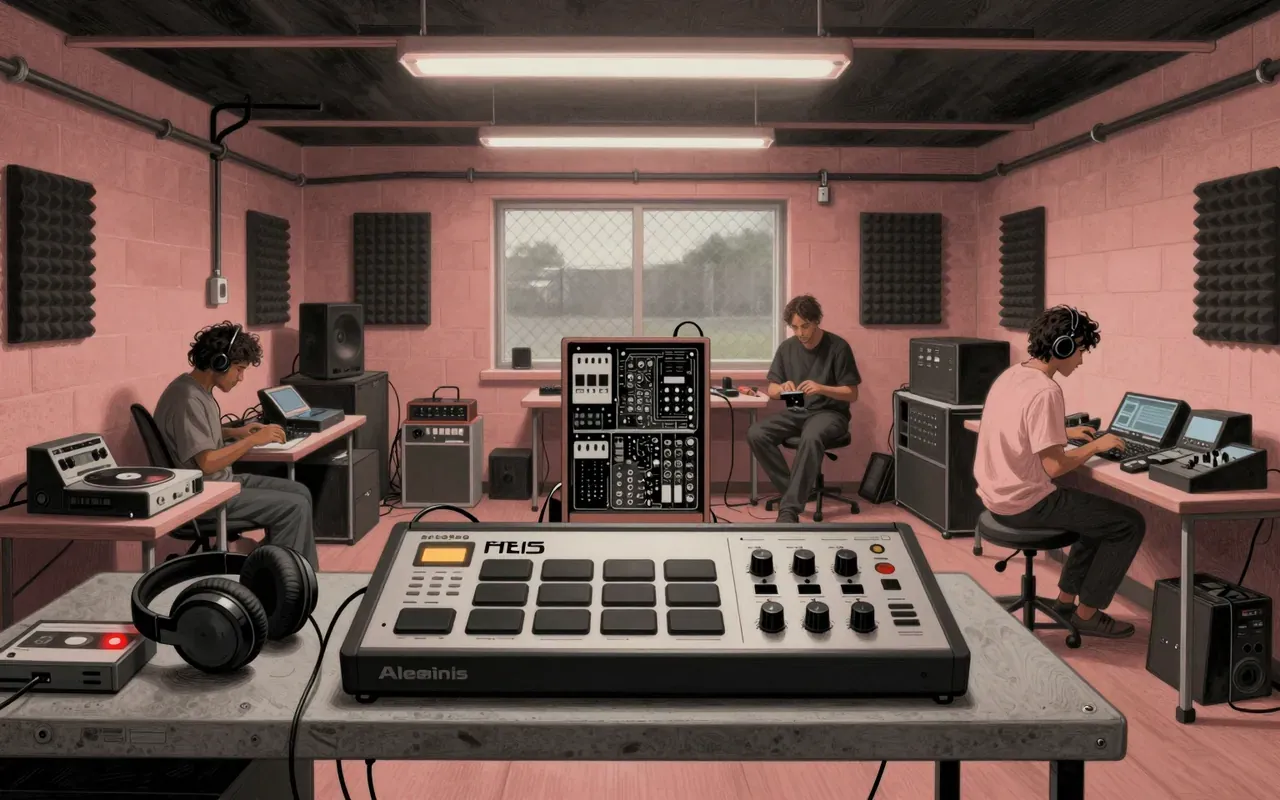
The Alesis HR-16 is a 1987/88 drum machine with 49 16-bit samples — 10 kicks, 7 snares, and an ethnic set — each tunable and mixable with individual level controls. It supports step or real-time pattern programming, 16-voice polyphony, and syncs via MIDI or external click. Its drum sounds are described as 'pretty cheesy'.
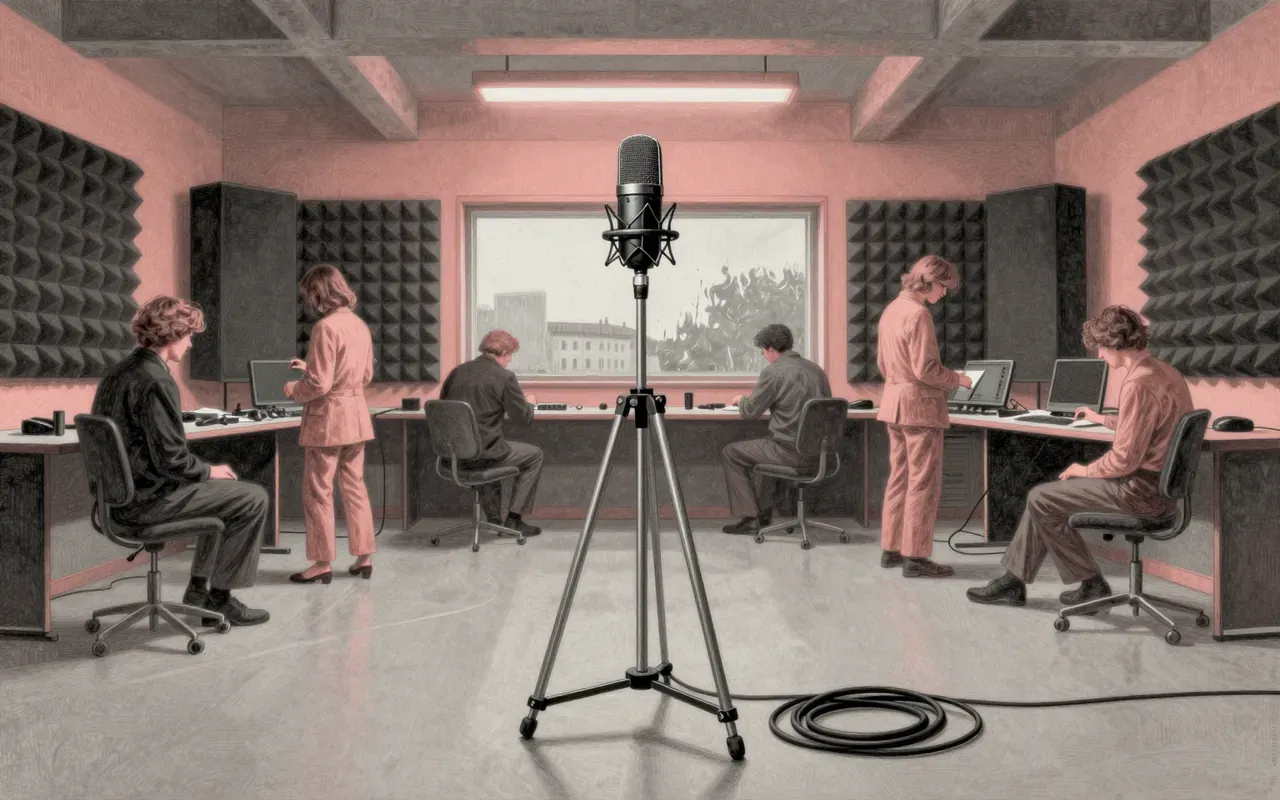
The Neumann KM 56 is a small diaphragm condenser microphone in the KM series. It belongs to the category of small diaphragm condenser microphones. It is also referred to as ‘km 56’ or ‘km56’. No technical specifications are provided.

The UREI/JBL LA-4 "s" is a studio compressor. UREI and JBL made it. No technical specifications are available. That is all the sources say.

The Oberheim Matrix-6 is a discontinued analog synthesizer made by Oberheim. No technical details, availability or usage context are given in the source. It exists only as a named category and manufacturer claim.
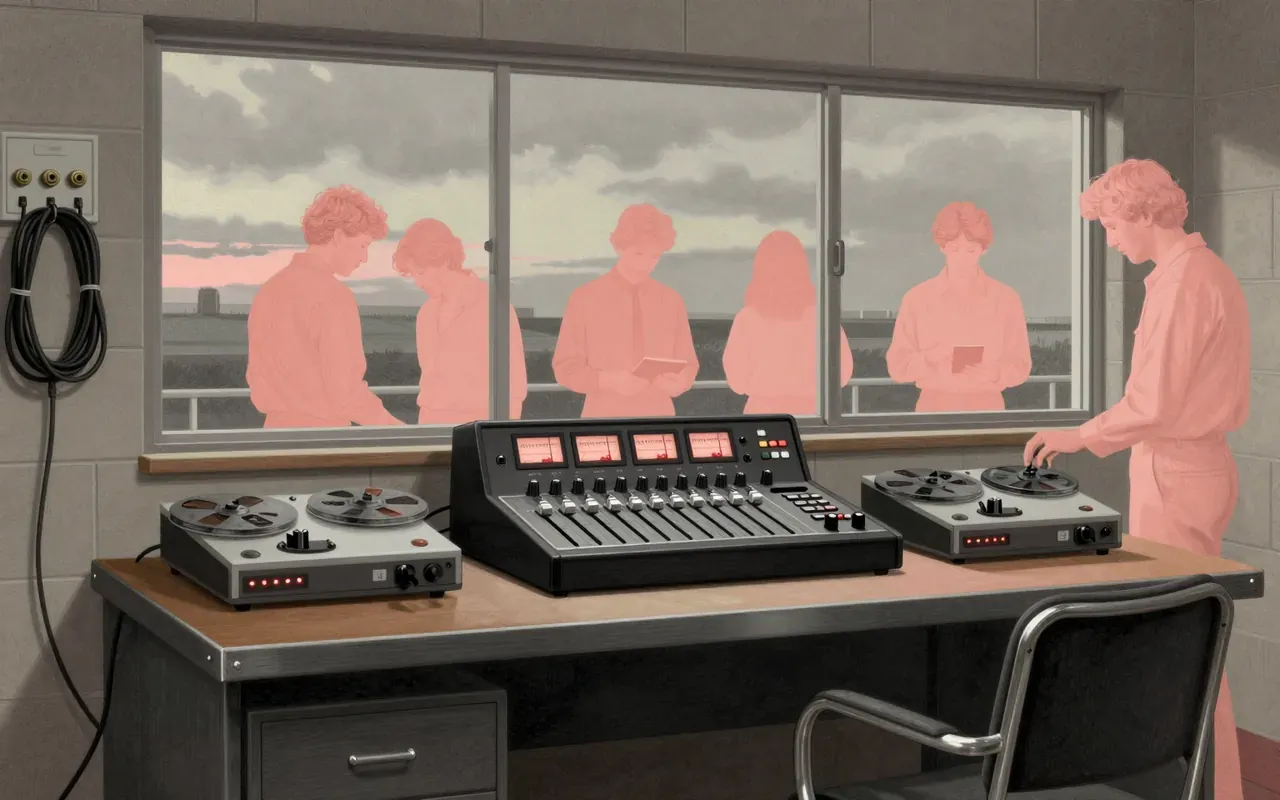
The Gemini DJ MM-1000 is a 3-channel analogue mixer. It offers no EQ, no effects, no headphone output, no crossfader, and no cueing. It exists only to sum three line-level signals and send them to one output. Its value lies entirely in its simplicity and reliability — not in versatility or sonic character.

The Buchla Music Easel is an analog synth with no technical specifications. That is all that is verified.
The Aerial7 Phoenix is a HiFi/audiophile headphone. It belongs to the Street series. It is made by Aerial7. It has an alternate name: phoenixchino. Nothing else is verified.
The Tascam Portastudio 246 is an analog multitrack-studio. No technical specifications exist for it. It belongs to the category of Analog Multitrack-studios.

The Epiphone PR-100 is a Chinese-made, US-designed dreadnought acoustic guitar with 22 frets, a mahogany neck, rosewood fretboard, and plastic bridge. It has no electronics or controls. It is built for unamplified play only.
The Digidesign Pro Tools|24 Mix + is a discontinued PCI DSP board for Pro Tools|24 systems. It requires Pro Tools 6.4.1 and Mac OS 10.3.8. Installation is difficult. Setup is simple. Once running, it performs reliably and professionally.