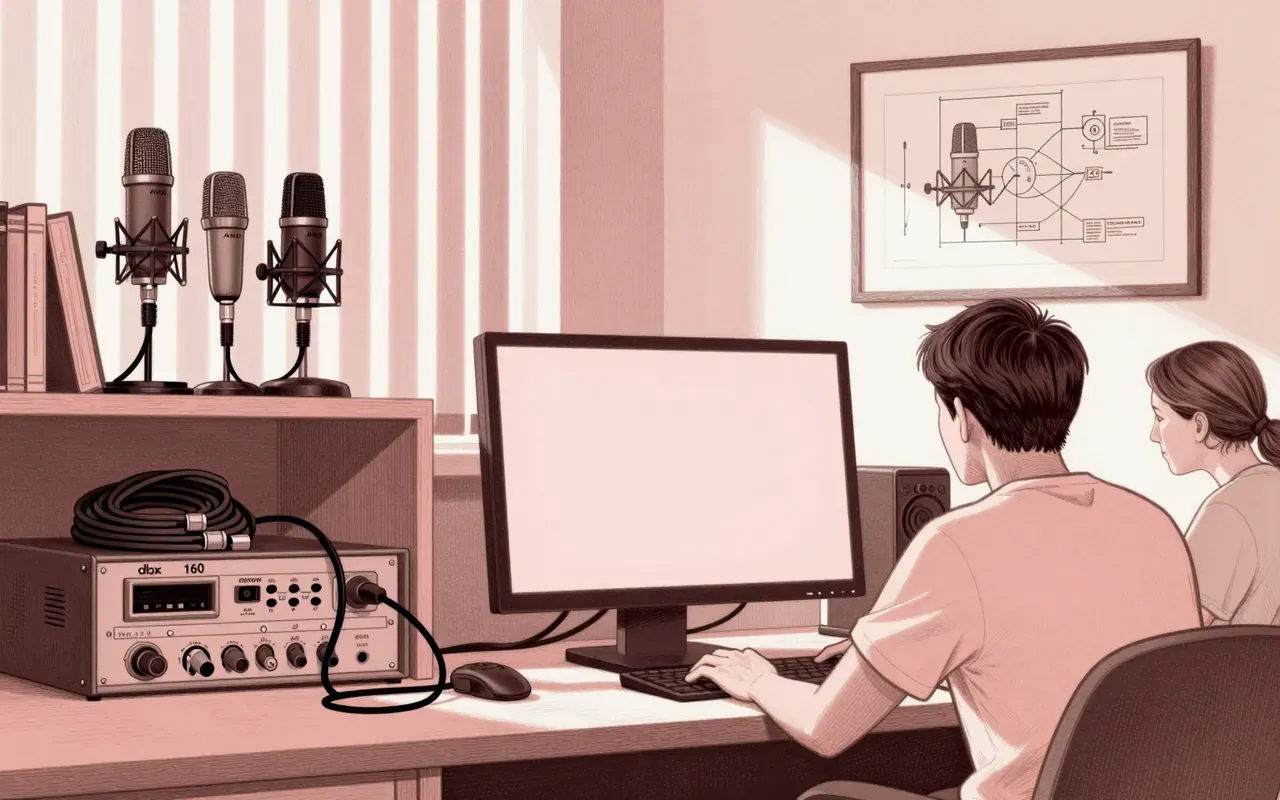
dbx 902 De-Esser
dbx
The Lindell Audio 902 De-Esser is a software de-esser. It has no published technical specifications. It belongs to the software de-esser category. That is all that is known.
The Lindell Audio 902 De-Esser is a software de-esser. It has no published technical specifications. It belongs to the software de-esser category. That is all that is known.
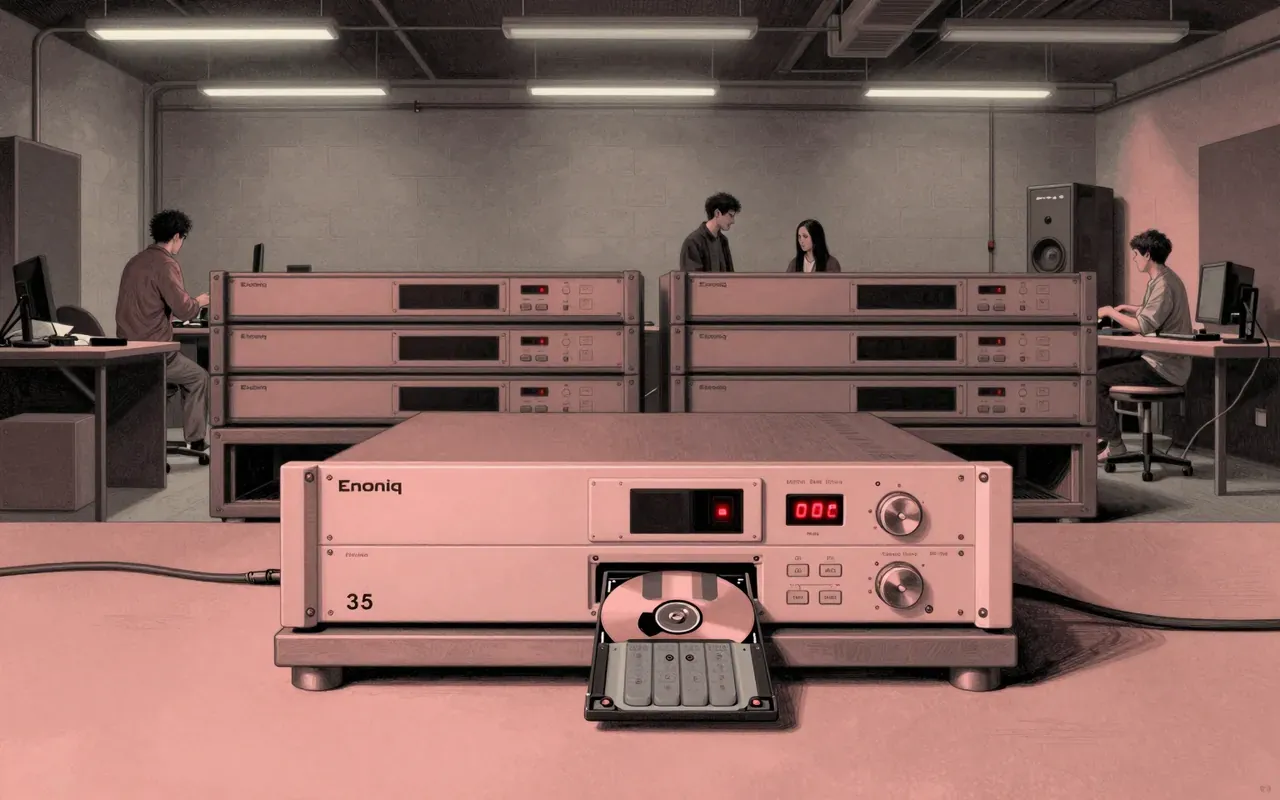
The Ensoniq Mirage is an 8-bit sampling keyboard introduced in late 1984 as Ensoniq's first product. It offered eight-voice polyphony, analog Curtis CEM3328 filtering, and wavetable synthesis via alternative OS. It booted and stored data on a built-in 3.5-inch floppy drive — one of the first consumer uses of that format. Priced at $1695, it sold 8,000 units in its first year, undercutting the Fairlight CMI and E-MU Emulator.

The Access Virus is a series of DSP-based virtual analog synthesizers introduced in 1997 and updated through the TI series. It offers subtractive, phase distortion, and FM synthesis—with wavetable added from the TI generation onward. Formats include rack modules (Virus B, C, TI Snow), keyboard versions (Virus KB, TI Keyboard, TI Polar), and fixed control layouts. It prioritises polyphonic stability, real-time editing, and aggressive tonal character over tactile expressivity or modern integration.

The Yamaha CS-5 is a 1978 monophonic analog synth with one oscillator, a multi-mode 12 dB/Oct filter, and an LFO with sample-and-hold. It has no patch storage, no MIDI, no velocity sensitivity. It is built for immediacy — not recall.
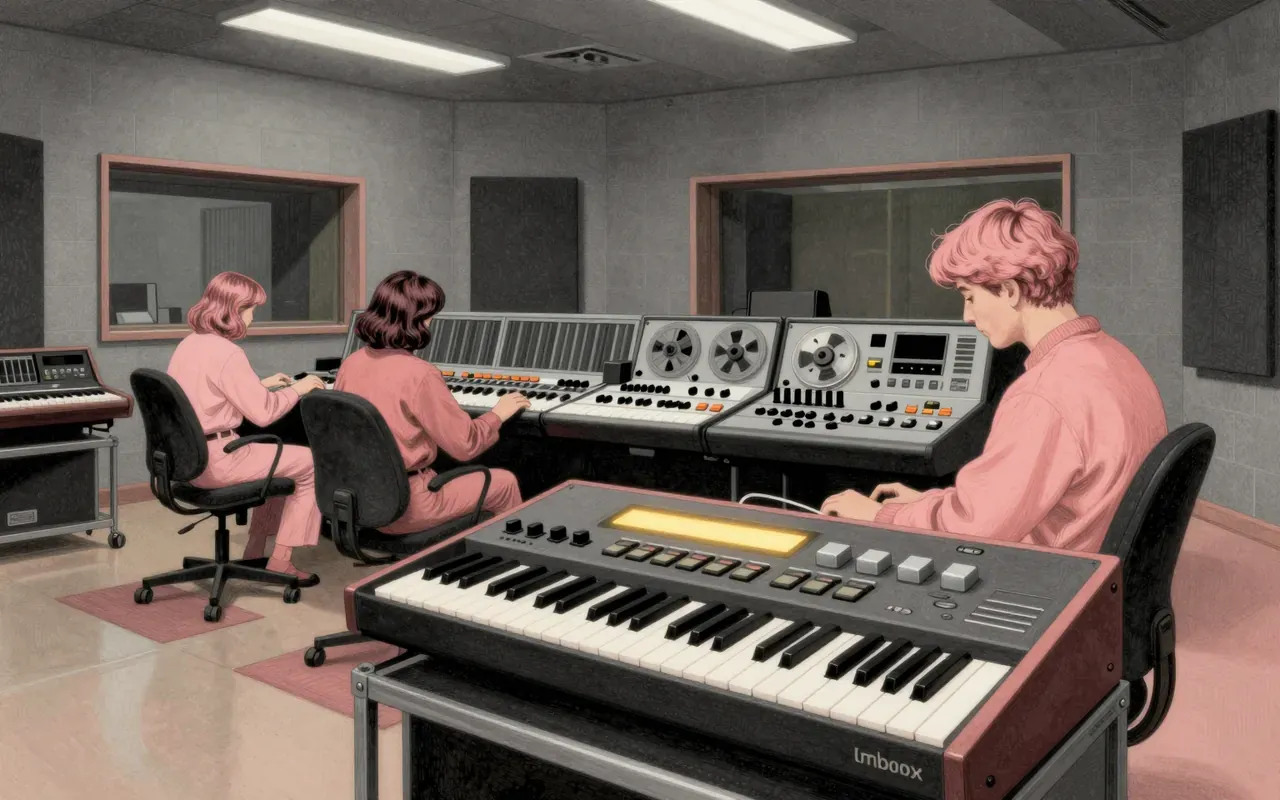
The E-mu Emulator III is a 1987 digital sound production system. It was E-mu's biggest and most professional sampler-synthesizer before the 1990s. It was the first sampler to offer 16-bit, 44.1 kHz stereo or mono sampling. RAM is 4 MB expandable to 8 MB. It includes extensive sample editing features including looping and rate conversions. Its on-board 16-track sequencer and arpeggiator are superb. It is equipped with MIDI, SMPTE, SCSI, a built-in disk drive, and multiple outputs. A Macintosh can be hooked up for graphical editing because the LED screen is so tiny.

The Buchla Music Easel is an analog synth with no technical specifications. That is all that is verified.
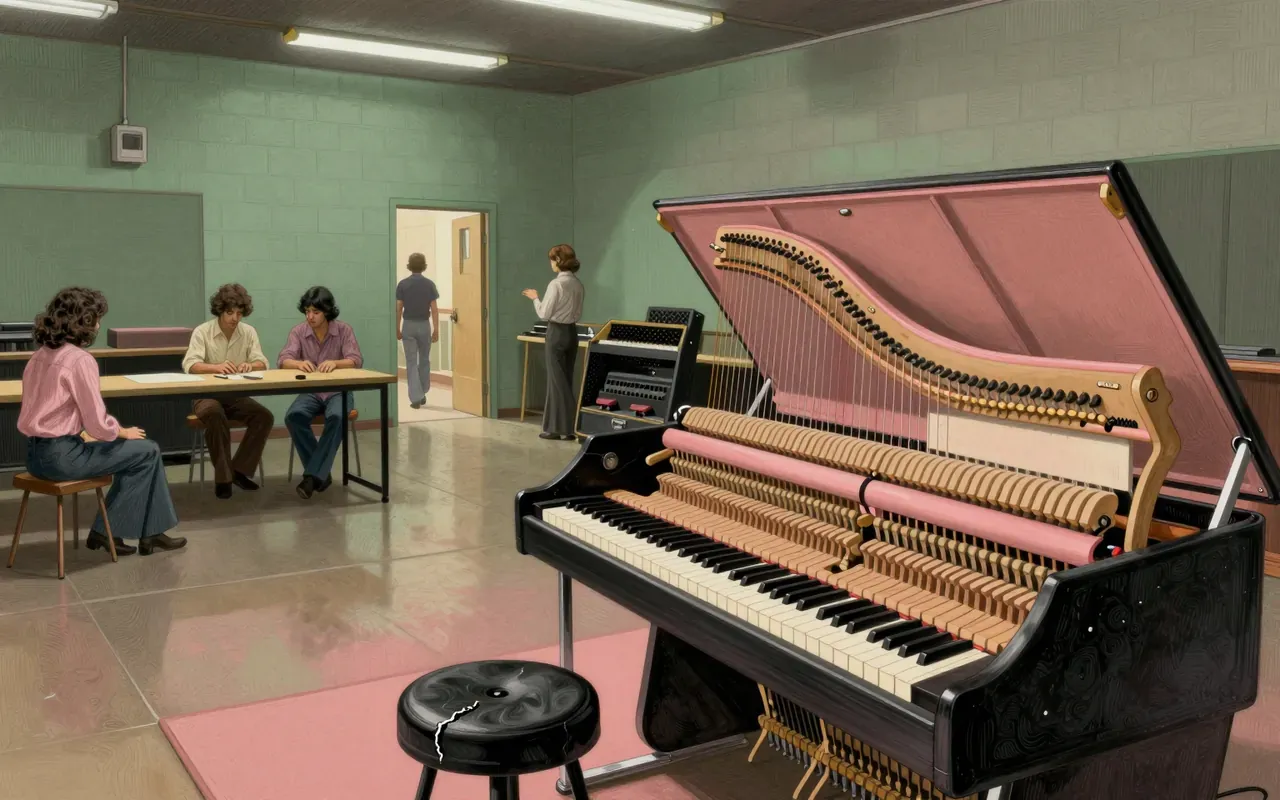
The Rhodes Mark II Stage Piano is a Fender-built electric piano in the Rhodes series. No technical specifications are available. Its value is $900. That is all that is known.
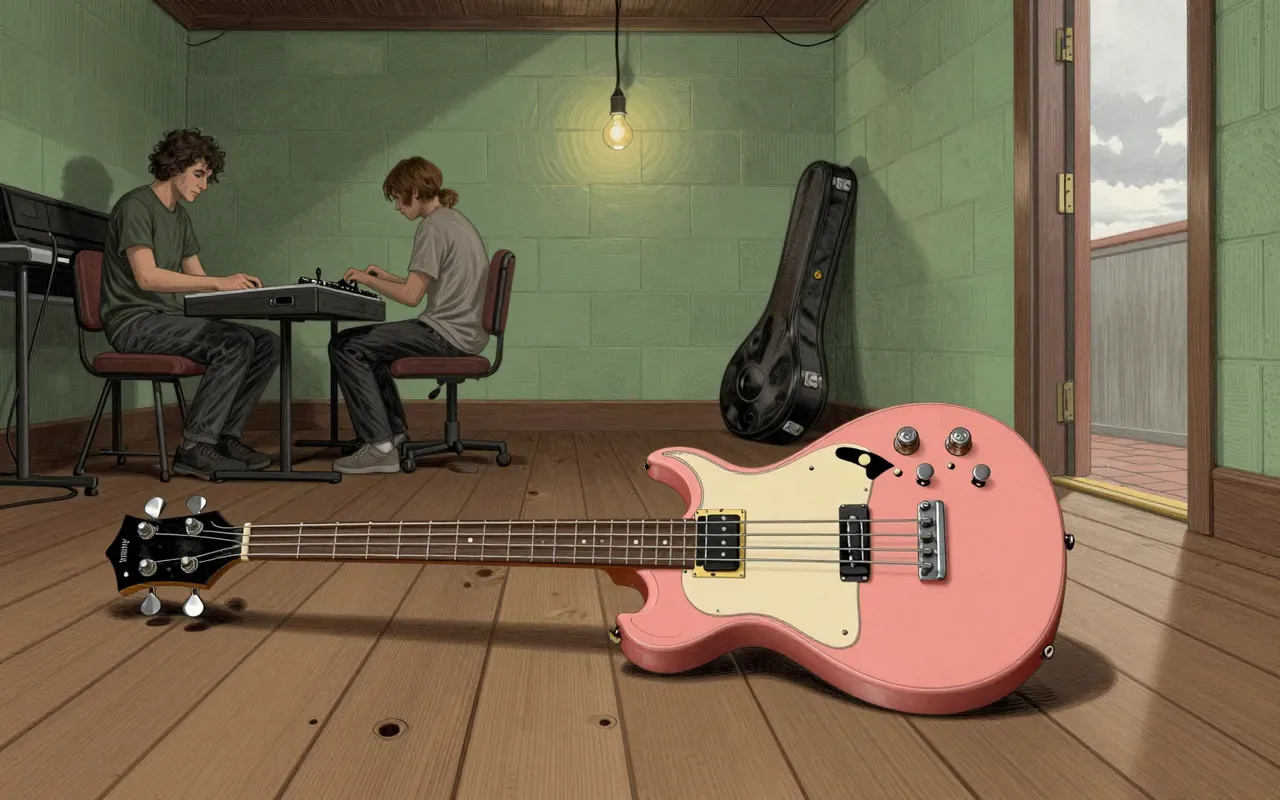
The Gibson EB-3 is a short-scale bass built for midrange punch, not low-end authority. Its 30.5" scale, slim SG-style body, and asymmetric pickup pair — large humbucker at the neck, mini-humbucker at the bridge — define its physical and sonic identity. The four-way rotary switch offers distinctive tonal options, including two that deliberately roll off low frequencies. It was produced from 1961 to 1979. Exactly 14,167 were made.
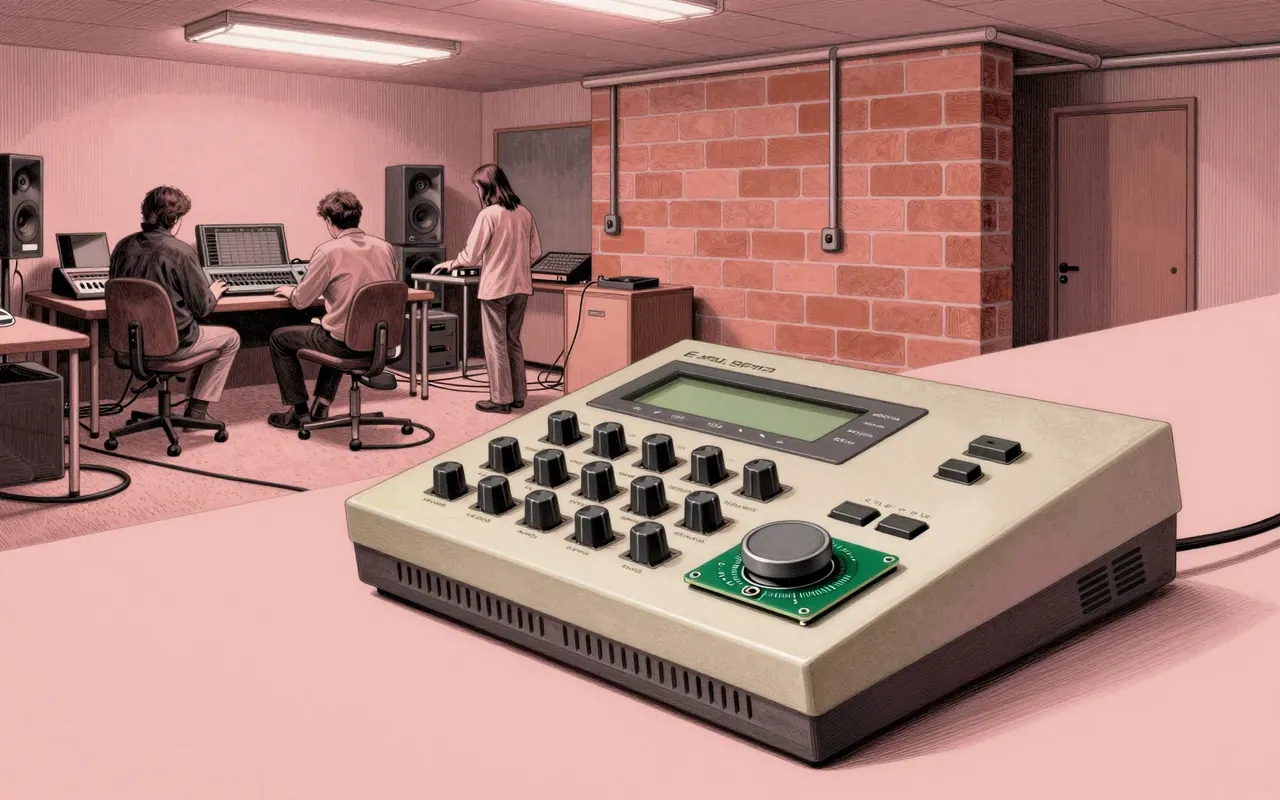
A foundational sampling drum machine introduced in 1985. Built for immediacy, not refinement.
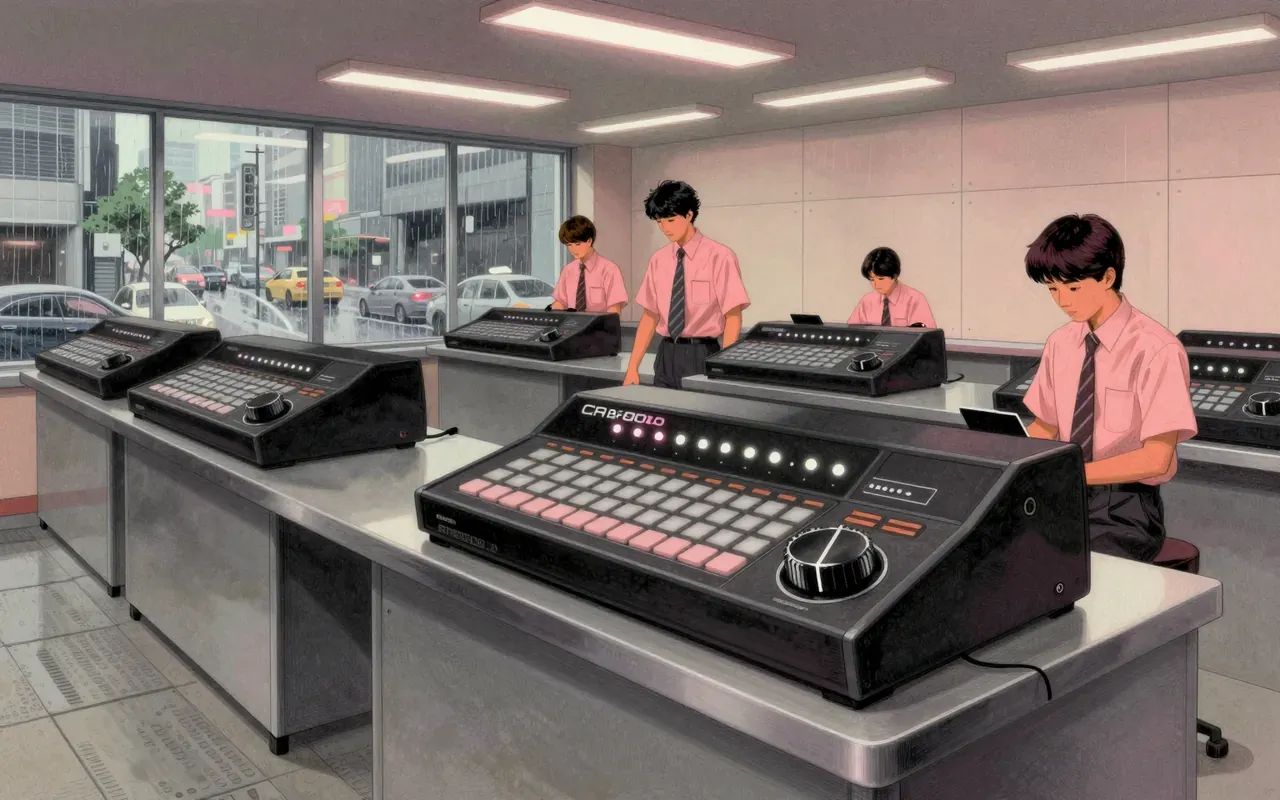
The Roland CR-8000 is a non-editable analog drum machine from 1980/81. It gives you 13 fixed drum sounds, one mono output, eight user-programmable patterns, and a unique groove knob that alters timing and timbre simultaneously — especially in the hi-hats. That groove cannot be sampled. Everything else is compromised: the sequencer is poorly programmed, the control panel fails under external use, and there are no built-in effects. Artists including Fluke, BT, Jimmy Edgar, and Blondie used it. It belongs in a collection, not a production chain.

The Grace Design m201 is a single-channel solid-state microphone preamplifier. It provides clean, high-headroom gain with no EQ, no compression, no digital conversion, and no additional signal path options. It serves one purpose: to amplify a mic signal without alteration. It is not a channel strip. It is not an interface. It is not a tool for tonal manipulation. It is a specialist device for specialists who know exactly when they need it — and when they do not.

The Yamaha BB2000 is a Japanese-made 4-string bass from the early 1980s. It uses passive electronics, two pickups (JB and PB), and simple bass/treble tone controls. Its voice is defined by low-mid growl and high-mid harmonic sweetness—unmatched by Fender, Music Man, or Sadowsky. It excels in funk, pop, fusion, and jazz. It lacks modern flexibility: no active circuitry, no mid-sweep, no blend control. One player replaced their 2012 Fender Jazz Bass with it after five years of regular use—and called it superior in all aspects.
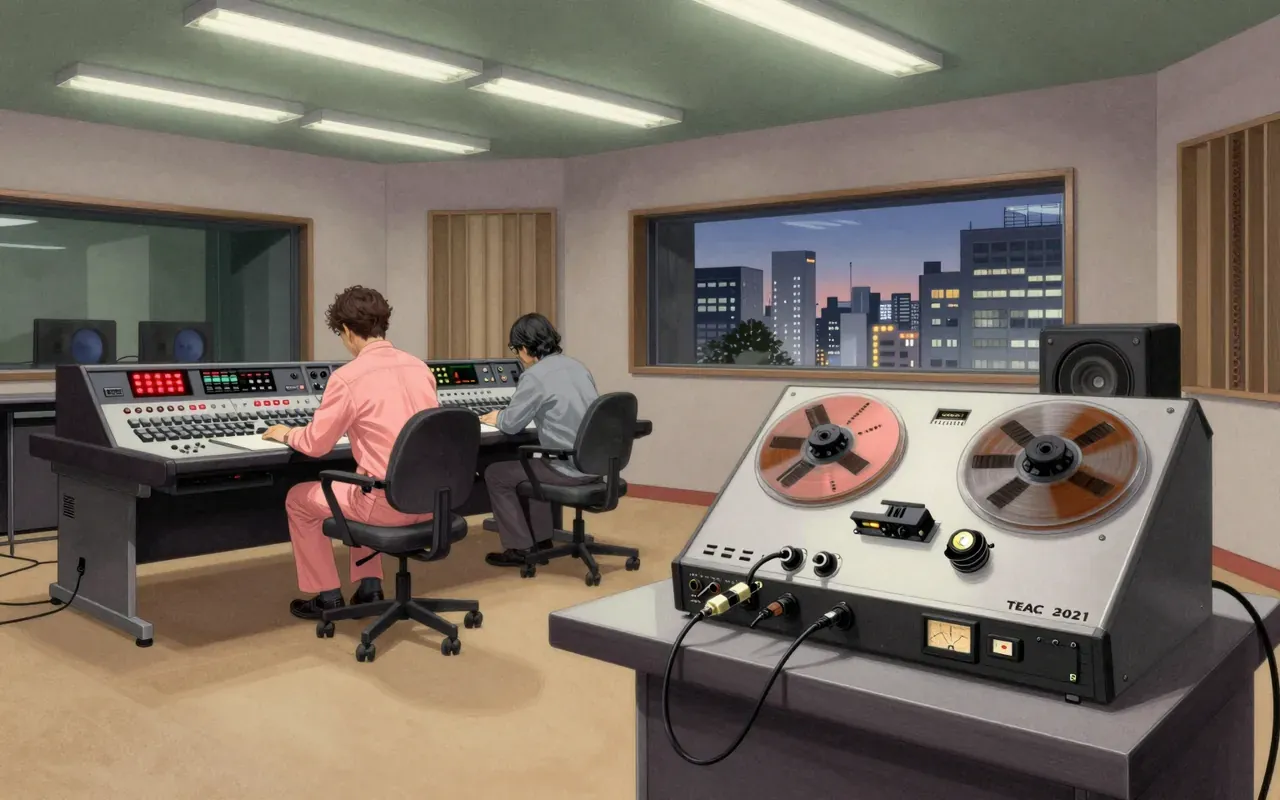
The Roland MSQ-700 is an 8-track MIDI sequencer with lithium battery-backed memory, step-time and real-time recording, punch-in, merge, quantization, chaining, and analog tape sync. It stores 6500 notes per track. It has no screen, no file export, no velocity editing, and no USB.
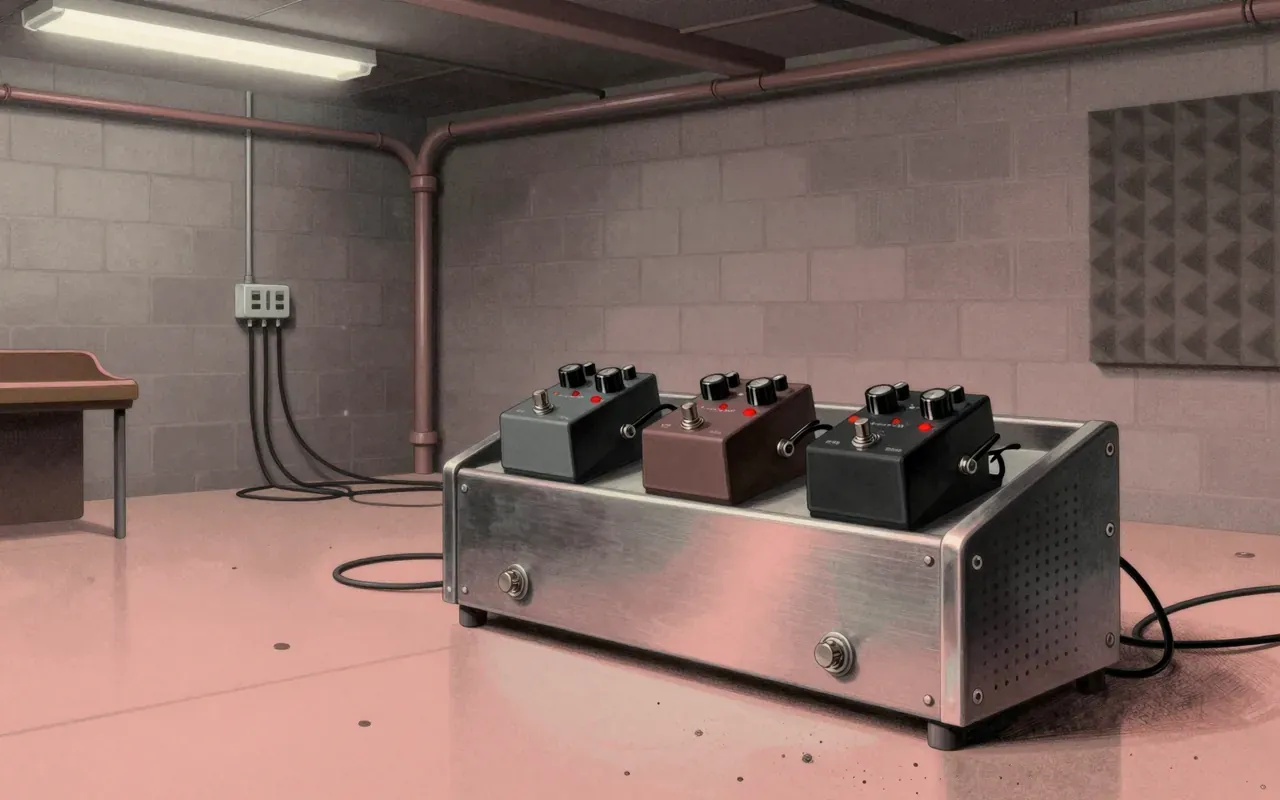
The Boss DS-1 is a 1978 distortion pedal built for tight, aggressive tones using hard-clipping circuitry. It uses input/output buffers, a transistor boost stage, an op-amp gain stage with hard clipping diodes, and a tone control. A JFET switching circuit engages or bypasses the effect via a momentary push button. It helped popularise distortion as a distinct pedal category and served as a template for later designs. The 1994 circuit redesign introduced volume loss and a fizzy or waspy edge—problems that spawned a community of modifiers. It remains Boss’s bestselling drive pedal.
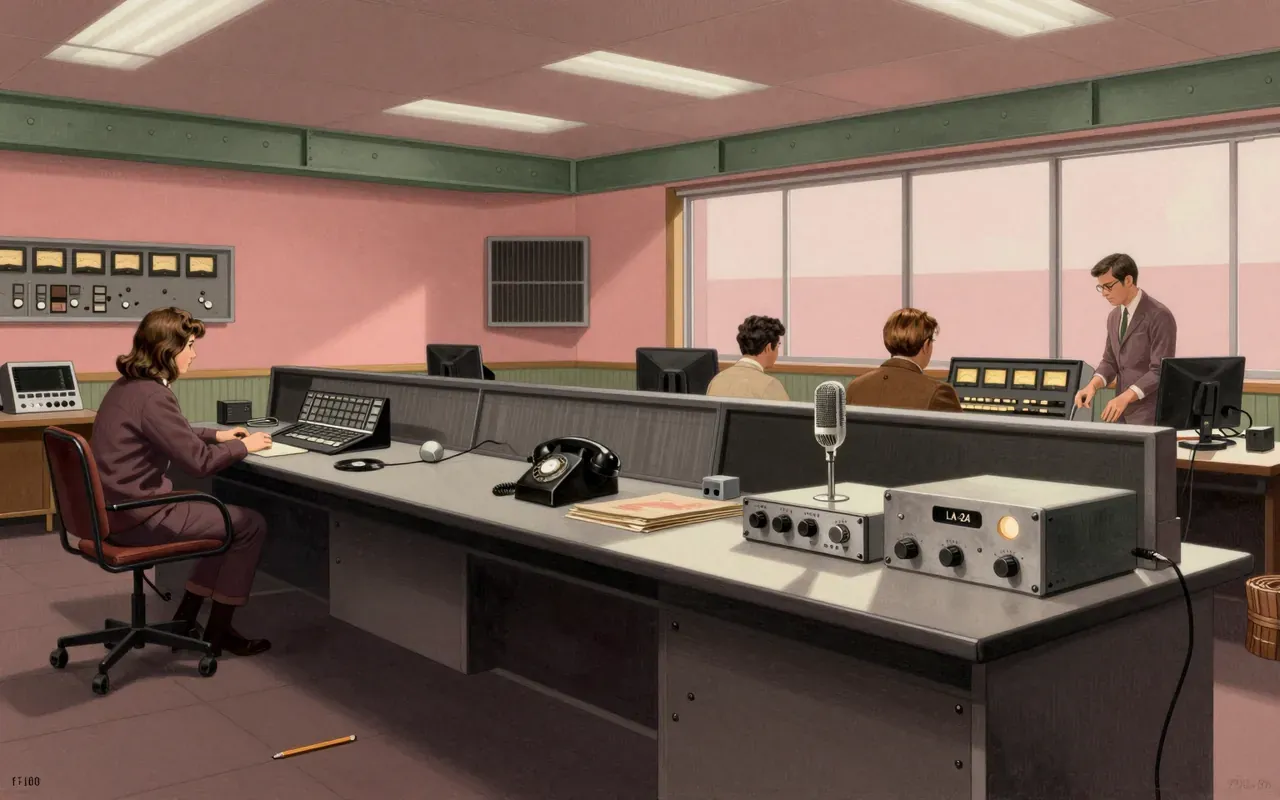
The LA-2A is a hand-wired, vacuum tube-based audio compressor developed by Teletronix and released commercially in 1962. It uses an electroluminescent panel and cadmium sulfide photoresistor for program-dependent gain reduction. Its attack is fixed at 10 ms; its release varies from 60 ms to 15 seconds depending on input. It preserves perceived performance dynamics under heavy compression. UREI acquired its patent rights in 1967.

The Fender Vibrolux Reverb is a 35-watt blackface/silverface tube amp built around smaller transformers and 10″ speakers. It breaks up earlier and more sweetly than larger 6L6 Fenders. Its tone is scooped, punchy and sparkling—but it sacrifices clean headroom and low-end weight. CBS-era revisions increased clean headroom, but the core character remains defined by responsiveness over restraint.
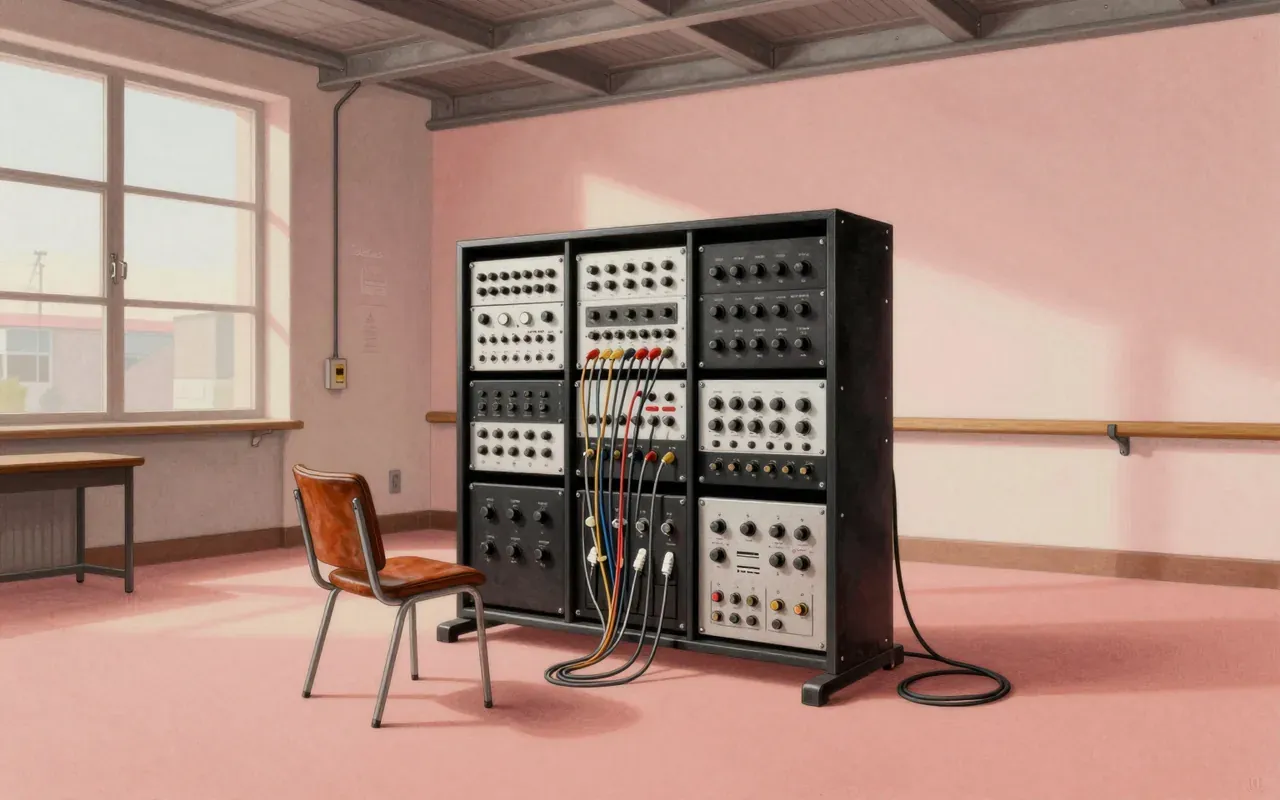
The Roland System 700 is a professional monophonic modular synthesizer released in 1976 by Roland Corporation.
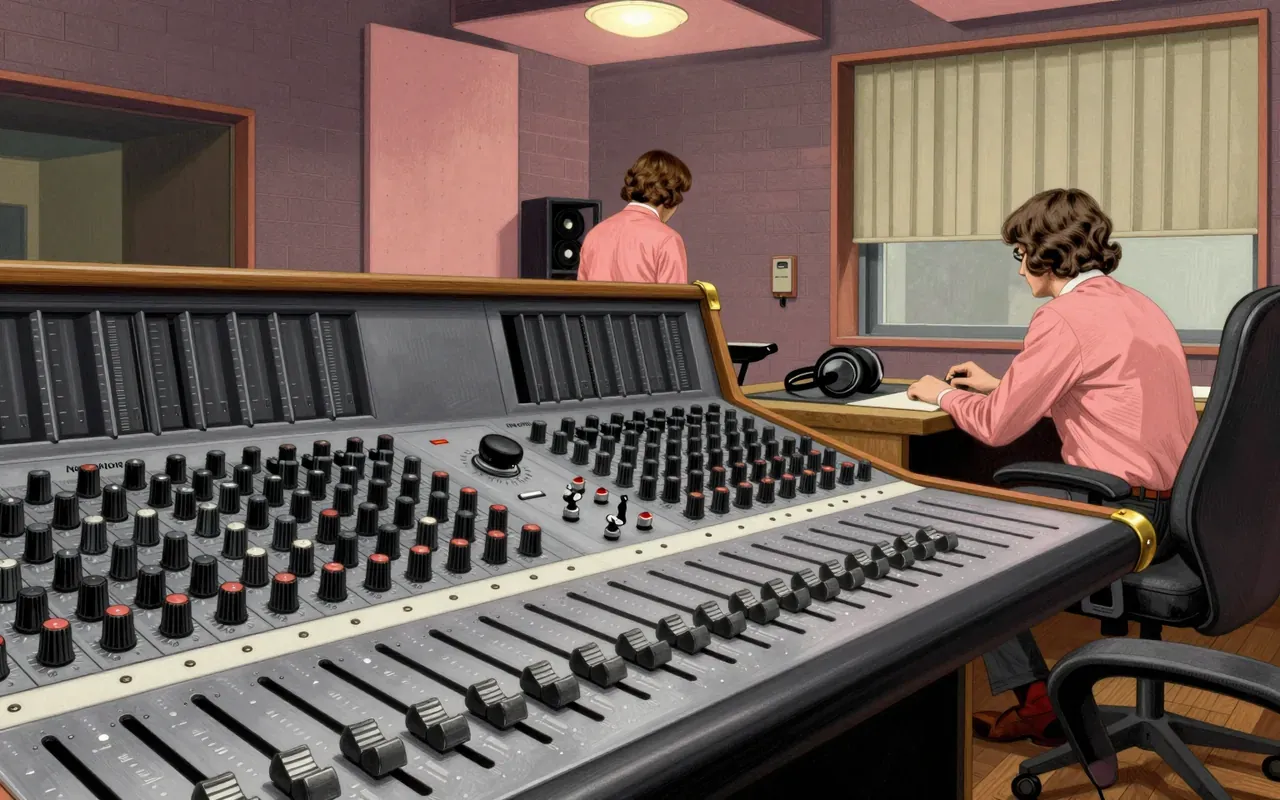
The Neve 80 Series is a hand-wired analogue mixing console built from 1968 to 1979. It uses custom preamps, line amps, and compressor/limiters wired point-to-point by hand. The 8048 model features the 1081 preamp and 4-band EQ across 24 or 32 channels. In 1976, Neve launched the in-line-monitor 8058 and 8068. Late-’70s units offered NECAM, the world’s first successful moving-fader automation system. Production was limited; manufacturing ceased in 1979.
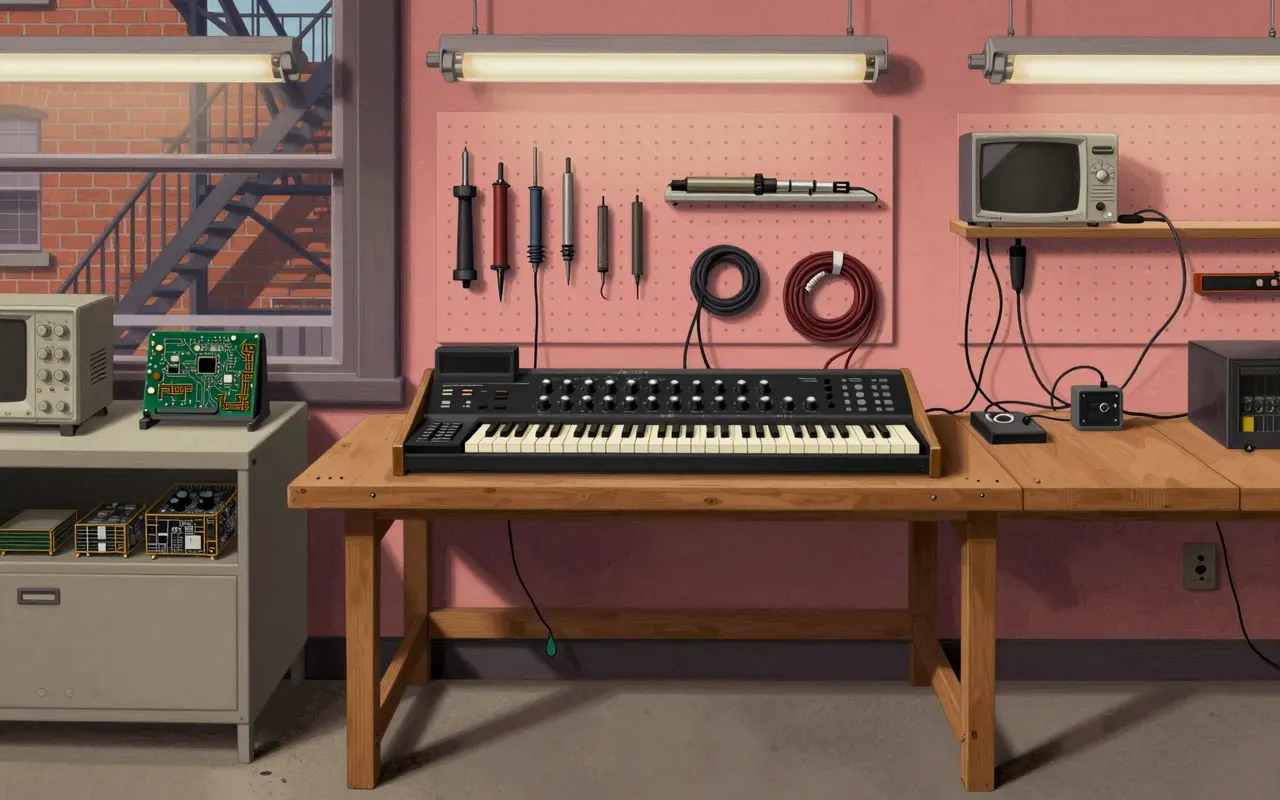
The Minimoog Voyager is a monophonic analog synthesizer released in 2002. It was modelled after the 1970s Minimoog and intended as its successor. It promised modern features while preserving the original sound quality. Over 14,000 units shipped between 2002 and 2015.
The Prophet VS is an 8-voice hybrid synthesizer released in 1986 by Sequential Circuits. It introduced vector synthesis using a diamond-pattern joystick to mix four 12-bit digital single-cycle waveforms per voice, which are then processed through analog CEM3379/3389 chips. Waves 0–31 are user-editable via MIDI sample dump or onboard harmonic mixing; waves 32–126 are fixed in firmware. It does vector morphing better than anything else of its era—but offers no velocity sensitivity, no aftertouch, no effects, and no reliable patch backup.
The TR-909 is a rigid, unyielding rhythmic engine. Its strength is timing, not texture. Its legacy is built on what it withheld—not what it offered.
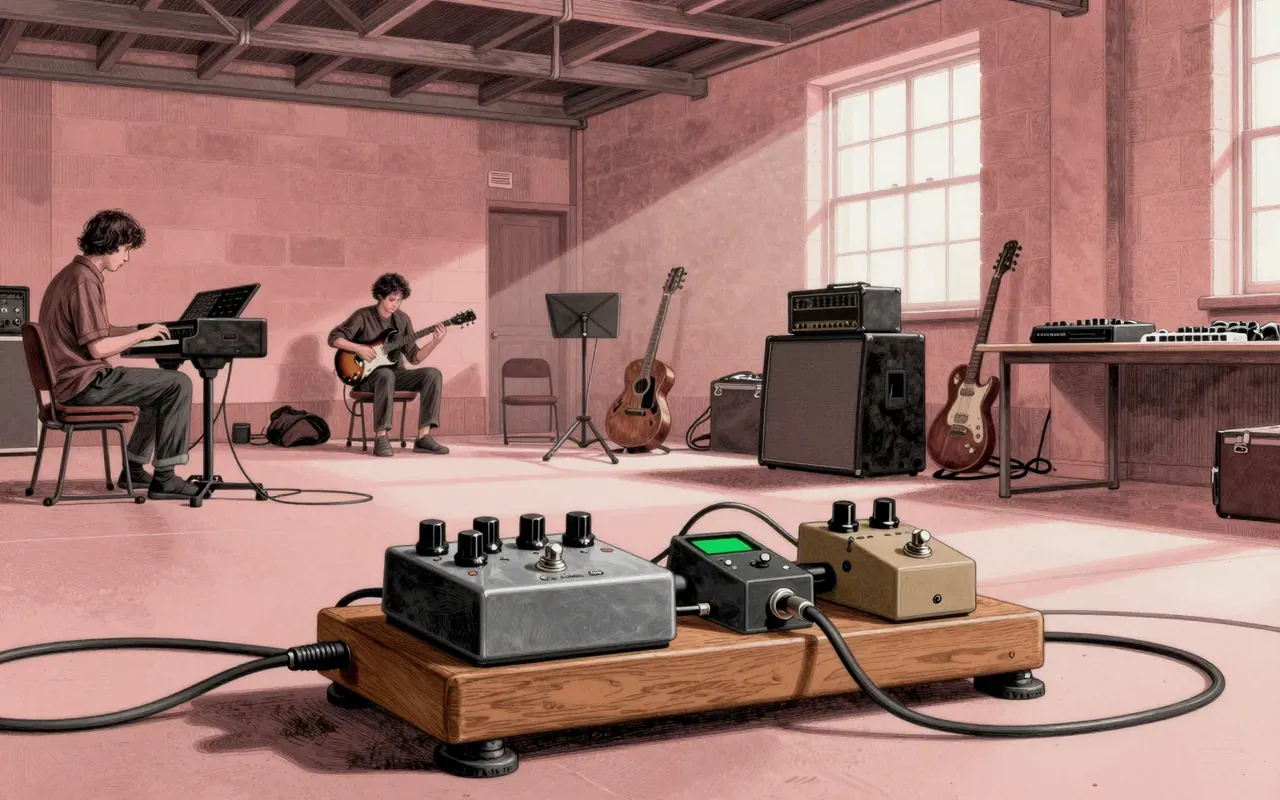
The TC Electronic ND-1 Nova Delay is a digital guitar effects pedal offering six studio-quality delay types—including Delay line, Dynamic, Reverse, Ping-pong, Pan, and Slap-back—with up to 2290 ms delay time, audio-generated tap tempo, delay spillover, true stereo I/O, true bypass, and nine user-programmable presets; it operates in manual or preset mode and includes analog-tone emulation via a tone knob.
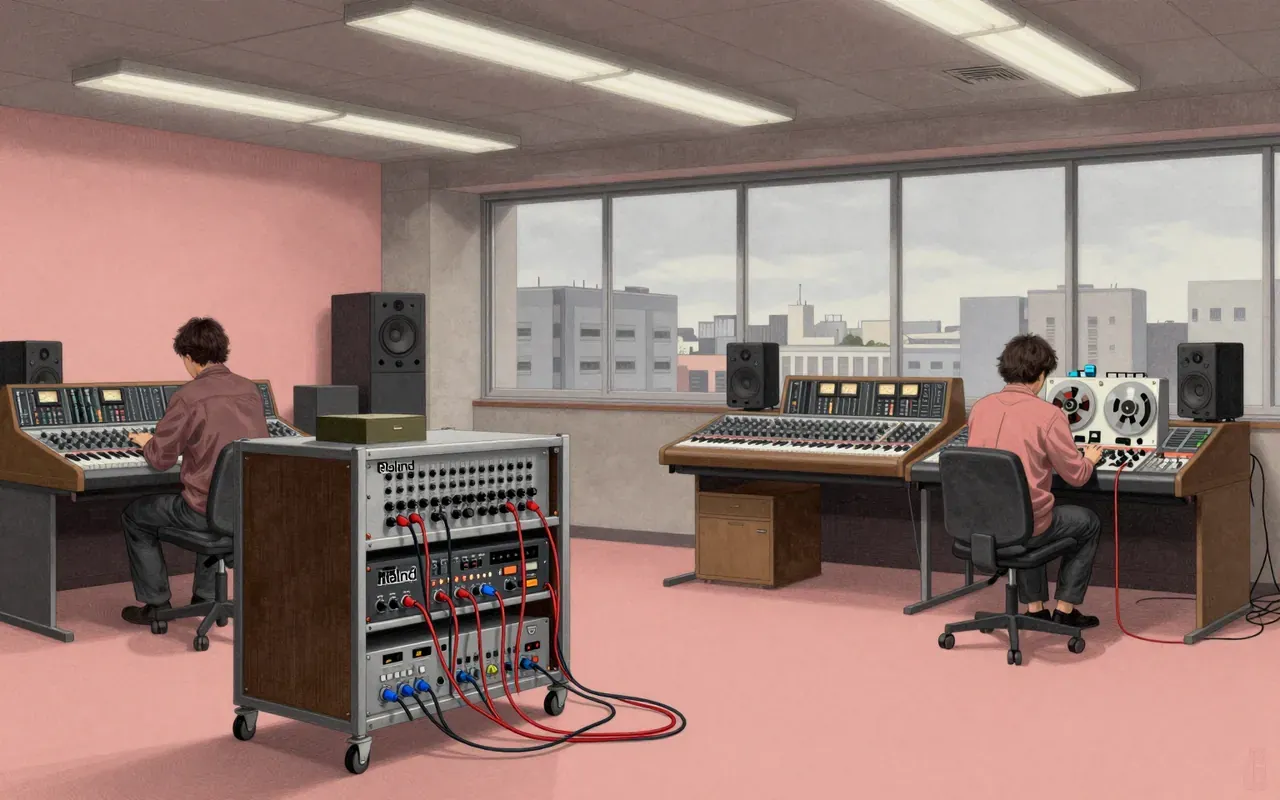
The Roland System-100M is a modular analog synthesizer built in the late 1970s. It delivers independent LFOs, envelopes, and patchbay-enabled feedback—not convenience, not recall, not polyphony.
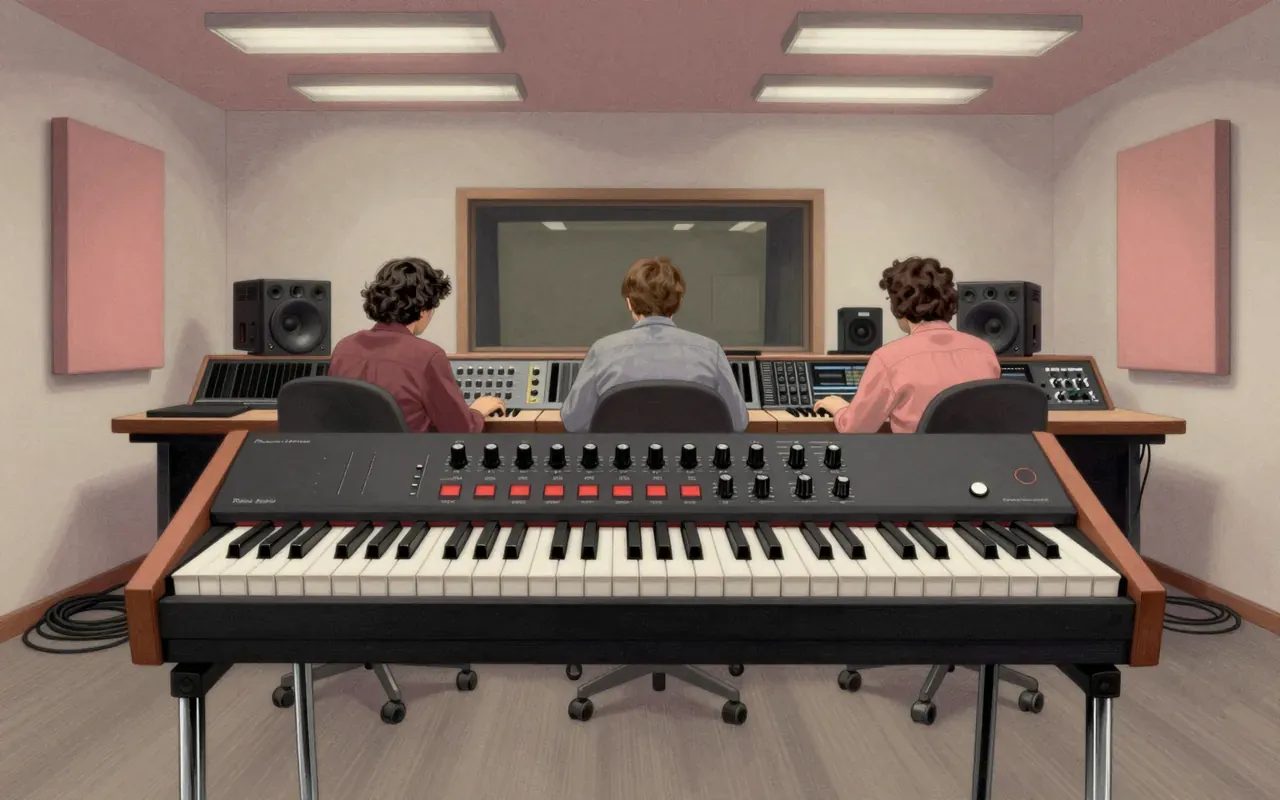
The Jupiter-6 delivers focused, hands-on bitimbral control and waveform stacking unavailable on the Jupiter-8 — but locks you into rigid voice splits and omits expressive dimensions like aftertouch.
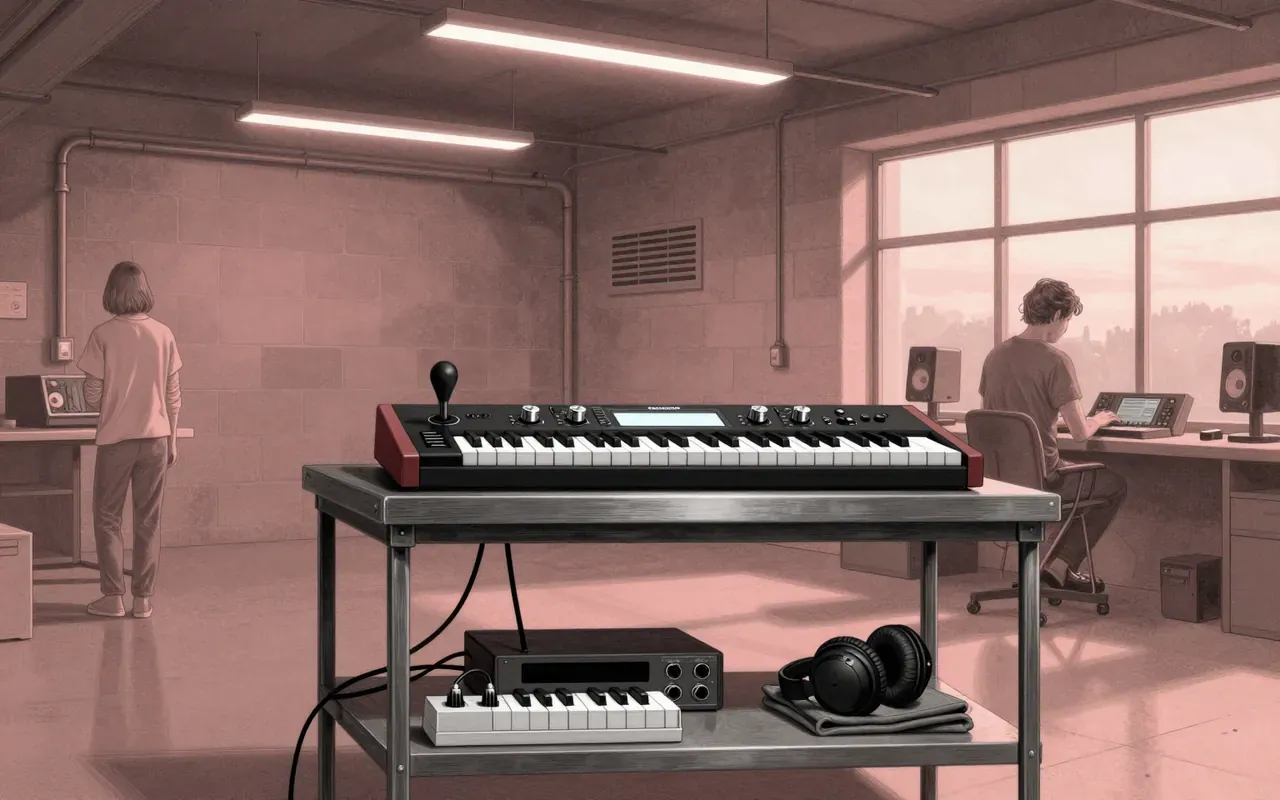
The Elektron Monomachine is a 2007 hardware synthesizer and music sequencer. It runs six sequencer tracks, each assigned one of five synthesis engines: SID, VO, FM+, SuperWave, or DigiPro. Every step stores a full snapshot of all track parameters — what Elektron calls parameter locks. It routes audio to six mono or three stereo outputs. Two physical variants exist: the SFX-6 keyboard version with joystick, and the SFX-60 desktop module. The MkII revision improved signal-to-noise ratio, reduced size, and added user waveform support via OS 1.20.
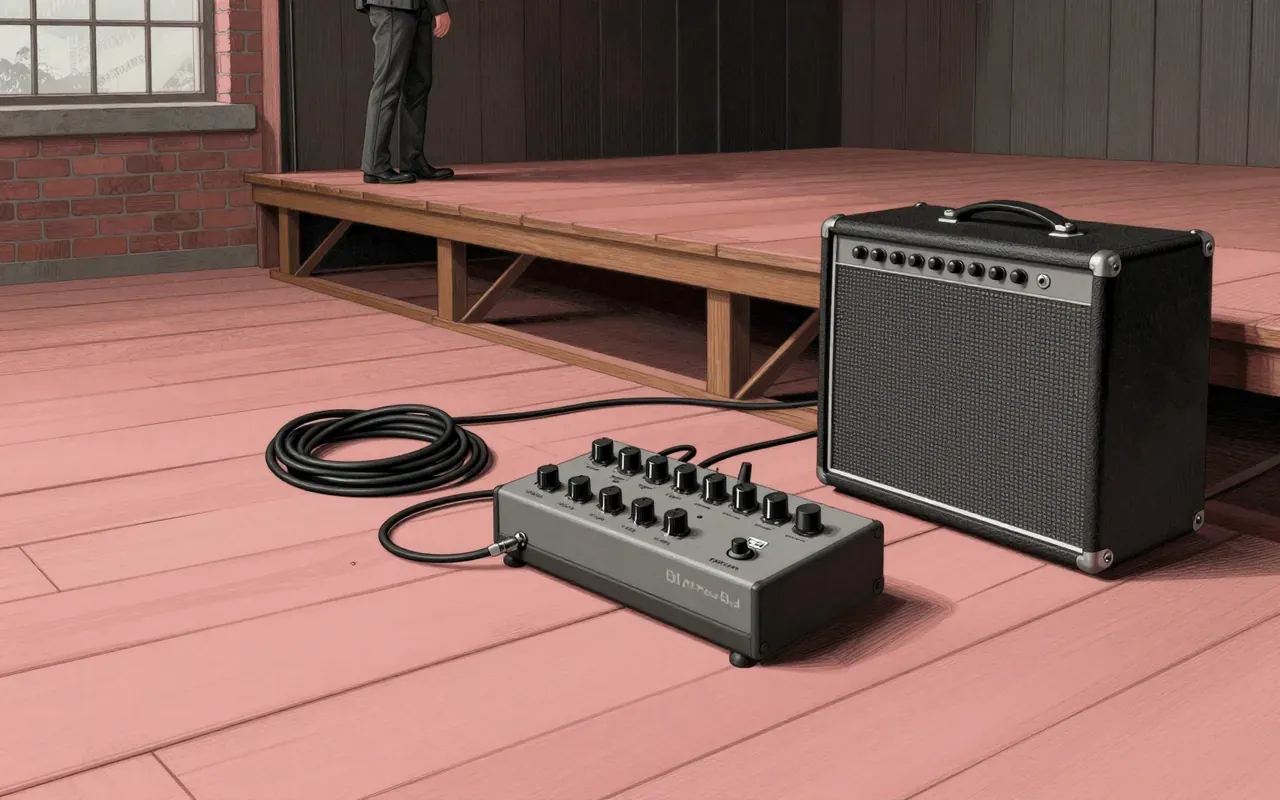
The Boss DM-1 Delay Machine is an analog foot pedal — among the first delay pedals made by Boss — with three knobs (delay time, intensity, balance/mix), an output level switch (0 dB, -15 dB, -35 dB), built-in power cord, and 1/4 inch connections. It is not rack mountable. Its sound is warm, rich, and outstanding. It is considered one of the best delay pedals Boss has made.
The Vox AC4HWR1 AC4 Hand-Wired is a tube combo guitar amp in Vox’s AC Hand-Wired series. Its full model name includes ‘HWR1’, indicating hand-wired construction. No technical specifications are provided — power, speaker size, valve type, or circuit details are absent from the source material. It offers no documented sonic or functional distinction beyond its build method. It is not verifiable as an upgrade, alternative, or variant — only as a named model in a series.
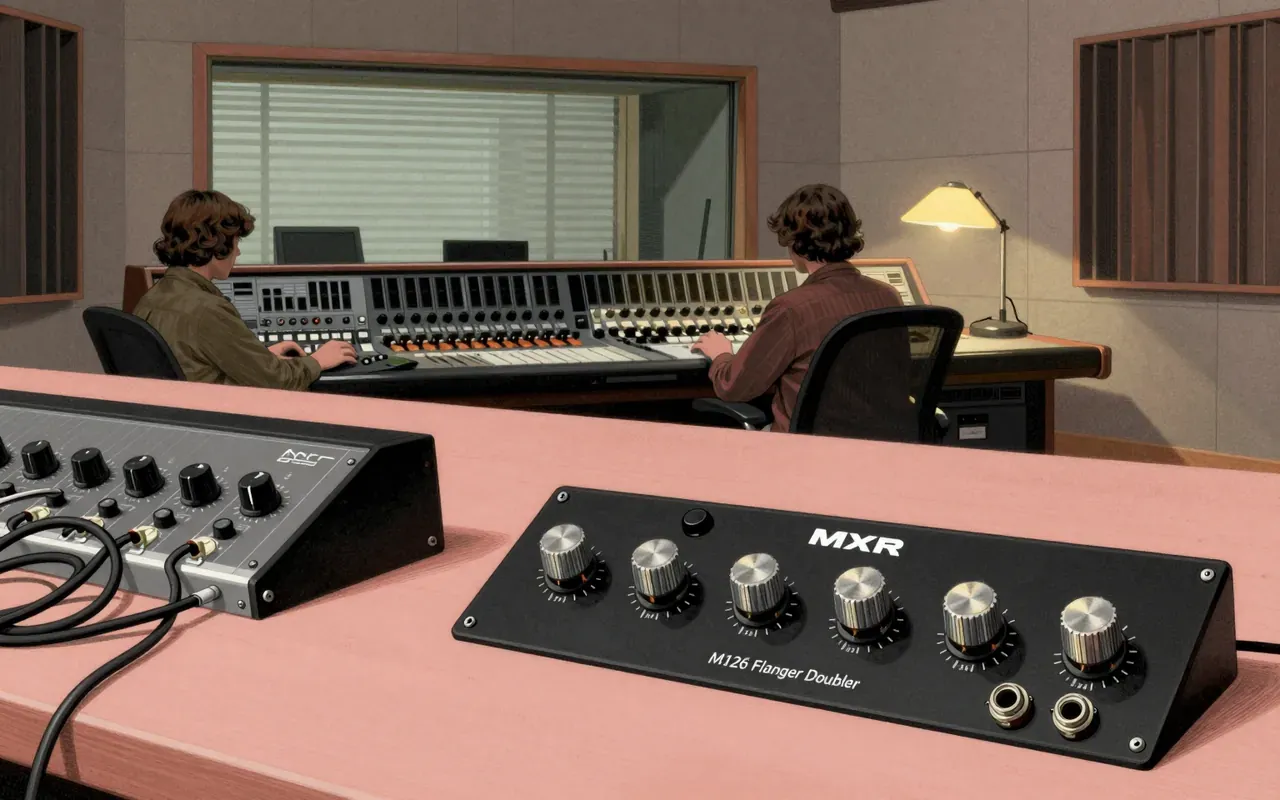
The MXR M126 Flanger/Doubler is a two-space analog rack unit with front-panel 1/4" TRS I/O. It gives players manual, sweep width, sweep speed, mix, and regen knobs plus mode and bypass/invert buttons. It delivers a thick flanging sound and fulfils its synthetic doubling function as advertised. It has no stereo I/O, no expression input, no tap tempo, and no presets. No verified recordings or users are cited. Studio engineers needing fixed, tactile analog flanging or doubling should consider it. Live performers, modular users, and those requiring stereo or foot control should not.
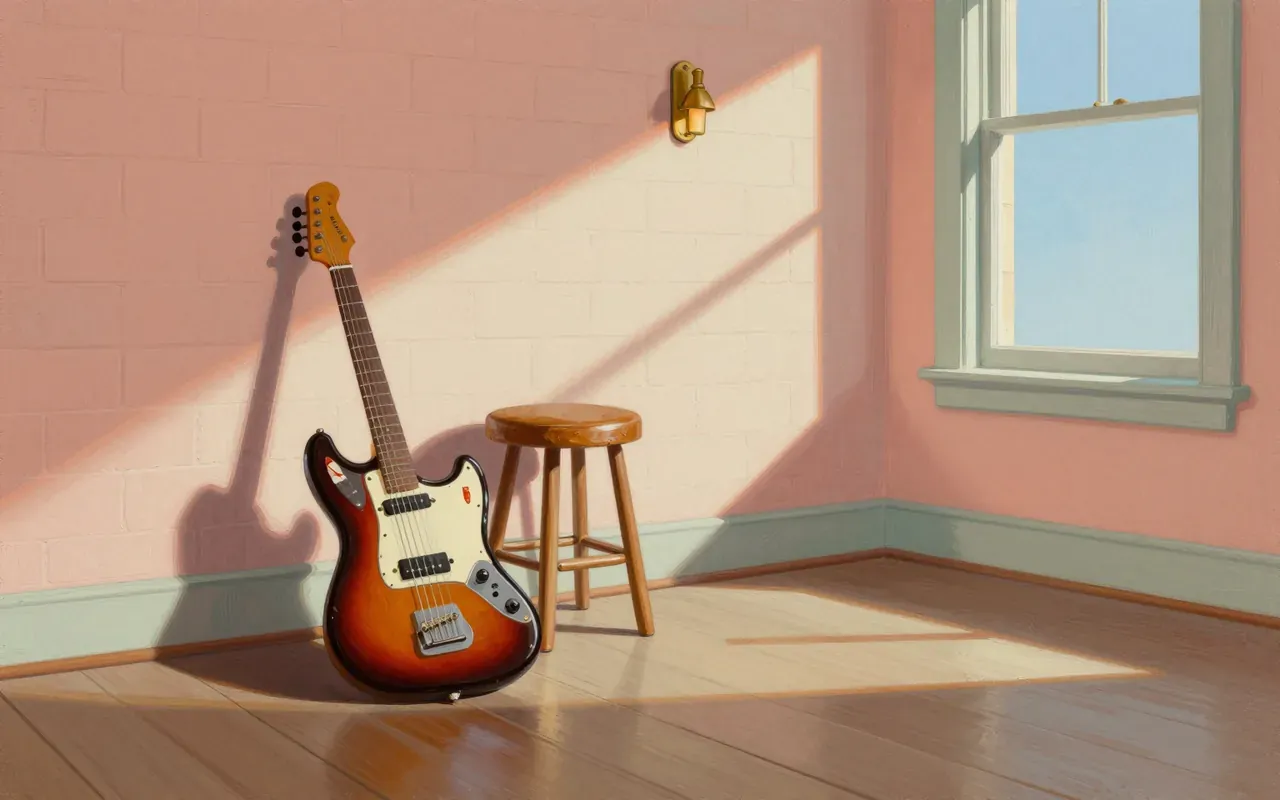
The Fender Jaguar is a 1962 electric guitar with an offset-waist body, 24-inch scale, 22-fret neck, dual-circuit switching (lead/rhythm), smaller single-coil pickups with notched side plates for improved RF shielding, a spring-loaded string mute, and design lineage from the Jazzmaster.
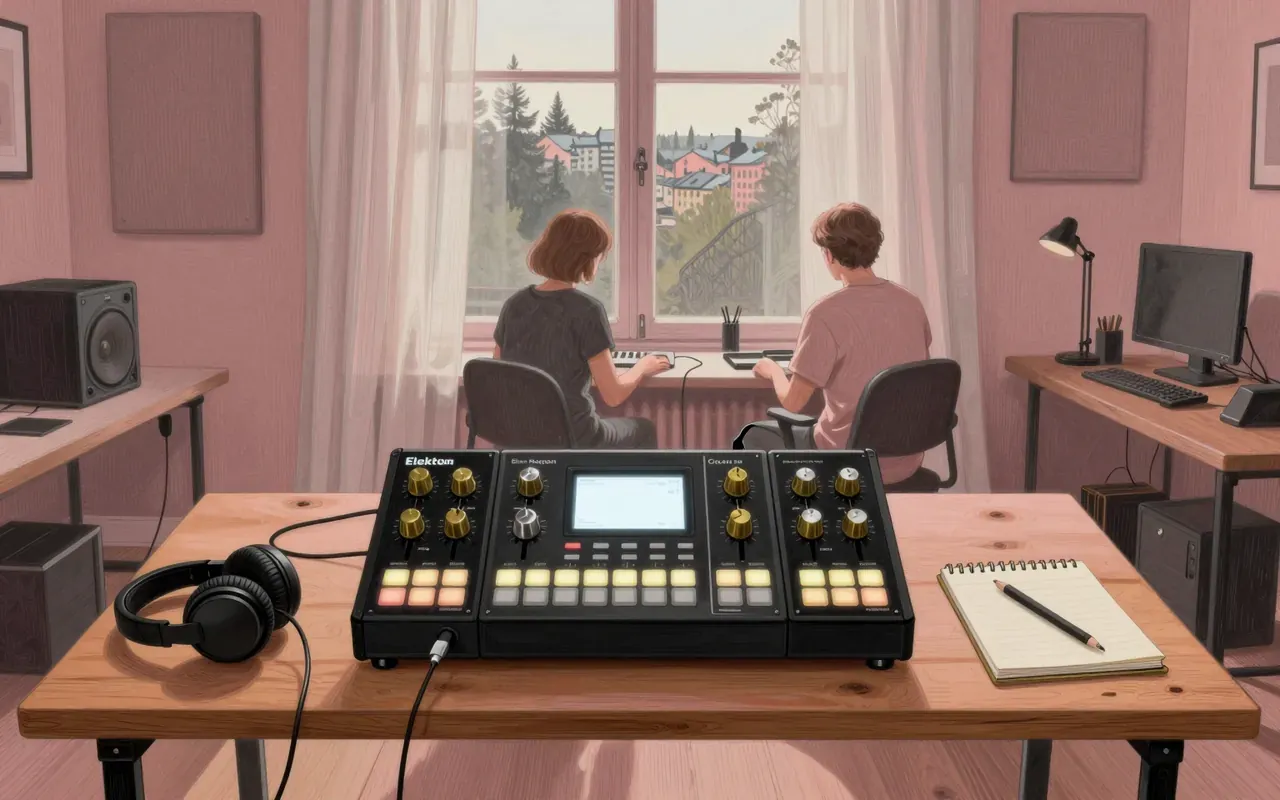
The Elektron Analog Four is a tabletop groove machine with four mono analog synth voices, each with two analog oscillators, a 1-pole analog lowpass ladder filter, and a 2-pole analog multi-mode filter. It includes a 6-track MIDI sequencer and two audio inputs and outputs—but no digital connections.
The Marshall Silver Jubilee 2555 is a software amp simulator by Softube. It belongs to the Amp Room series. It has no published technical specifications. It is not hardware. It is not a standalone application. It is a plugin for digital audio workstations that host Amp Room.

The Roland S-50 is a 61-key 12-bit sampler keyboard introduced in 1986. It uses variable sampling rates (15–30 kHz), stores samples on a 3.5-inch DSDD floppy disk drive, supports external CRT monitor editing, and holds up to 32 samples. A rack-mounted version with expanded memory was also available.

The Waldorf Microwave II is a dedicated wavetable instrument that delivers sharp, immediate, and spectrally distinct tones. It trades flexibility for focus — offering no filter resonance control, no effects, no velocity-driven modulation. Its strength is in launching sounds that pierce rather than blend.
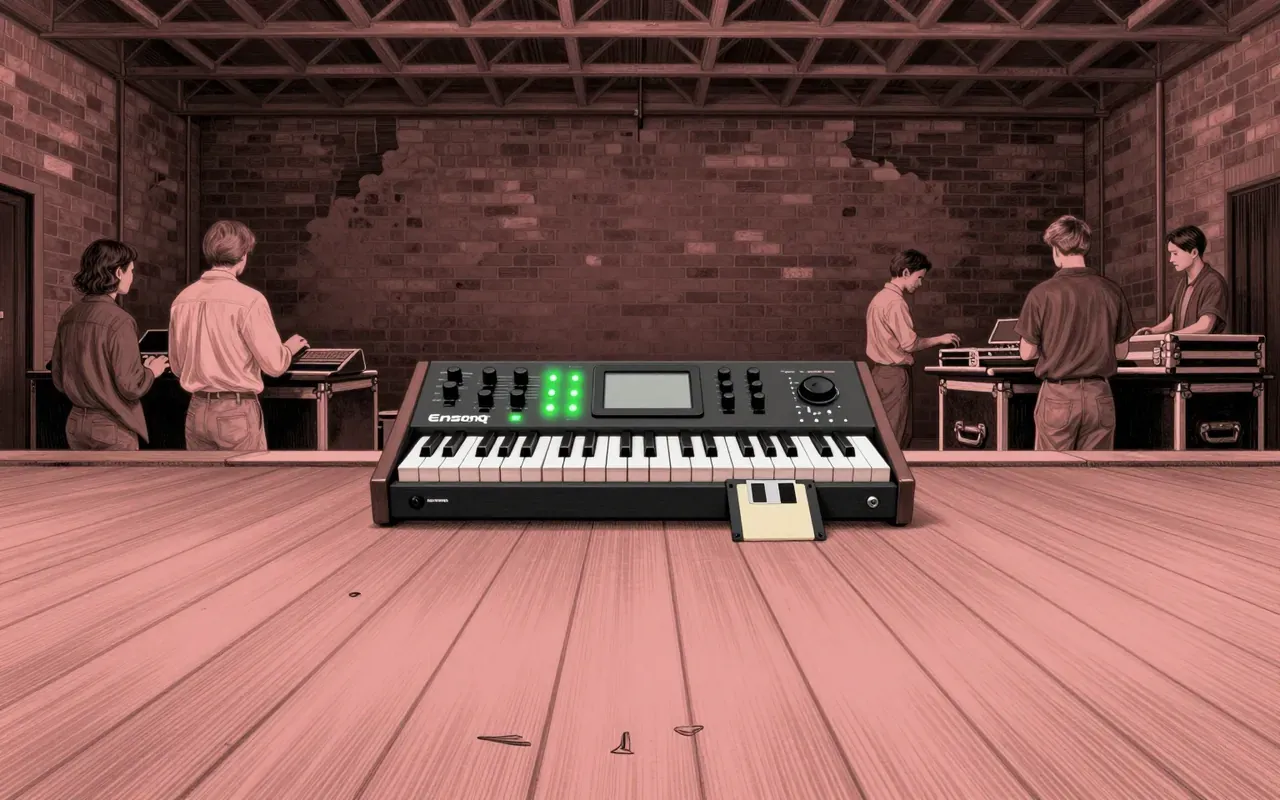
The Ensoniq EPS is a 13-bit sampling keyboard introduced in 1988 as the Mirage's successor. It uses dual processors and a dedicated sound engine to enable load-while-play. It reads double-density 3.5" floppies formatted to 800k. It integrates MIDI for control or computer connection. Early units suffered mechanical issues with their polypressure keyboard.
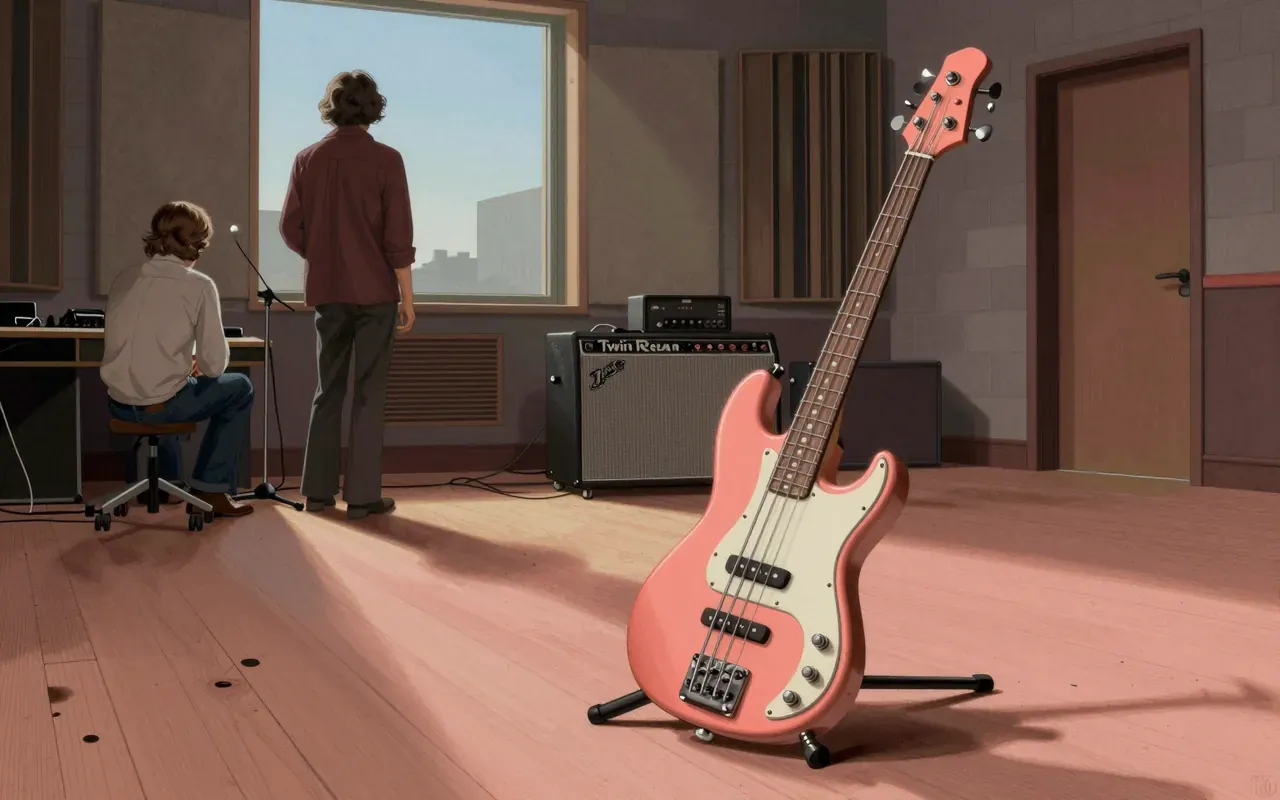
The Gibson Grabber is a bass guitar introduced in 1973. It features a bolt-on 34½-inch neck, an adjustable pickup that slides to simulate neck or bridge positions, brighter output than traditional Gibson humbuckers, simple controls (one volume, one tone), and a removable bridge cover. Its body changed from maple to alder in 1975 — the year it peaked in sales at 2,637 units, largely due to Gene Simmons’s use with Kiss. It was discontinued in 1982, with limited production until 1984.
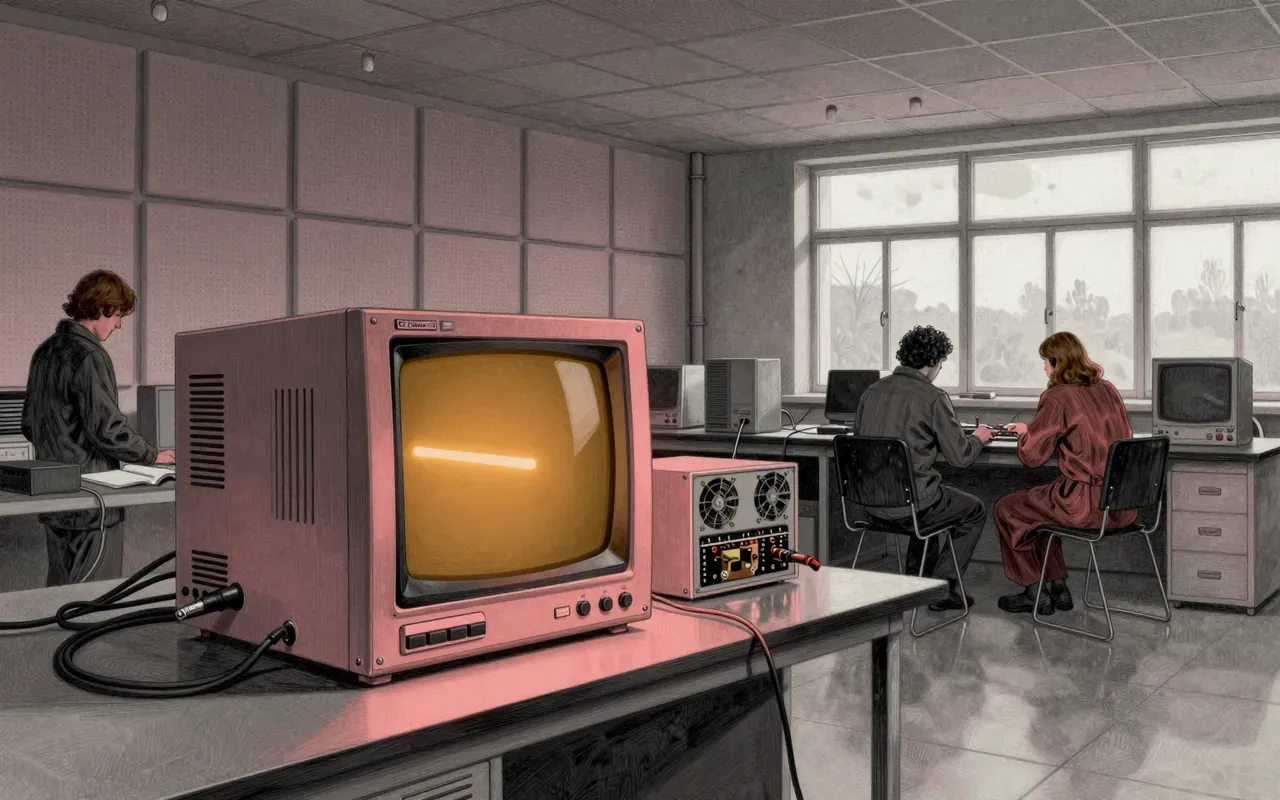
PPG Wave pioneered real-time interpolated wavetable scanning—making timbre itself a sequenced parameter. Its hybrid digital-analog signal path (digital oscillators, analog filters and VCAs) delivered spectral animation impossible on analog synths of the era. But it demands peripheral hardware for editing, sampling, or expressive control—and offers no direct waveform manipulation or polyphonic sequencing. It belongs in a studio built for sound design, not stage performance.
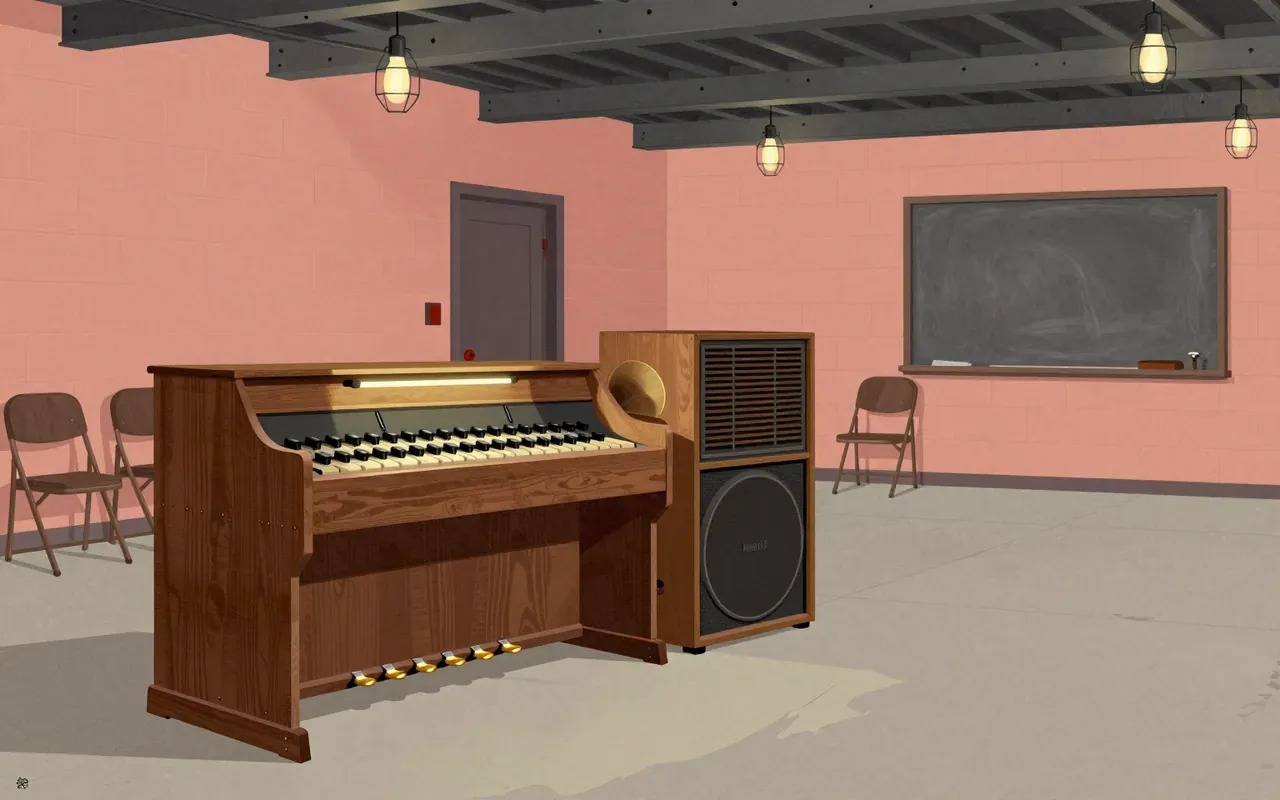
The Hammond A-100 is a console tonewheel organ introduced in 1959. It is effectively a self-contained version of the B-3 and C-3, with an internal power amplifier and speakers, and it was built in many chassis styles identified by the last two digits of the model number.
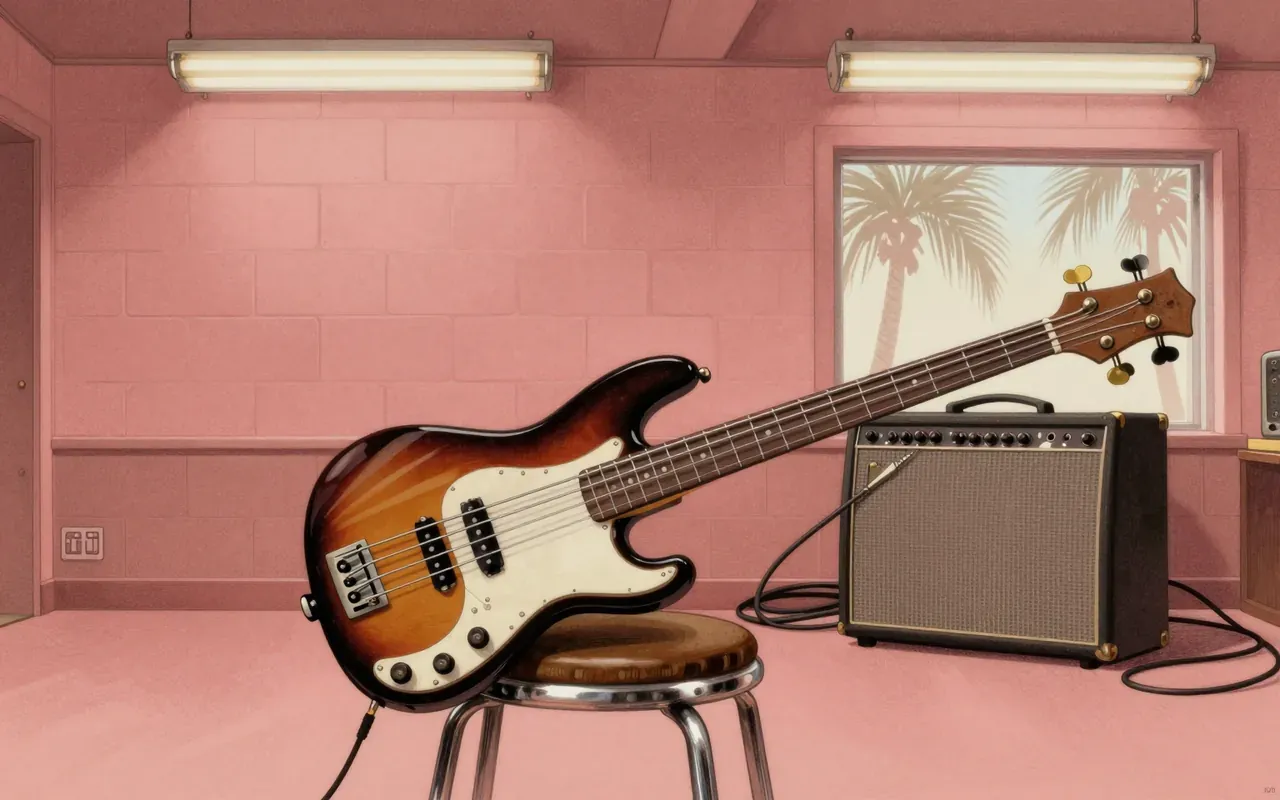
The Music Man StingRay is a 1976 electric bass co-designed by Leo Fender as a modern update to the Precision Bass. It introduced active electronics to bass design — a 9-volt-powered preamp with 2-band EQ, an oversized humbucker wired in parallel, and epoxy-sealed circuitry. It delivers a uniquely bright, scooped-mid, deep-low tone with high output and rigidity. It lacks passive tone shaping, midrange control in early models, and serviceable electronics. It became essential for slap bass, studio clarity, and cutting through dense mixes.
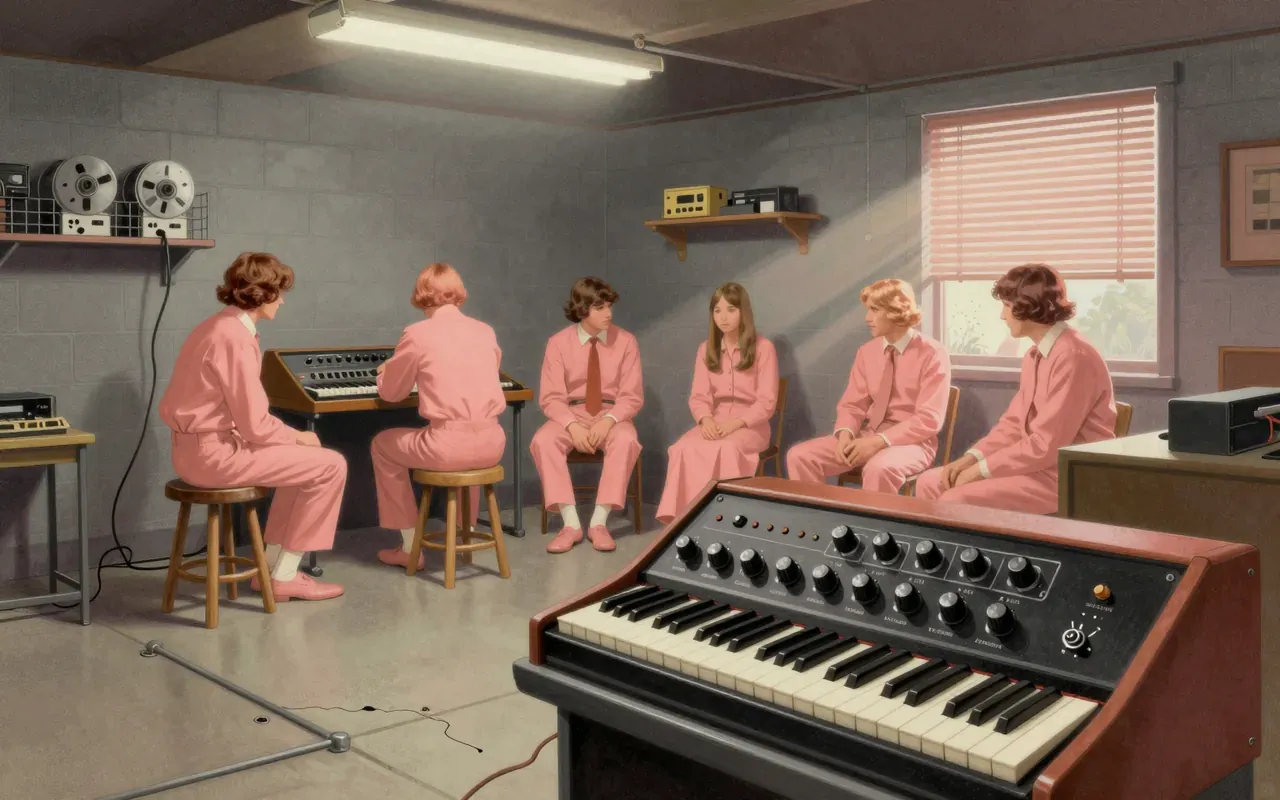
The Micromoog is a monophonic analog synthesizer produced by Moog Music from 1975 to 1979. Designed as a scaled-down, lower-priced alternative to the Minimoog, it was intended for musicians new to synthesis who could not afford the $1,500 Minimoog. Priced at $650–$800, it features a single VCO with variable waveshape from sawtooth to pulse, sub-octave generation one or two octaves below the fundamental, a −24dB per octave low-pass filter with its own envelope generator and VCO frequency modulation capability, a voltage-controlled amplifier with its own envelope generator, and two A(S)R envelope generators with switchable sustain — a design choice that distinguishes it from most budget synths of the era which used a single ADSR. It includes Moog Open System control inputs, an audio input for external signal processing, and uses 0.95V/oct CV scaling. It was designed by Moog engineer Jim Scott in consultation with Tom Rhea, with electronic refinement input from David Luce and Robert Moog.
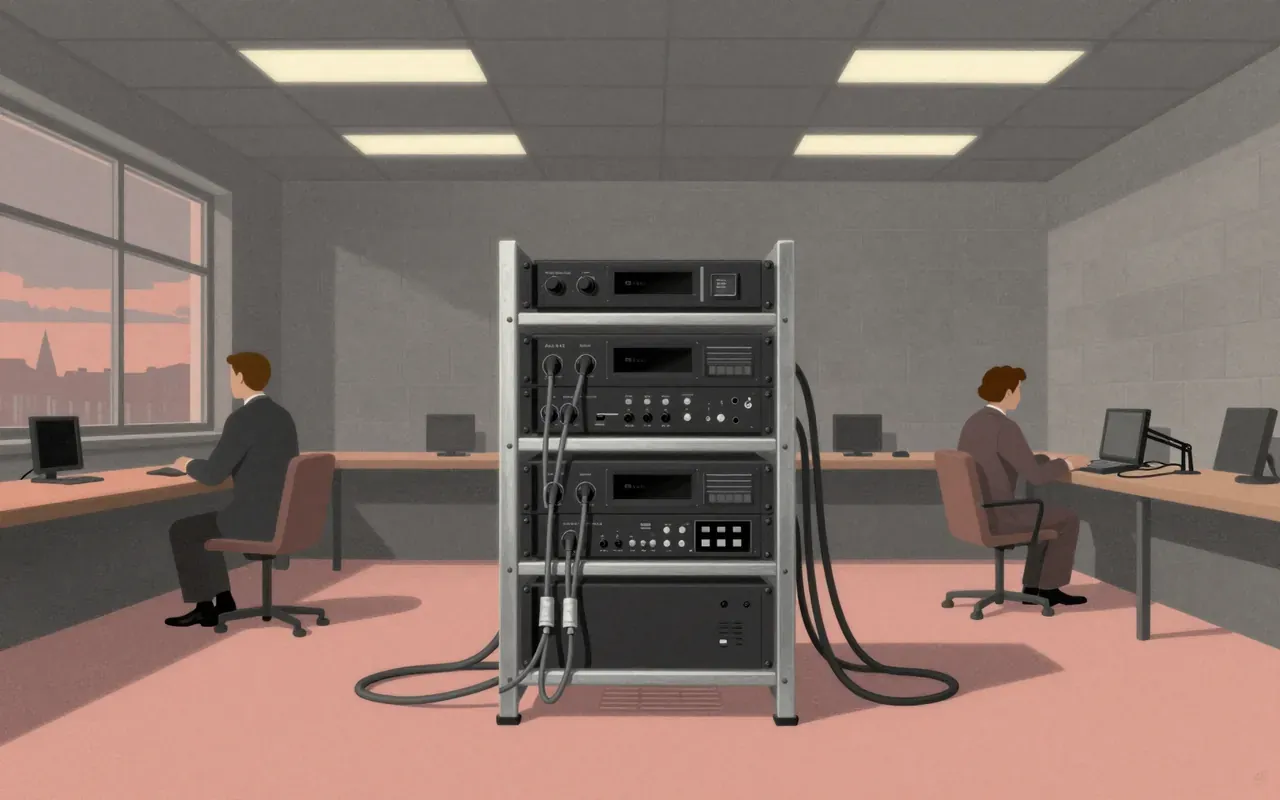
The S612 was Akai’s first rack-format digital sampler — 12-bit, single-sample, one-second max at 32 kHz, loaded via external Quick Disk drive. It defined the form factor and affordability threshold for what followed, but offered no polyphony, no internal storage, and no upgrade path.
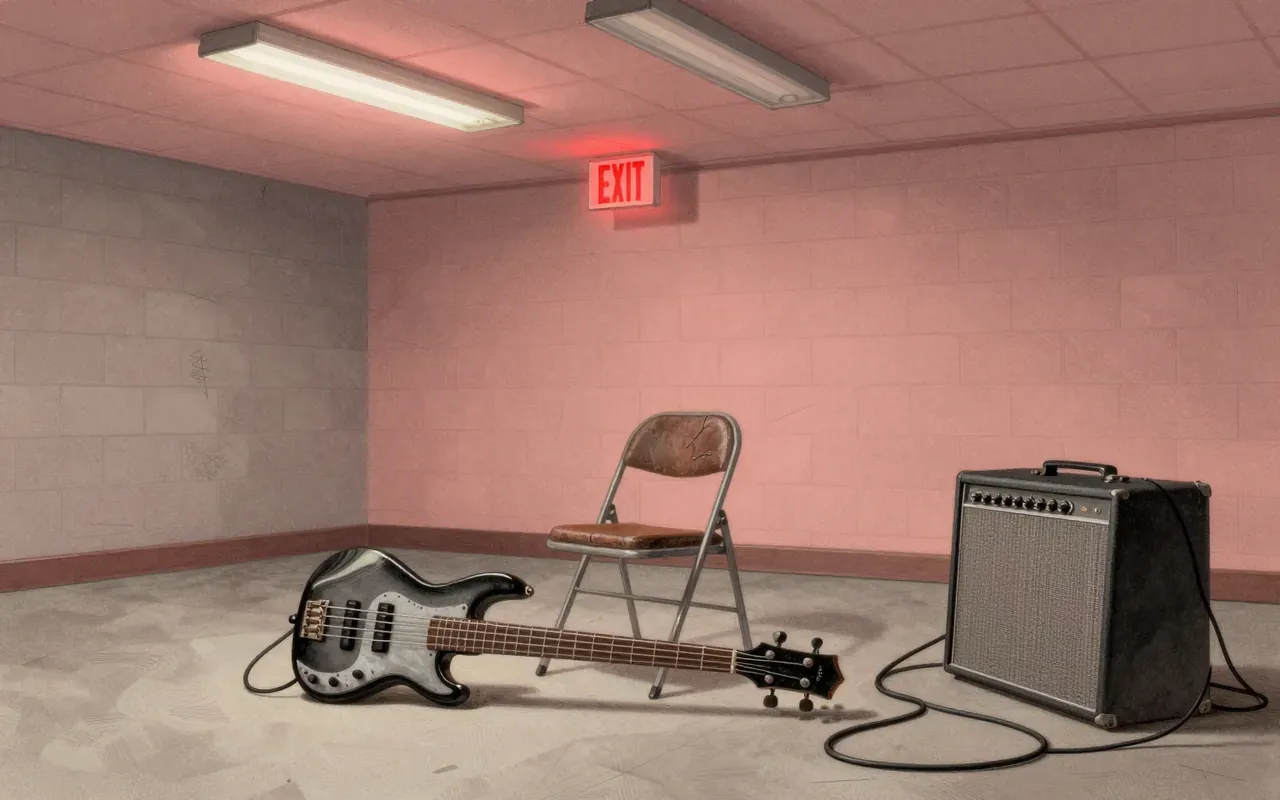
The L-series was the best-known Steinberger design, first made as a bass; the first Steinberger basses were built in Brooklyn in 1979. It dropped the headstock, moved the tuners to a tailpiece and made the whole instrument from a graphite and carbon-fibre blend in two pieces. The L2 is the version with two EMG pickups. Listeners were split on a sound that some called clean and others called synthetic.
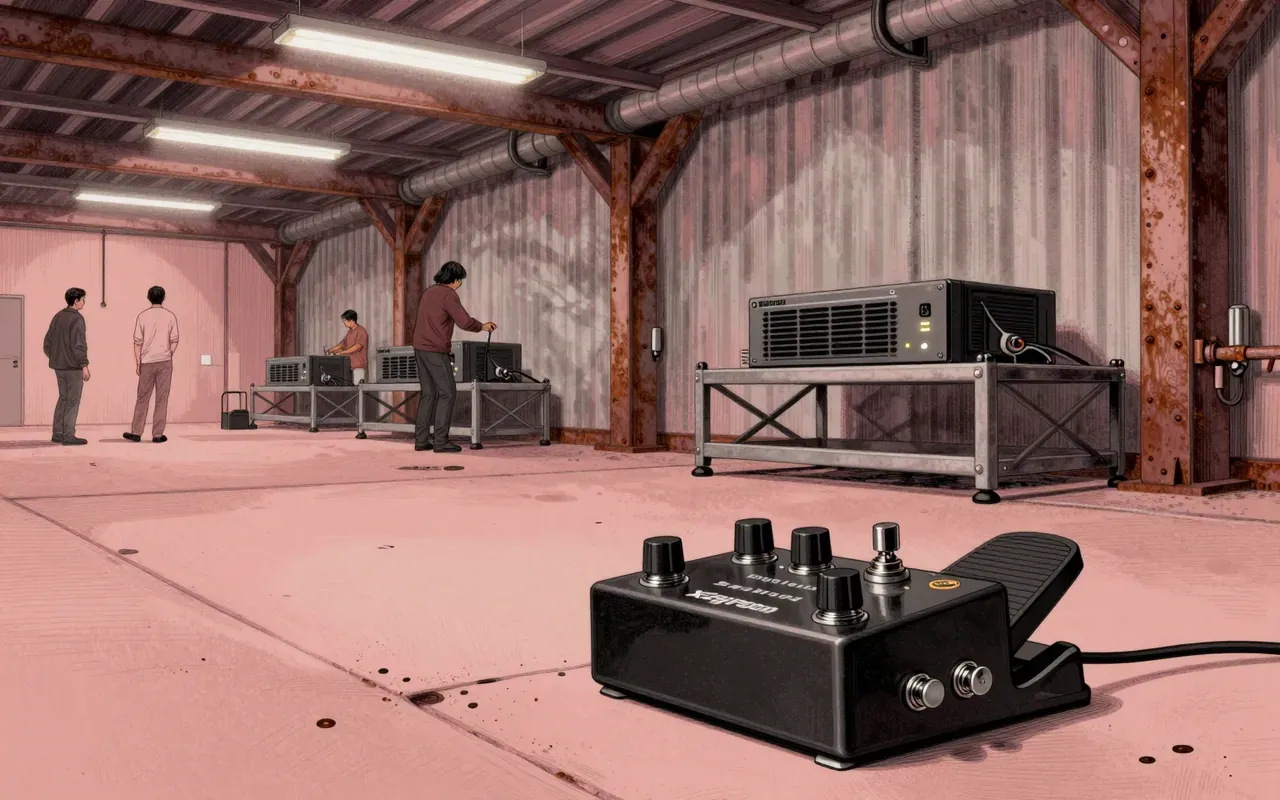
A fixed-function digital floor pedal for guitar. Eight synth-effects deliver octave, fifth and third on demand. No editing. No true bypass. An always-on preamp degrades tone even when off. AC-powered. Stereo out. One treadle. That’s all.
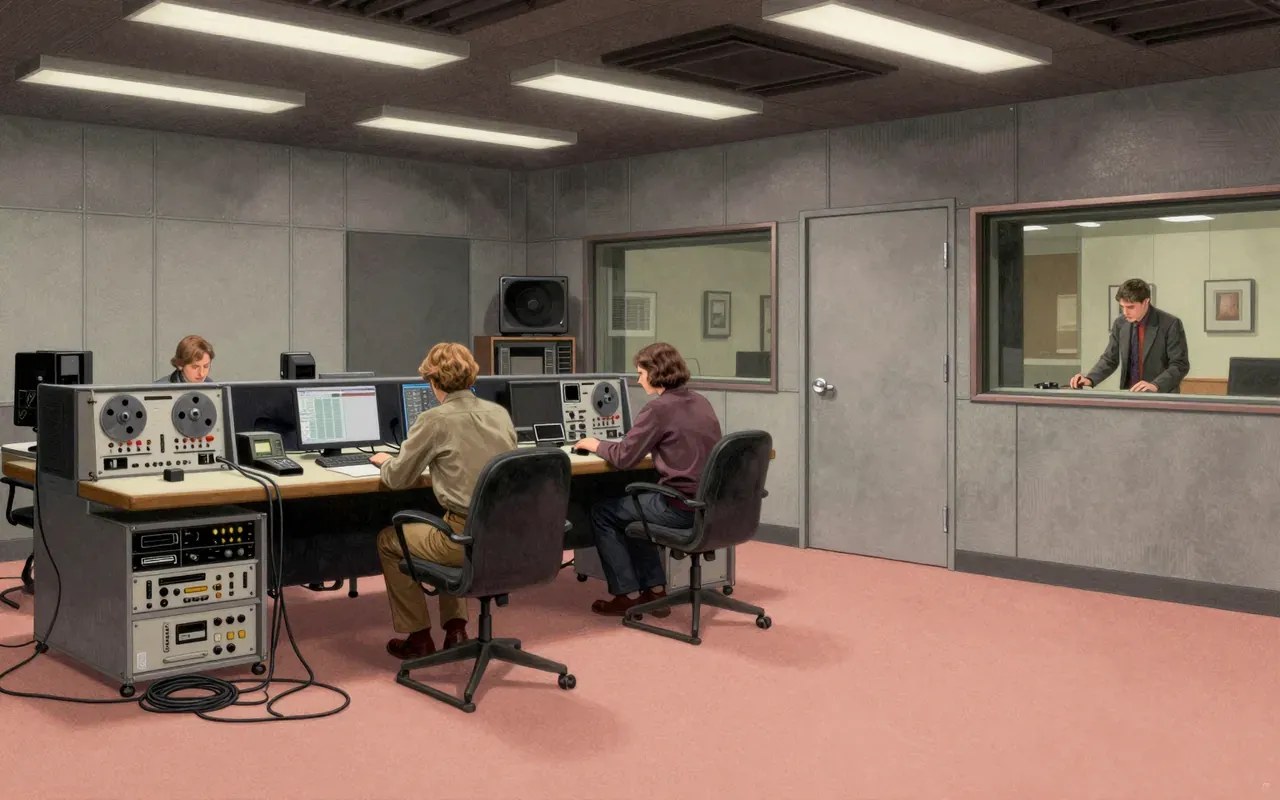
The Trident Series 24 is an analog mixer made by Trident. No specifications, availability, usage history, or technical details are provided in the source. It is documented only as a category and manufacturer assignment.
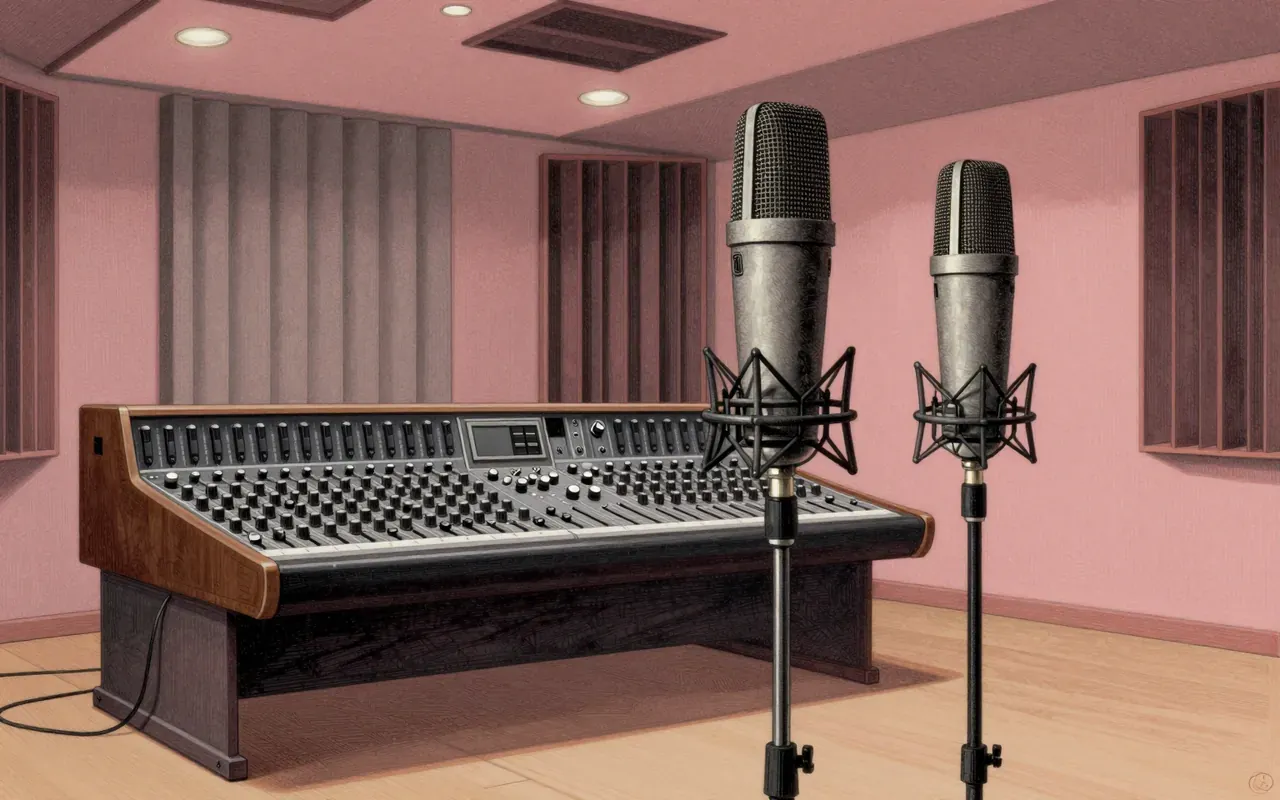
The AKG C414 is a series of large diaphragm condenser microphones. Thirteen variants exist. Two are matched pairs: the XLII and the XLS. All share the same functional category. None are described by frequency response, noise floor, or circuit details in the source.
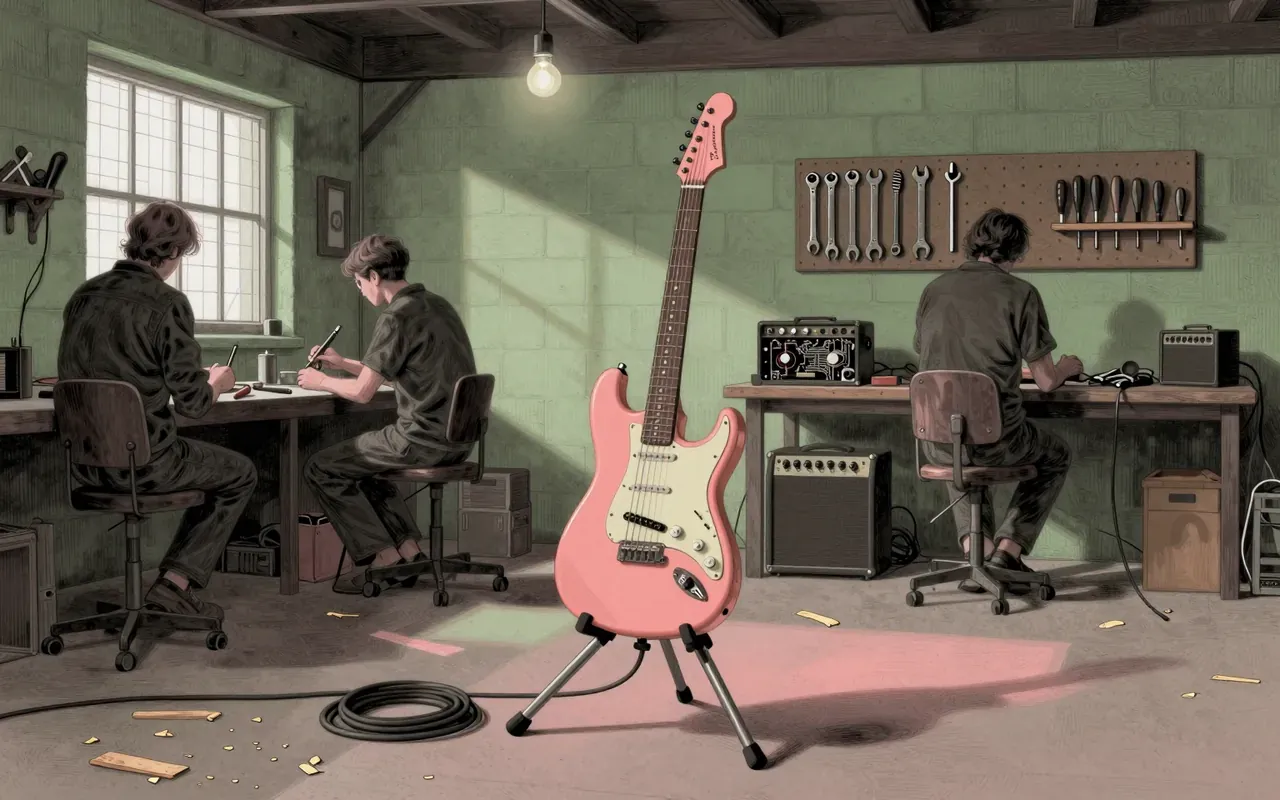
The Fender Lead III is a discontinued STC-shaped electric guitar with a smaller body and small-size neck designed for lead playing. Its pickup configuration delivers a wide tonal range: crunchy distortion from the bridge pickup and smooth clean tones from the neck pickup.
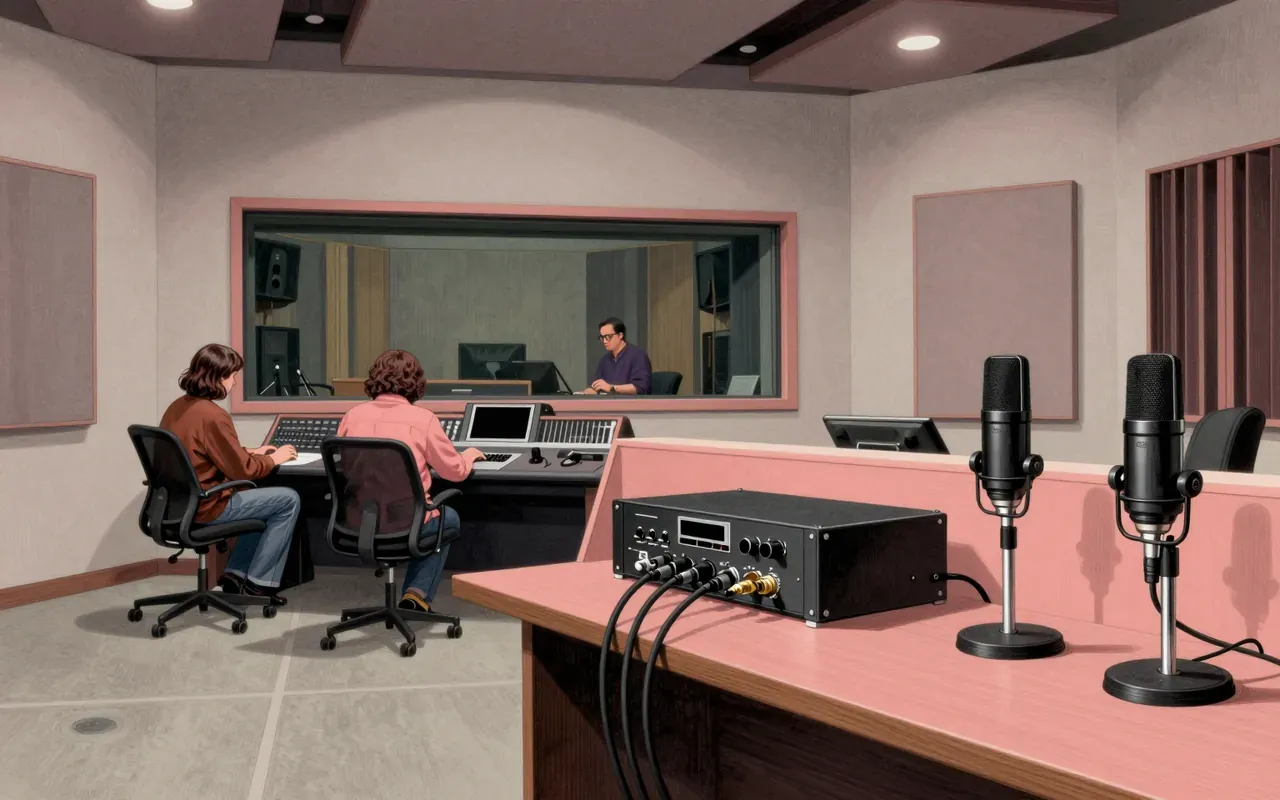
The Portico 5012 is a solid-state mic preamp with intuitive gain staging and a subjective Silk function that transforms its clean base tone into something euphoric — but unpredictable.
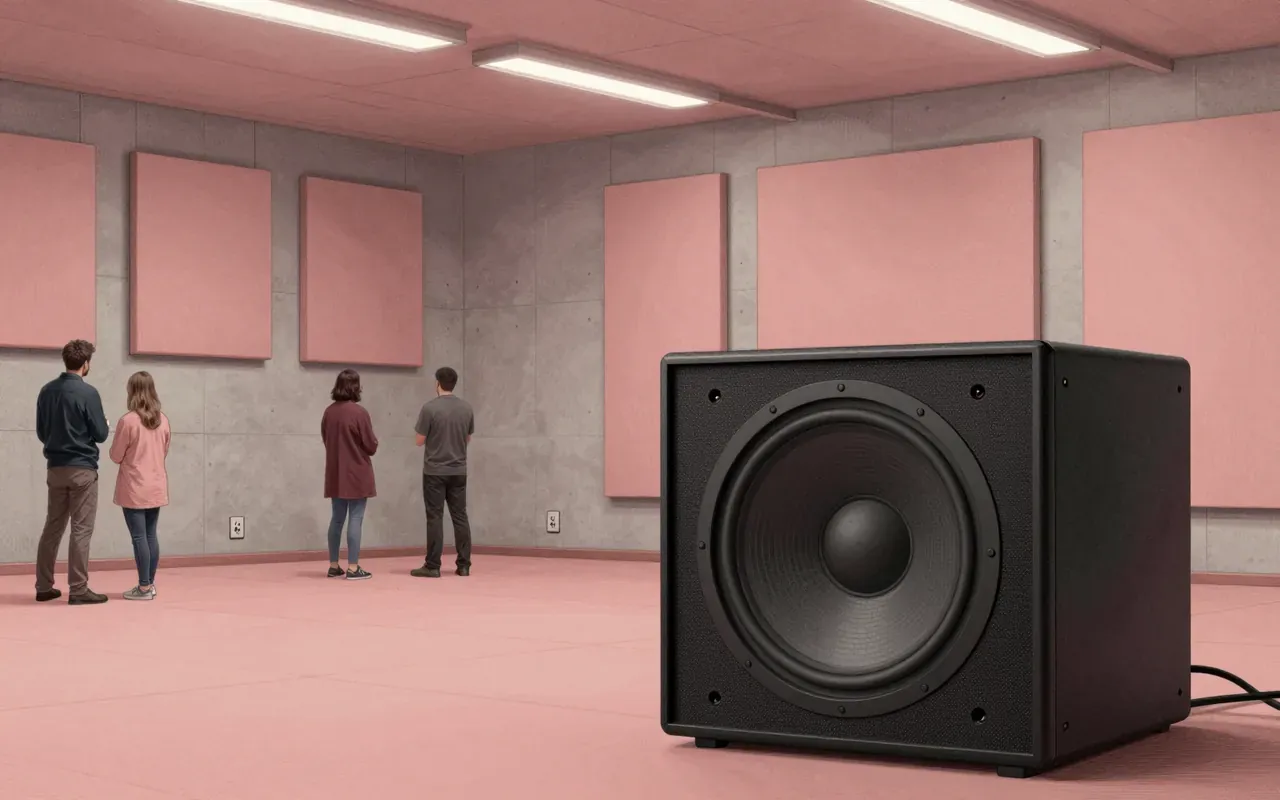
The Tannoy Reveal is a discontinued passive monitor. It delivers dynamic, clear sound with surprising output for its size — but trades neutrality for listenability. Its low end fades before 65 Hz. Its stereo image depends on precise tweeter alignment. Magnetic shielding works flawlessly near screens. Users call it hi-fi, not monitoring — loudness-coloured, not flat.
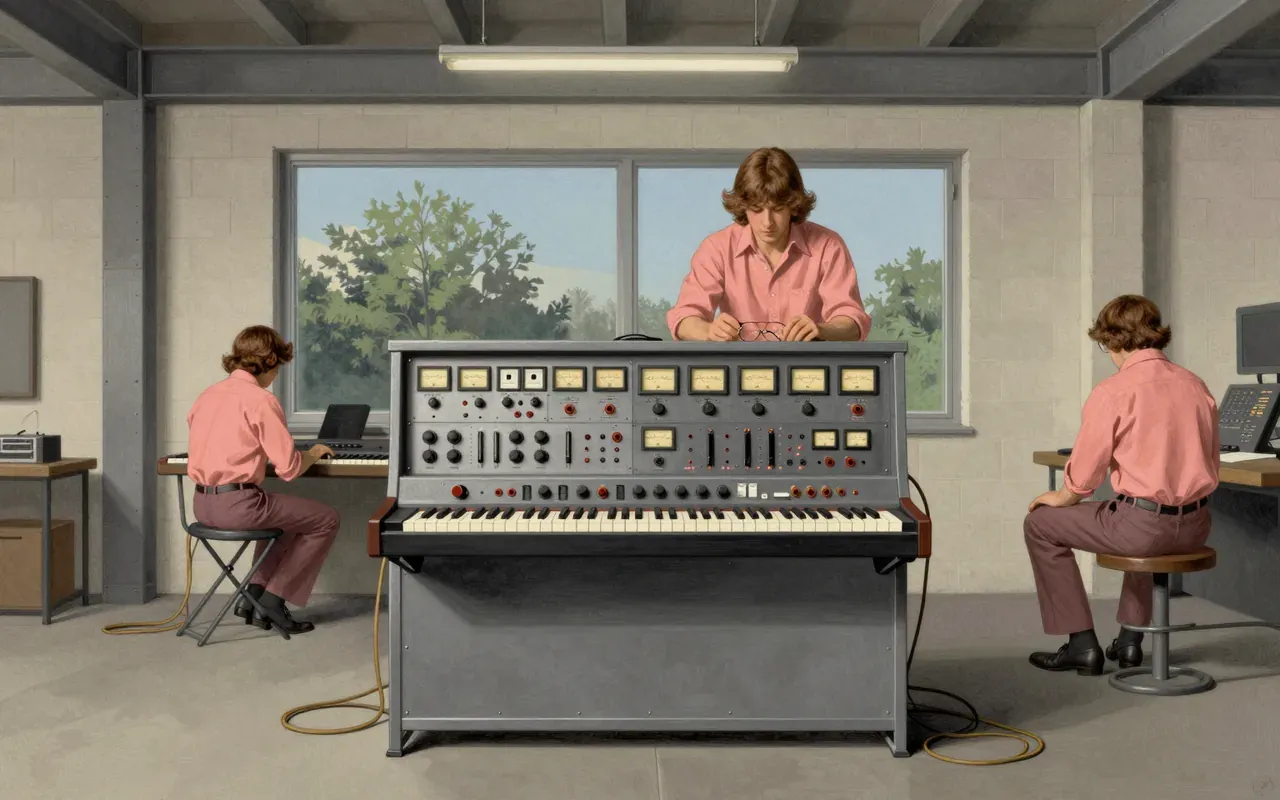
The E-mu Modular System is an analog modular synthesizer introduced in 1972 by E-mu Systems as a competitor to ARP and Moog modular synthesizers. It featured a microprocessor-controlled polyphonic keyboard and sequencer — claimed by E-mu to be the first of its kind — and allowed sound creation via patch cord routing among user-specified modules. Users could store configurations using 'firm-wire' patches, and the system was capable of producing any popular synthesizer sound of the era, noted for a 'cleaner' sonic character than competitors.
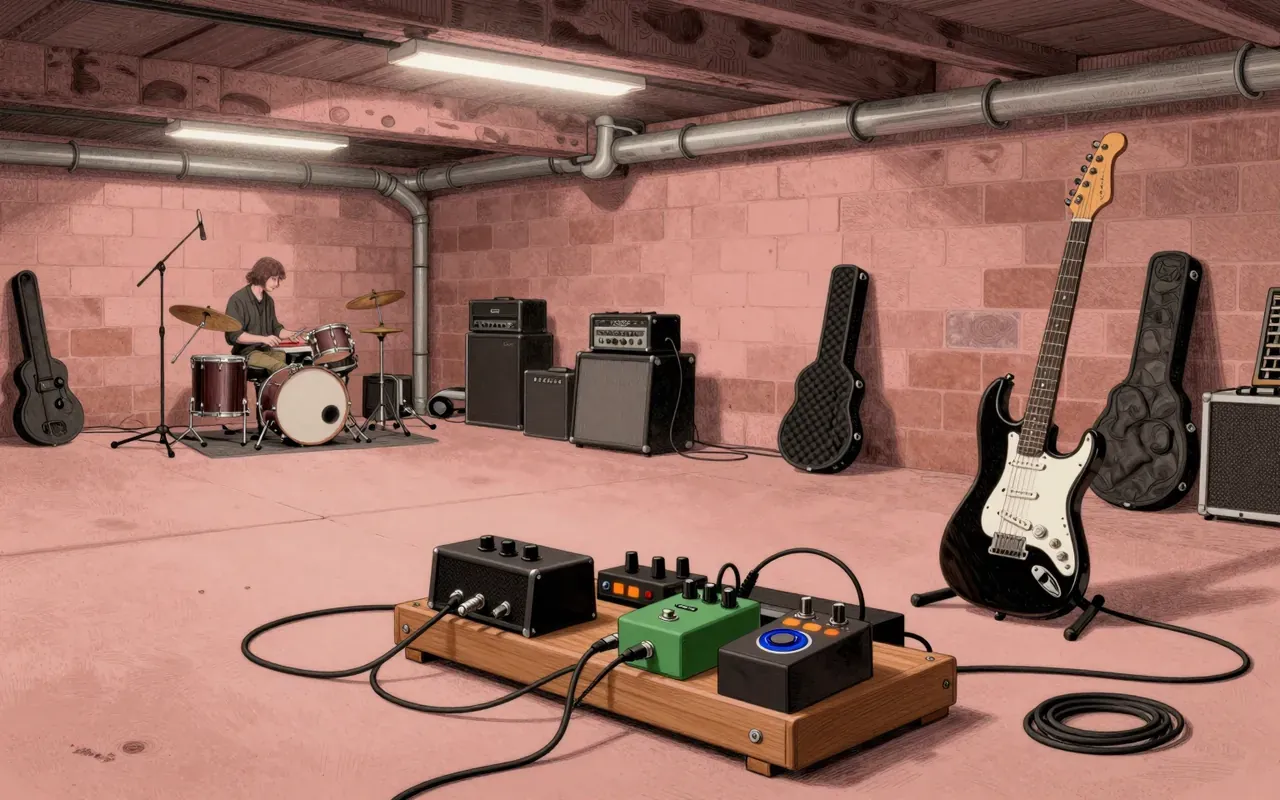
The Electro-Harmonix Deluxe Memory Man is an analog delay pedal introduced in 2008, offering up to 550ms of delay, selectable chorus or vibrato modulation, true bypass switching, and mono audio I/O.
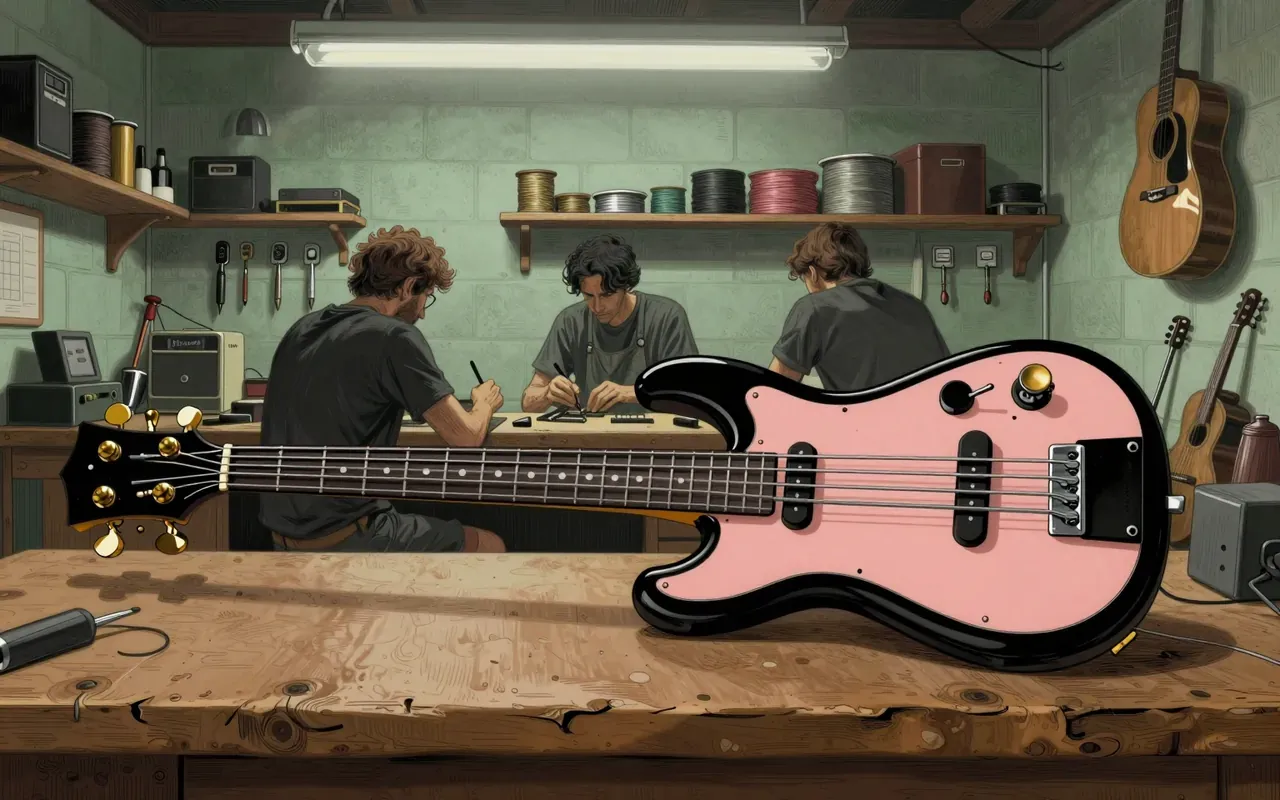
The Gibson Ripper is a purpose-built electric bass: set-neck, two Bill Lawrence Super Humbuckers, and a Q System circuit that prioritises midrange control over flexibility. It delivers punch and presence but withholds neck-pickup isolation and tonal versatility.
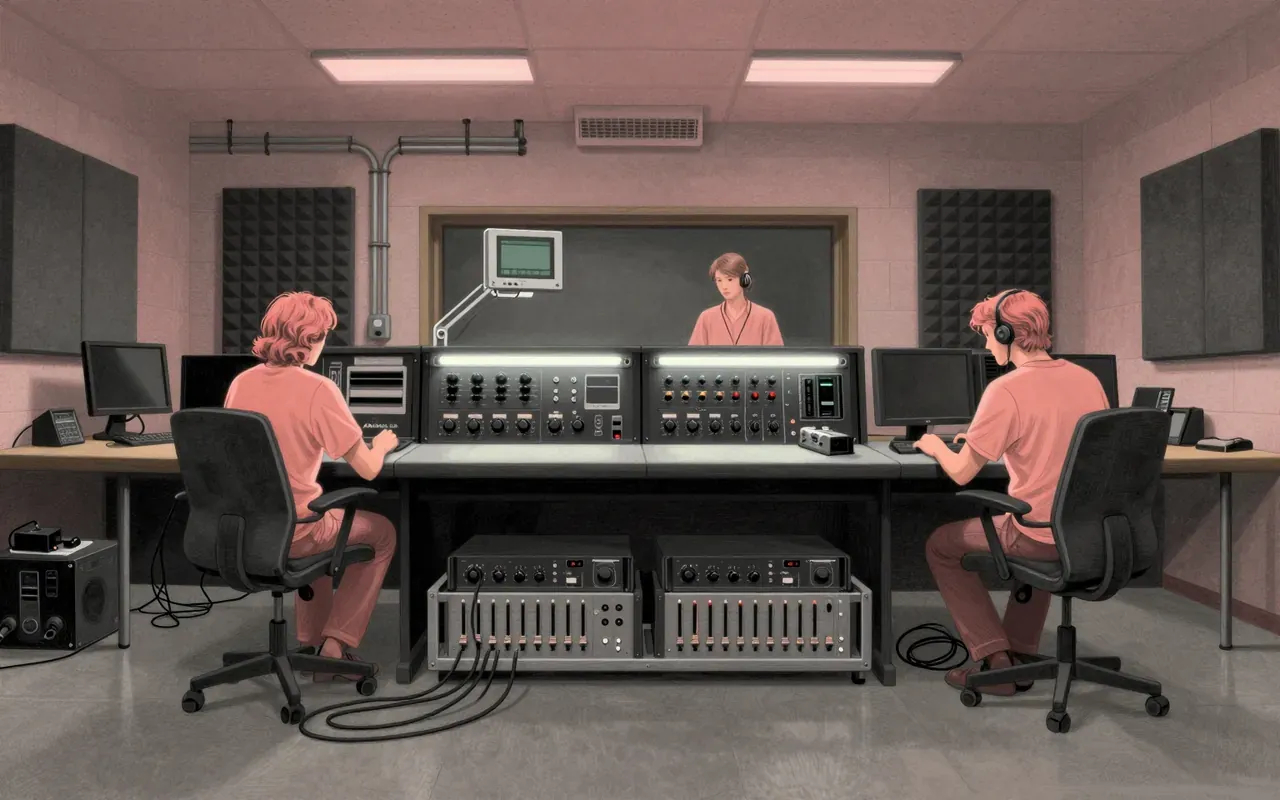
The Akai S6000 is a 1999 rack sampler. It supports up to 256 MB RAM, optional SCSI hard drives, virtual hard disk sampling, and remote operation via detachable RS-232 screen. Its 26 filter types and extensive modulation routing enable synthesis from single-cycle waveforms. OS 2.14 resolved major bugs in OS 1.0. It includes a large built-in sound library.

The Yamaha SPX90 is a 1985 digital multi-effects processor in a 1U rack. It offers discrete or combinable effects — reverb, echo, chorus, flanger, phaser, compression, pitch shifting, distortion, tremolo, and delay — but no concurrent processing. Audio is 12-bit, sampled at 31.25 kHz, with a maximum frequency response of 12 kHz. MIDI supports program recall only, not editing. Front-panel controls are simple and direct. It delivers character, not clarity.
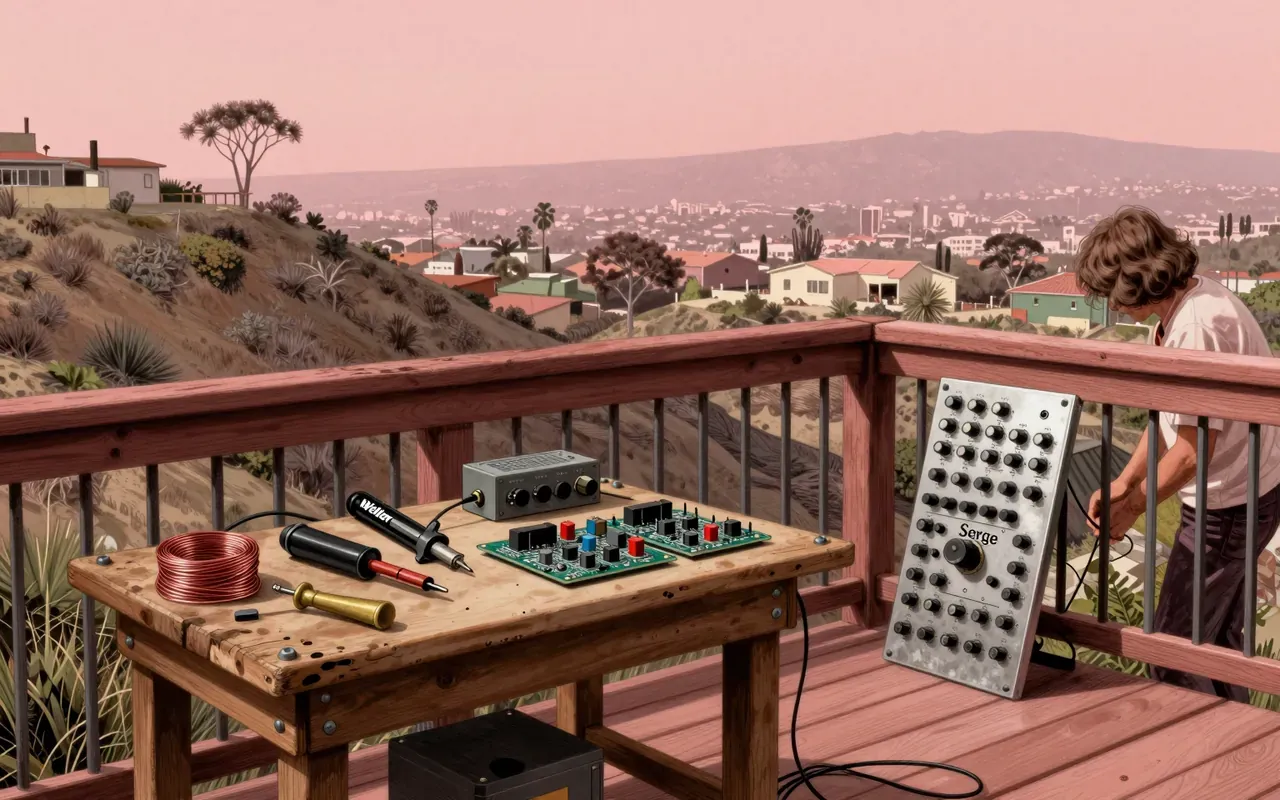
The Serge synthesizer is an analogue modular system developed at CalArts in late 1972. It was built to be inexpensive and powerful, a democratic alternative to Buchla systems. It shipped as DIY kits assembled unofficially on a CalArts balcony. Modules expose circuit aspects on the front panel for unconventional patching. All signals use banana jacks—no separation between audio and control voltage. Stackable banana plugs reduce the need for mults. One unit was used on the 1975 Greenpeace anti-whaling expedition to approximate and broadcast whale sounds.
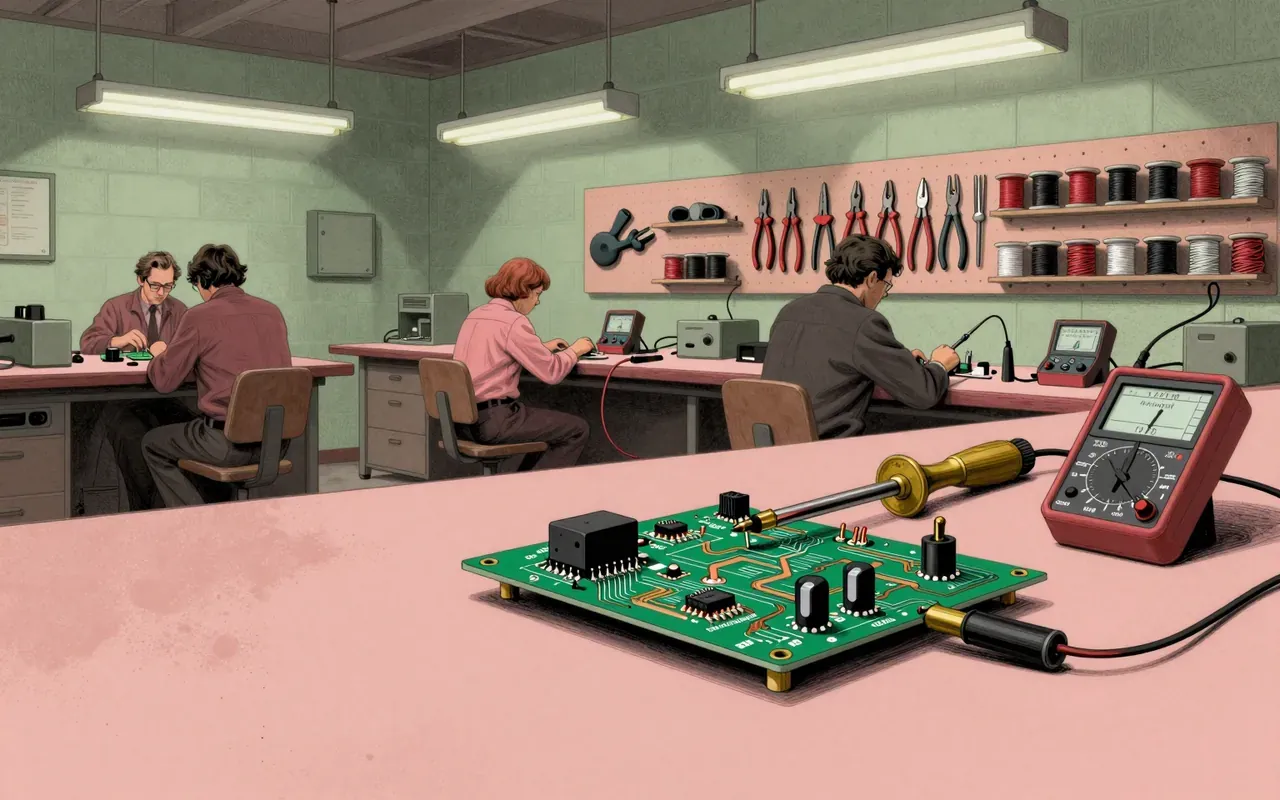
The MXR Micro Amp (M133) is an op-amp boost pedal released in 1978. It has a single volume control and offers 26 dB of boost, meant to add volume or distortion, depending on where it sits in the signal chain, without colouring the tone. It has become perhaps the most commonly used boost pedal on the market.
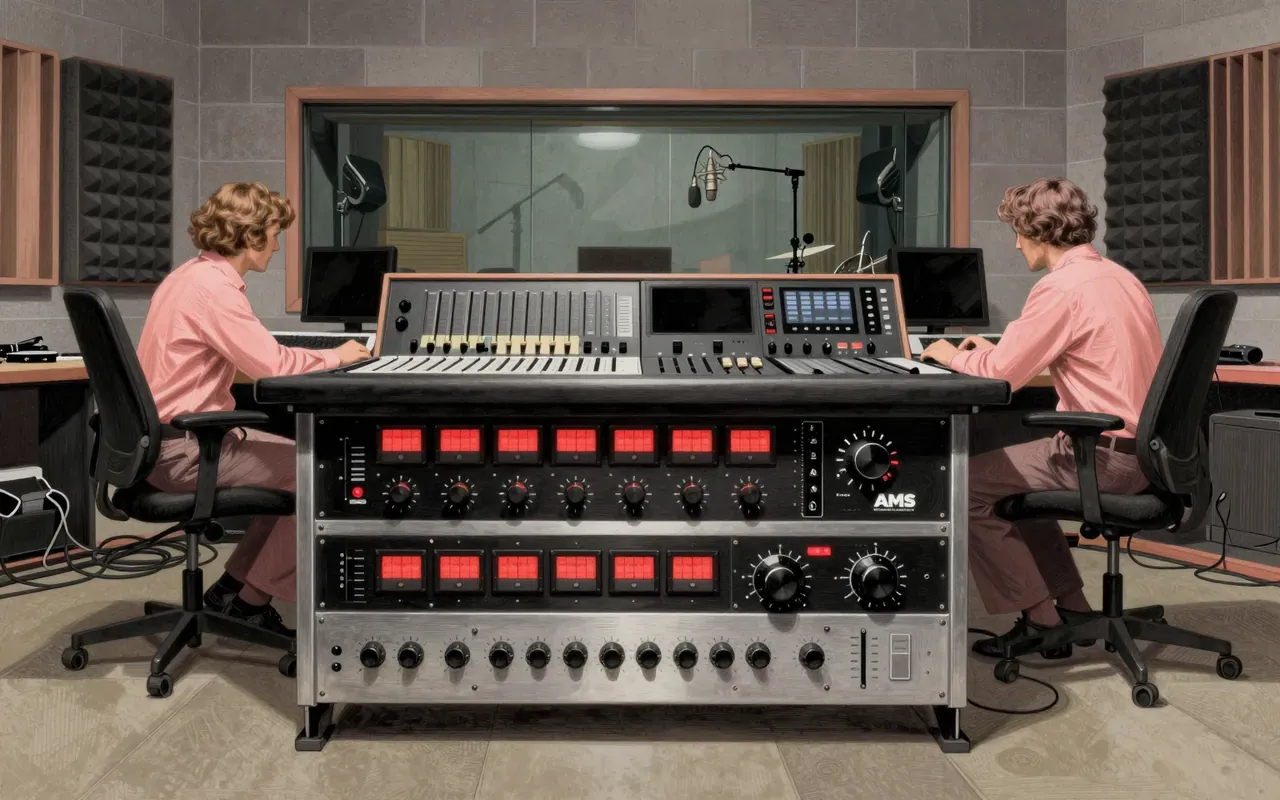
The AMS RMX16 is a UAD-only reverb plug-in. It requires UA hardware. It costs $349. It arrived in UA Software 1.7. It gives one sound — nothing more.
The Focusrite ISA 110 is a discontinued solid-state microphone preamplifier. It belongs to Focusrite’s ISA series. It was replaced by the ISA 430 MKII. It is no longer sold.
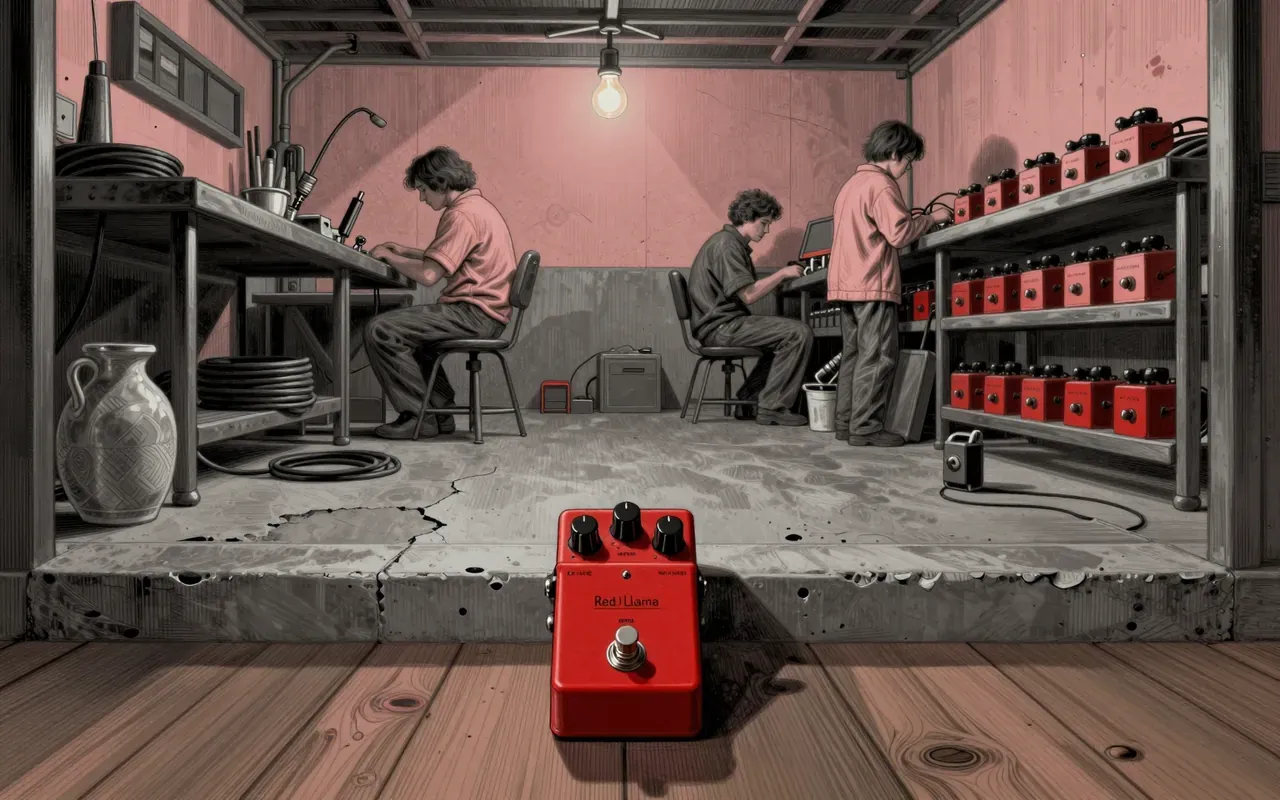
The WM23 Smalls Red Llama Overdrive MKIII is an overdrive pedal made by Way Huge Electronics. It costs $150 including VAT. That is all that is verified.

The 'List of vocoders' is not an instrument. It is a sparse, unattributed enumeration of models and band counts. It contains no operational detail, no historical context for the devices, and no connection to the Roland Corporation. It is a footnote masquerading as a subject.
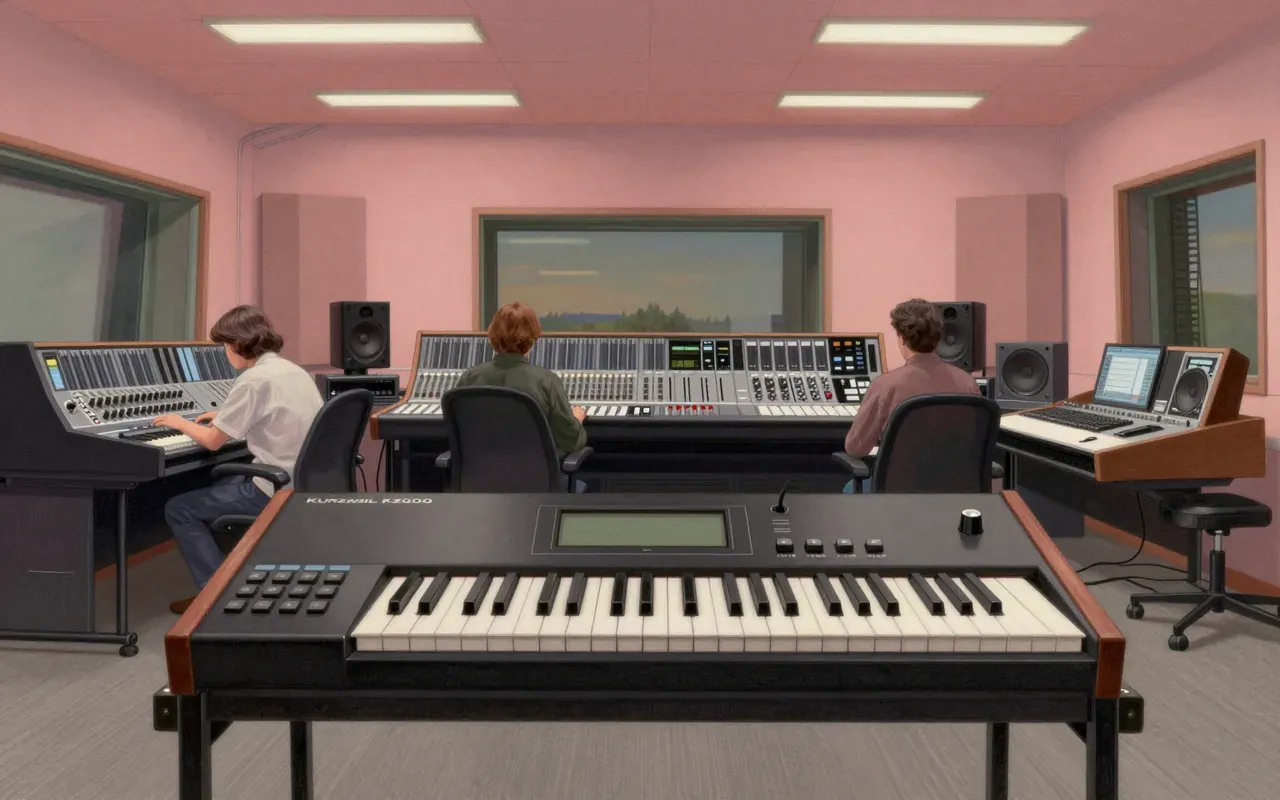
The Kurzweil K2000 is a digital synthesizer and music workstation introduced in 1991, built around the V.A.S.T. digital signal processing architecture. V.A.S.T. allows users to select different signal paths containing different DSP functions for sound creation and shaping. It includes an extensive modulation system where modulation sources can be assigned to parameters and combined. The instrument was available in keyboard and rack-mountable formats and included 16-bit user sampling.
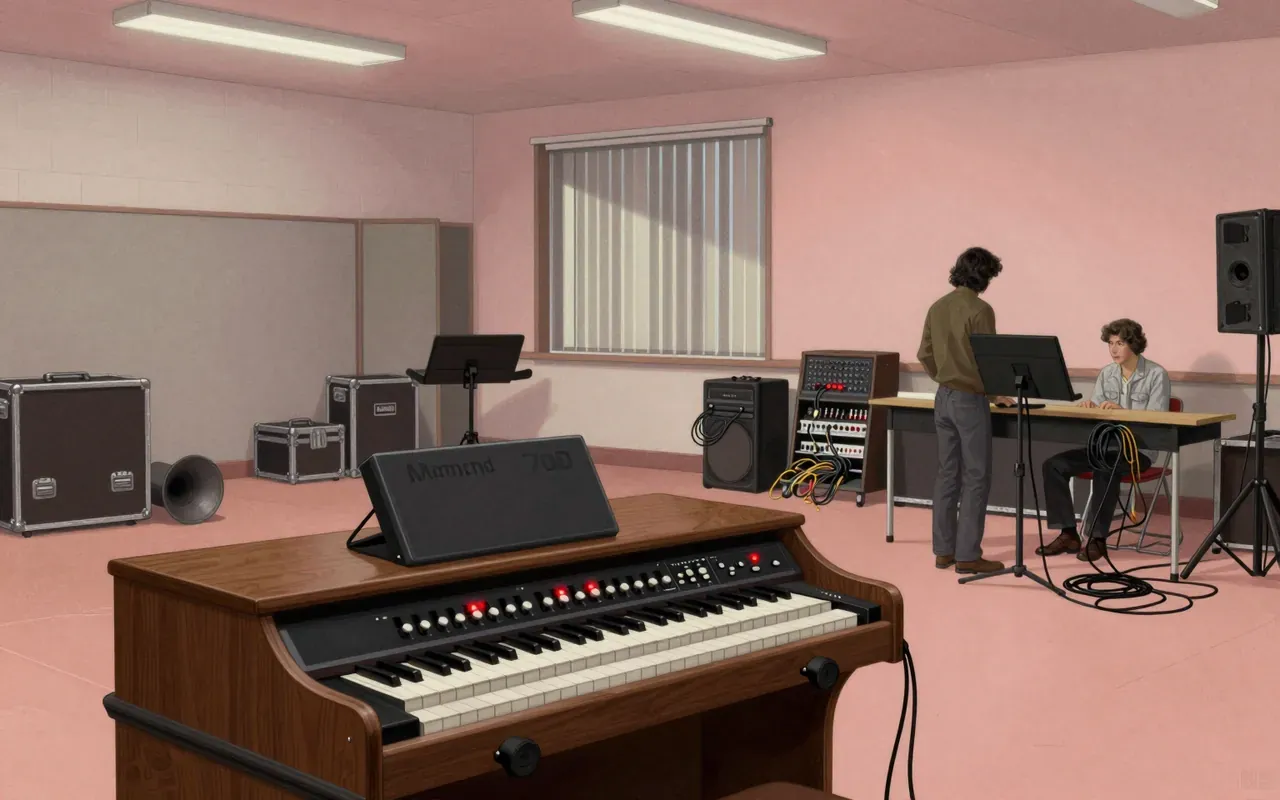
The miniKORG 700 is Korg’s first monophonic analog synthesizer, released in 1973. Designed for organists, it sits atop an organ with controls facing upward. It features five oscillator waveforms including two pulse-width modulation variants, an envelope with attack and 'singing' (decay/release), a 'sustain' toggle that functions only as release, and a dual-filter 'Traveler' system with a safety constraint preventing silence. Its filters produce vocal-like sounds.

The Watkins Copicat is a valve-based tape echo unit introduced in 1958. It features three replay heads, a selector switch, and a feedback loop for variable echo-repeat. It was designed to be simple, affordable, and portable. It was one of the first commercially available tape delay units and preceded other major European echo units. The first production run of 100 units sold out on the first day.
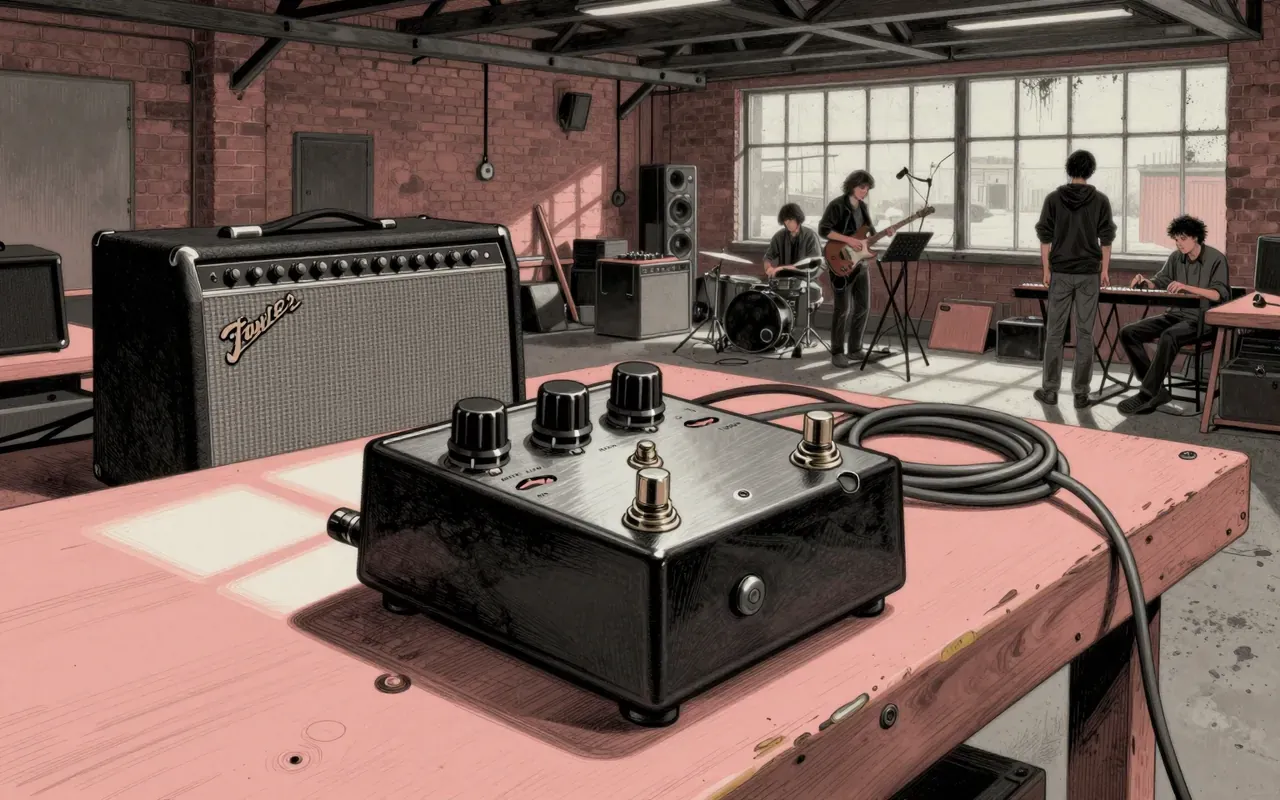
The Electro-Harmonix Deluxe Memory Man Mk4 is an all-analog stomp-box delay/echo pedal with built-in chorus and vibrato. It has no MIDI, no computer editing, no rack-mount capability, and requires a 24-volt power supply. It features a 1/4-inch input, a dry output, and a dedicated echo output for routing to a separate amplifier.

The Tascam Portastudio 144 is a four-track analog cassette recorder. It was used by adolescents for home multitrack recording in 1981. It lacked dBX noise reduction but functioned effectively. It enabled users to record and mix music at home, creating a personal musical environment.
Rings is an 'other module for modular synthesizer' made by Mutable Instruments. That is all the source confirms. It is not described as a resonator, a physical modeller, or a filter. It is not assigned a year, format, or synthesis method. Its role is defined solely by its category and manufacturer.
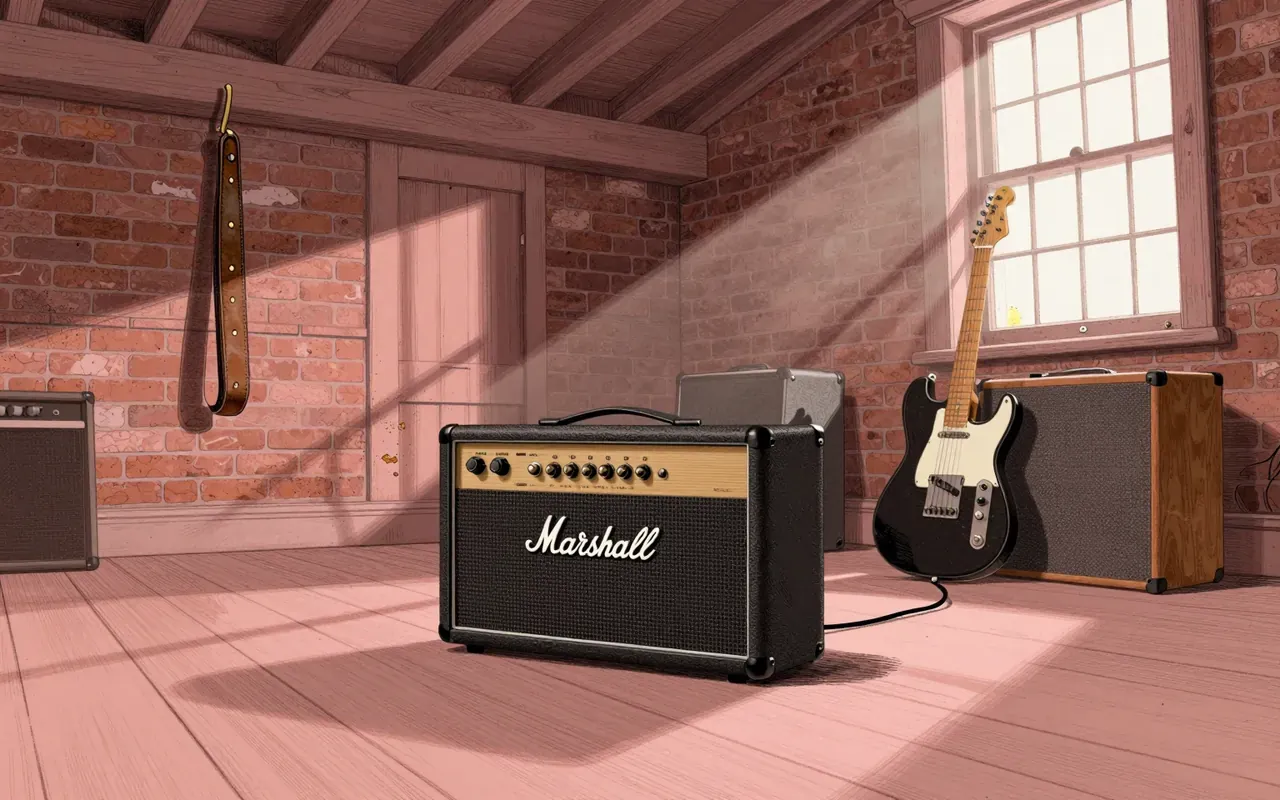
The Marshall JTM45 is Marshall's first guitar amplifier, prototyped in 1962 and produced from 1963. It was developed as a British alternative to Fender amplifiers, using a modified Fender Bassman circuit with a 12AX7 preamp valve, Celestion speakers in a closed cabinet, and a modified negative feedback circuit that altered harmonic content. Its name reflects Jim and Terry Marshall and its 45-watt RMS rating.
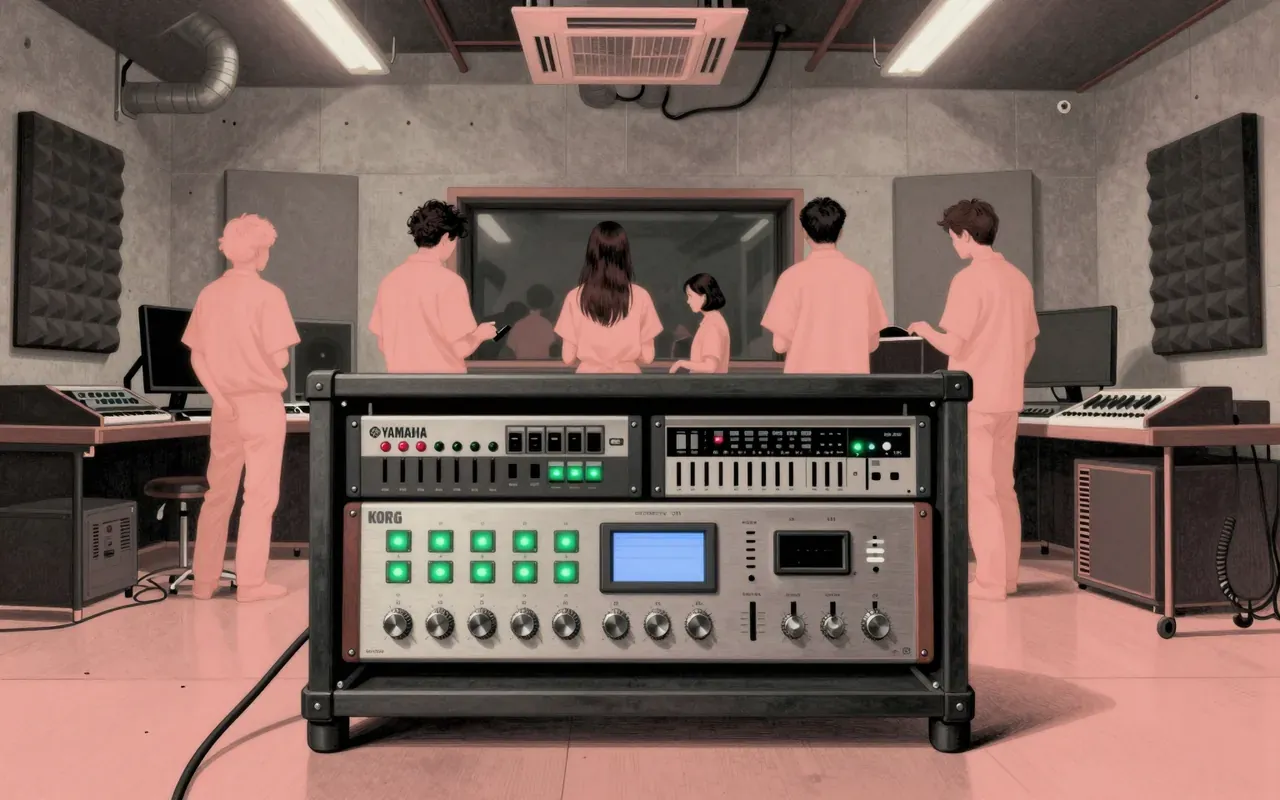
The Korg Wavestation is a vector and wavetable synthesizer introduced in 1990. It uses Wave Sequencing — a method of multi-timbral sound generation using successively played PCM waveforms — combined with Advanced Vector Synthesis, allowing dynamic mixing and morphing between up to four oscillators. It enables crossfading up to 255 waveforms, jumping to any PCM wave in ROM, and generating complex, evolving timbres and rhythmic sequences from a single keypress. Unlike contemporaries, it lacks an onboard sequencer and is designed as a 'pure' synthesizer.
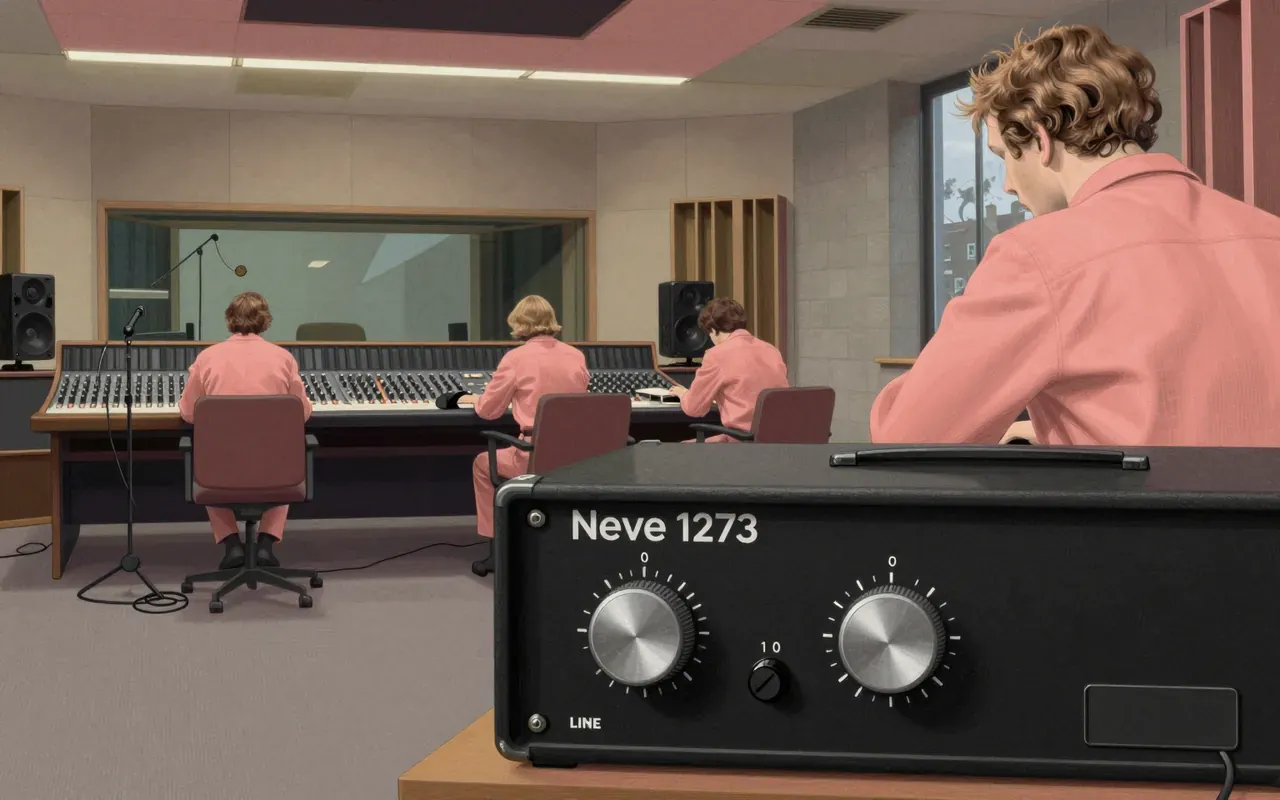
The Neve 1272 is a solid-state line amplifier. It does not accept microphone signals. It adds clean, transformer-coupled gain to line-level sources. It offers no input flexibility, no EQ, no saturation controls. Its value lies in its place in a fixed-path studio chain — not in versatility.
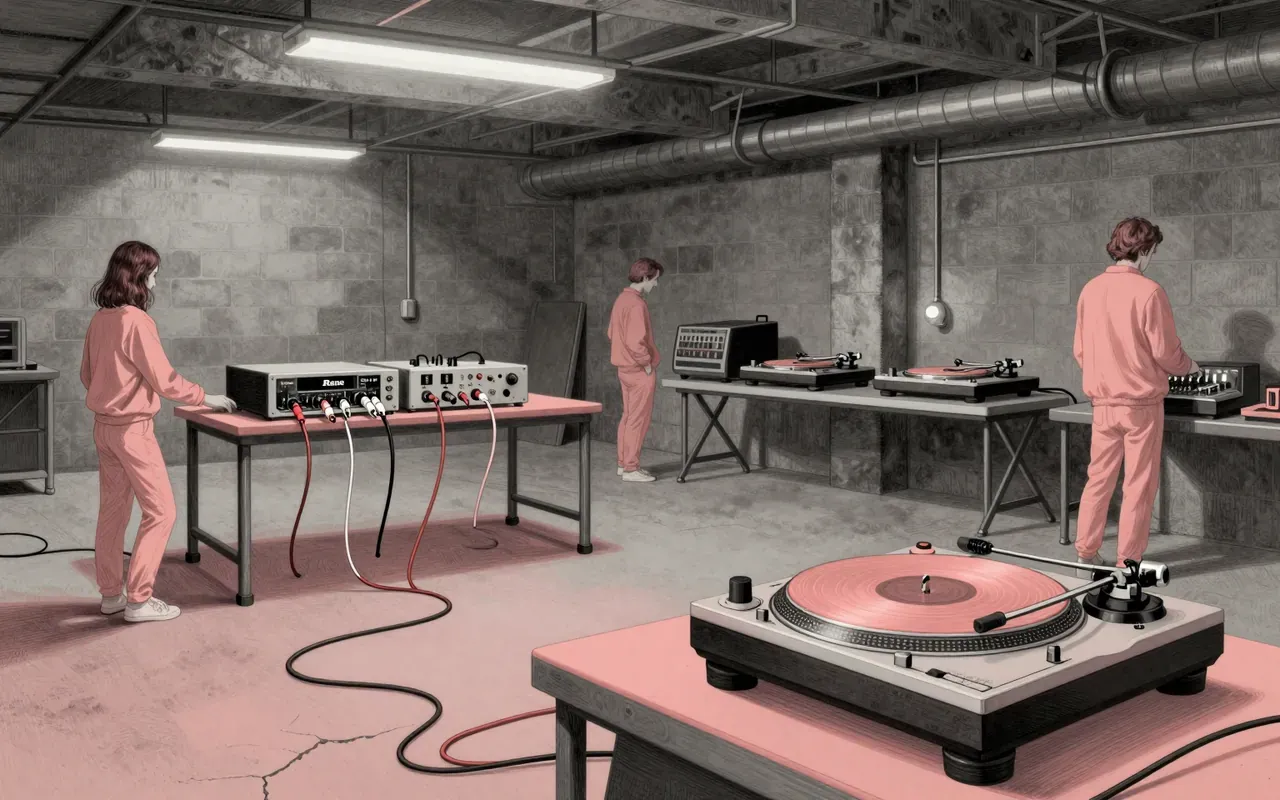
The Rane Serato SL 1 is a purpose-built bridge between vinyl and digital audio. It does one job: translating timecode signals into Serato Scratch Live 2.5. It asks for turntables, a mixer, and a laptop — and gives back stable, low-latency control. It offers no flexibility, no expansion, no autonomy. It is obsolete as a product, but functional as a node — if your setup still runs on it.
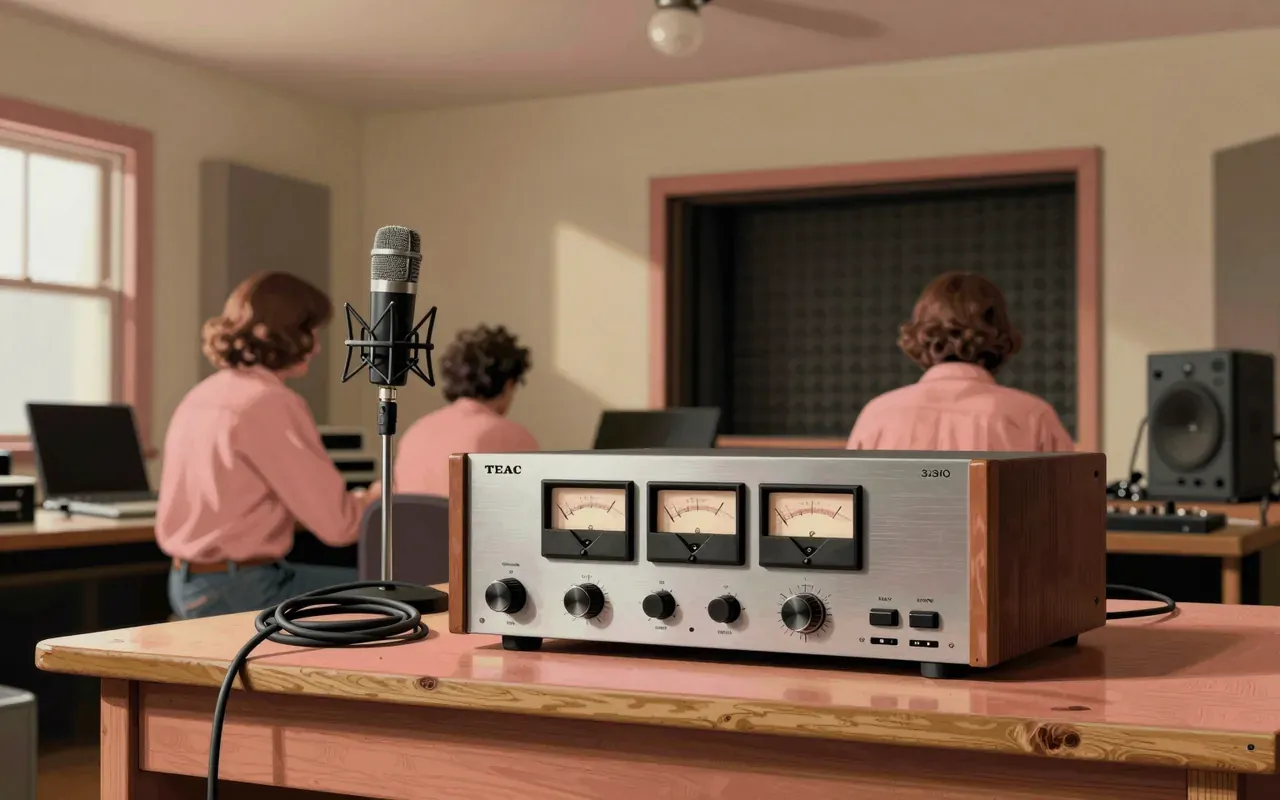
The TEAC 3340S is an analog multitrack recorder with no available technical specifications. It is identified only by category and alternate name spellings. Nothing is confirmed about its operation, sound, reliability, or creative use.
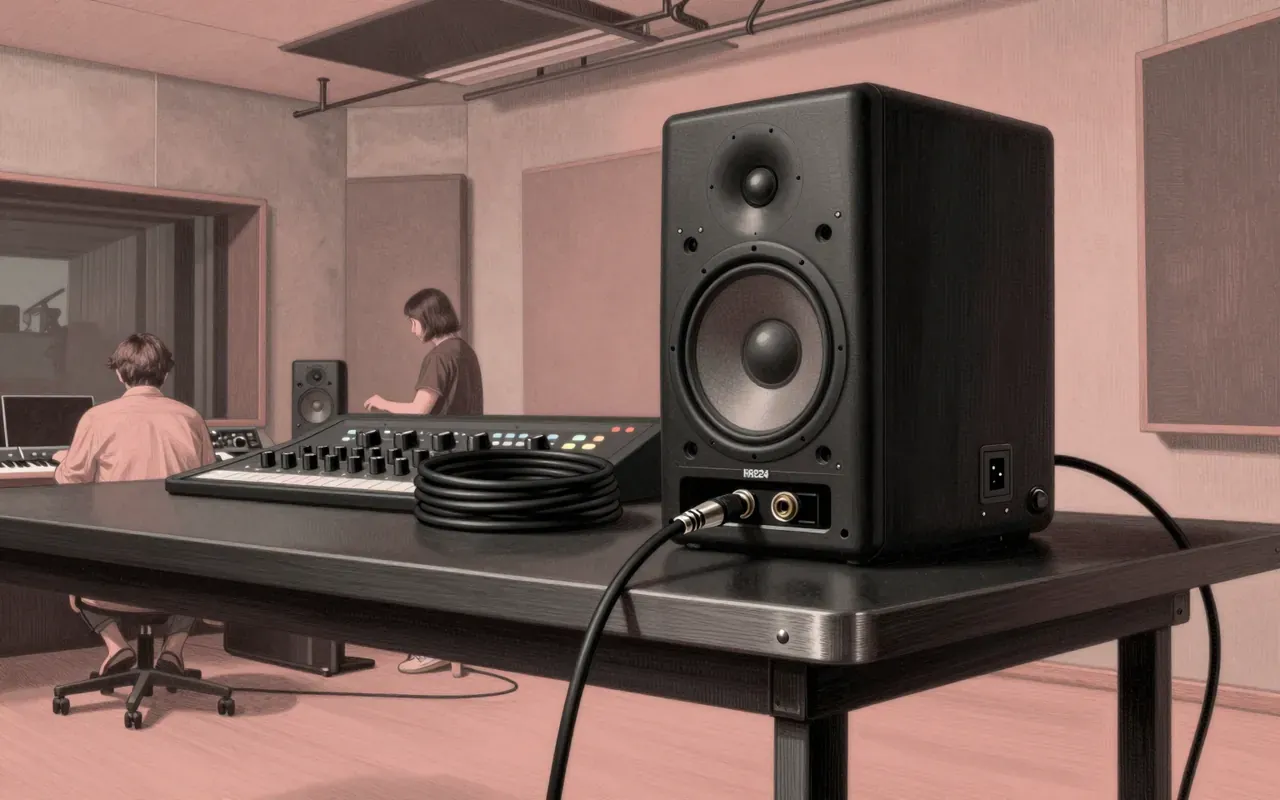
The Mackie HR824 is a discontinued, self-powered near-field monitor. Each unit has its own amplifier and power cord. It delivers uncoloured, accurate sound for critical mixing—and mixes made on it translate well elsewhere.
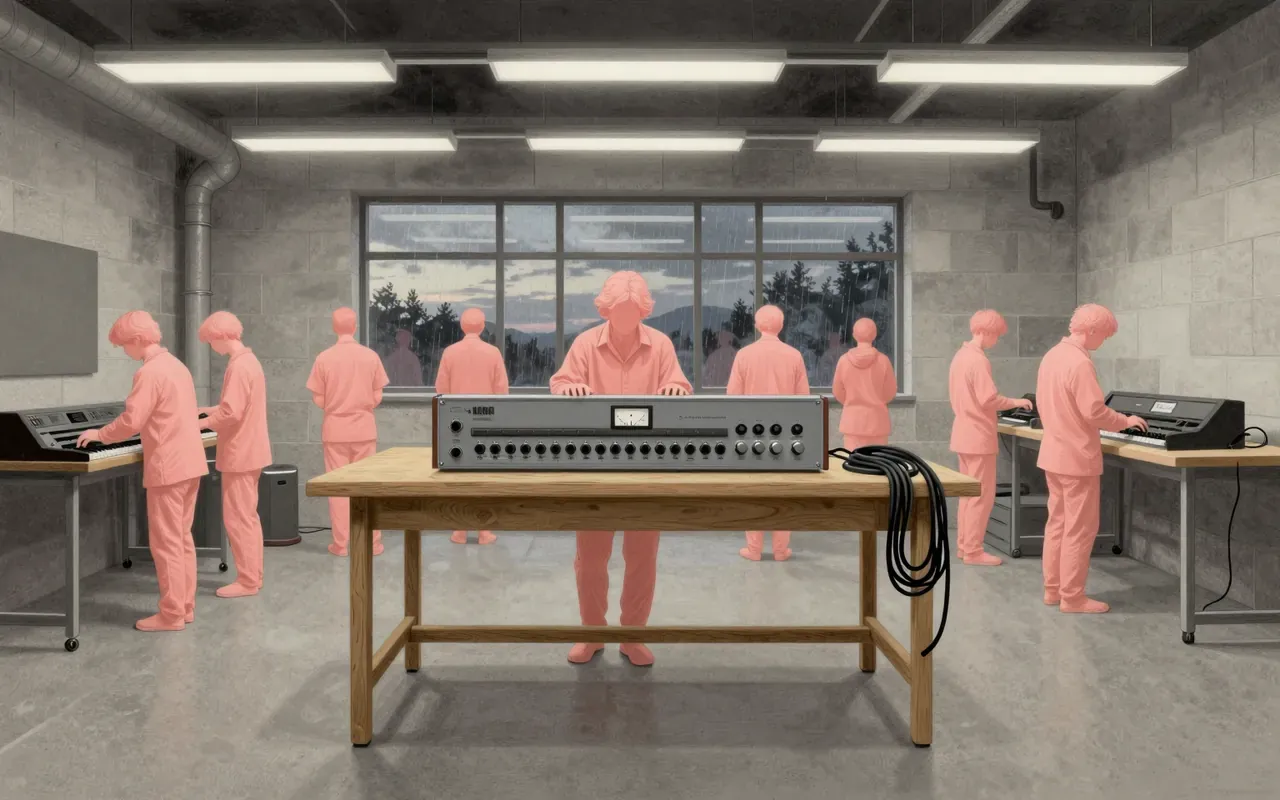
The Korg MS-50 is a 1978 keyboard-less analog expander module. It has one VCO, two VCFs (highpass and lowpass), two ADSRs, an LFO, pink and white noise, ring modulator, voltmeter, and sample & hold. It uses Hz/V CV/Gate control and was designed to complement the SQ-10 sequencer.
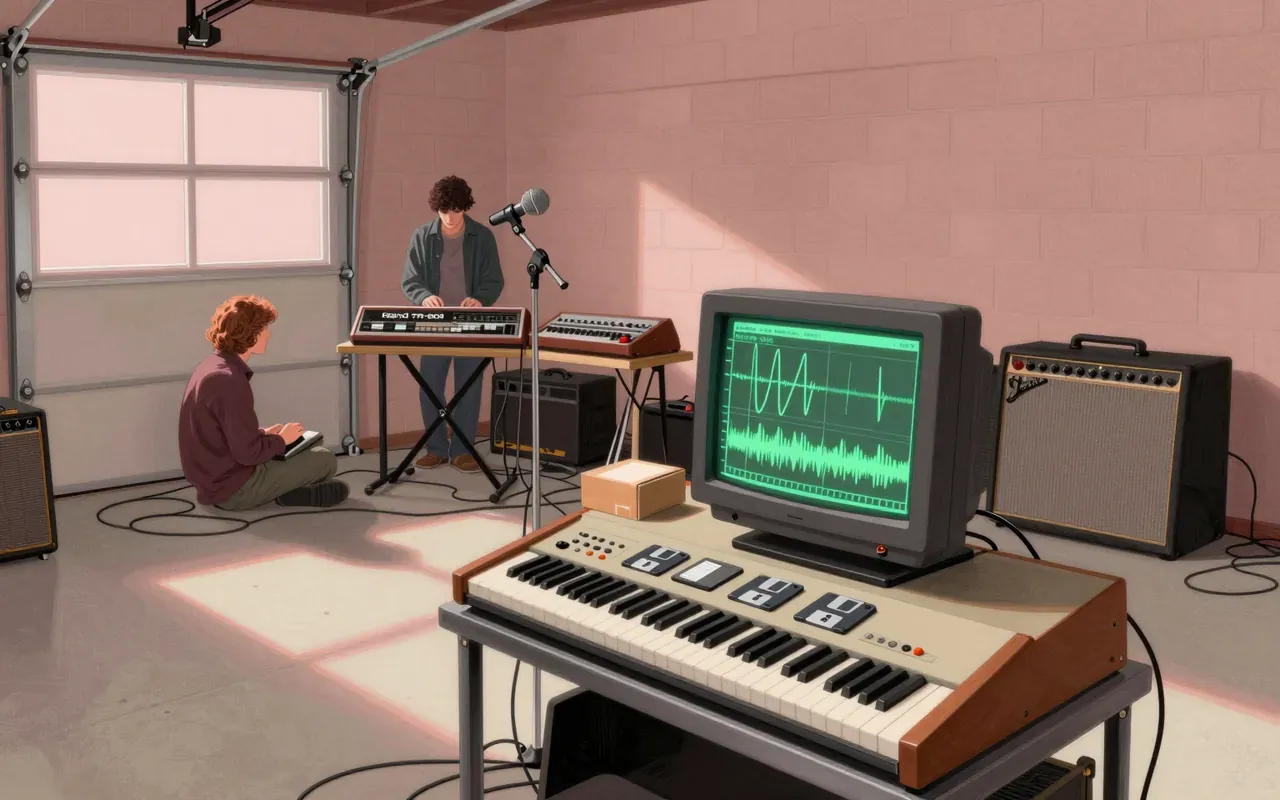
A foundational but bare-bones sampler that traded sonic refinement for accessibility.
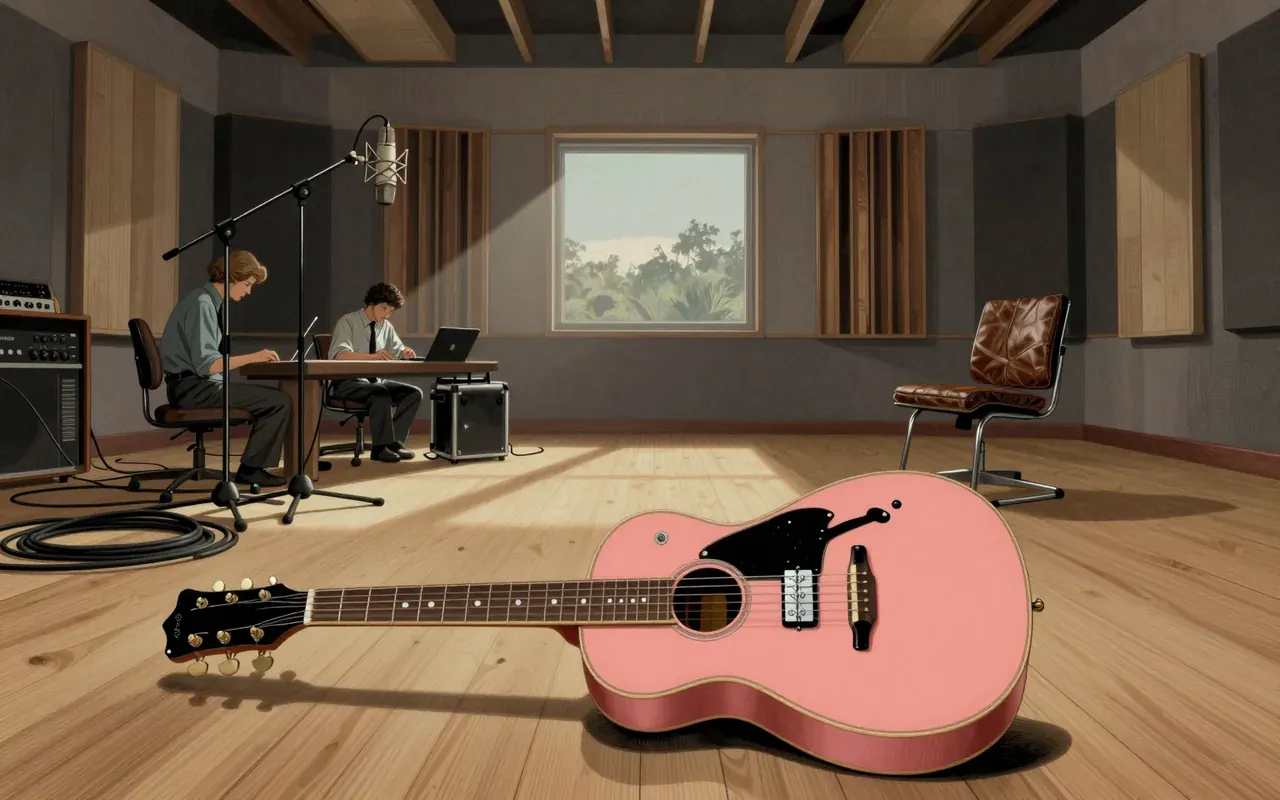
The ES-330 is a thinline hollow-body electric guitar introduced in 1959. It uses P-90 pickups and has no center block. It is prone to feedback. It was discontinued in 1972.
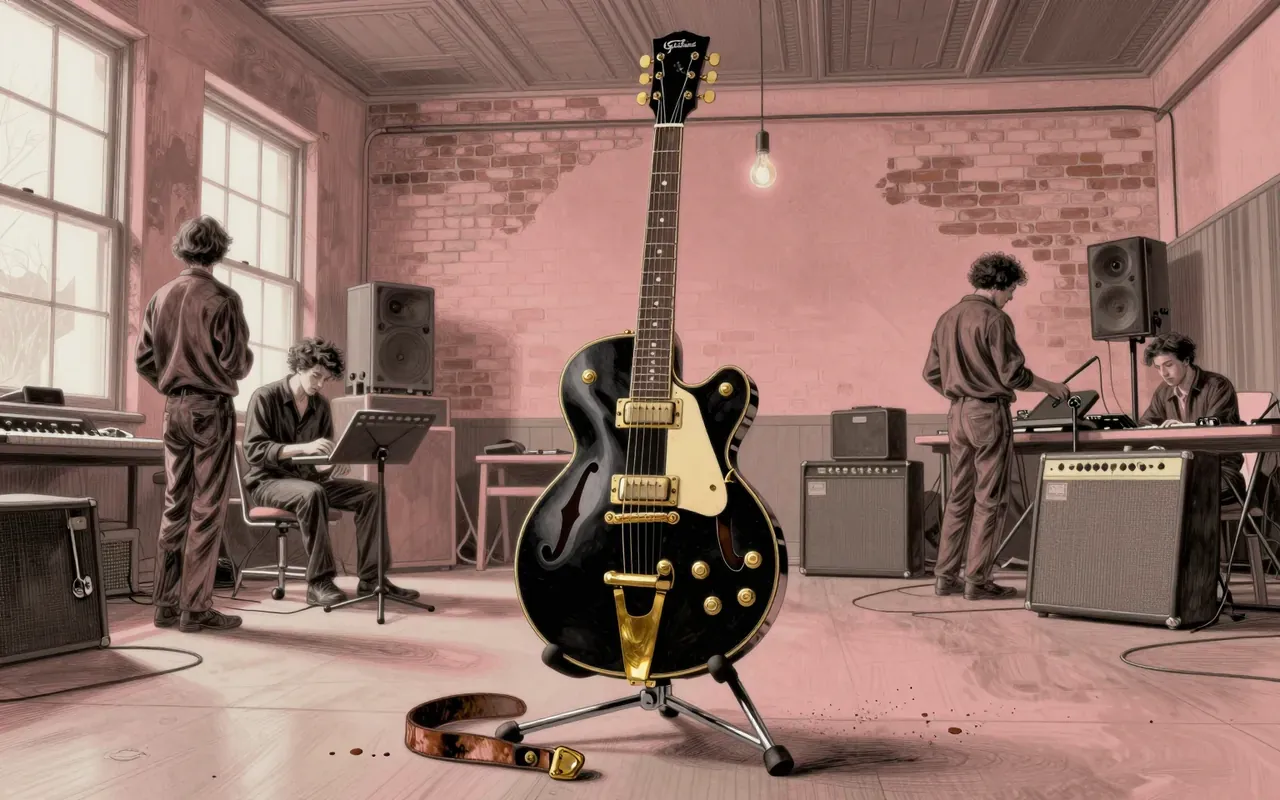
The Gretsch G6131 is a double-cutaway electric guitar with gold hardware, two Filtertron humbuckers, and a Burns vibrato — built for clarity, cut, and expressive tremolo. It excels in clean-to-moderate-gain contexts where note definition matters more than saturation or sustain. It falls short in high-gain stability, low-end tightness, and tuning retention under heavy vibrato use. Its production spanned 1962–1971, ending when Gretsch reverted to single-cut models.
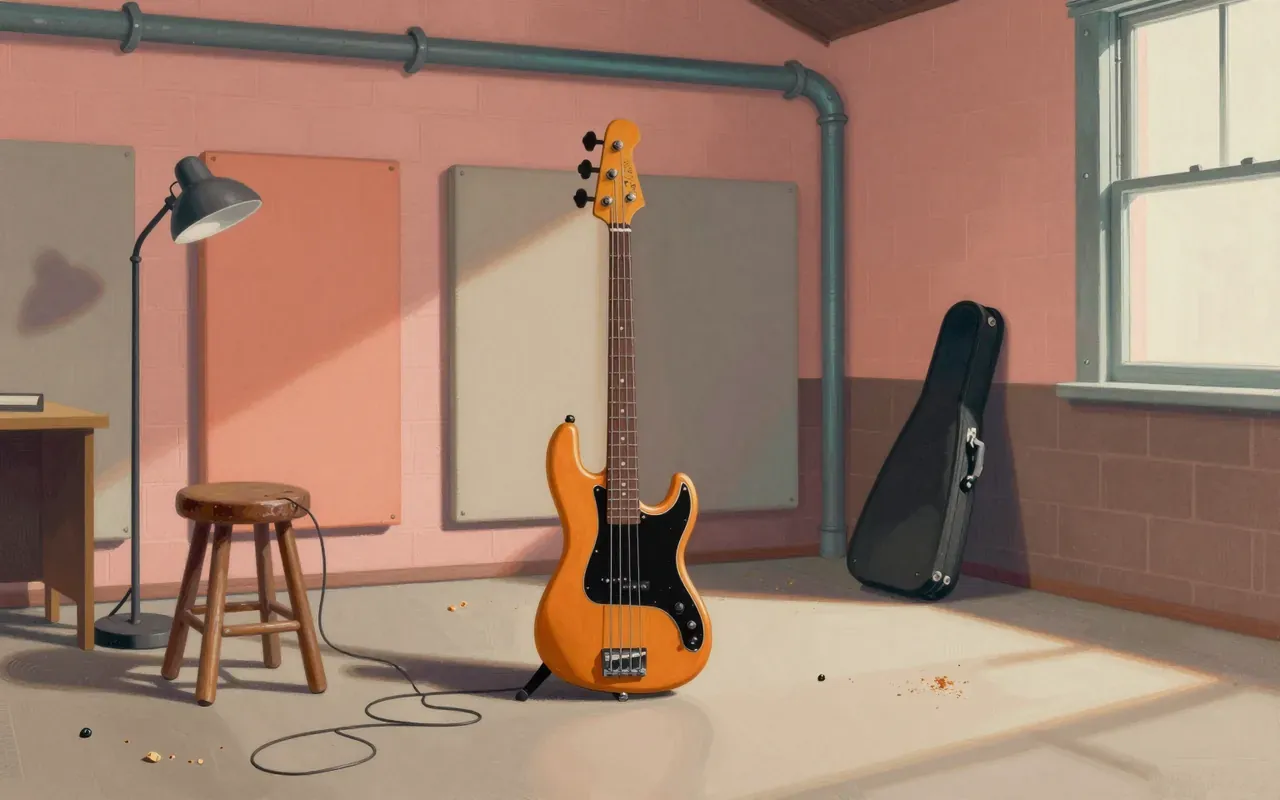
The Fender Precision Bass is a solid-body, four-string electric bass introduced in 1951. It has a 34-inch scale length, a 20-fret maple neck bolted on with four screws, and a single pickup. It produces a deep and full-bodied sound. Leo Fender designed the prototype in 1950 for big band bass players. The 34-inch scale was chosen after trial and error to balance resonance and fret spacing. Pre-1957 models used a Telecaster-style headstock; later models adopted the Stratocaster's styling.
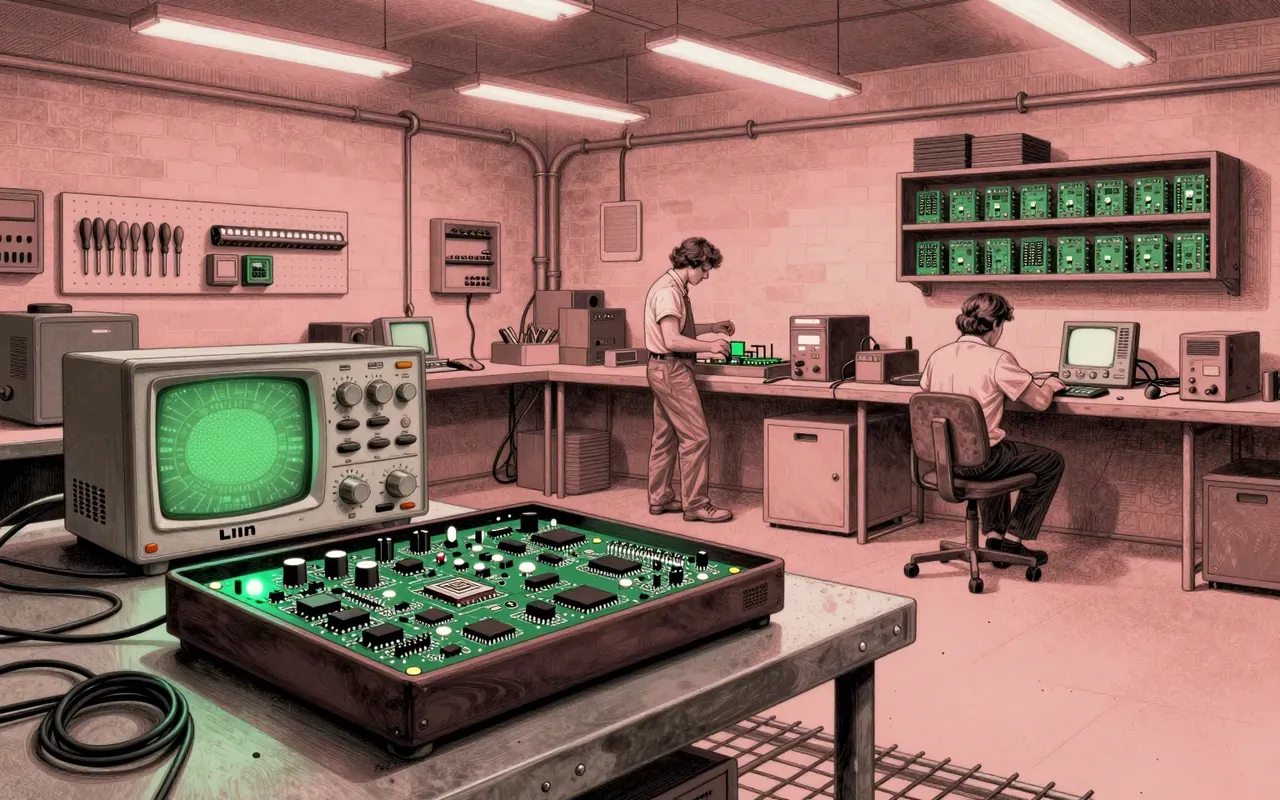
The Linn LM-1 is the first programmable drum machine to use digital samples of acoustic drums. Released in 1980, it replaced preset patterns with human-performed, non-degrading sounds. Its quantization enforced perfect sixteenth-note timing. It offered twelve fixed samples—mostly played by Art Wood—with handclaps by Tom Petty and the Heartbreakers. It had no synthesis, no editing, no velocity response, and no visual feedback beyond LEDs. It helped establish drum machines as credible tools in popular music.
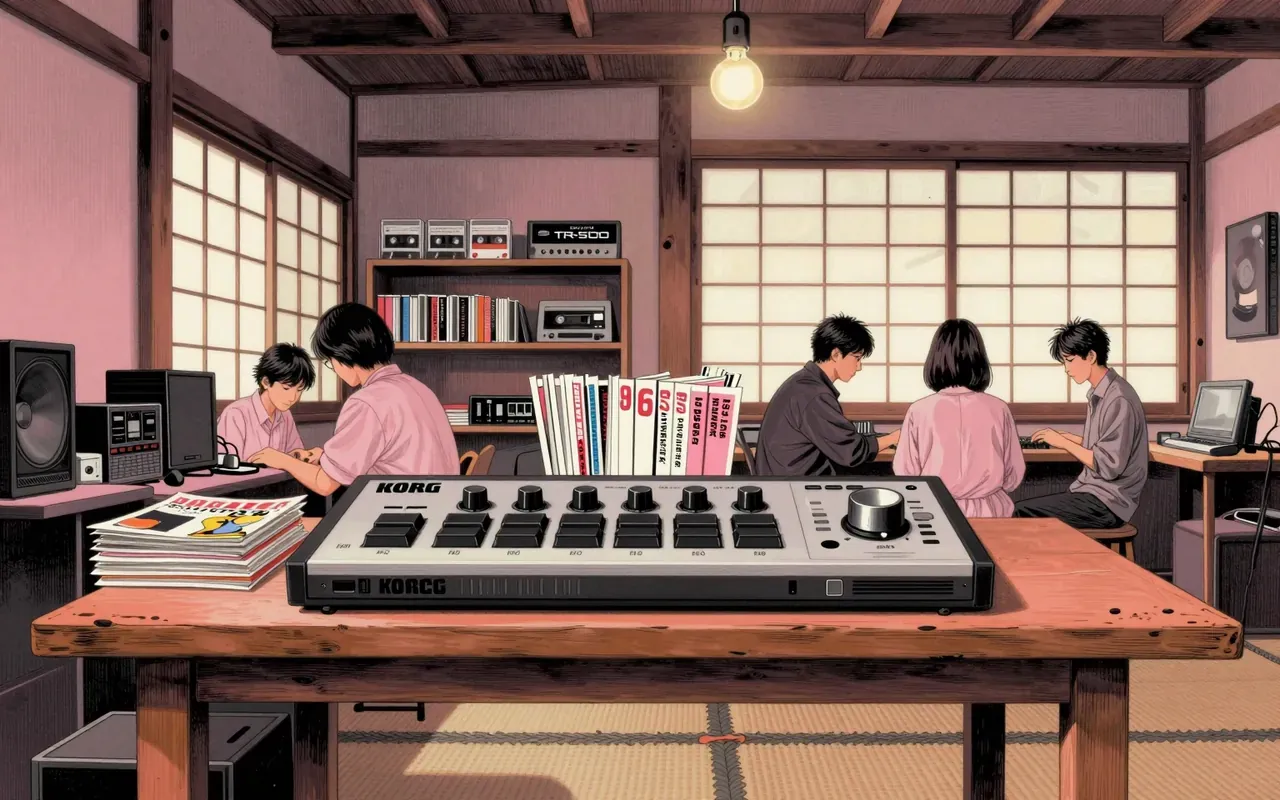
The Korg Electribe EA-1 is a compact groove machine built for quick, tactile analog sound design and live pattern-based performance.
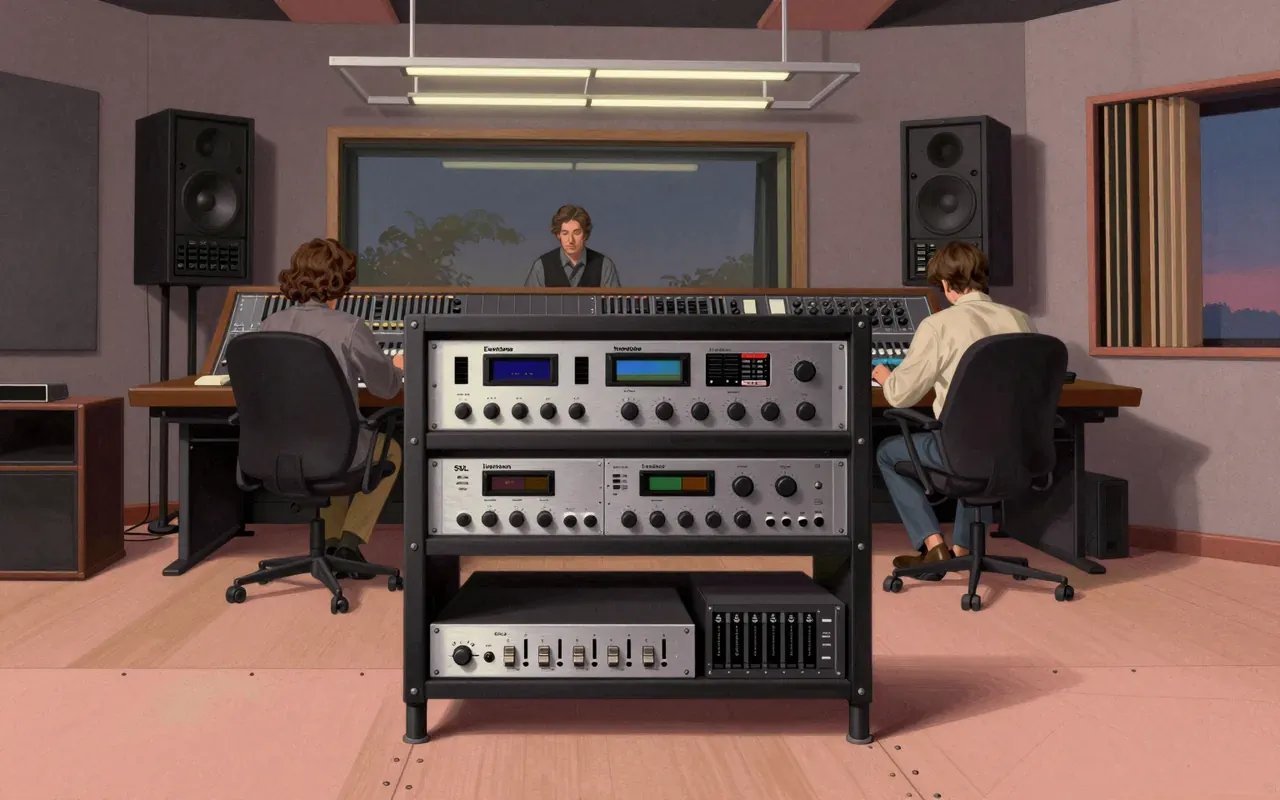
The Eventide H949 Harmonizer is a pitch shifter and time stretcher. It has no published technical specifications. It is also known as H949Harmonizer, H 949 Harmonizer, and H 949Harmonizer.
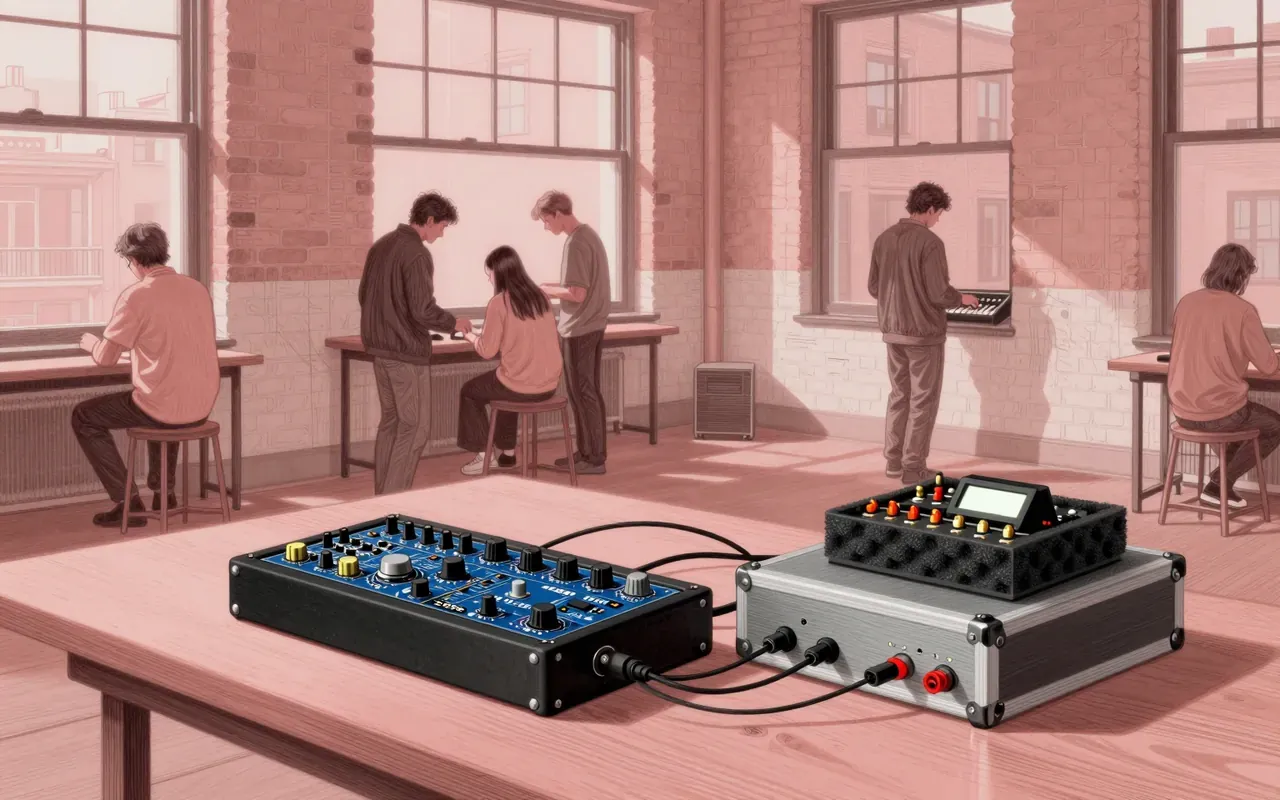
The Z-DSP is an effects module for modular synthesizers. Tiptop Audio makes it. That is all the source material states.
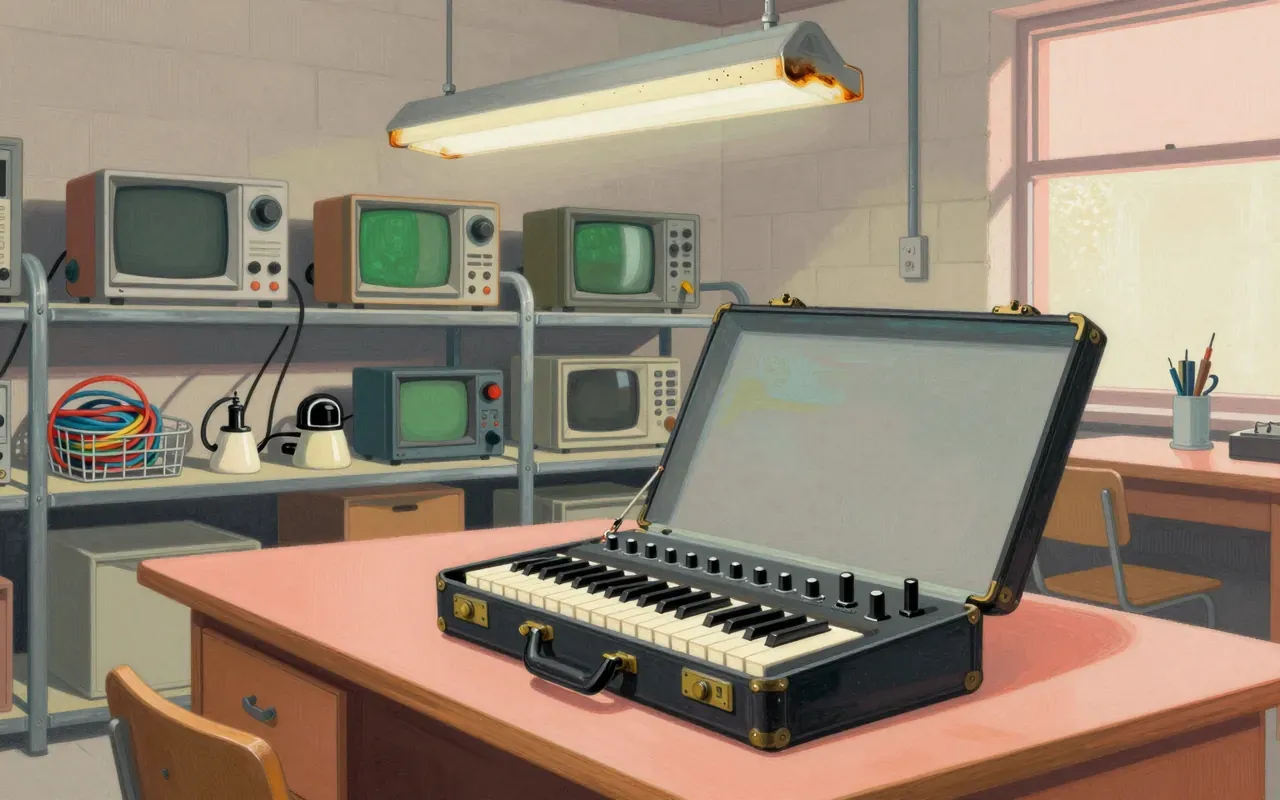
The Moog Sonic Six is a duophonic analog synthesizer introduced in 1972. It was built for portability and education after Bill Waytena acquired R.A. Moog Inc. and rebranded the Sonic V as the Sonic Six. Its folding control panel is unique in Moog’s history. It was widely used for lectures and educational purposes, often by Bob Moog himself. It delivers weak sound compared to the MiniMoog and suffers from reliability issues. Its single contour generator is shared between VCA and VCF, limiting independent envelope shaping. It is worth your time only if you need a portable, self-contained analog synth for live lecture demos or classroom use — not for studio depth, reliability, or sonic authority.
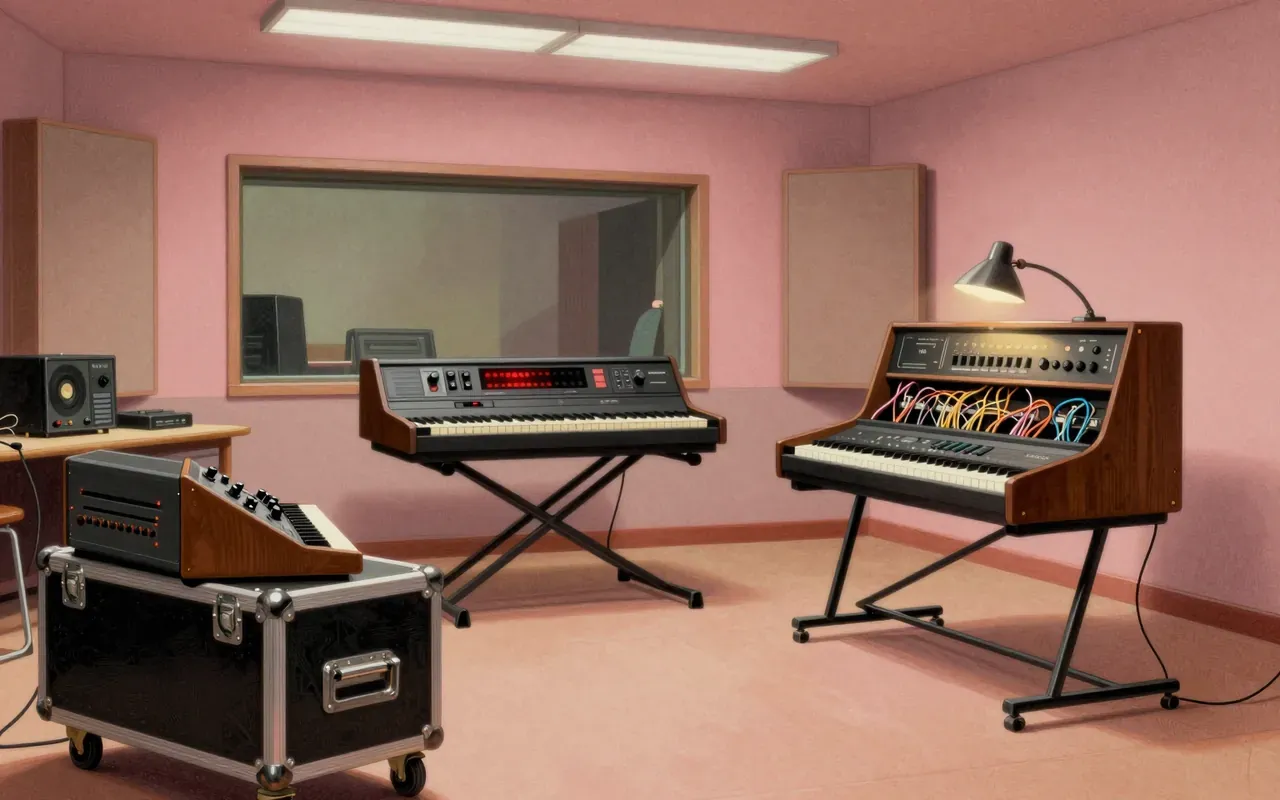
The Polymoog is a 1975 Moog keyboard that gives unlimited polyphony through divide-down oscillator architecture — but sacrifices per-voice synthesis, programmability, and filter control entirely.
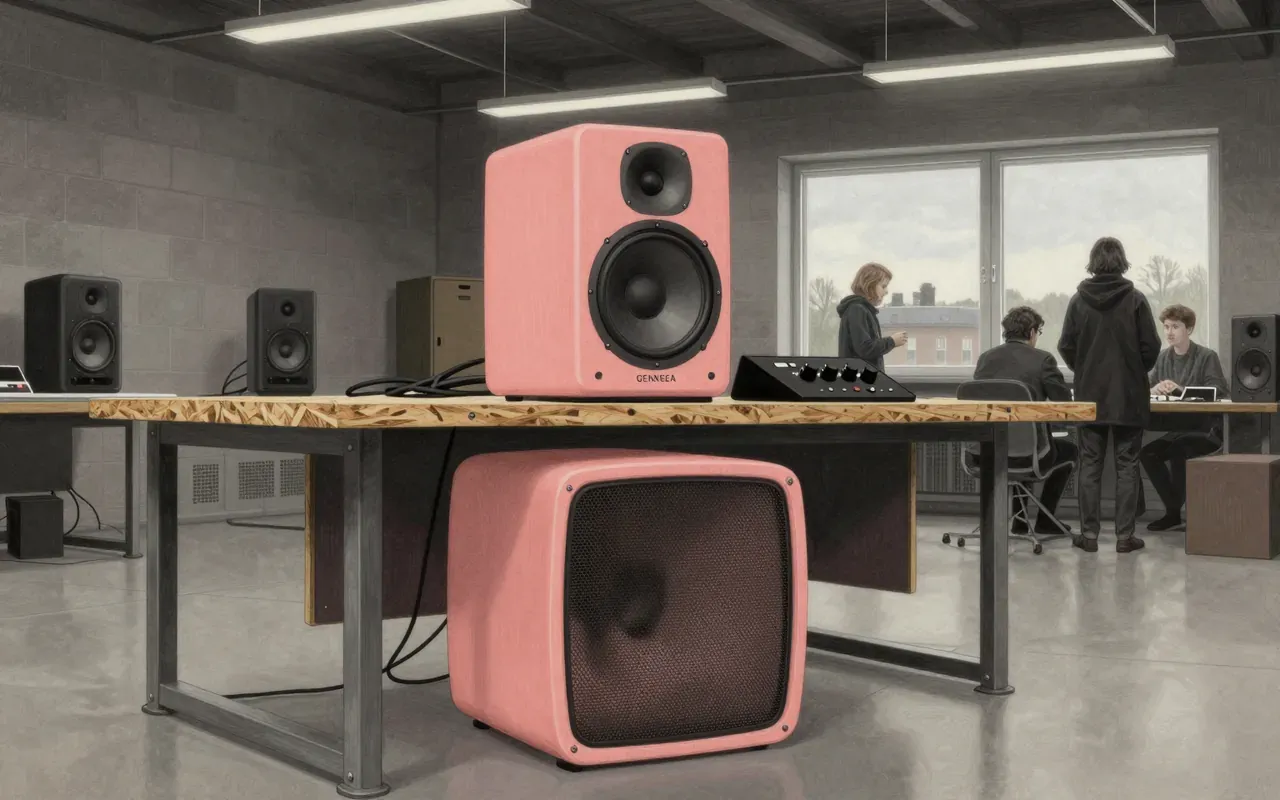
The Genelec 1032A is a high-end, individually sold, active two-way near-field studio monitor. It uses a 10-inch woofer and 1-inch tweeter. Its frequency response is 36 Hz to 23 kHz. It delivers a clean sound with tight highs and reportedly accurate mids and lows. It requires no external power amplifier. It is sold singly, not in pairs.

The Roland D-10 is a 1988 digital synthesizer using LA Synthesis. It has 61 keys and 32-voice polyphony. It is available as both a keyboard and a rack module. Factory sounds are basic and dated. Editing is required to achieve usable tones. It includes built-in sequencing and nine-part multitimbrality. Onboard effects are limited.
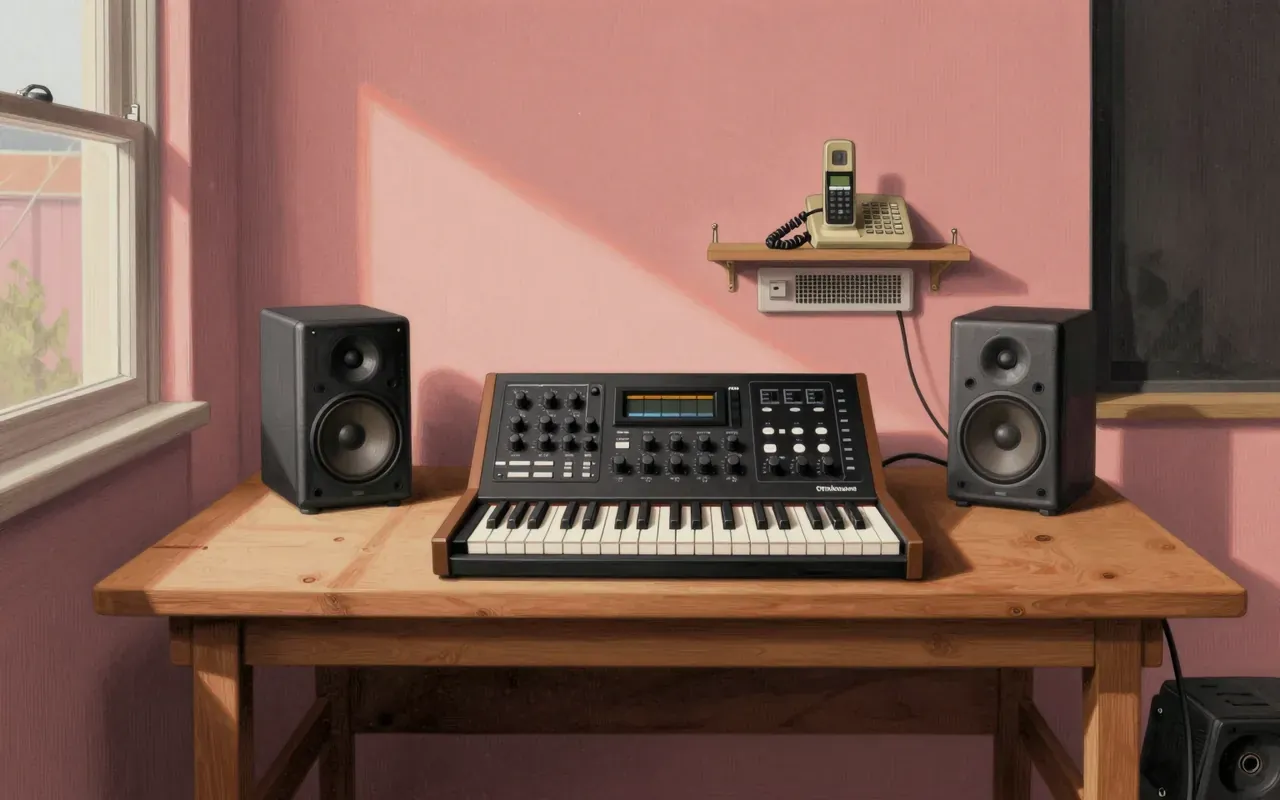
The E-mu ESI-32 is a 1994 16-bit desktop sampler. It delivers 32-voice polyphony, stereo sampling at 22.05 or 44.1 kHz, and real-time editing including Doppler, exciter, and transform multiply. Base RAM is 2 MB—11 seconds at 44.1 kHz stereo—but expands to 32 MB (six minutes). Auto-looping, auto-truncate, and auto key placement streamline sampling. It requires SCSI peripherals and Turbo Expansion for digital I/O and extra effects. It does not support variable sampling rates, higher bit depths, or modern connectivity out of the box.
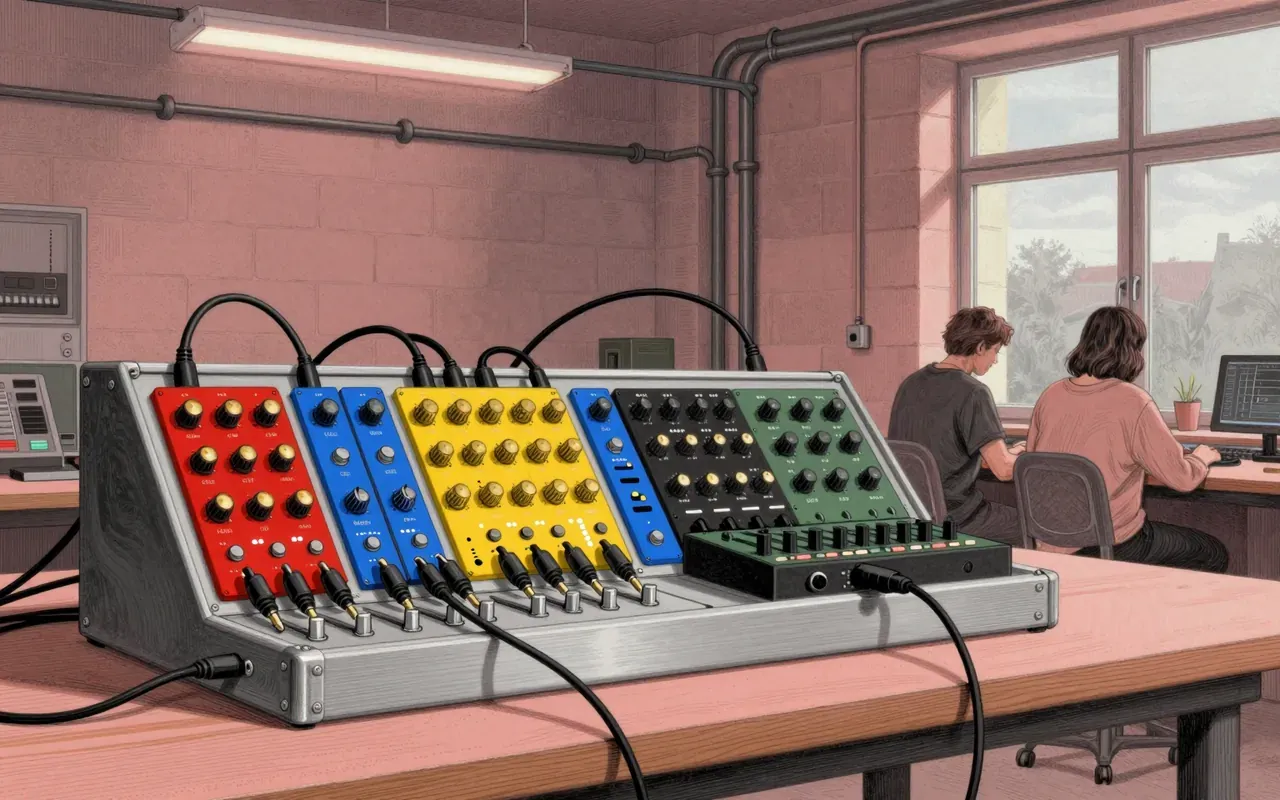
Eurorack is a modular synthesizer format introduced in 1995 by Doepfer Musikelektronik. It defines mechanical, electrical and interconnection standards so modules from different makers fit the same cases and communicate reliably. It has no built-in keyboard, sequencer or interface. It demands manual patching and physical organisation. It supports deep signal routing and long-term system expansion. It is used by musicians and designers to build custom synthesis environments.
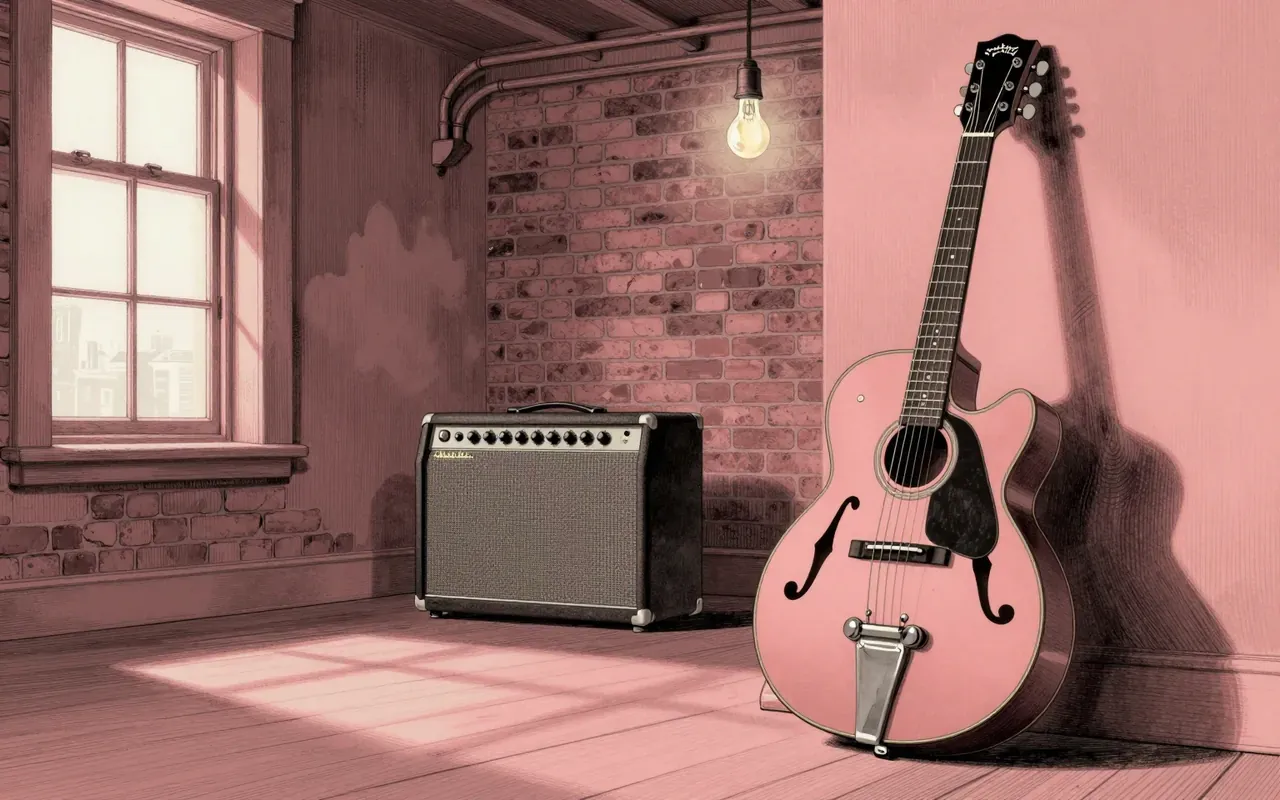
The Gretsch 6120 is a hollow body electric guitar introduced in 1955, developed with Chet Atkins, featuring design evolution including prototype testing, introduction of neoclassic fret markers in 1958, replacement of DeArmond pickups with Filter'Tron humbuckers, cessation of production in the late 1970s, and subsequent revival.
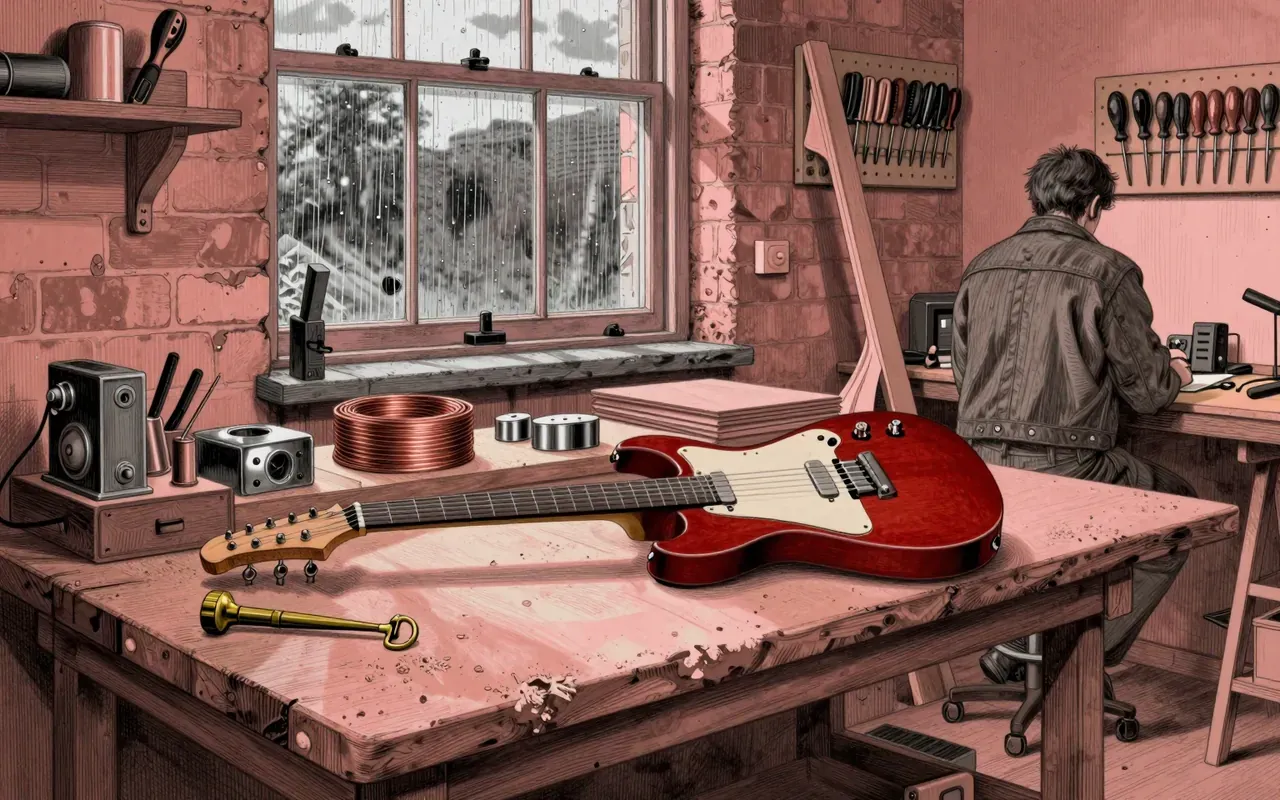
The Red Special is a functional anomaly: a self-contained solution to feedback and sustain, built before those problems had names. Its value lies in what it withheld — standardisation, mass production, modularity — not what it delivered.
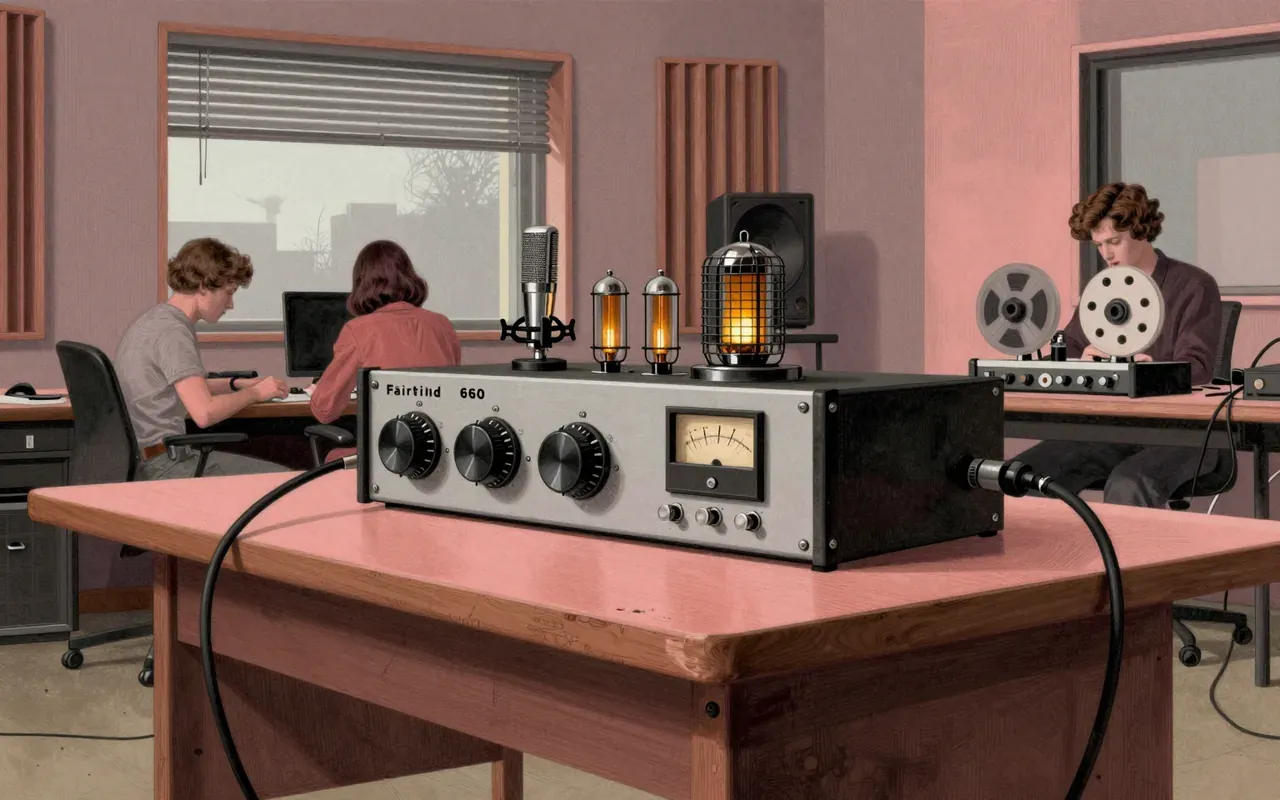
The Fairchild 660 is a mono tube compressor introduced in 1959. It was the first intelligent automatic volume control limiter. Designed by Rein Narma, the first ten units were built by him. The first unit went to Rudy Van Gelder, who used it to cut lacquer masters for Blue Note Records and Vox Records. It functions as a compressor (2:1, threshold 5 dB below normal) or peak limiter (30:1, threshold 10 dB above normal), with fixed 1/10,000-second attack and variable release. Its push-pull amplification and high control voltage yield low distortion, low noise, and no audible thumps.
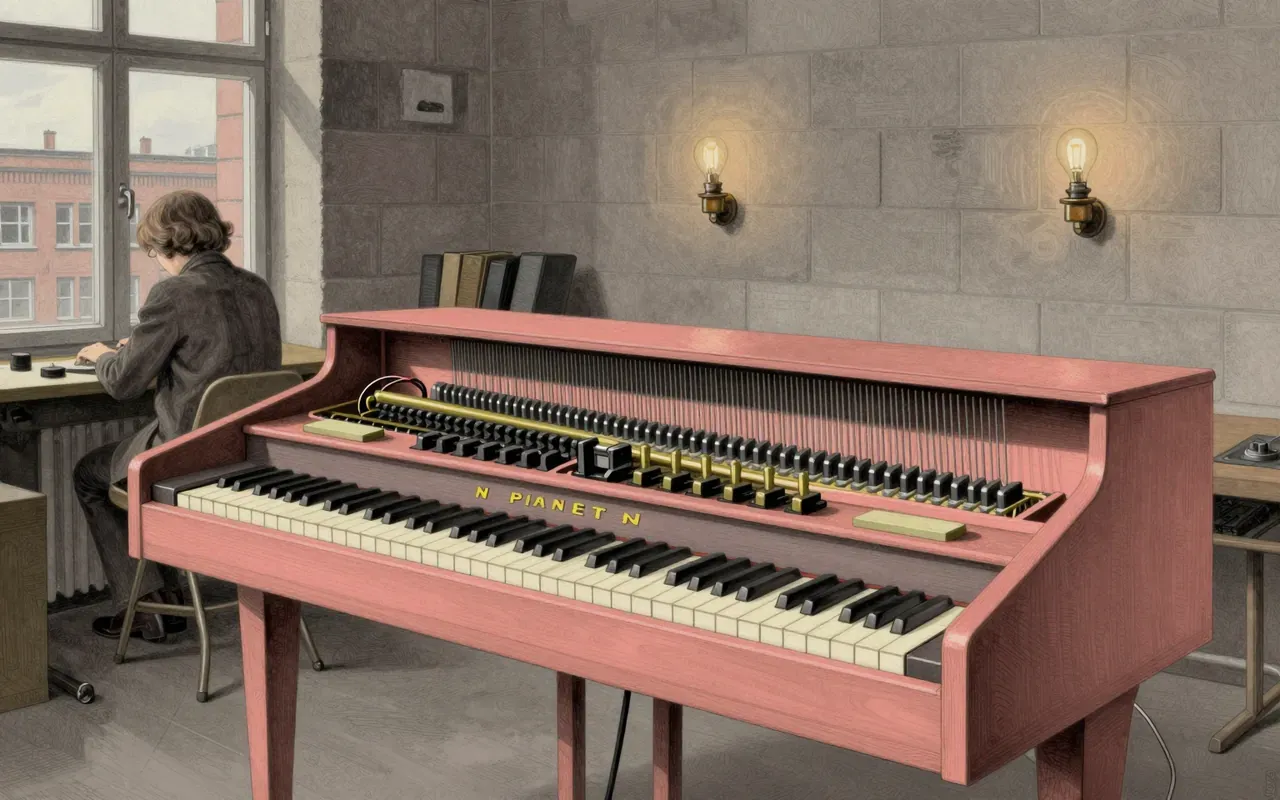
The Pianet T was made from 1977 to about 1983 and headed Hohner's second group of Pianets. Plastic suction pads pluck its reeds, an electro-magnetic pick-up like the one in a Rhodes converts the vibration, and the instrument needs no electrical power of its own. Vinyl-covered, with a hinged lid, it was built for live use but has no built-in amplifier.

The Boss BD-2 Blues Driver is an overdrive pedal sold since at least 2003. Users report its tone as round, expressive, smooth, and sultry. It responds sharply to small knob adjustments. It covers a wide sonic range — from clean overdrive to heavy grunge. It is available new and second-hand. Prices recorded are $50 (used), $79.99 (Kayes Music Scene), and $80 (Sam Ash).


The Lovetone Big Cheese is a UK-made, all-analog fuzz pedal for electric guitar. It has four controls: 'Curds' (gain), 'Whey' (volume), a traditional tone knob, and a stepped tone switch with four positions including bypass. It uses 1/4" input/output jacks and a 1/8" 9V power jack. It is not rack-mountable. It produces high-gain, noisy, aggressive fuzz — but can also deliver subtle overdrive. It is expensive and regarded as top-notch.
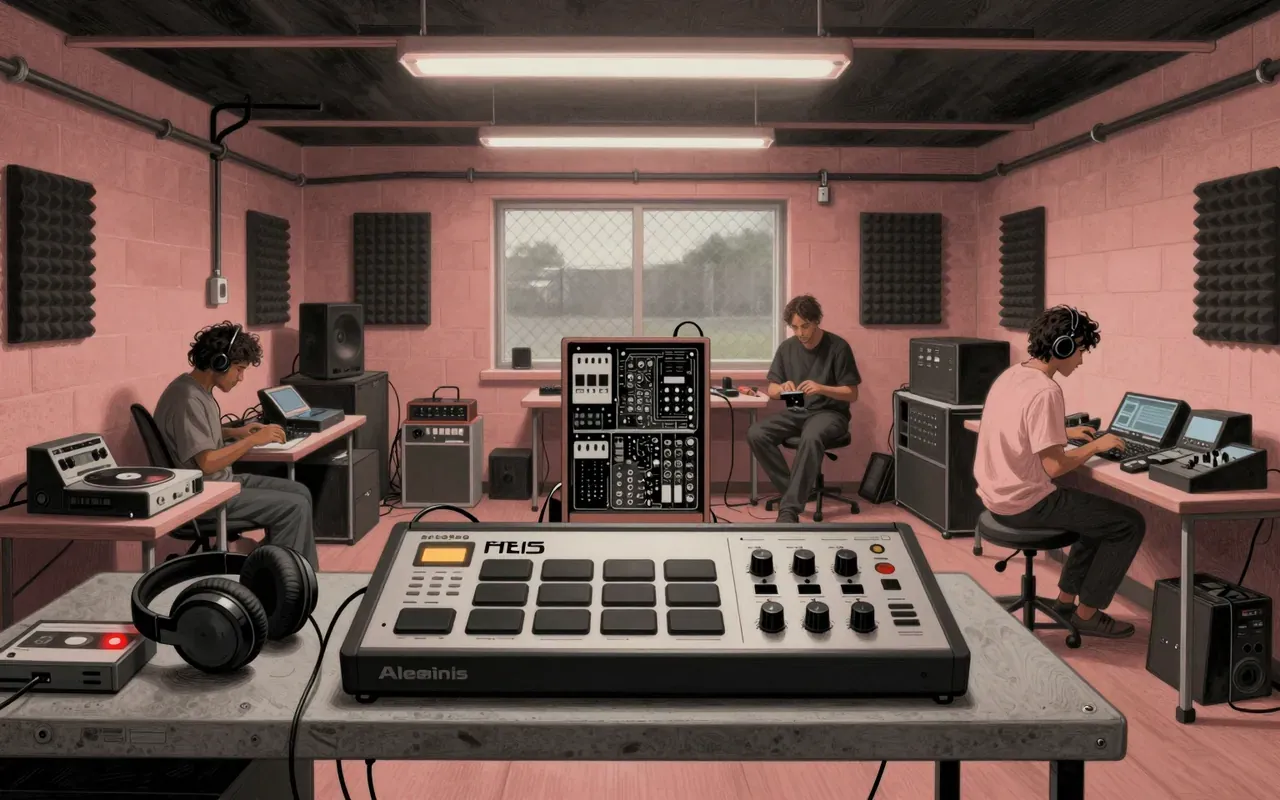
The Alesis HR-16 is a 1987/88 drum machine with 49 16-bit samples — 10 kicks, 7 snares, and an ethnic set — each tunable and mixable with individual level controls. It supports step or real-time pattern programming, 16-voice polyphony, and syncs via MIDI or external click. Its drum sounds are described as 'pretty cheesy'.
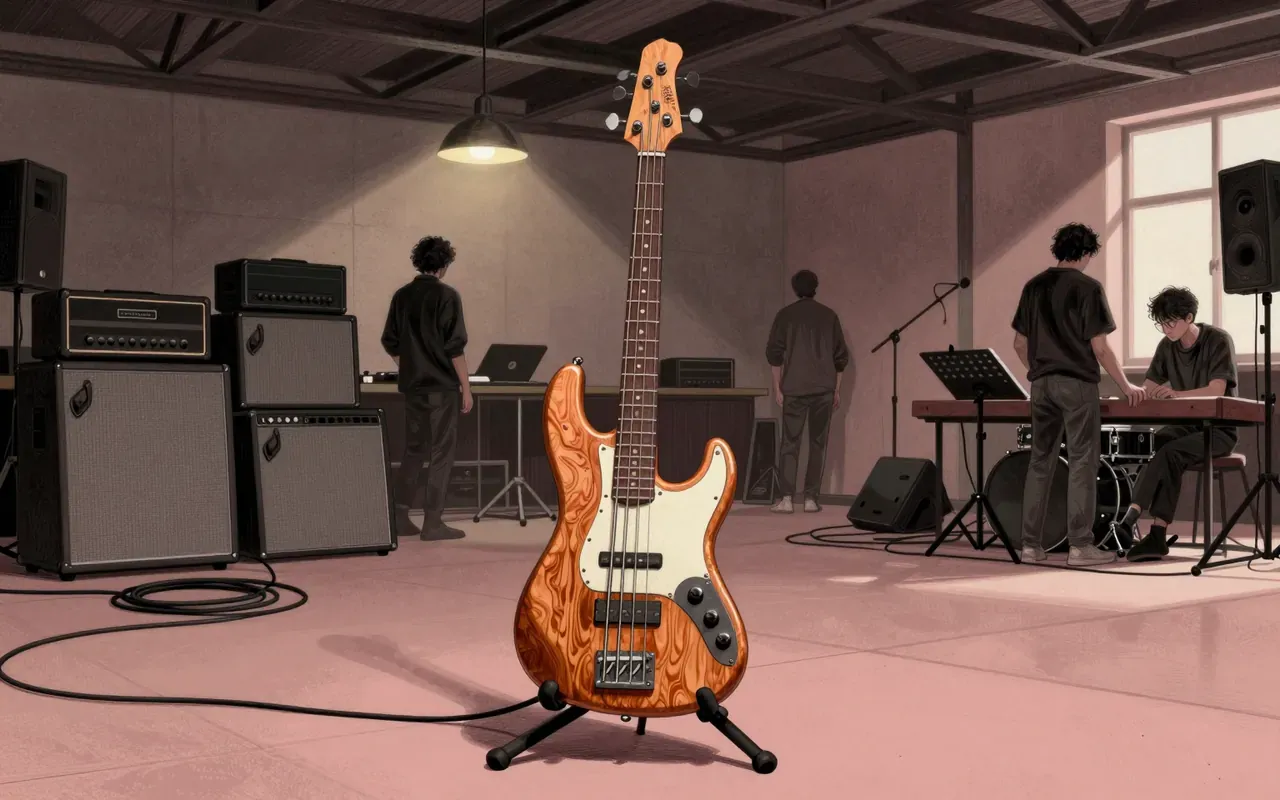
The Warwick Thumb SC is a 2010 single-cut bass born from a fan forum contest. It adapts the Thumb NT shape with new tonewoods and adds coil-splitting via two mini toggles—its sole functional departure from the NT. It has no passive mode, no 6-string option, and no historical lineage beyond its 2009–2010 development cycle.

Nagra recorders were Swiss-engineered portable analog tape machines built for professional film and broadcast sound capture from 1951 onward. They prioritised mechanical reliability, sync accuracy, and tactile control over flexibility or convenience. Their dominance lasted until digital alternatives offered file-based workflows, multitrack capability, and lighter weight.